












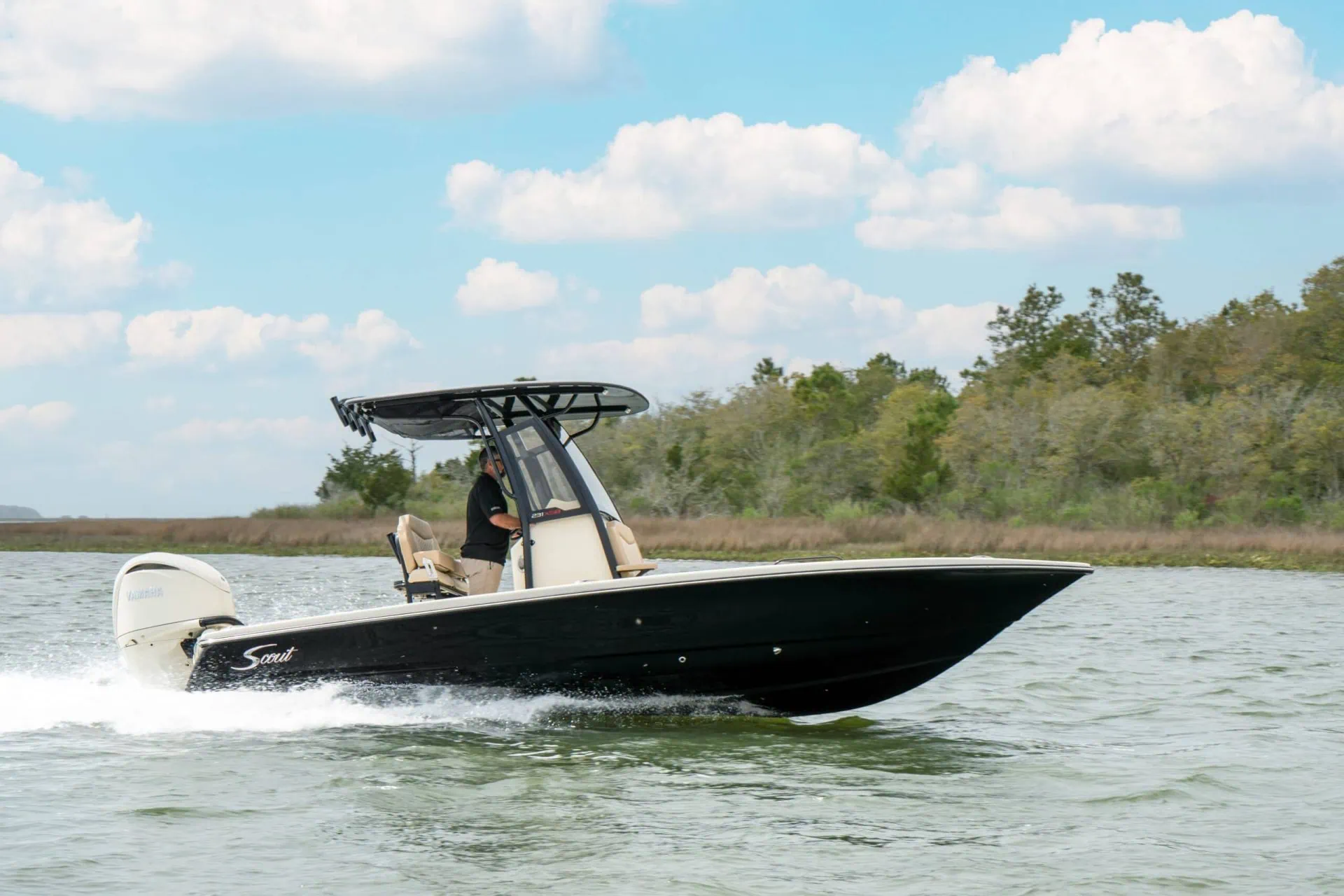

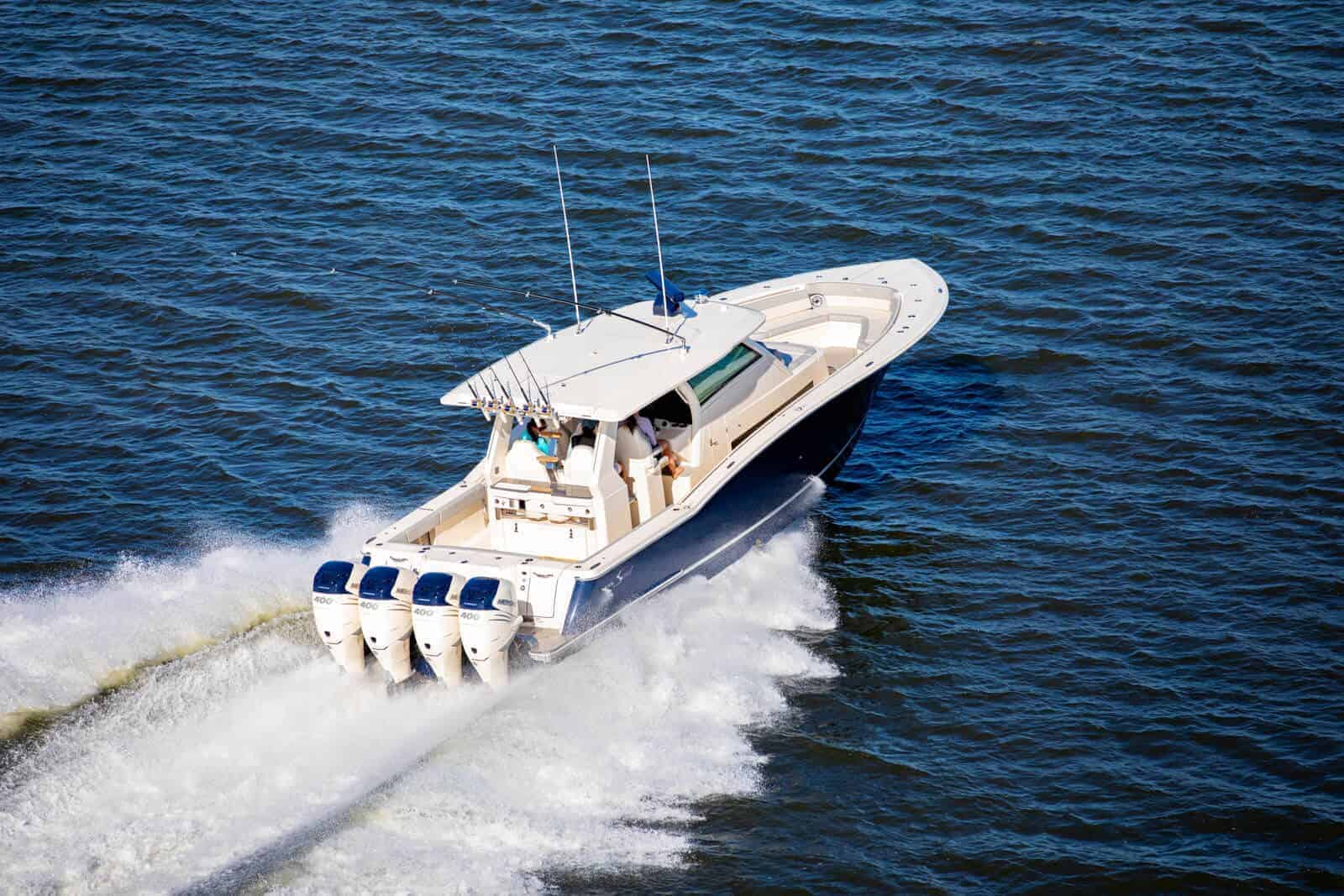
Buying a new boat is a thrilling experience, but it can also be a significant investment. A sea trial—the boating equivalent of a test drive—is the best way to ensure that your potential new vessel performs as expected on the water. At Scout Boats, we believe a well-prepared sea trial is essential to making an informed decision. Here’s your guide to what to look for when test-driving a new boat.
1. Prepare Before You Go
Before setting foot on the dock, preparation is key. Here’s what to do:
- Research the model: Understand the boat’s specifications, intended use, and unique features. Knowing what to expect makes it easier to identify issues or standout advantages during the trial.
- Check the weather: Calm waters are ideal for evaluating handling and comfort, while moderate conditions can help test stability and performance. Avoid storms or high winds.
- Make a checklist: List the key features you want to evaluate, from engine performance to onboard amenities. Having a structured approach ensures nothing is overlooked.
2. Inspect the Boat on the Dock
Before launching, take time to examine the boat while it’s still on land:
- Hull and exterior: Look for any imperfections, paint inconsistencies, or signs of poor craftsmanship.
- Hardware and fittings: Test hatches, cleats, rails, and latches to ensure they operate smoothly.
- Safety equipment: Confirm that life jackets, fire extinguishers, and other safety gear are in place and compliant.
Dockside inspections can reveal small issues before they become larger concerns once on the water.
3. Evaluate Engine Performance
The engine is the heart of any boat, and a sea trial is the only way to experience its real-world performance:
- Start-up: Listen for unusual noises, check for smooth ignition, and observe instrument readings.
- Acceleration and handling: Gradually increase speed to evaluate responsiveness. Take note of how the boat accelerates from idle to cruising speed.
- Cruising: Test the boat at typical cruising speeds. Observe vibrations, engine temperature, and fuel efficiency.
Pay attention to how the boat handles under power. Scout Boats are designed for smooth, predictable performance, so any irregularities should be noted.
4. Test Maneuverability
Handling is one of the most important aspects of a sea trial. Consider:
- Turning: Try both sharp and gentle turns to evaluate responsiveness and stability.
- Stopping distance: Assess how quickly and smoothly the boat slows or stops.
- Docking practice: Approach the dock from different angles to experience how the boat behaves in confined spaces.
Maneuverability is especially important for boats intended for fishing, cruising, or watersports. The goal is confidence and control under a variety of conditions.
5. Check Comfort and Ergonomics
Boating is as much about comfort as it is about performance. During the sea trial:
- Seating: Sit in every chair or bench to evaluate support and space.
- Visibility: Ensure clear sightlines from the helm and key vantage points.
- Storage: Test access to compartments, rod lockers, and under-seat storage.
Scout Boats are engineered for both function and comfort, making long days on the water more enjoyable.
6. Test Electronics and Features
Modern boats come with sophisticated electronics and onboard systems:
- Navigation and display screens: Confirm clarity, responsiveness, and ease of use.
- Lighting and bilge pumps: Test all lights and switches. Check bilge pump functionality.
- Optional systems: If the boat has extras like livewells, fish finders, or audio systems, operate them to ensure proper function.
A sea trial is your chance to see if every feature meets your expectations in real conditions.
7. Observe Overall Performance and Handling
Take a holistic view of the boat during the trial:
- Ride quality: Evaluate how the boat handles chop, wakes, and turns.
- Noise and vibration: Note comfort levels at various speeds. Excessive noise or vibration may indicate an issue.
- Fuel efficiency: Monitor consumption if possible to ensure it aligns with manufacturer specifications.
Document your impressions. Taking notes ensures you have clear comparisons if you’re sea trialing multiple boats.
8. Ask Questions and Seek Expert Guidance
Bring a knowledgeable friend or your local dealer’s expert with you. Don’t hesitate to ask questions about:
- Maintenance requirements
- Warranty coverage
- Recommended upgrades or accessories
Scout Boats’ team is always ready to guide prospective owners through every aspect of a sea trial.
Test a Scout Boat Today
A successful sea trial can make your boat-buying experience smooth and satisfying. Ready to experience Scout Boats firsthand? With these tips, you’ll know exactly what to look for and how to evaluate a Scout Boat before taking it home. Schedule a sea trial with us and see why our vessels are renowned for performance, comfort, and quality.
FAQ: Test-Driving a New Boat
How long should a sea trial last?
Typically, 30–60 minutes is sufficient to evaluate performance, handling, and comfort.
Can I bring my own gear for the trial?
Yes. Bring fishing equipment, coolers, or any items you plan to use onboard to see how the boat accommodates them.
Should I sea trial in rough conditions?
Mild to moderate conditions are ideal. Extreme weather can compromise safety and the accuracy of your evaluation.
What’s the best speed to test during a trial?
Vary speeds—from idle to cruising—to get a complete sense of performance and handling.