












North Carolina’s coastline is a haven for sportfishing enthusiasts, offering diverse habitats from shallow estuaries to deep offshore waters. With over 300 miles of Atlantic coastline, this region provides anglers with year-round opportunities to target redfish, speckled trout, flounder, tuna, mahi-mahi, and more.
Whether you’re a seasoned angler or preparing for your first coastal adventure, knowing the best fishing locations and techniques can elevate every outing. Below, we explore some of North Carolina’s premier coastal sportfishing destinations and what makes each unique.
Cape Hatteras: Offshore Adventure Awaits
Cape Hatteras, part of the Outer Banks, is renowned for its offshore sportfishing. Just 30–70 miles from shore, the Gulf Stream delivers world-class action for pelagic species such as tuna, wahoo, mahi-mahi, and billfish.
Nearshore reefs and wrecks also attract cobia, king mackerel, and amberjack. Seasonal migrations, especially in summer, create peak opportunities for trophy-sized catches. Advanced electronics, including GPS chartplotters and high-definition sonar, help anglers locate structure, temperature breaks, and schools of bait — crucial for maximizing offshore success.
Boats capable of handling offshore conditions are recommended. A deep-V hull and stability in rough waters ensure both safety and comfort when venturing into the Atlantic.
Pamlico Sound: Inshore Fishing Paradise
Pamlico Sound, the largest lagoon along the U.S. East Coast, offers unmatched inshore sportfishing. Its vast network of tidal creeks, shallow flats, and estuaries supports redfish, speckled trout, flounder, and black drum throughout the year.
Anglers targeting redfish will find prime opportunities during fall and winter, when schools congregate in shallow waters. Speckled trout and flounder respond well to live bait, soft plastics, and topwater lures near oyster beds, grass lines, and marsh edges.
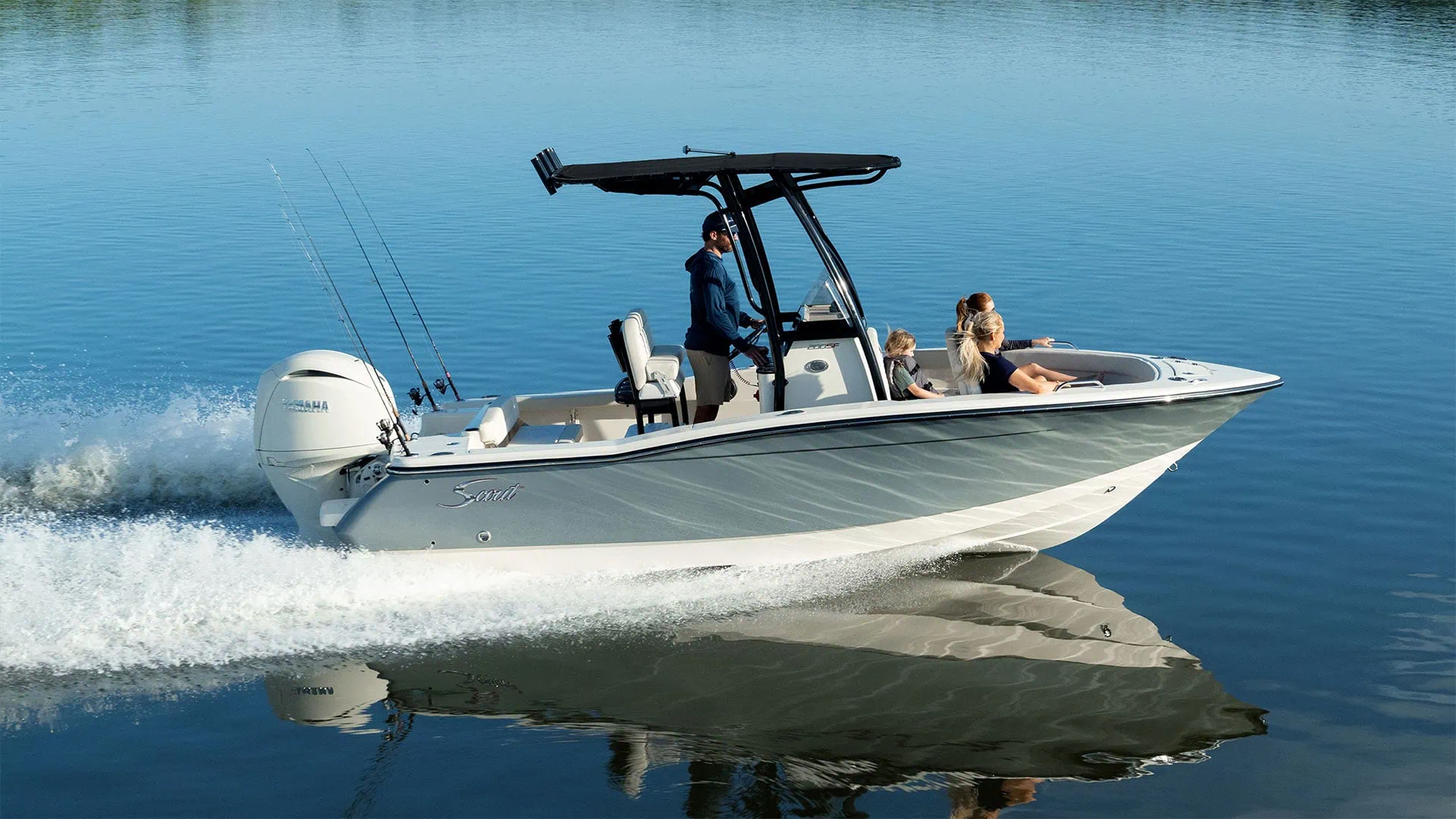
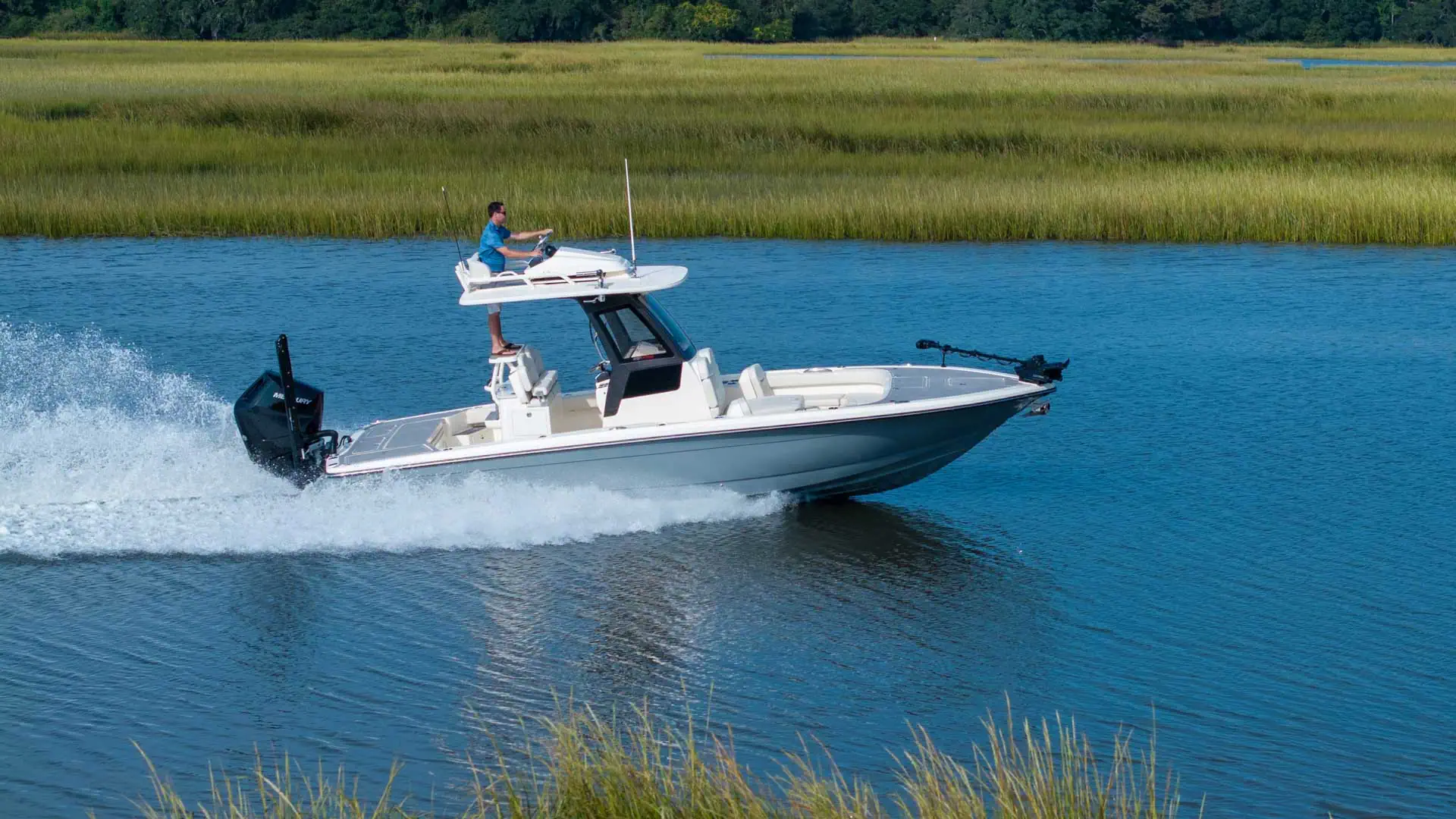
Shallow-draft boats excel here, allowing access to skinny water while maintaining stability and fishability. Deck space, responsive handling, and integrated livewells enhance the overall inshore experience, making longer days on the water comfortable and productive.
Morehead City & Beaufort: Nearshore Excellence
Morehead City and Beaufort provide a versatile mix of nearshore reefs and inshore creeks. Nearshore reefs attract king mackerel, cobia, and Spanish mackerel during warmer months, while inshore waters reward anglers with redfish, trout, and flounder.
The area’s artificial reef programs create consistent structure for bottom-dwelling species like grouper and snapper. Anglers can combine nearshore trolling with inshore casting in a single day, making it an ideal destination for those who enjoy diverse fishing experiences.
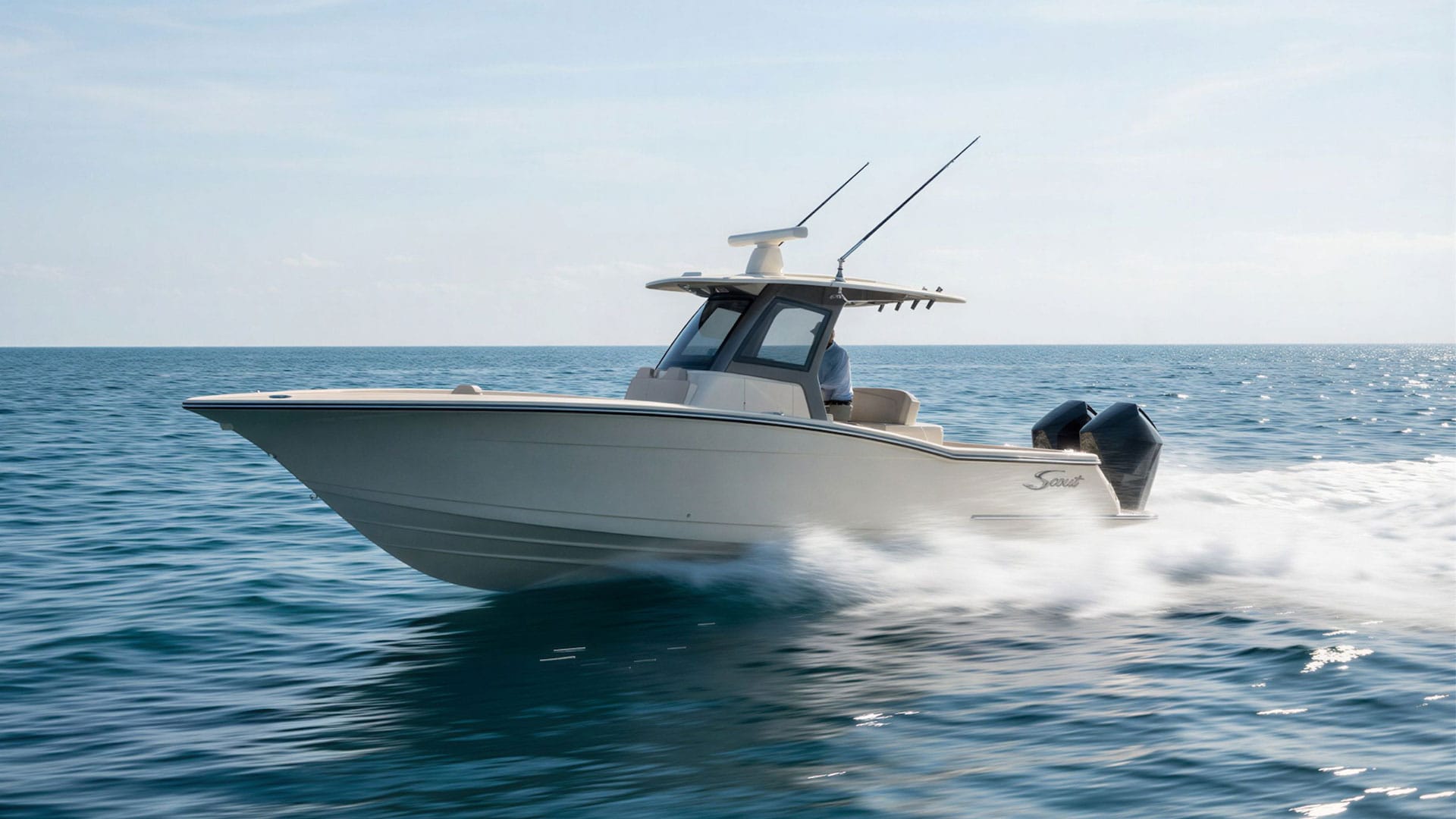
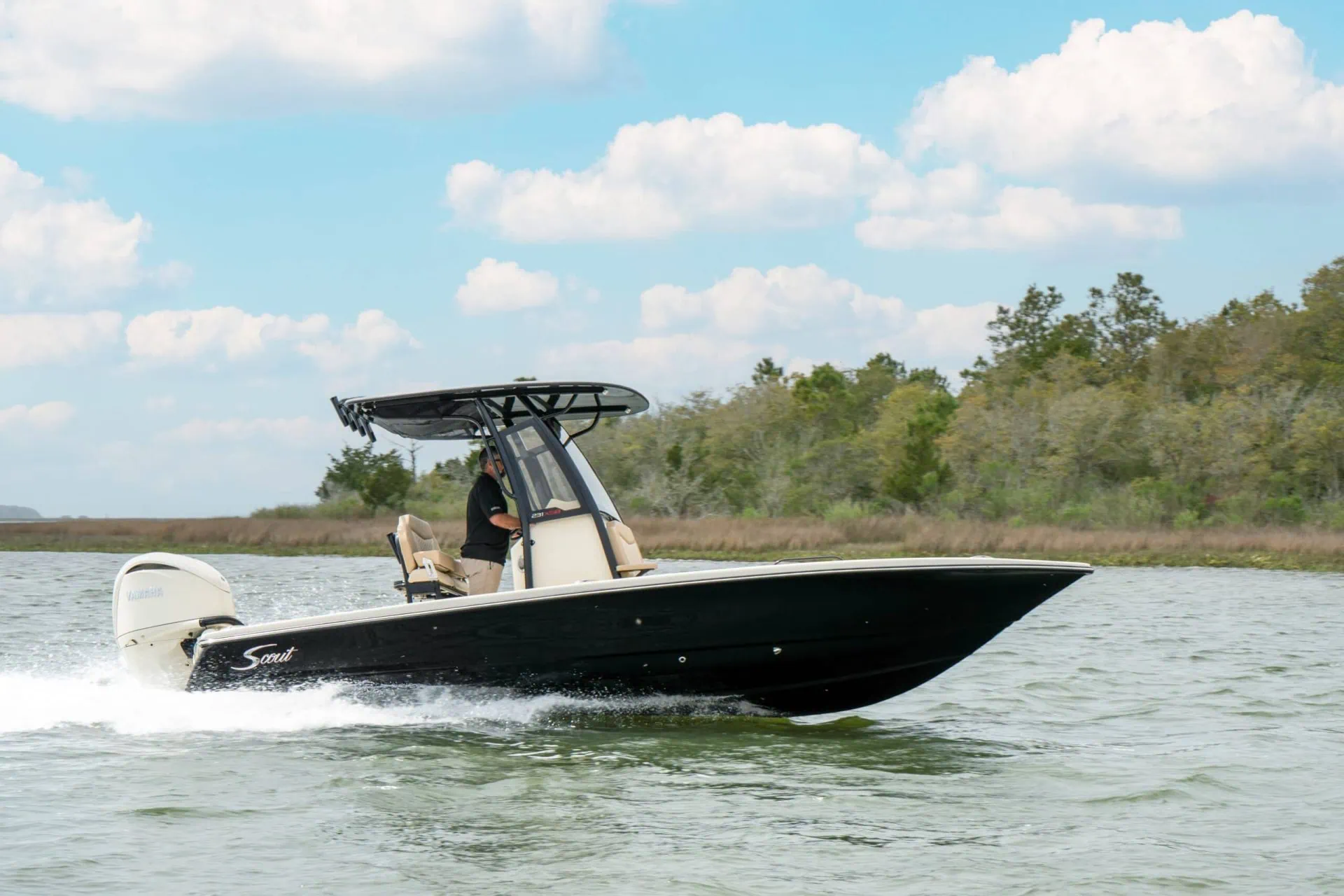
Center console boats with advanced helm layouts and sonar capabilities help anglers efficiently navigate this mix of habitats, tracking both water temperature and bait activity.
Topsail Island: Quiet Coastal Waters
Topsail Island, just north of Wilmington, offers less-pressured waters for anglers seeking a more relaxed experience. The combination of tidal creeks, grass flats, and nearshore reefs creates habitats for redfish, speckled trout, black drum, and flounder.
Sight-casting and precision fishing during flood tides are particularly rewarding here. Stability, shallow draft, and unobstructed deck space allow anglers to navigate tight spots and maintain control while casting. This location is ideal for families or anglers honing their skills without the crowds typical of busier destinations.
Wilmington: Accessible and Productive
Wilmington’s coastal waters provide easy access to both inshore estuaries and nearshore reefs. The Intracoastal Waterway offers calm, sheltered fishing grounds for redfish, trout, and flounder, while the nearby offshore reefs produce grouper, snapper, and pelagic species.
Anglers here benefit from proximity to marinas and services, making it a practical choice for both day trips and extended excursions. Running offshore to productive grounds requires a capable boat built for performance and comfort, ensuring safety in changing sea conditions.
Techniques for North Carolina Coastal Sportfishing
Fishing North Carolina’s coast requires adaptability to tides, water temperatures, and seasonal migrations:
- Inshore: Cast live shrimp, soft plastics, or topwater lures near grass lines, docks, and oyster beds. Precision and patience pay off, especially in shallow waters.
- Nearshore: Trolling with lures or live bait over artificial reefs attracts mackerel, cobia, and kingfish. Sonar helps identify temperature breaks and bait schools.
- Offshore: Use deep-water trolling or live-bait techniques for tuna, mahi-mahi, and billfish. Accurate navigation, stable drifting, and advanced electronics are essential.
Choosing the right boat significantly enhances both comfort and productivity across these diverse environments.
Why the Right Boat Matters in North Carolina
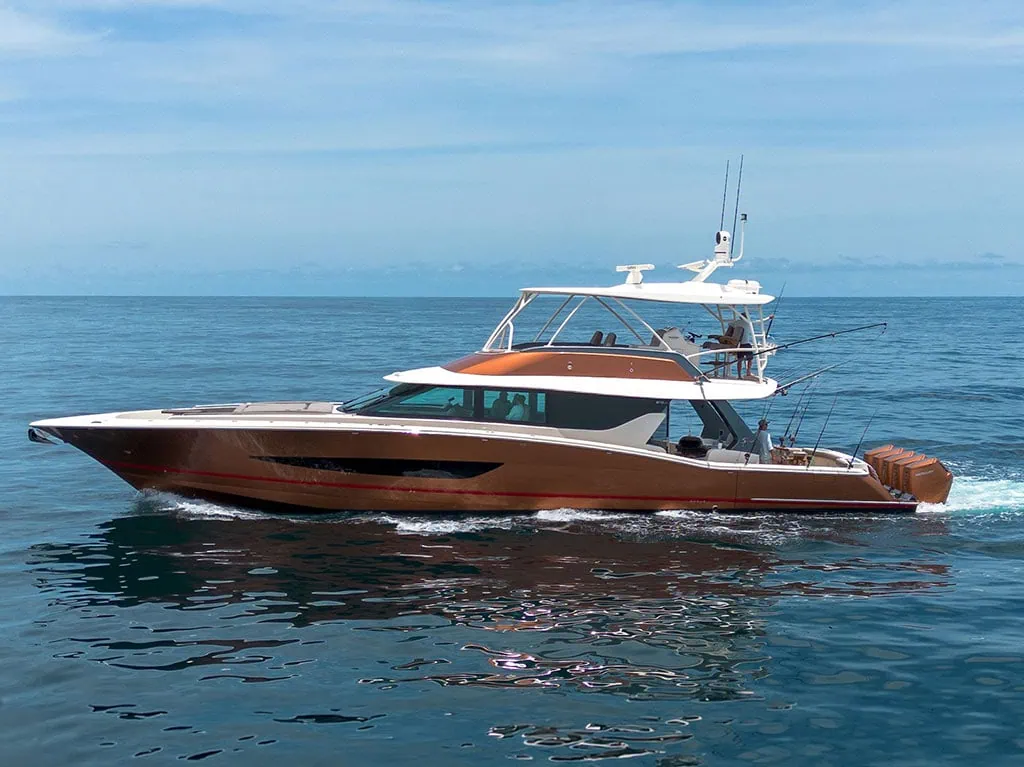
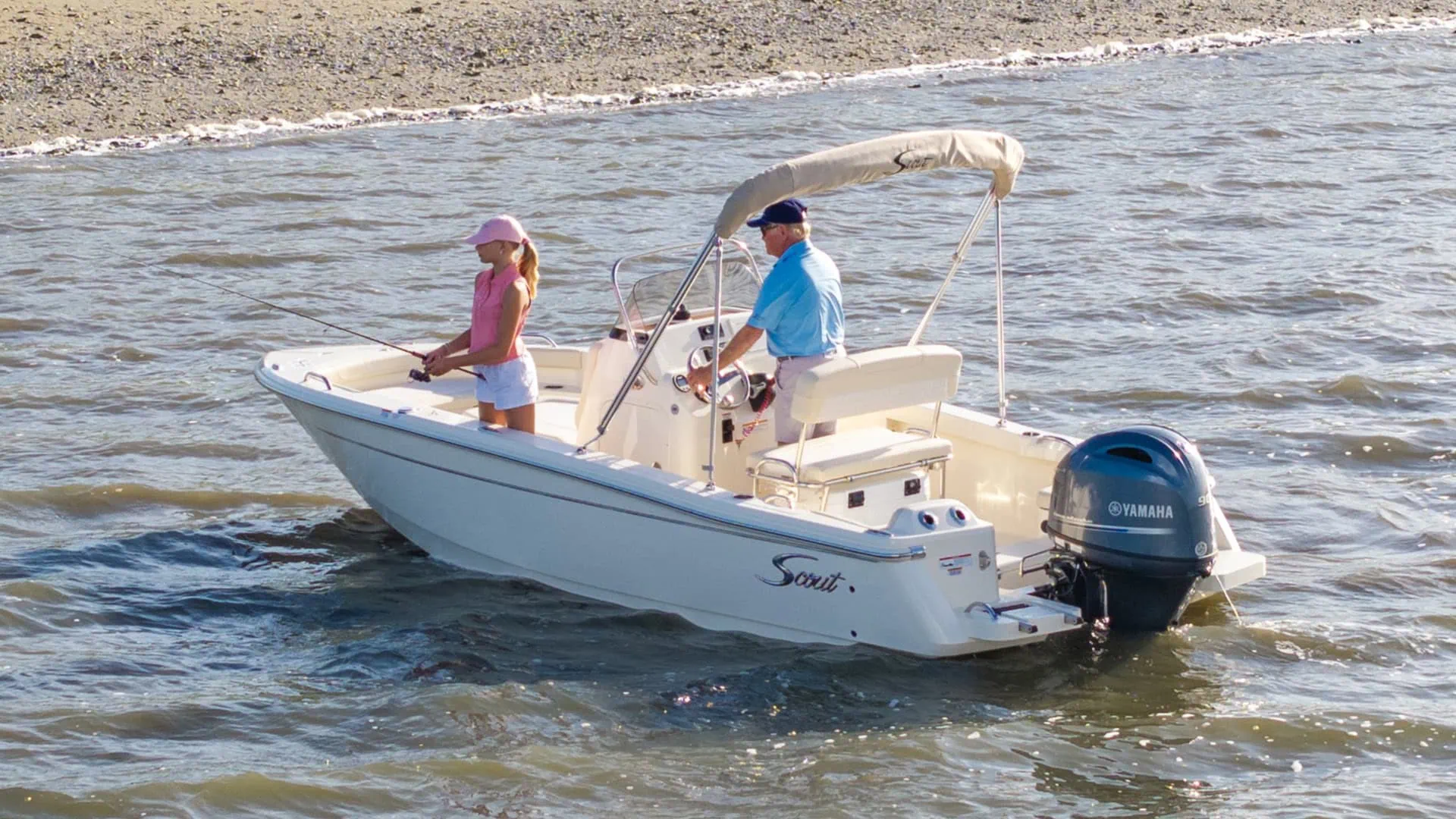
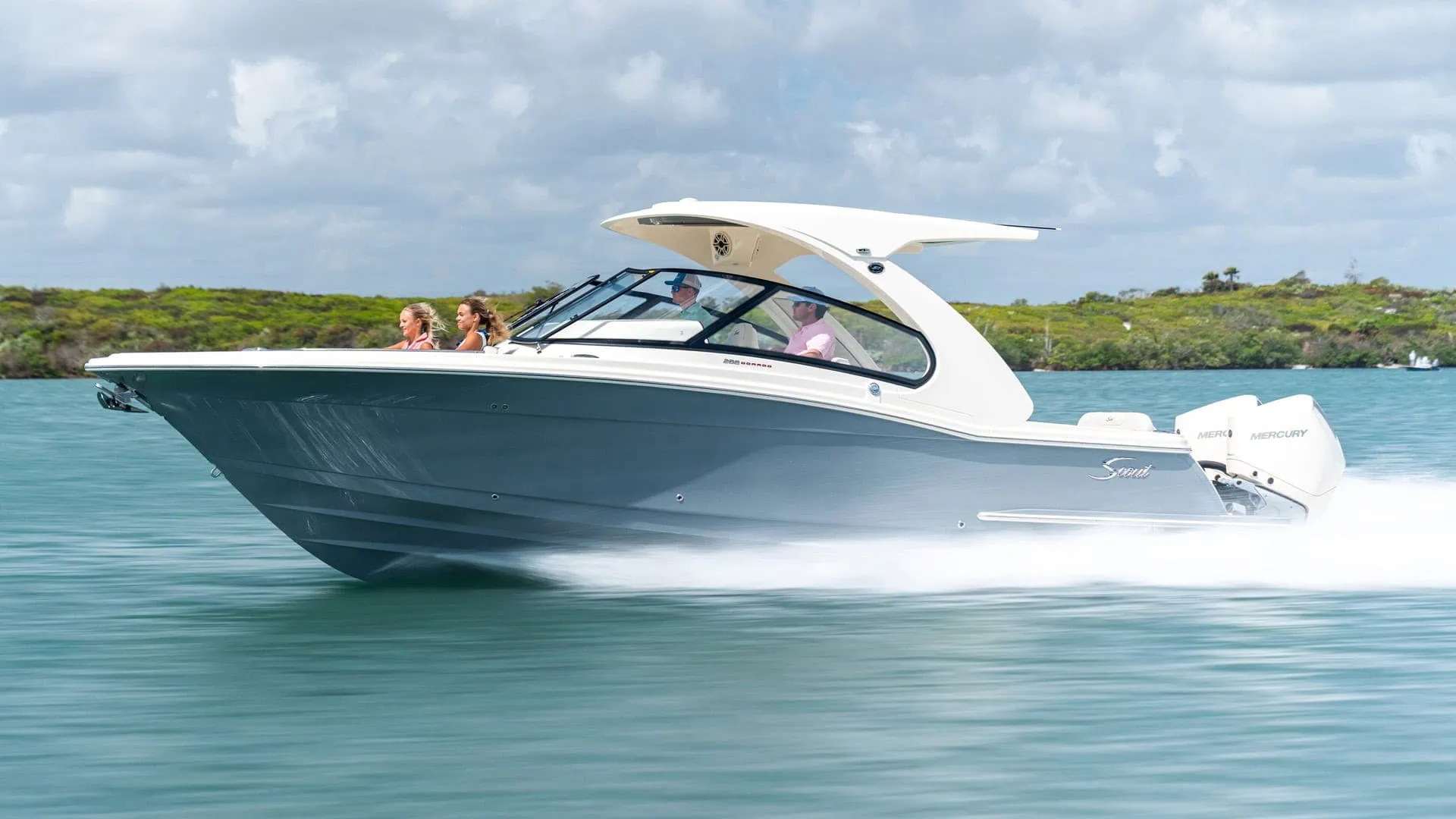
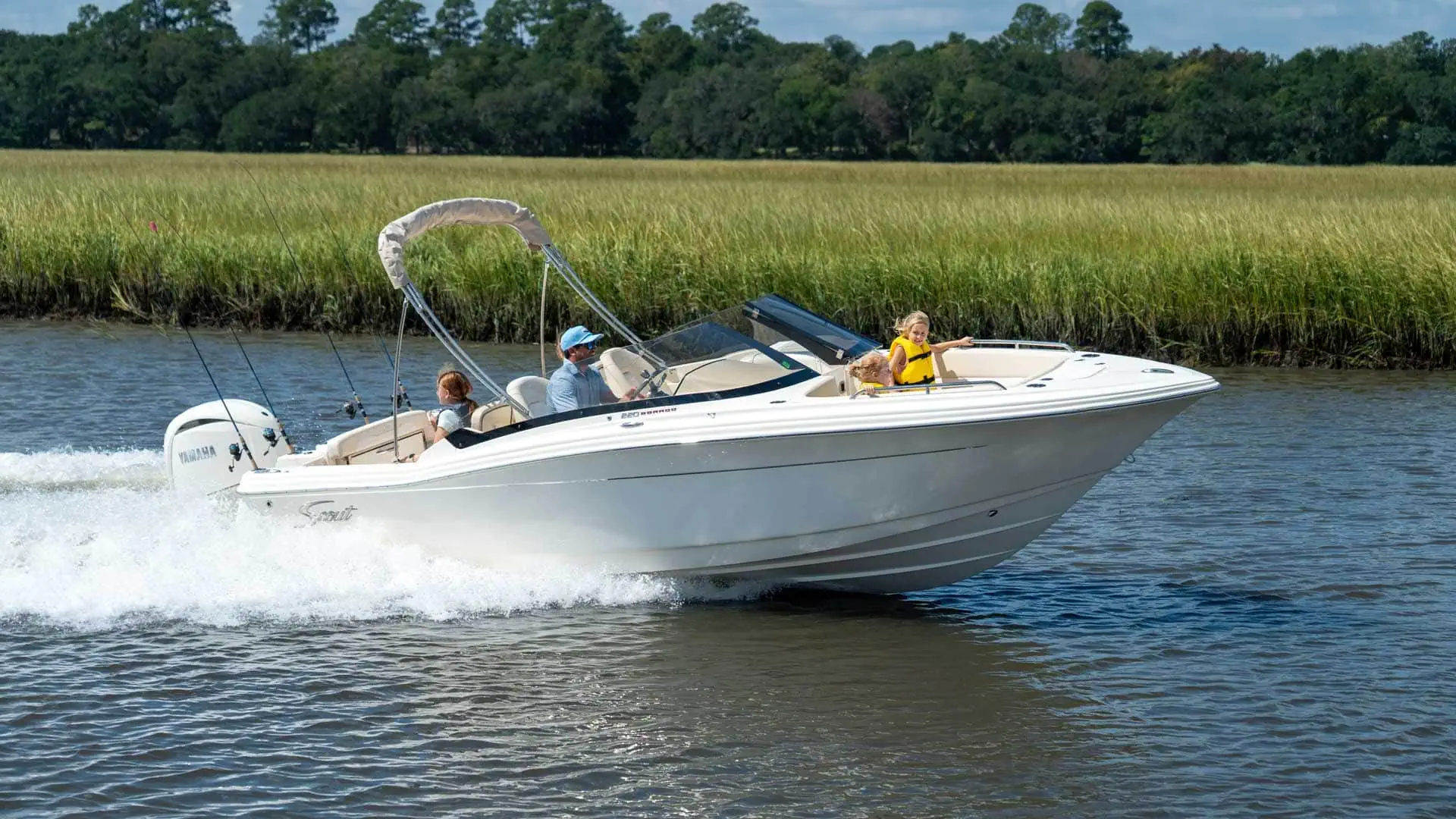
North Carolina’s waters can change rapidly — calm inshore mornings may transition to offshore swells by afternoon. A Scout Boat designed for versatility ensures confidence in every setting. Key features include:
- Deep-V hull for smooth offshore handling
- Shallow draft for exploring inshore flats
- 360-degree fishability with ample deck space
- Integrated livewells and insulated fish boxes
- Advanced composite construction for durability
Scout Boats provide anglers with the performance, safety, and refinement needed to fish efficiently in any North Carolina coastal habitat. From tidal creeks to offshore excursions, having the right vessel elevates every trip.
Exploring North Carolina’s coastline is a thrilling adventure for any angler. Whether you’re chasing redfish in shallow estuaries or running offshore for tuna and mahi-mahi, the right equipment and preparation make all the difference. Scout Boats are engineered to handle these diverse conditions with performance, safety, and comfort in mind. If you’re ready to elevate your coastal sportfishing experience, explore the full range of Scout models and get on the water with confidence.
North Carolina Sportfishing FAQ
What is the best time of year to fish North Carolina’s coast?
Fishing is productive year-round, but spring and fall generally offer the most active feeding patterns.
Do I need a large boat for offshore fishing?
Yes. Offshore conditions require boats engineered for stability, deep-V hulls, and safety equipment.
Which species are most common along the coast?
Redfish, speckled trout, flounder, king mackerel, tuna, mahi-mahi, cobia, snapper, and grouper are among the most sought-after species.
Are there inshore fishing options for beginners?
Absolutely. Areas like Pamlico Sound, Topsail Island, and Beaufort offer accessible, productive waters for new anglers.
How important are electronics for coastal fishing?
Highly important. GPS, sonar, and temperature tracking improve fish-finding efficiency and navigation in variable conditions.