
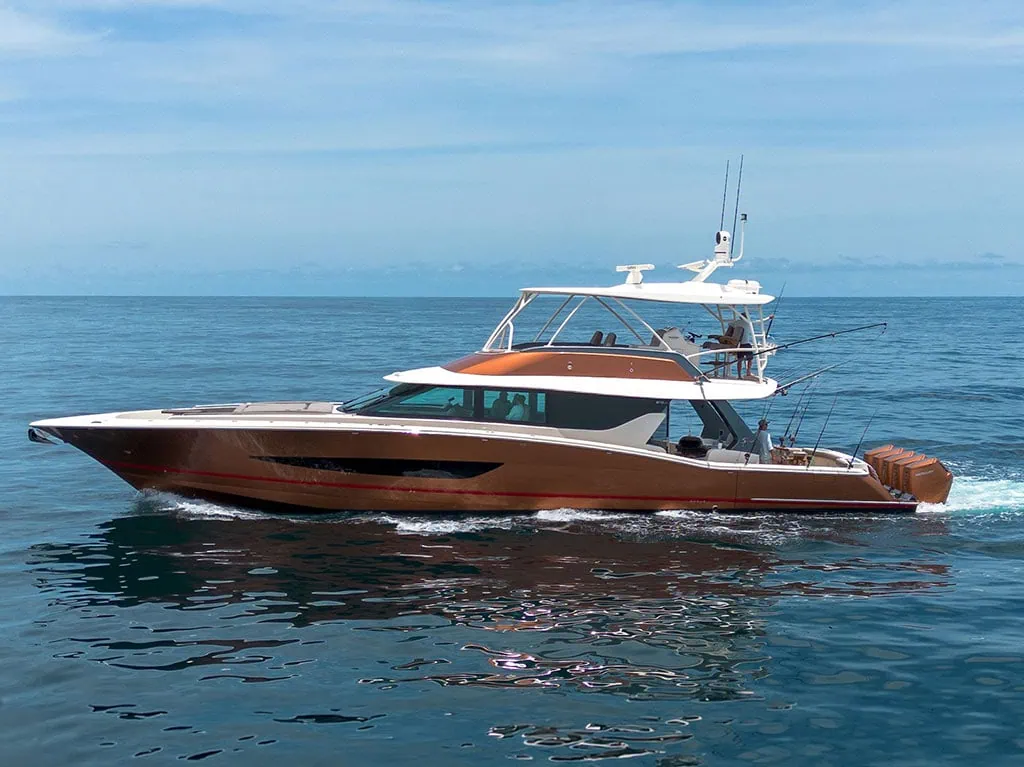


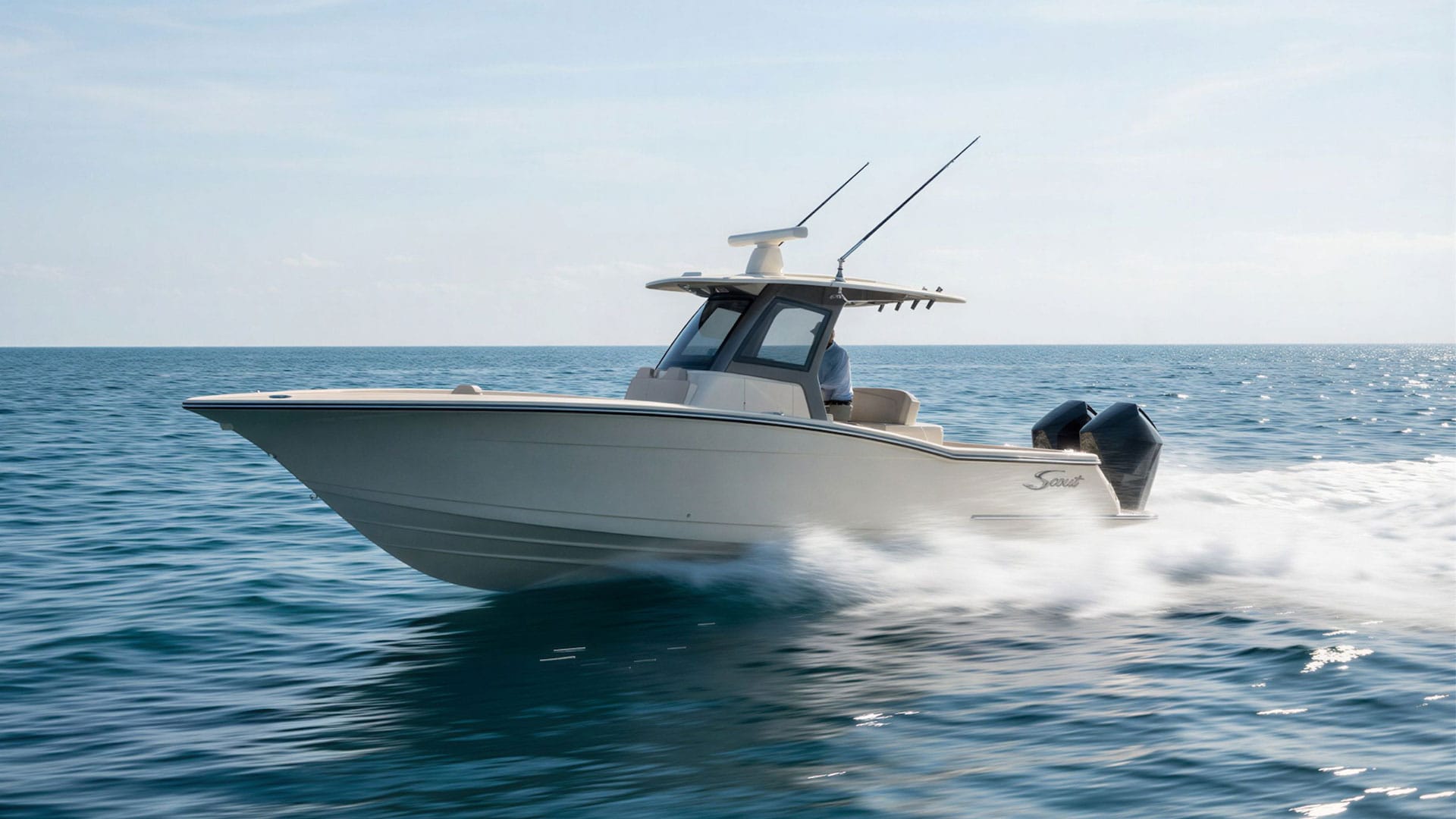


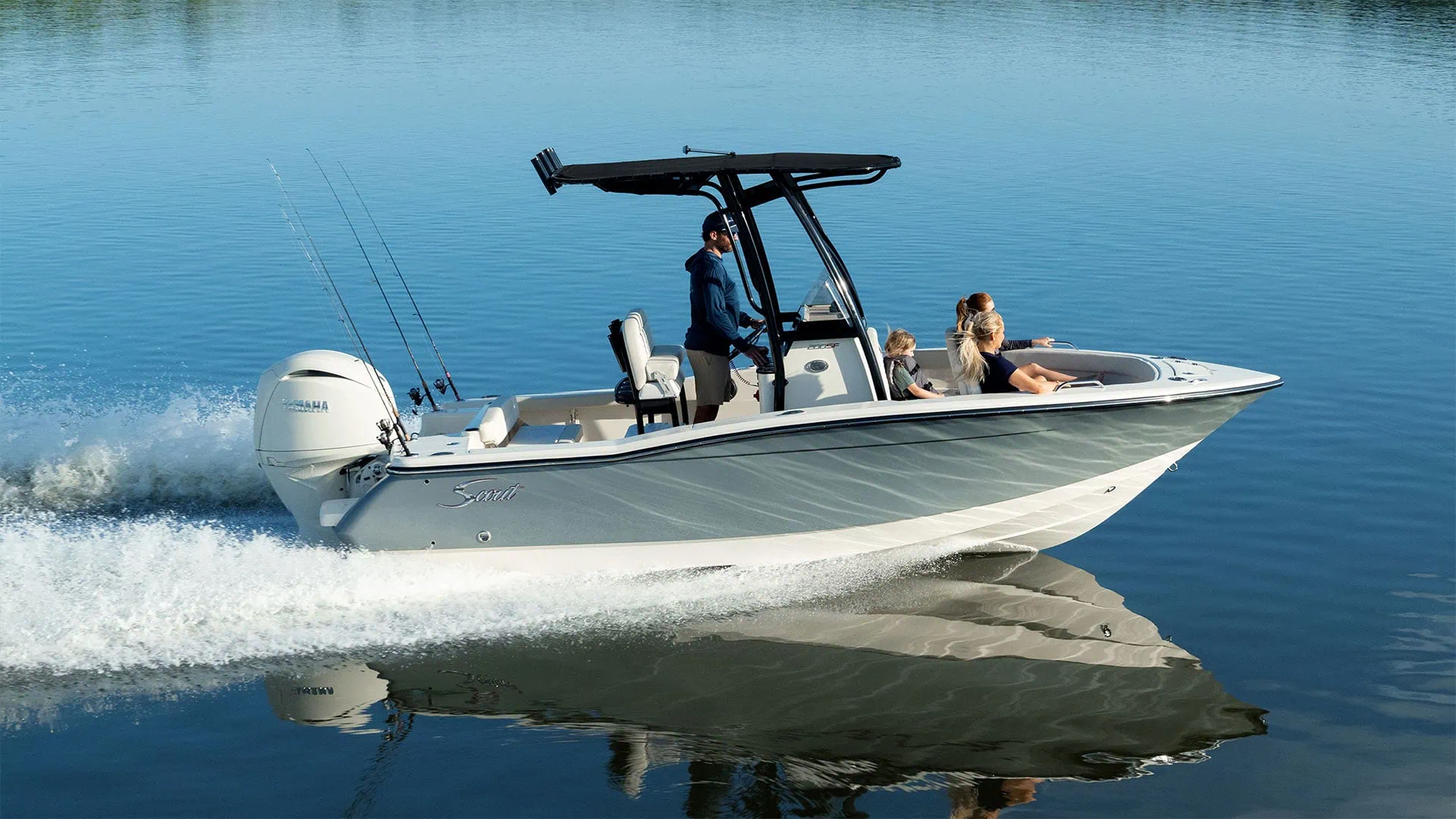

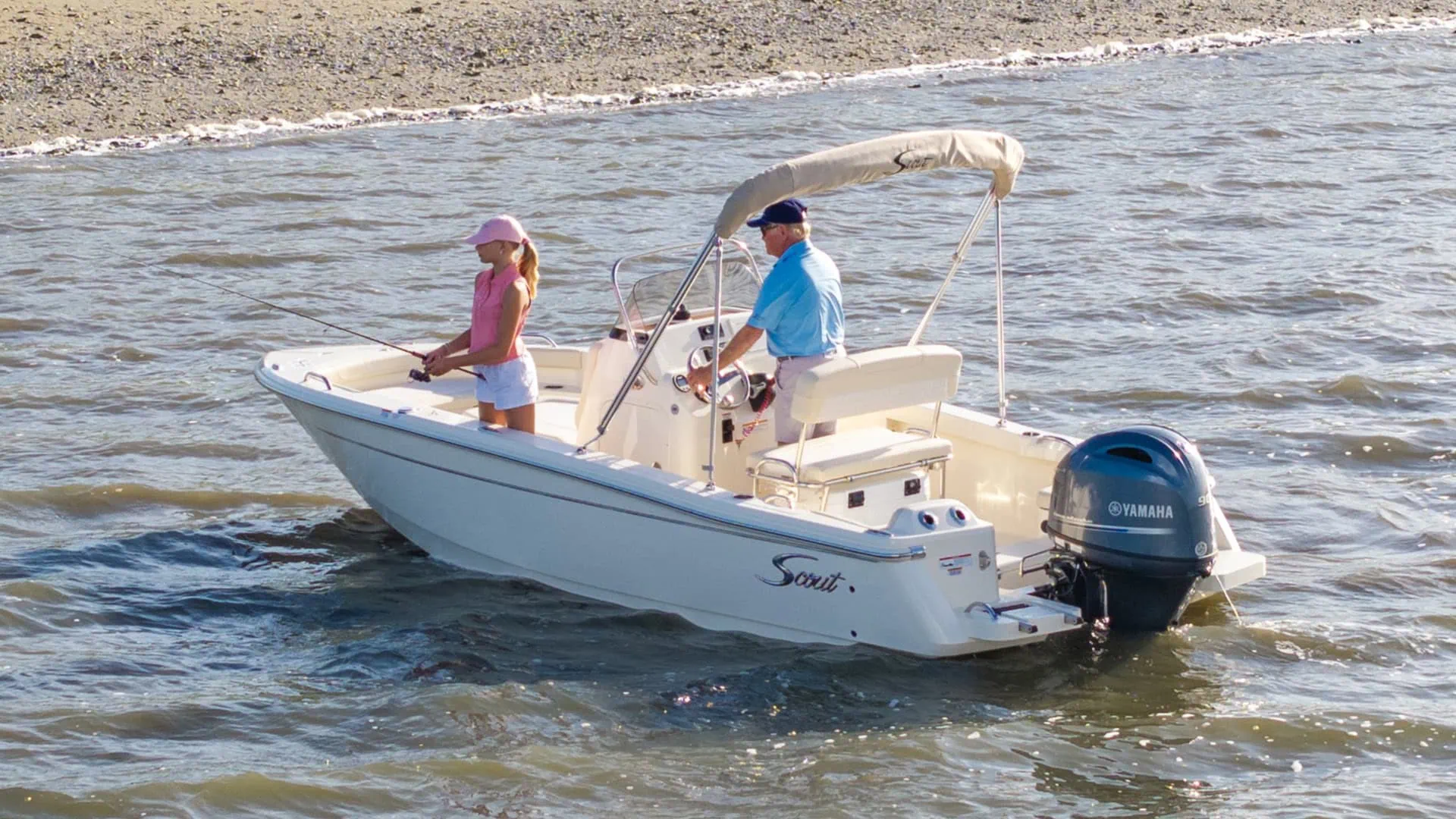

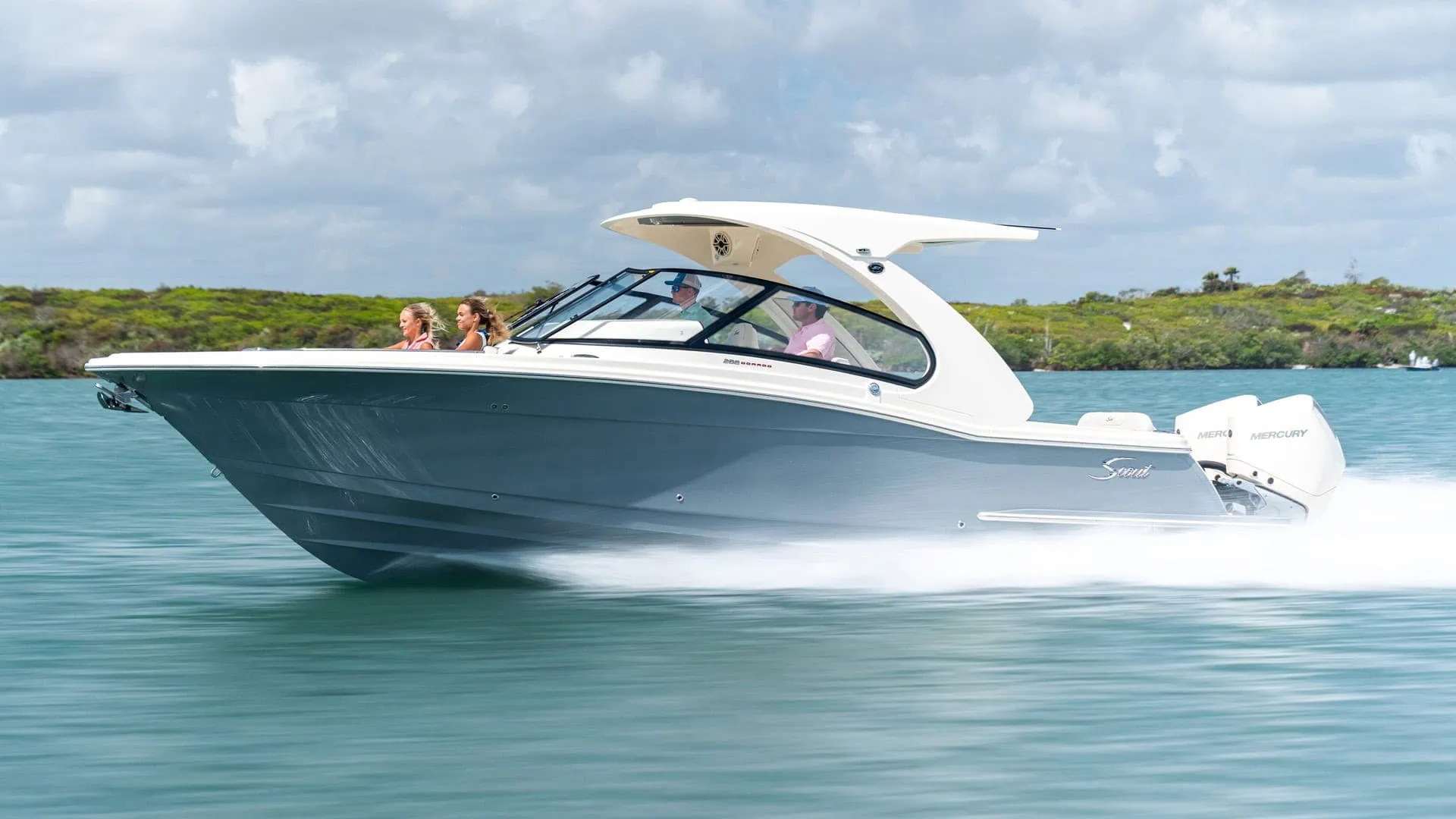


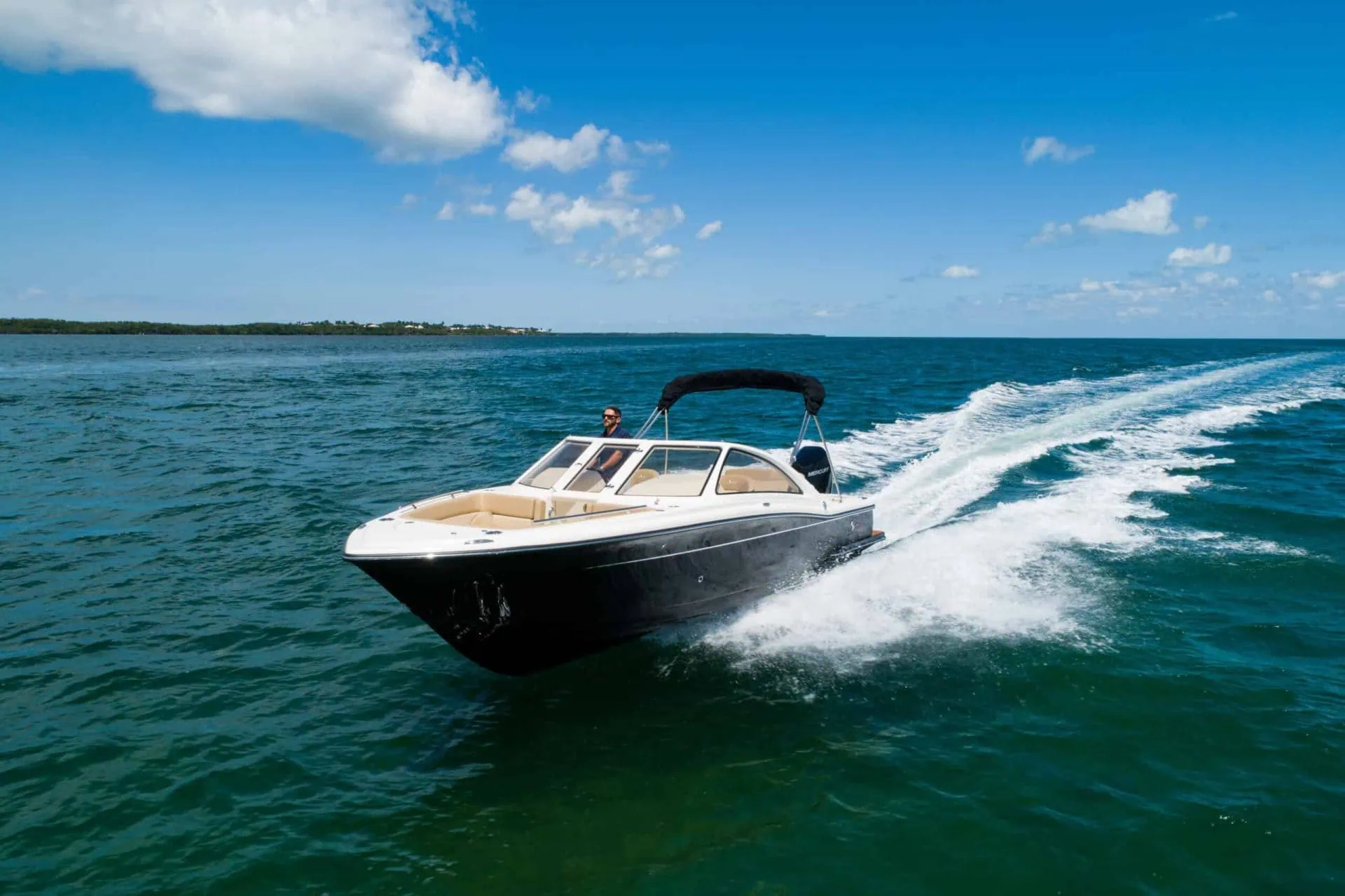
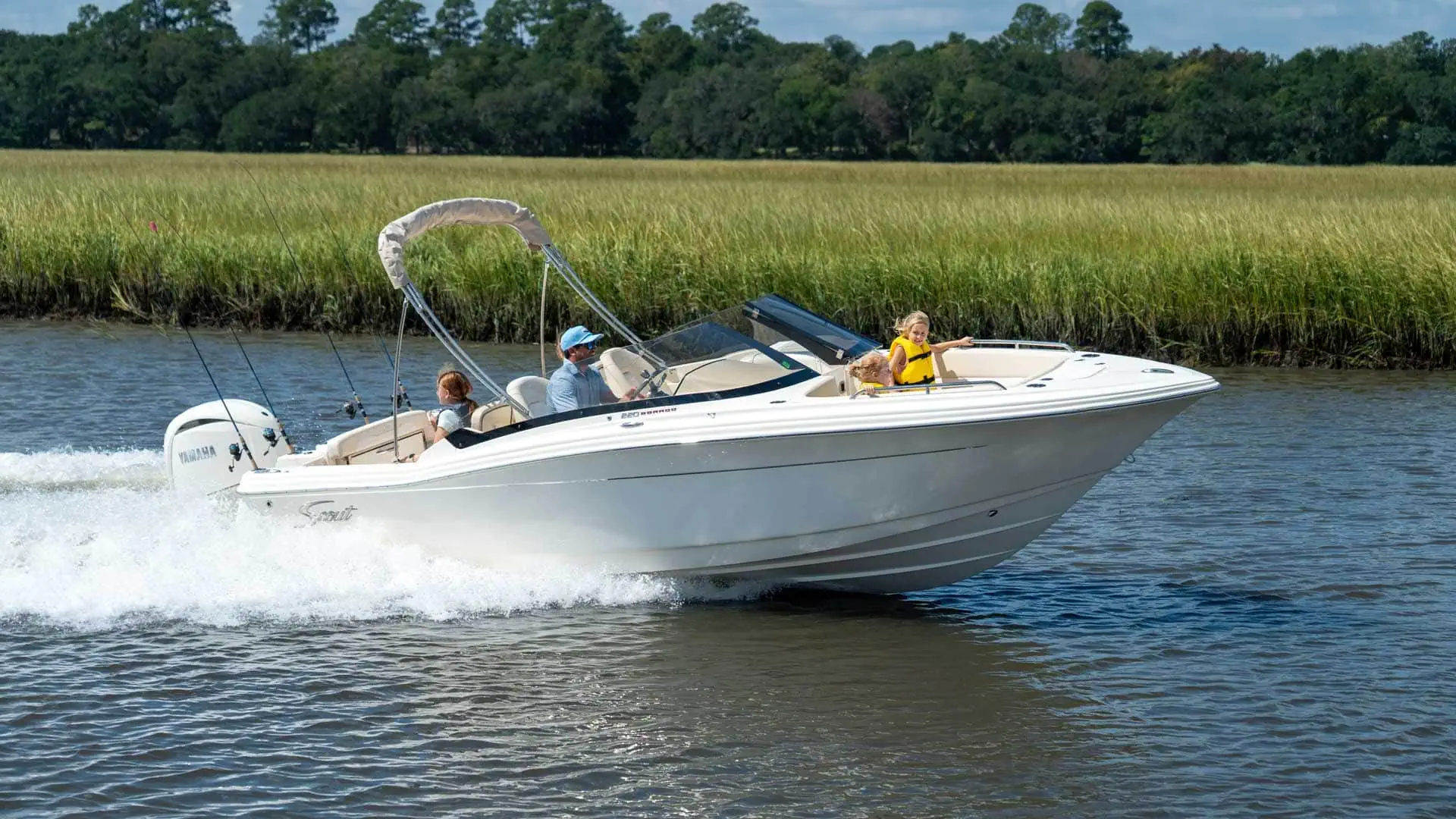


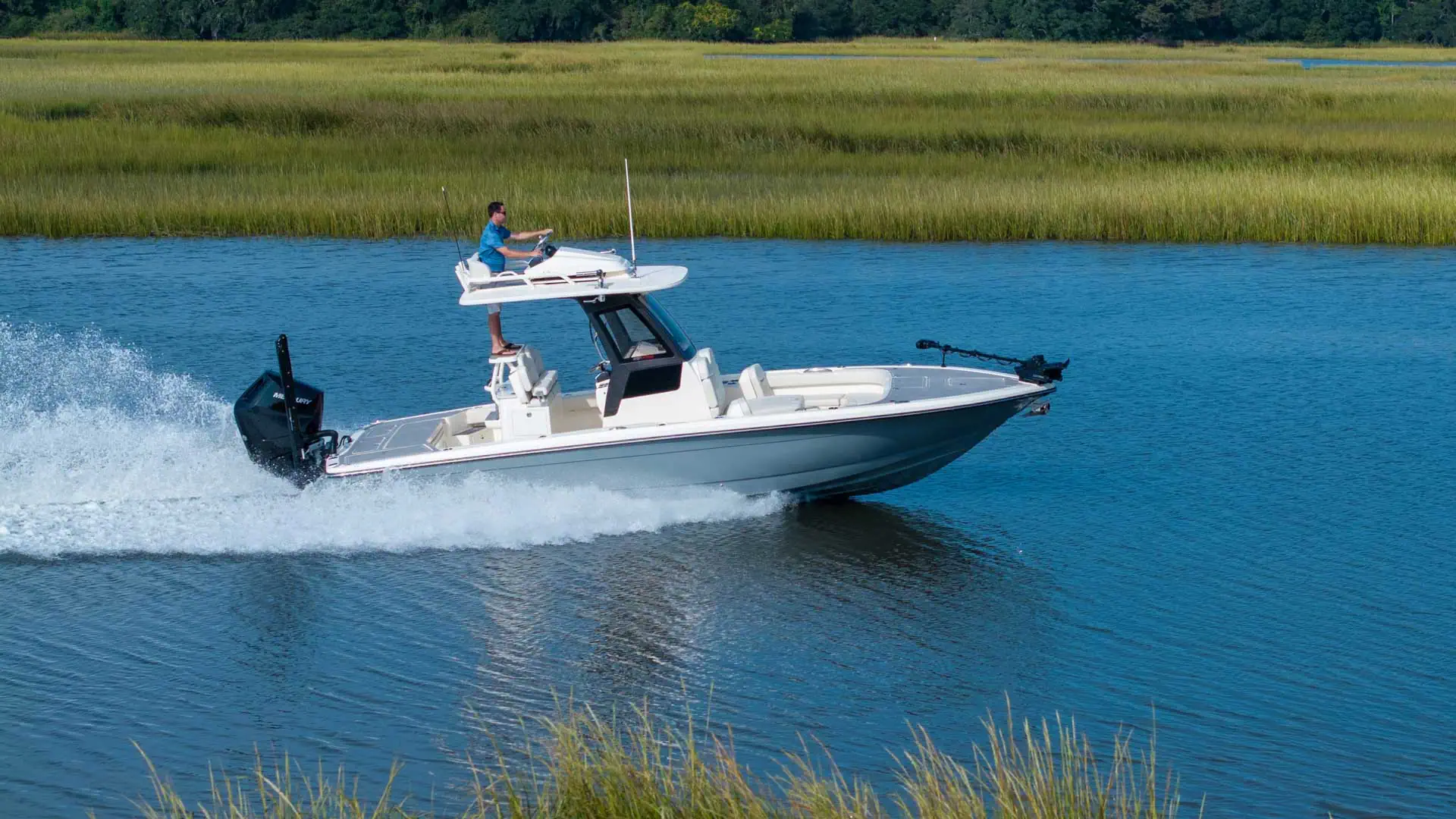

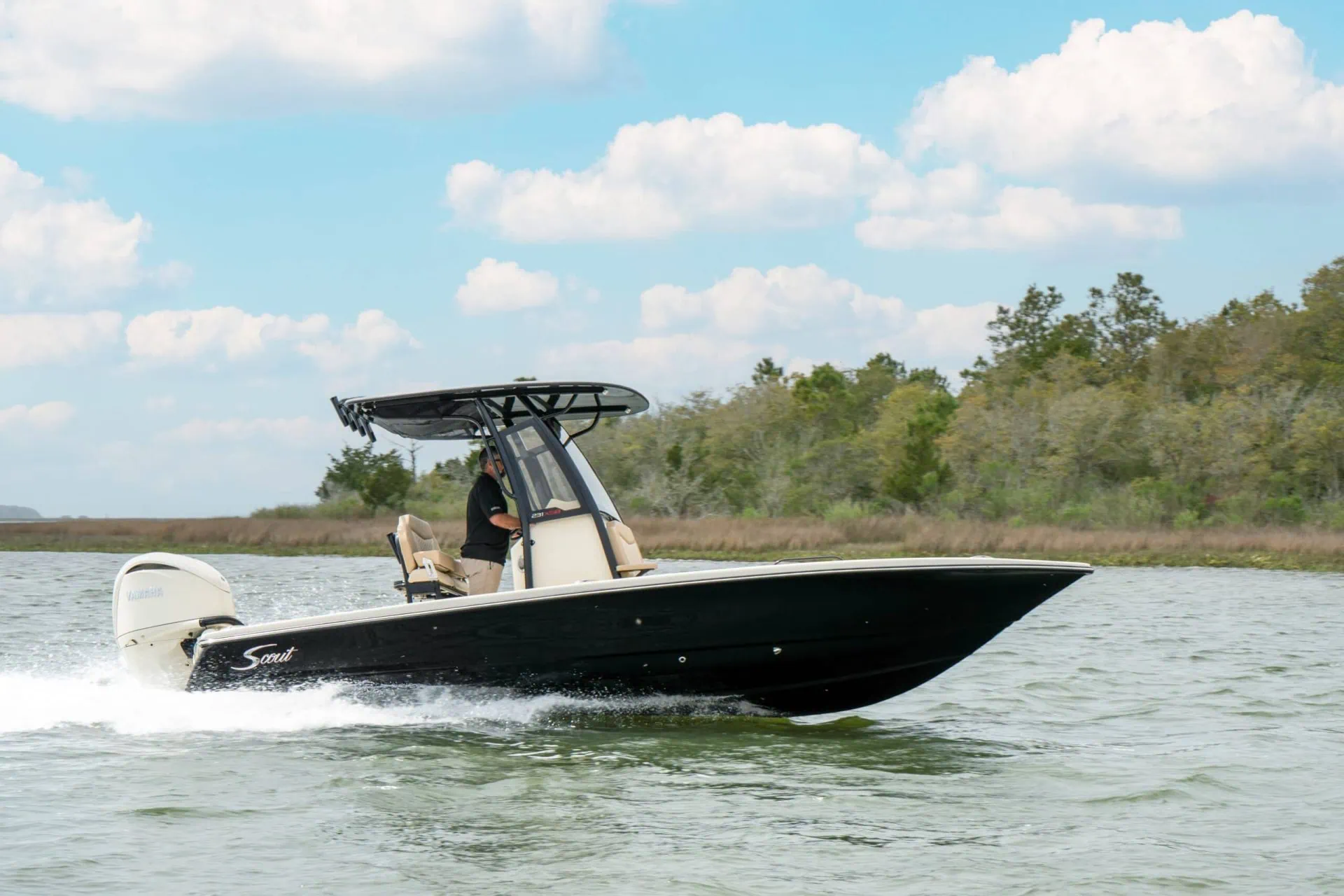


Docking and undocking a boat can be challenging under any circumstances, but windy conditions introduce an extra layer of complexity. Strong gusts can push your boat off course, making even small mistakes costly. For many boaters, windy dockside maneuvers are a source of stress—but with preparation, patience, and the right techniques, they can be handled safely and confidently. At Scout Boats, we’ve compiled our expert advice to help you master these tricky situations.
Plan Ahead and Assess Conditions
Before you even start moving toward the dock, take a moment to evaluate the conditions. Wind direction and speed can dramatically influence your approach. A gust coming from the side can push your boat away from the dock—or worse, slam it against the pilings. Observing local water traffic is also critical; other boats may behave unpredictably in the wind.
Preparation doesn’t stop at observation. Ensure all your dock lines are untangled and within reach, and position fenders along the sides of your boat to protect the hull. This proactive approach reduces last-minute scrambling and gives you time to focus on maneuvering the boat safely. Planning ahead allows you to react to wind shifts with precision, rather than panic.
Approach Slowly and Use Engines Wisely
Once you’re ready to approach the dock, slow and steady wins the day. Rapid acceleration in windy conditions makes your boat harder to control, especially when crosswinds push against your hull. A gentle, controlled throttle gives you the ability to make small corrections without overcompensating.
Approaching at a slight angle—roughly 20–30 degrees—often works best. This allows you to pivot the boat into position while minimizing the wind’s lateral effect. Keep your engines ready; even small bursts of forward or reverse thrust can counter unexpected gusts, helping you maintain control. By taking your time and respecting the conditions, docking becomes far less stressful.
Use Wind to Your Advantage
Wind doesn’t always have to be an obstacle. Experienced boaters can use it to their benefit. For instance, heading into the wind naturally slows your boat and improves steering response. In some cases, a strong side wind can help guide your stern toward the dock if you adjust your approach carefully.
The key is understanding how your boat reacts to wind. Each Scout Boat model is engineered for responsive handling, giving you the ability to leverage environmental forces rather than fight them. Over time, you’ll develop an intuitive sense of how wind interacts with your vessel, allowing smoother, more controlled docking.
Communicate With Your Crew
Even in small boats, docking in the wind is rarely a solo task. Clear communication among crew members is essential. Assigning roles for line handling, fender placement, and guidance from the dock keeps everyone coordinated.
Wind can make verbal instructions hard to hear, so establish hand signals or use a small radio system. Calm, patient communication reduces mistakes and prevents rushed decisions that could result in collisions. A coordinated crew transforms a stressful maneuver into a controlled, precise operation, allowing you to focus on the boat rather than the chaos around it.
Master Line Handling
Dock lines are your lifeline when dealing with wind. Using multiple lines—bow, stern, and spring lines—helps you secure the boat from all angles. At first, keep lines slightly slack; this allows the boat to adjust naturally to gusts without straining your lines or snapping fenders. Once your boat is safely positioned, gradually tighten lines to secure the vessel.
Proper line management is more than technique—it’s confidence. Knowing that your boat is safely tied allows you to focus on other aspects of docking, such as engine control and crew coordination, making windy conditions far less intimidating.
Undocking in Windy Conditions
Departing the dock in wind requires the same level of planning as approaching. Start by assessing the wind direction and current. Pushing off into the wind or using reverse thrust to pivot the boat can help maintain control. Fenders remain essential during departure, as the boat may swing unexpectedly.
Avoid sudden acceleration. A steady, controlled speed reduces the chance that the wind will push your boat off course. Many boaters find that practicing undocking in calm conditions builds muscle memory and confidence, making windy departures far more manageable.
Practice Makes Perfect
Docking and undocking in the wind isn’t just about following steps—it’s about building experience. Each maneuver helps you understand how your boat reacts to gusts and currents. Scout Boats are designed for stability and responsive handling, giving you the confidence to practice and improve your technique. With repetition, these challenging scenarios become second nature.
Build Your Scout Boat Today
For boaters who value control, reliability, and performance, a Scout Boat can make docking in wind much easier. Our range of luxury sportfishing and recreational boats is engineered to handle challenging conditions with ease. Explore our models today to find the vessel that will elevate your boating experience. Visit Scout Boats to learn more.
FAQ: Docking in Windy Conditions
What wind speed is too risky for docking?
While conditions vary, wind over 20 knots can be challenging for most boats. Always check your vessel’s handling limits.
Should I approach the dock bow or stern first?
Generally, approach into the wind with the bow first. This gives you better control and reduces drifting.
How can I prevent my boat from hitting the dock in strong gusts?
Use fenders, approach slowly, and have crew ready with lines to make quick adjustments.
Is it safer to dock alone or with a crew?
A crew improves safety and efficiency, especially in windy conditions, as multiple tasks can be handled simultaneously.
Can Scout Boats handle windy docking better than other brands?
Yes, Scout Boats are engineered for responsive handling and stability, making docking and undocking in challenging conditions more manageable.