










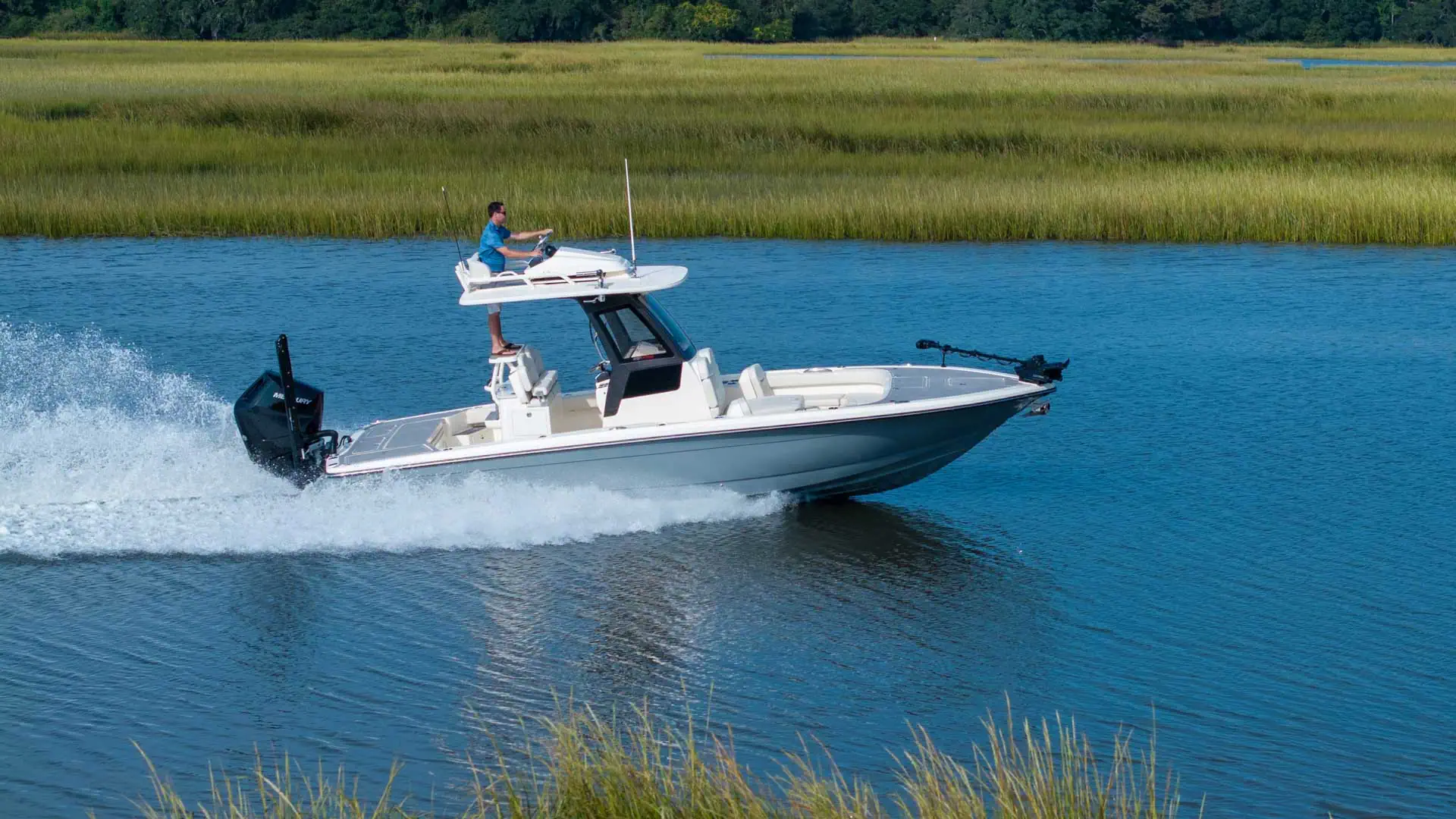

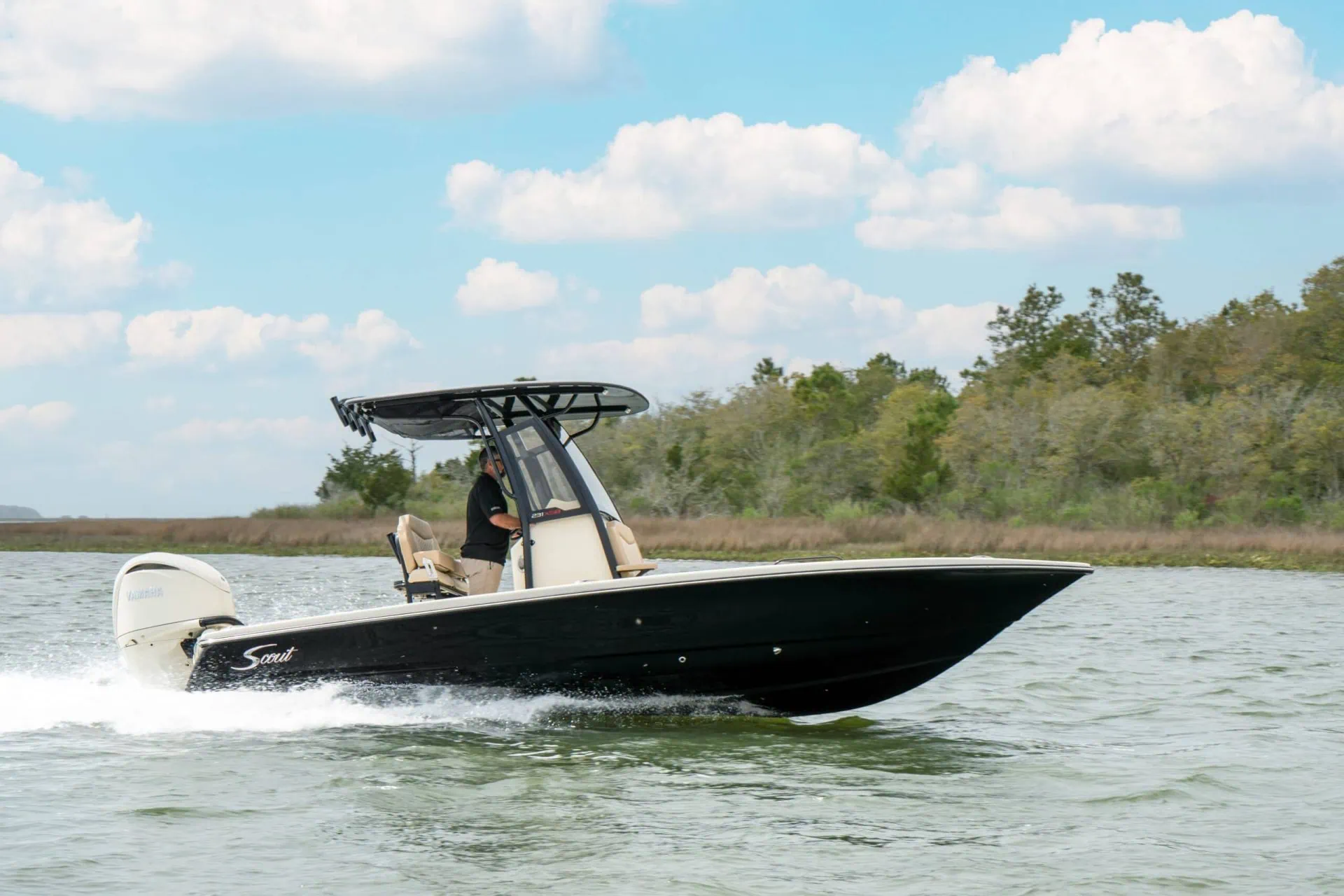

For anglers, few places offer the thrill and variety of fishing that inlet channels and estuaries provide. These dynamic waters are where saltwater meets freshwater, creating nutrient-rich habitats that attract a wide range of fish species. From thriving striped bass and redfish to flounder and trout, estuaries and inlets offer a unique fishing experience that combines accessibility, diversity, and scenic beauty.
Whether you’re a weekend angler or a seasoned sportfisher, knowing which spots deliver consistently excellent catches can make all the difference. Below, we highlight some of the must-visit inlet channels and estuaries along the U.S. coast, along with tips to help you maximize your time on the water.
Why Anglers Love Inlets and Estuaries
Inlets and estuaries are natural magnets for fish due to the constant flow of nutrients and tidal movement. Some key reasons these waters are so productive include:
- High oxygen levels: The mixing of fresh and saltwater creates oxygen-rich environments that attract baitfish.
- Abundant food supply: Shrimp, crabs, and small forage fish thrive in these areas, bringing in larger predatory species.
- Variety of habitats: Channels, sandbars, and marsh edges provide structure where fish congregate.
- Accessibility: Many inlets are near marinas or public boat ramps, making them convenient for day trips.
For anglers, understanding tidal patterns and water flow is crucial. Fish often move in response to rising or falling tides, so planning your outing around these cycles can dramatically increase your success rate.
Top Inlet Channels and Estuaries for Fishing
1. Chesapeake Bay – Virginia
One of the most famous estuaries on the East Coast, Chesapeake Bay offers anglers everything from striped bass to bluefish. Key spots include the Chesapeake Bay Bridge-Tunnel area and the James River estuary. Spring and fall migrations are particularly productive for trophy-sized striped bass.
Tip: Focus on channel edges during the incoming tide for the best chance of hooking striped bass.
2. Cape Fear River Estuary – North Carolina
The Cape Fear River estuary is a hotspot for red drum, flounder, and spotted sea trout. Its complex network of creeks and tidal rivers creates sheltered areas that are perfect for wade fishing or boat excursions.
Tip: Use topwater lures in shallow creeks during early morning or late evening for aggressive strikes.
3. Indian River Lagoon – Florida
Stretching along Florida’s Atlantic coast, the Indian River Lagoon is a haven for snook, redfish, and tarpon. Mangroves, oyster bars, and tidal flats offer diverse habitats and excellent cover for game fish.
Tip: Early spring is ideal for targeting redfish in the flats, while late summer often brings trophy snook closer to mangrove edges.
4. Galveston Bay – Texas
Galveston Bay combines estuary and inlet fishing with easy access to open Gulf waters. Anglers can target speckled trout, redfish, and flounder, especially near jetties and channel edges.
Tip: Pay attention to salinity changes, as fish often follow the freshest water flow during summer months.
5. Narragansett Bay – Rhode Island
For those in the Northeast, Narragansett Bay offers productive estuary fishing for striped bass, bluefish, and summer flounder. Tidal coves and channel drop-offs are excellent starting points.
Tip: Spring and fall are prime seasons for striped bass runs. Use live bait near channel edges for best results.
Fishing Tips for Inlets and Estuaries
- Understand tides and currents: Fish are often most active during the moving tide. Incoming tides typically push baitfish and predators closer to the shore.
- Use structure to your advantage: Channels, jetties, and sandbars are natural ambush points for predatory fish.
- Vary your tackle: Light spinning gear is ideal for shallow flats, while medium-heavy setups are better for deeper channels.
- Observe bird activity: Seagulls, pelicans, and terns often indicate feeding fish near the surface.
- Practice patience and persistence: Estuary fishing requires paying attention to subtle changes in water temperature, salinity, and current.
Safety and Navigation Considerations
Inlets can be tricky to navigate, particularly around shifting sandbars and strong tidal flows. Always:
- Check local tide charts before launching.
- Be aware of channel markers and buoys.
- Maintain a safe distance from commercial shipping traffic.
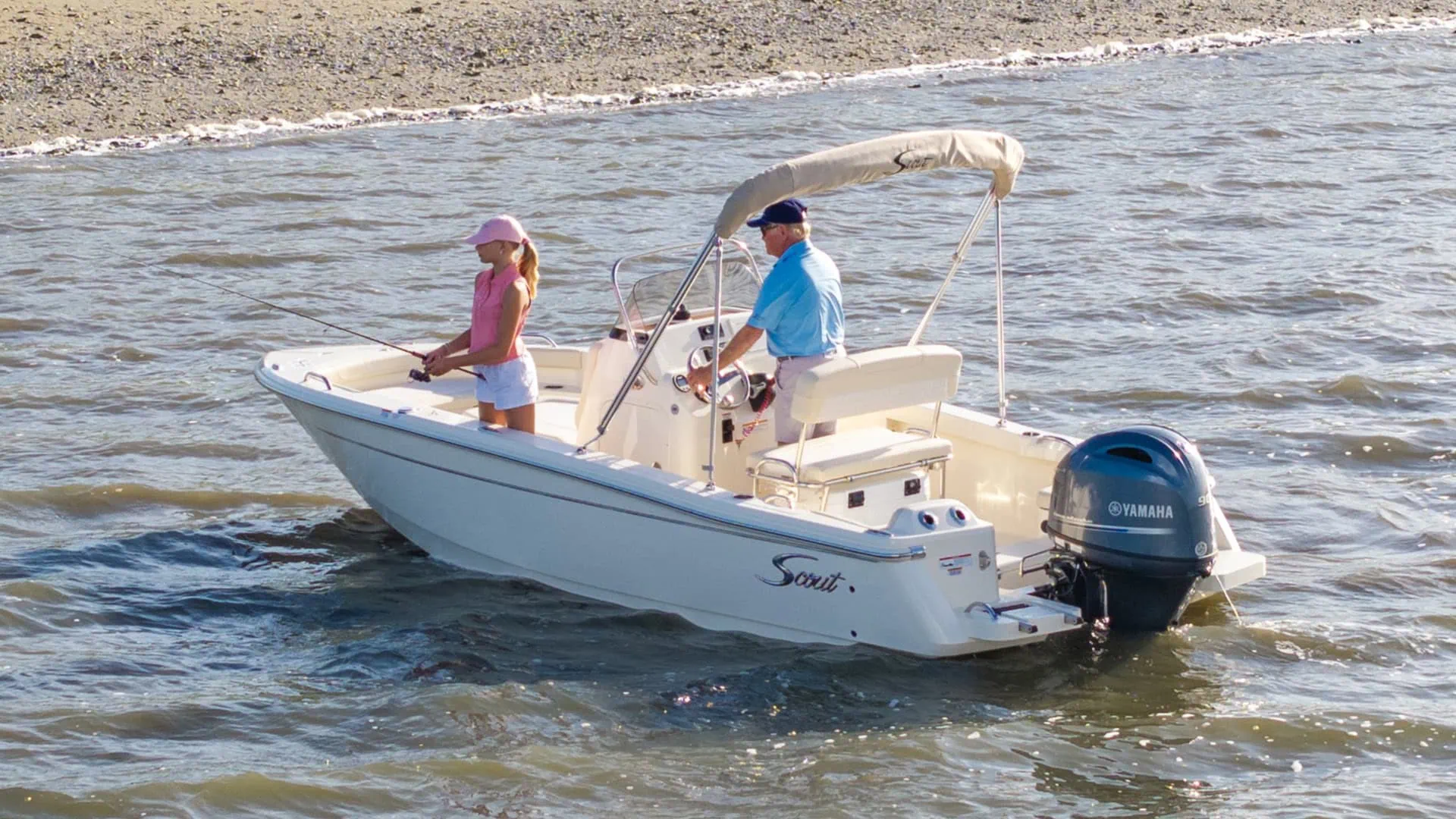
- Wear life jackets and ensure your Scout Boat is equipped with safety gear.
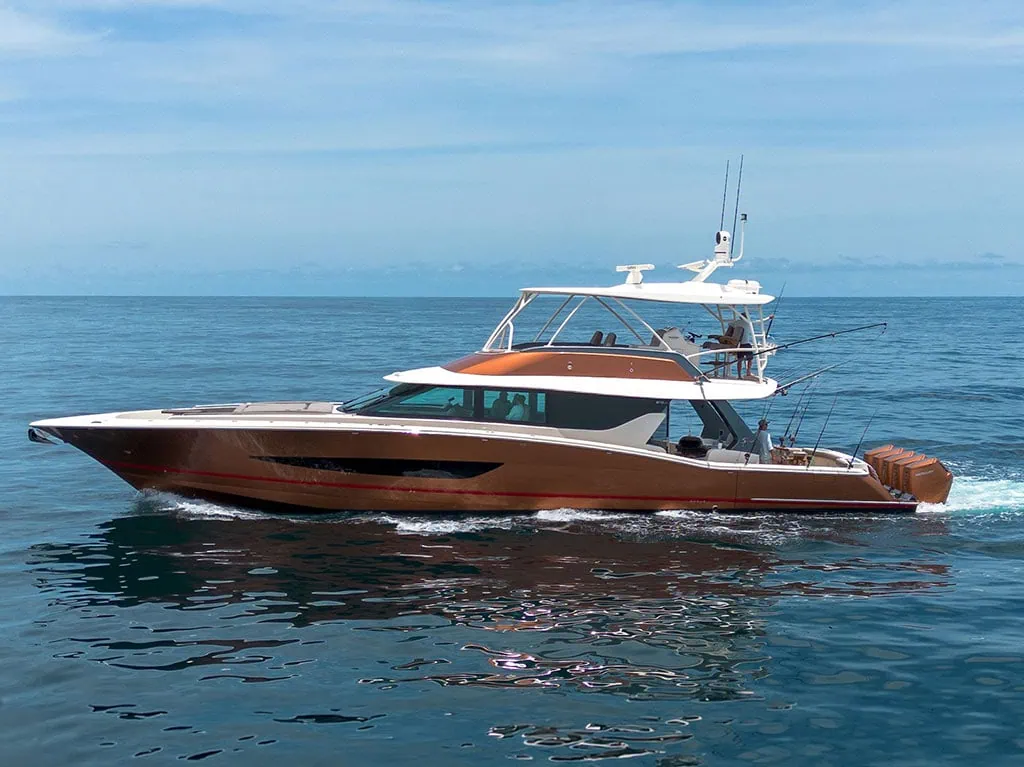
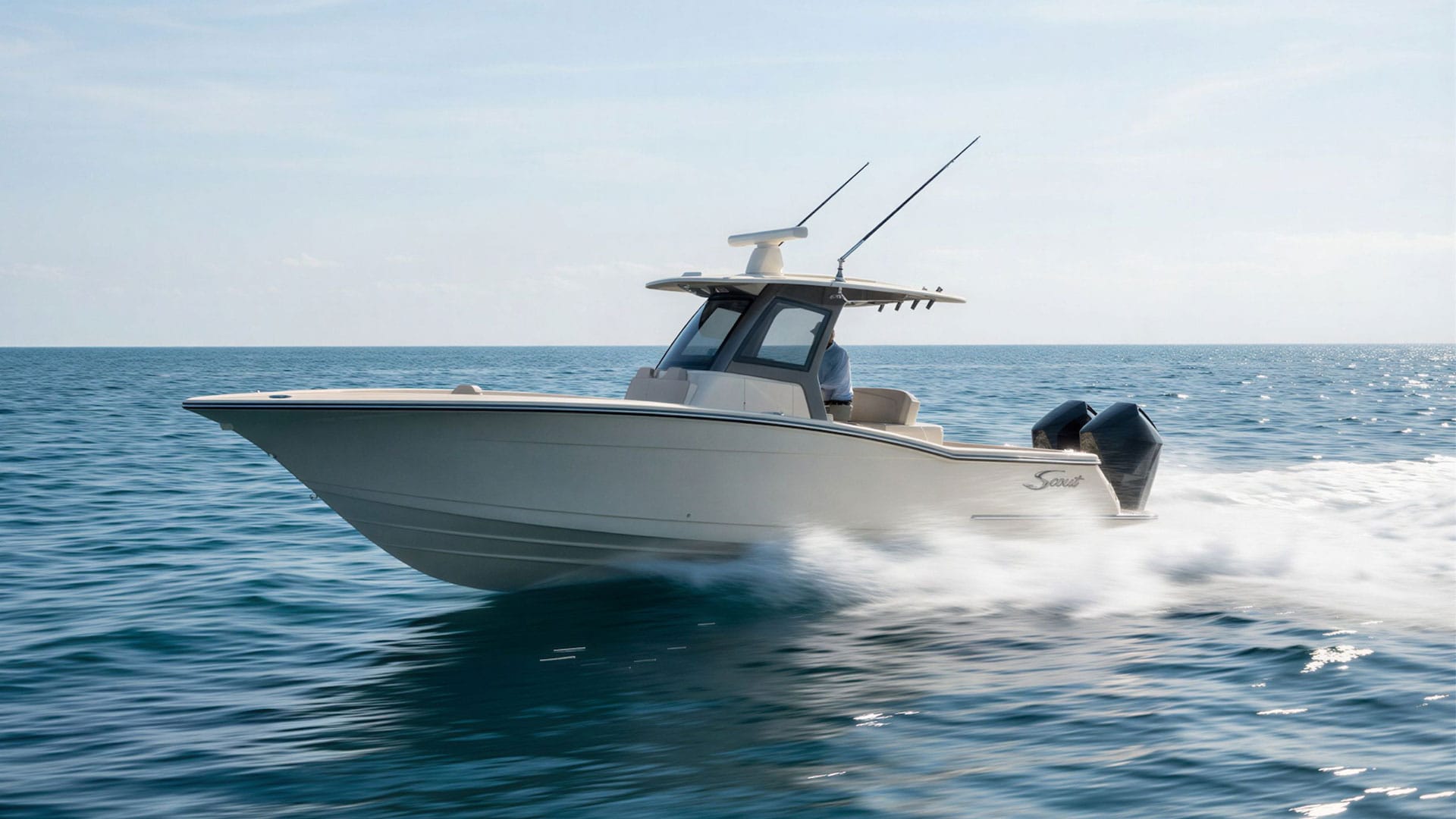
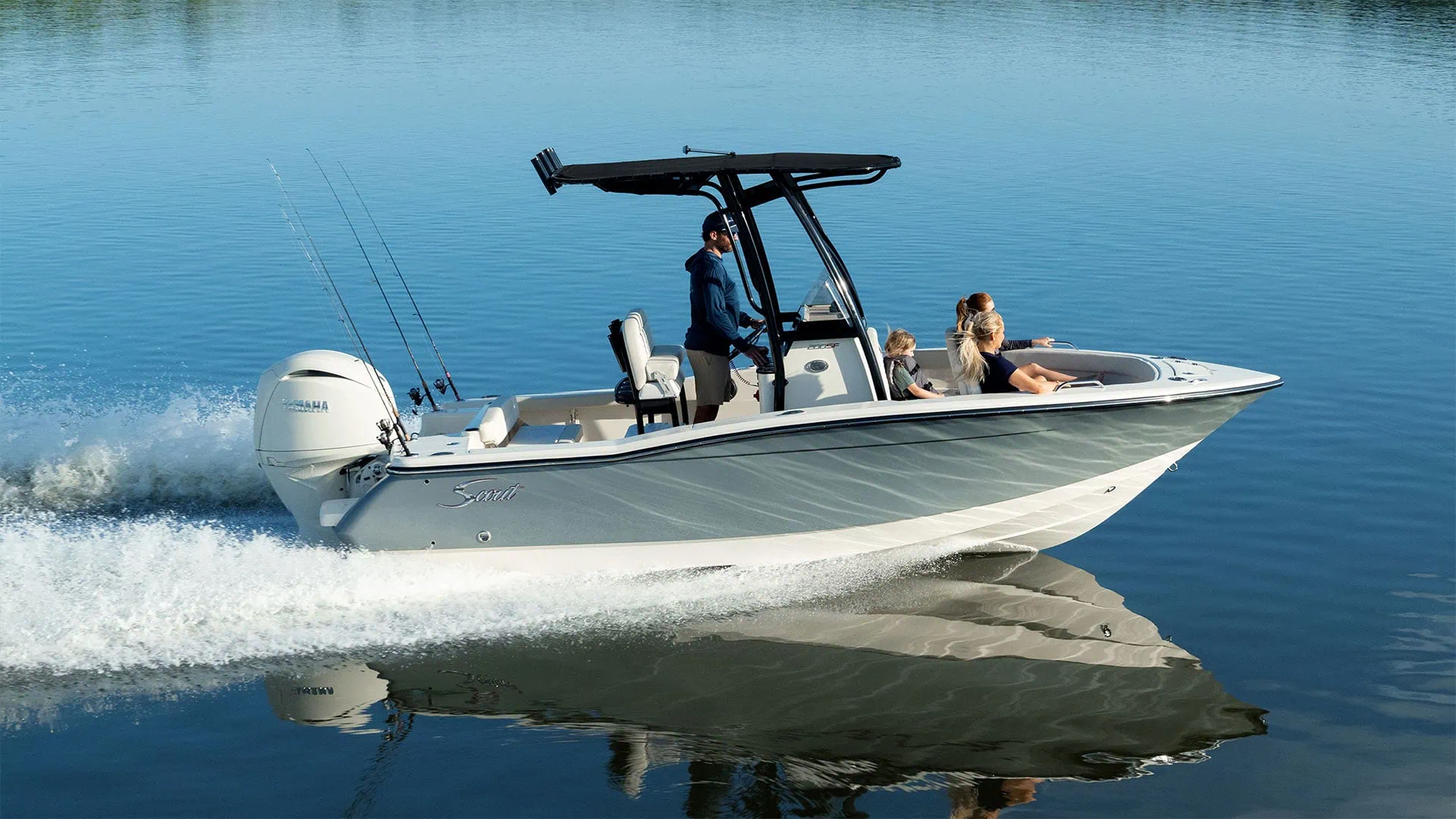
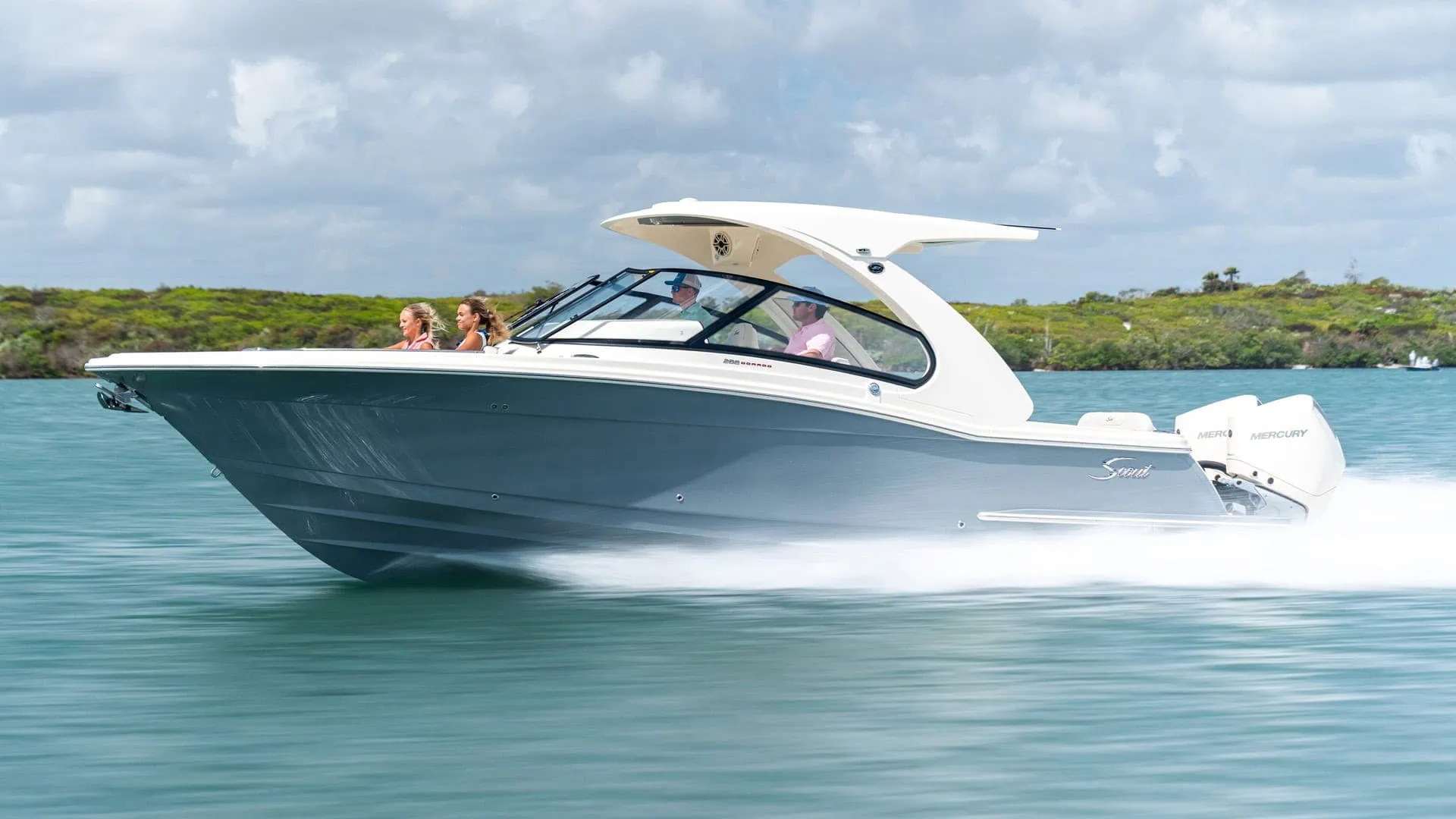
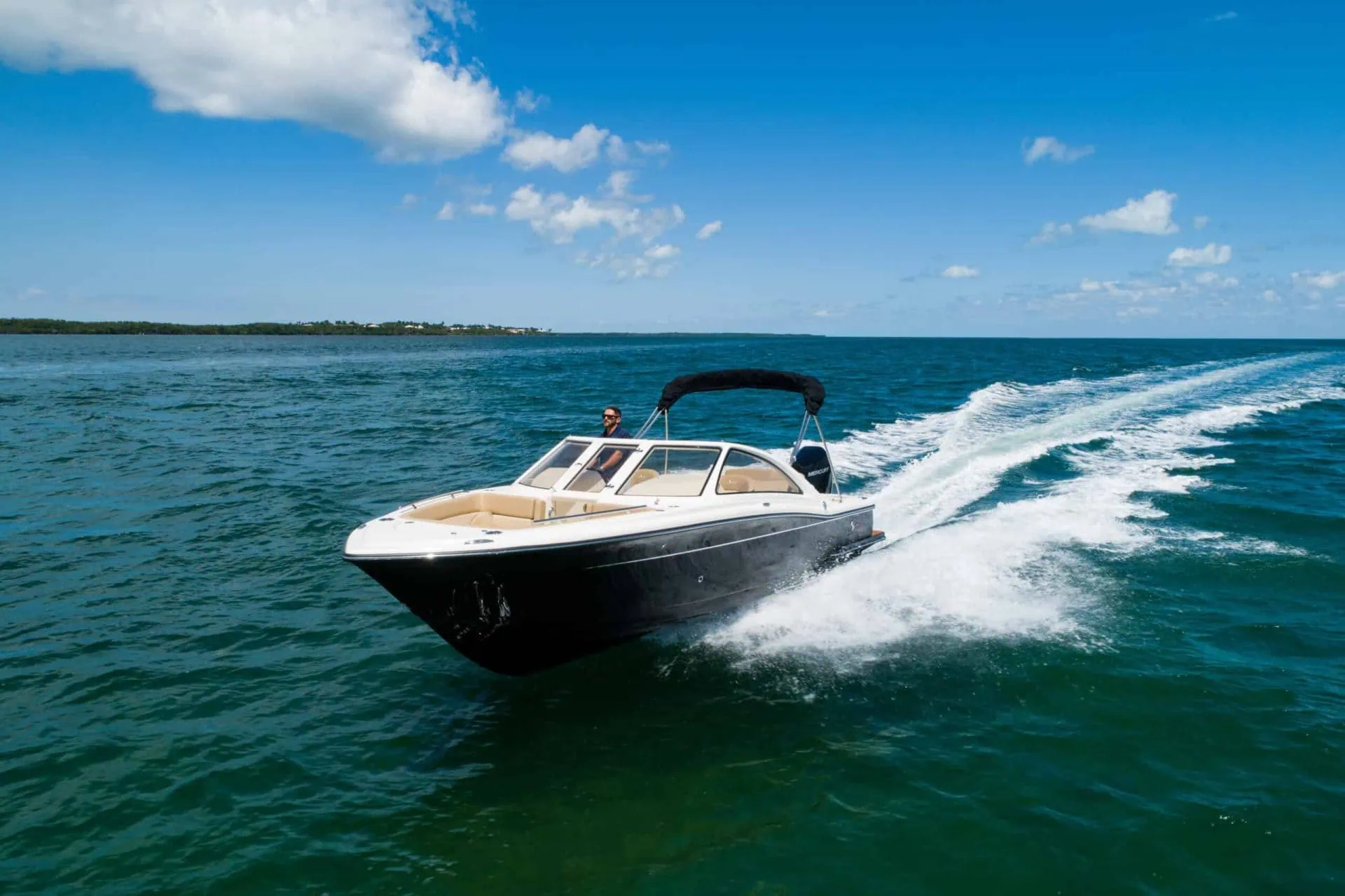
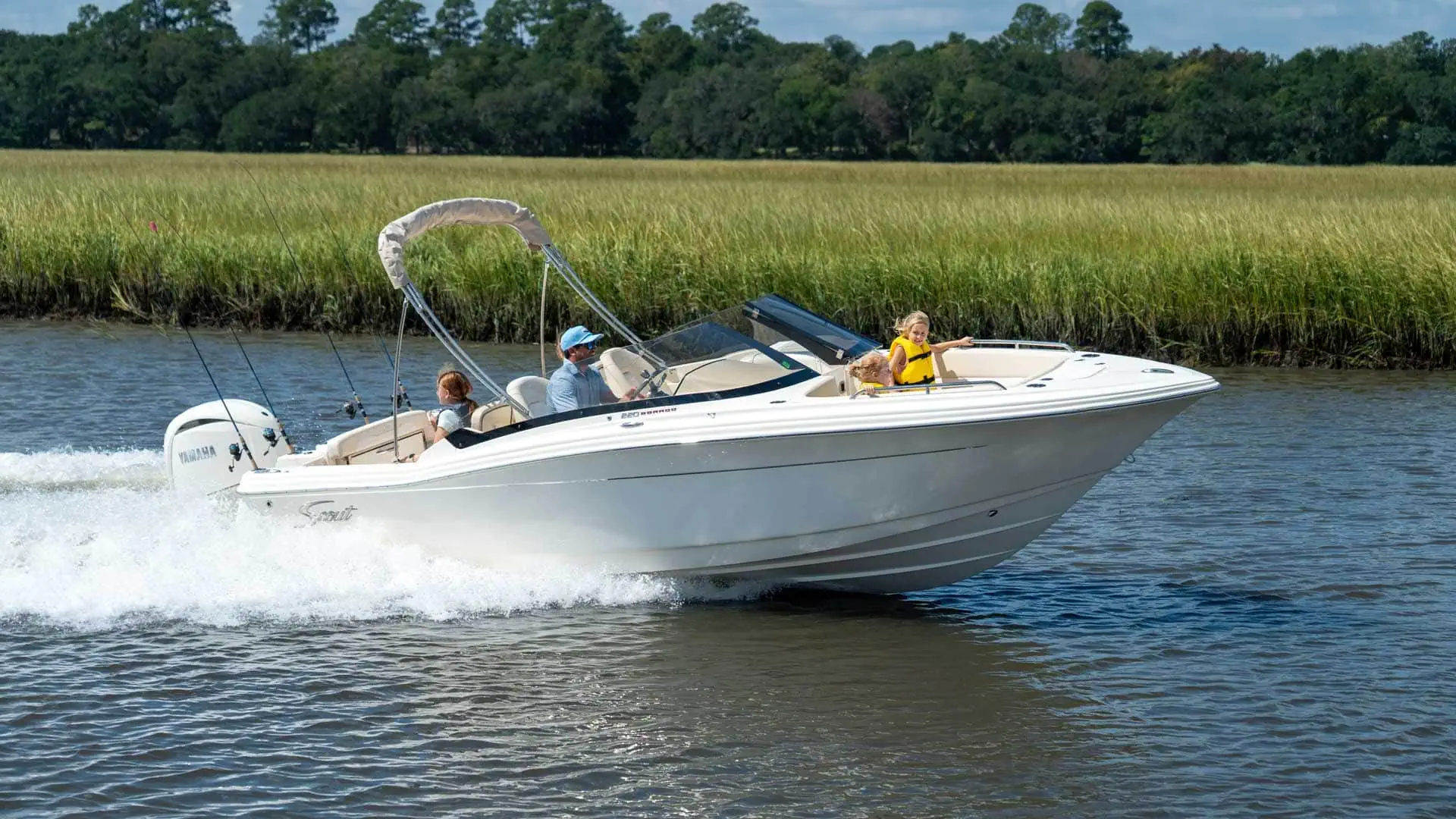
Scout Boats are designed to handle the diverse conditions of inlets and estuaries, giving you the confidence to focus on your fishing rather than worrying about your ride.
Find the Right Scout Boat Today
Exploring these productive waters is even more rewarding when you have the right vessel. Scout Boats offers a range of models designed for coastal and estuary fishing, combining stability, speed, and comfort. Whether you’re navigating narrow channels or casting along tidal flats, Scout Boats makes it easier to reach your favorite fishing spots safely and efficiently. Check out our full lineup to find the perfect boat for your next adventure.
FAQ: Inlet and Estuary Fishing
What’s the best time to fish in estuaries?
The best time is usually during moving tides—particularly the two hours before and after high or low tide.
Which species are most common in inlets?
Depending on the region, anglers can expect striped bass, redfish, flounder, spotted sea trout, bluefish, snook, and tarpon.
Do I need a special boat for inlet fishing?
While many boats can access these waters, a shallow-draft, stable, and well-equipped boat like a Scout Boat provides better safety, handling, and comfort.
Are live baits better than artificial lures in estuaries?
Both can be effective. Live bait often attracts more aggressive fish, but topwater and soft-plastic lures can be highly effective when fished near structure.