













Virginia’s coastline offers a remarkable diversity of sportfishing opportunities, from tranquil inshore bays to challenging offshore grounds. Anglers flock here year-round to chase prized species in both shallow estuaries and deep bluewater environments.
Whether you’re a seasoned angler or new to coastal sportfishing, understanding where to fish and how to prepare can elevate your experience. From Chesapeake Bay’s estuaries to the Atlantic’s offshore reefs, Virginia delivers action for every type of angler.
Below, we highlight some of the best coastal sportfishing spots in Virginia and what makes each destination unique.
Virginia Beach: Premier Offshore Access
Virginia Beach is a cornerstone of the Mid-Atlantic sportfishing scene. Its proximity to the Gulf Stream, roughly 50–70 miles offshore, provides access to bluewater species including tuna, mahi-mahi, wahoo, and billfish.
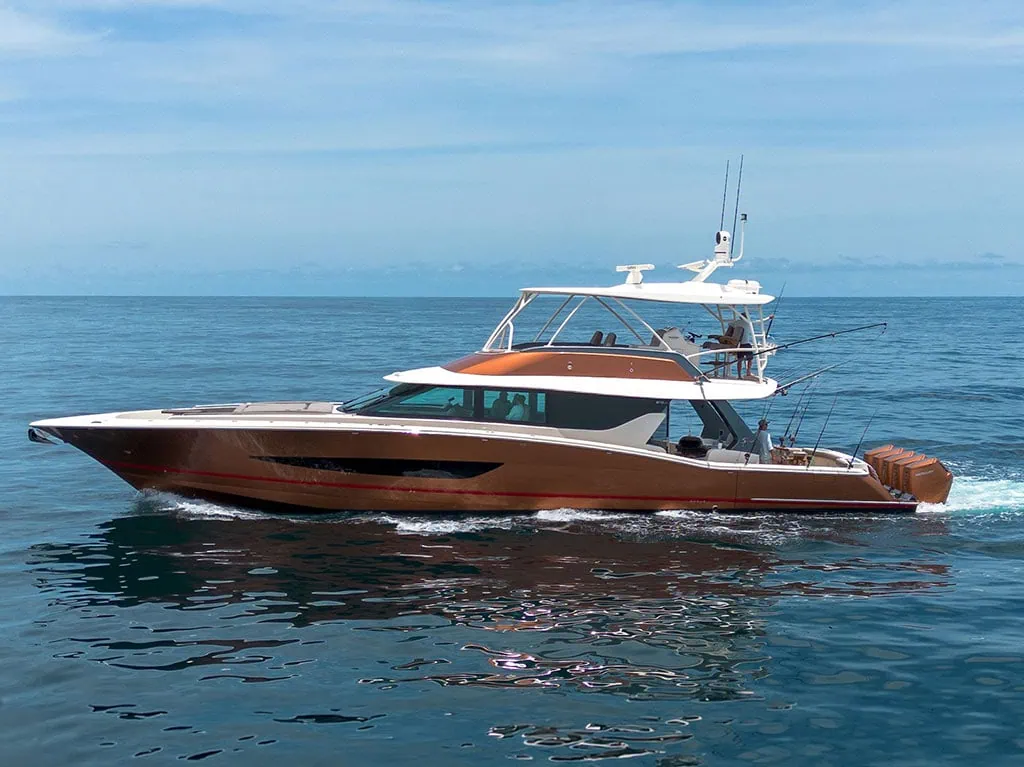
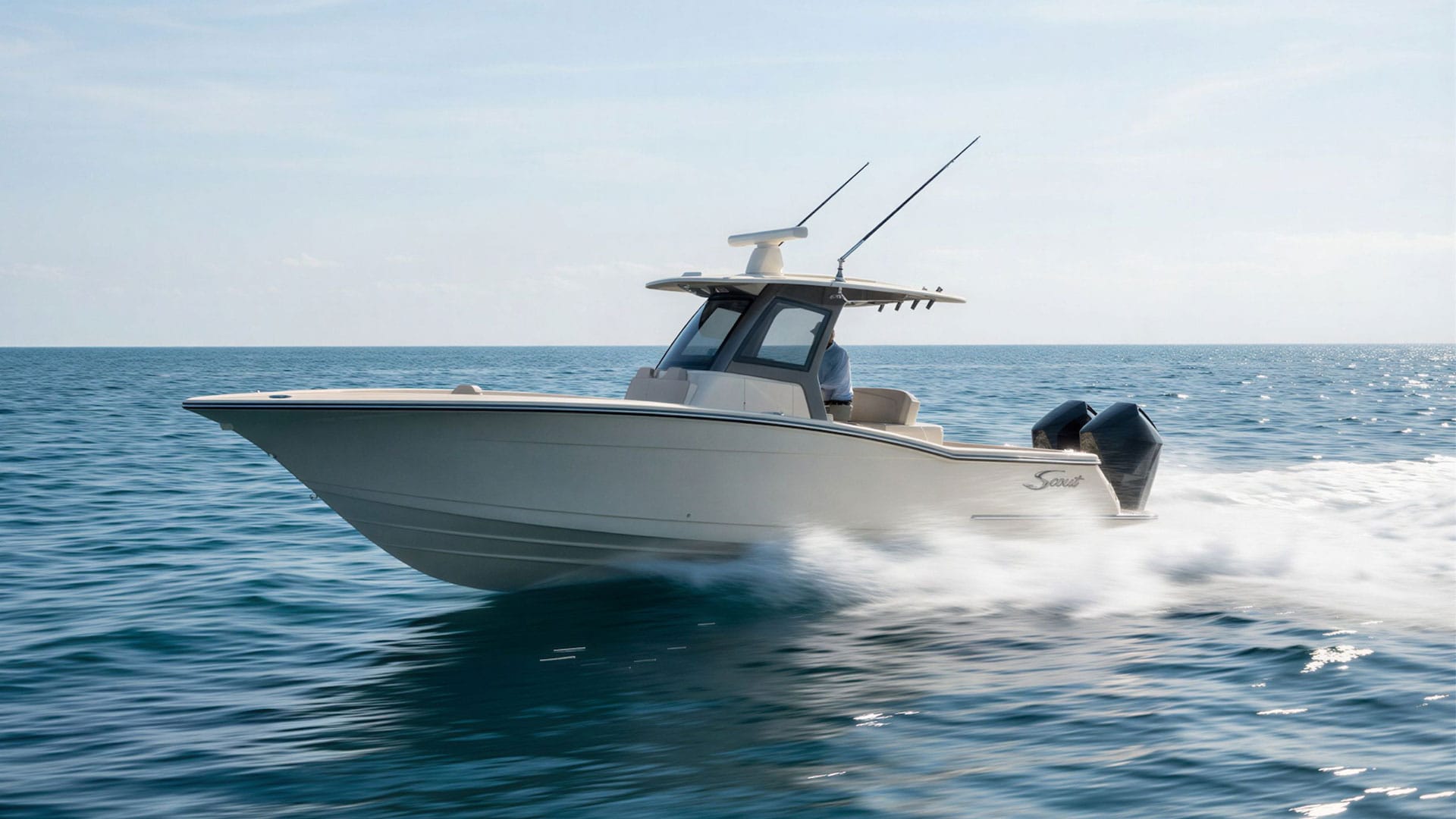
Nearshore, artificial reefs and wrecks attract king mackerel, cobia, and Spanish mackerel, particularly in late spring and summer. Anglers running offshore benefit from modern center consoles with advanced sonar and GPS chartplotters, which help locate bait schools and temperature breaks efficiently.
Inshore, the Back Bay and surrounding tidal creeks offer redfish, flounder, and speckled trout. Navigating these waters requires shallow-draft, stable boats to access flats and channels without sacrificing comfort.
Chesapeake Bay: Inshore & Estuary Excellence
Chesapeake Bay is an iconic destination for inshore sportfishing. Its vast tidal creeks, river mouths, and grass flats create ideal habitat for red drum, striped bass, and flounder.
Fall brings the migration of trophy striped bass, while summer offers consistent redfish action in the shallower estuaries. Sight-casting along tidal grass lines or around oyster beds is a technical challenge that rewards careful timing and precision.
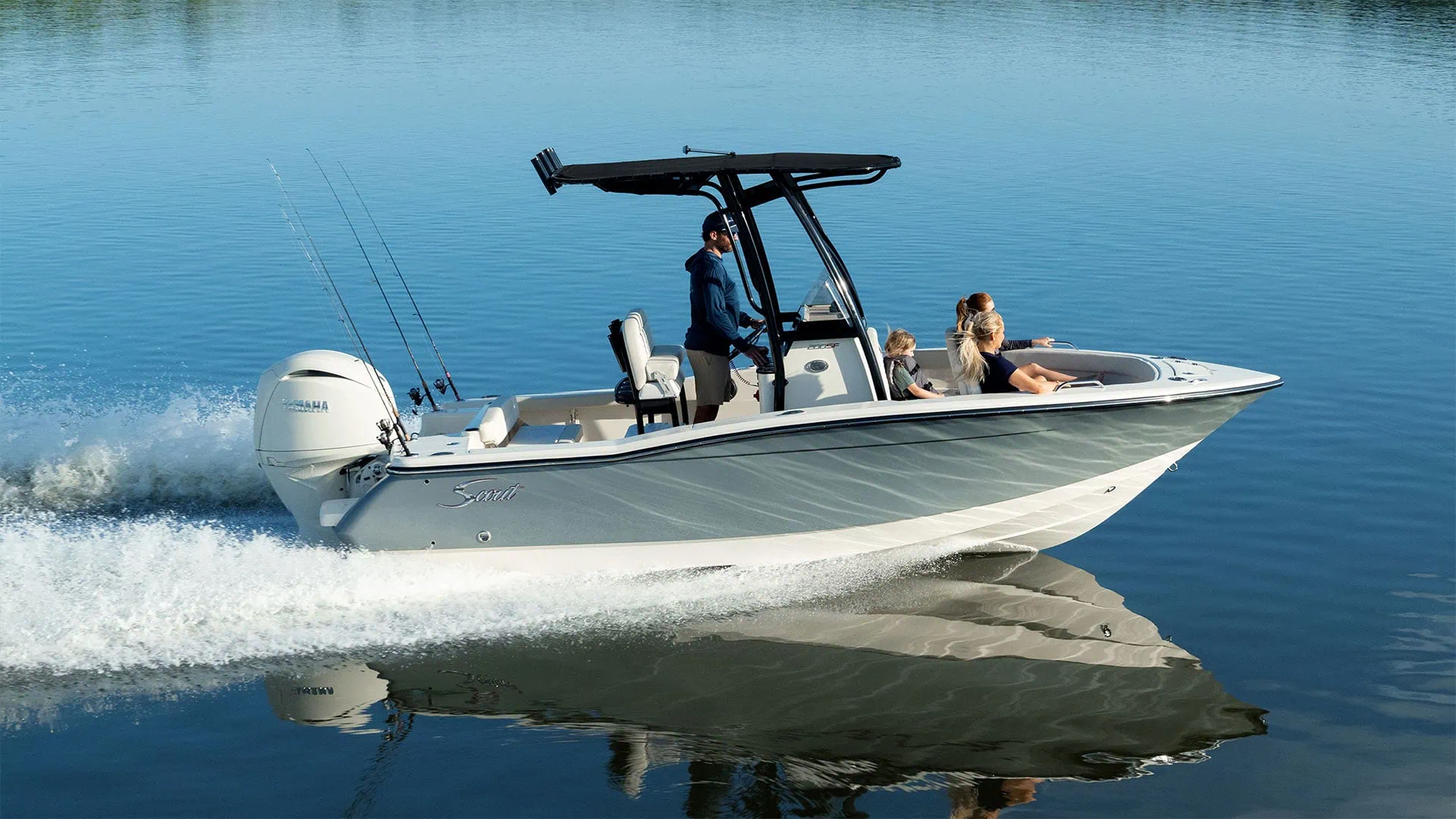
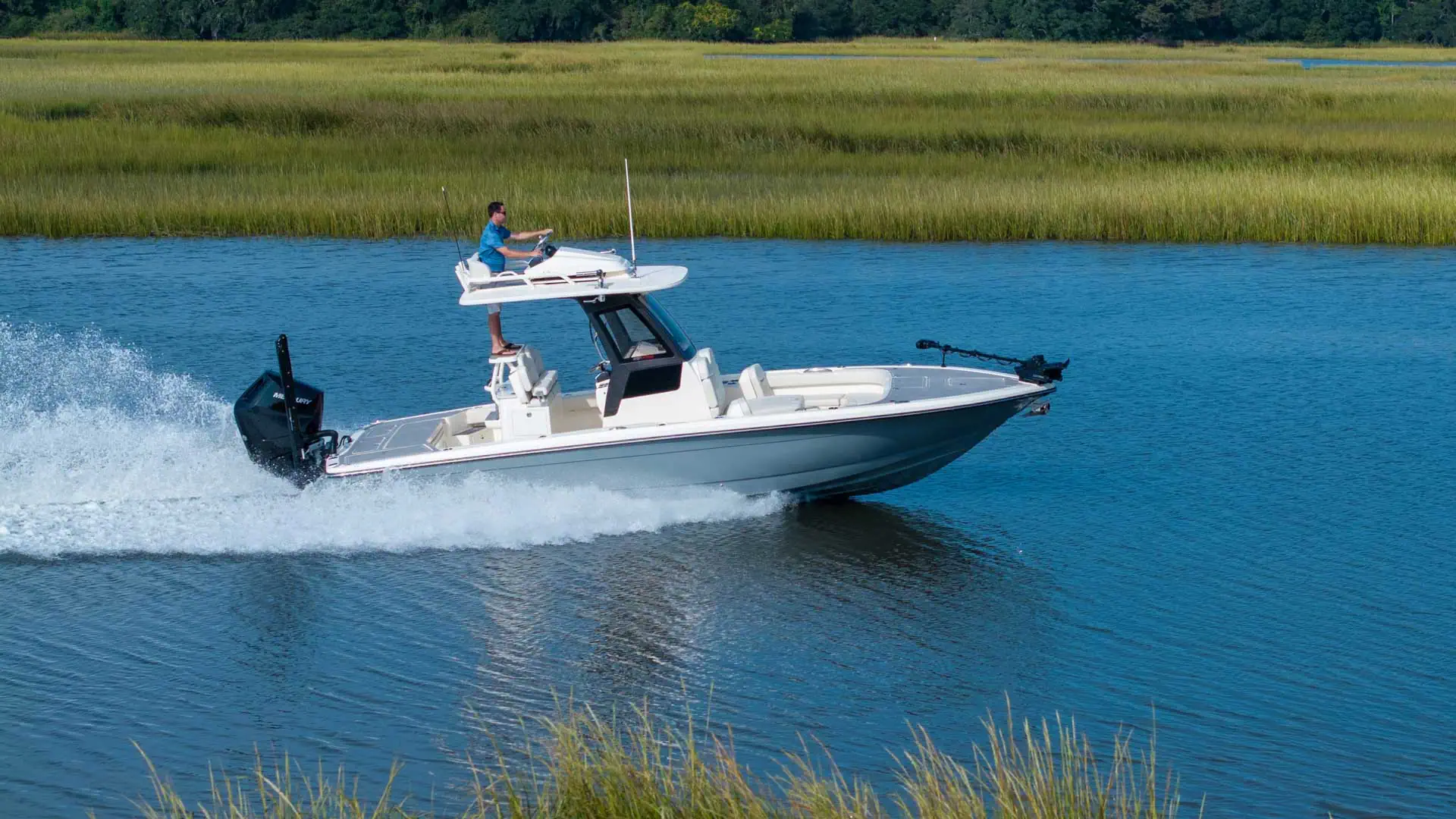
Shallow-draft boats with responsive handling excel here, allowing anglers to explore skinny water while remaining stable and comfortable during long days on the water.
Cape Charles & Eastern Shore: Quiet, Productive Waters
The Eastern Shore of Virginia, including Cape Charles, provides a more secluded sportfishing experience. The area’s combination of salt marshes, creeks, and open bays supports a wide variety of species, including speckled trout, redfish, black drum, and striped bass.
This region is particularly appealing to anglers seeking less crowded waters and the chance to refine their techniques. Flood and ebb tides reveal hidden flats and channels, offering technical challenges and rewarding sight-fishing opportunities.
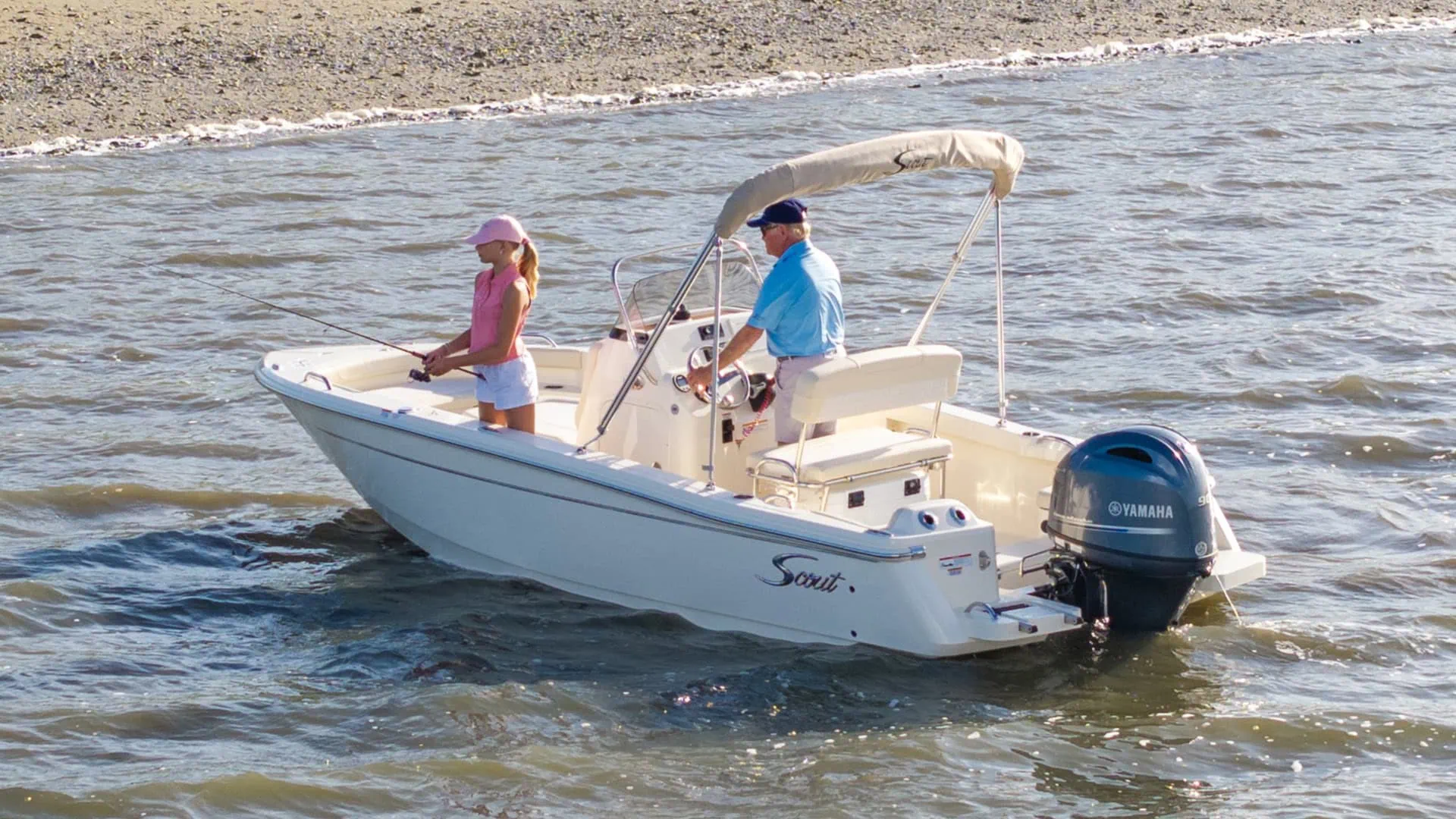
Boats with shallow drafts and versatile layouts allow anglers to access these areas safely and comfortably, even in less-charted waters.
Sandbridge & North Landing River: Targeting Trophy Species
Sandbridge Beach and the nearby North Landing River are excellent spots for targeting trophy-sized fish. Inshore anglers can find redfish schooling along tidal flats, while speckled trout and flounder hunt near oyster beds and channel edges.
North Landing River’s quieter waters provide space for both family outings and focused fishing trips. Calm mornings transitioning to afternoon winds make it important to choose a boat designed for performance, comfort, and stability.
Techniques for Virginia Coastal Fishing
Fishing Virginia’s coast requires adaptability. Seasonal water temperatures influence species migration and feeding patterns, so understanding local trends improves success.
Inshore techniques often involve:
- Casting soft plastics, shrimp, or topwater lures near structure
- Sight-casting along grass flats and oyster beds
- Timing tides for optimal fish activity
Nearshore and offshore techniques include:
- Trolling for king mackerel, cobia, and tuna
- Bottom fishing over reefs and wrecks for snapper and grouper
- Using advanced electronics to track bait, water temperature, and structure
Boat positioning, hull stability, and integrated electronics are crucial for efficiency and comfort, especially when conditions shift quickly.
Why the Right Boat Matters on the Virginia Coast
Virginia’s coastal waters can change rapidly. Calm mornings may turn to afternoon wind and chop, particularly offshore. A well-engineered boat ensures safety, performance, and confidence.
Features that enhance Virginia coastal sportfishing include:
- Deep-V hulls for smooth offshore runs
- Shallow draft for navigating estuaries and tidal creeks
- 360-degree fishability for inshore sight-fishing
- Integrated livewells and fish boxes
- Durable construction for long-term reliability
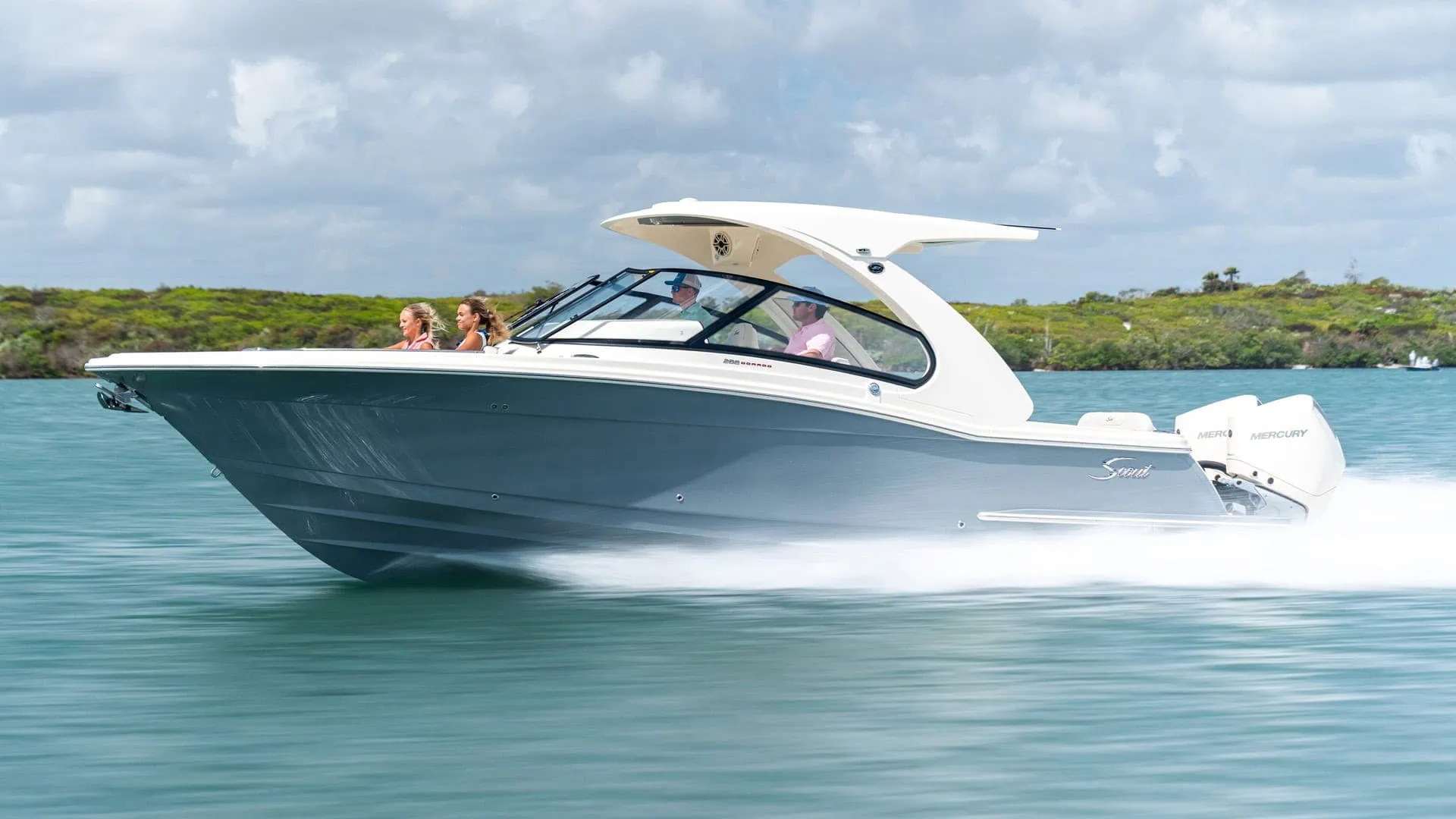
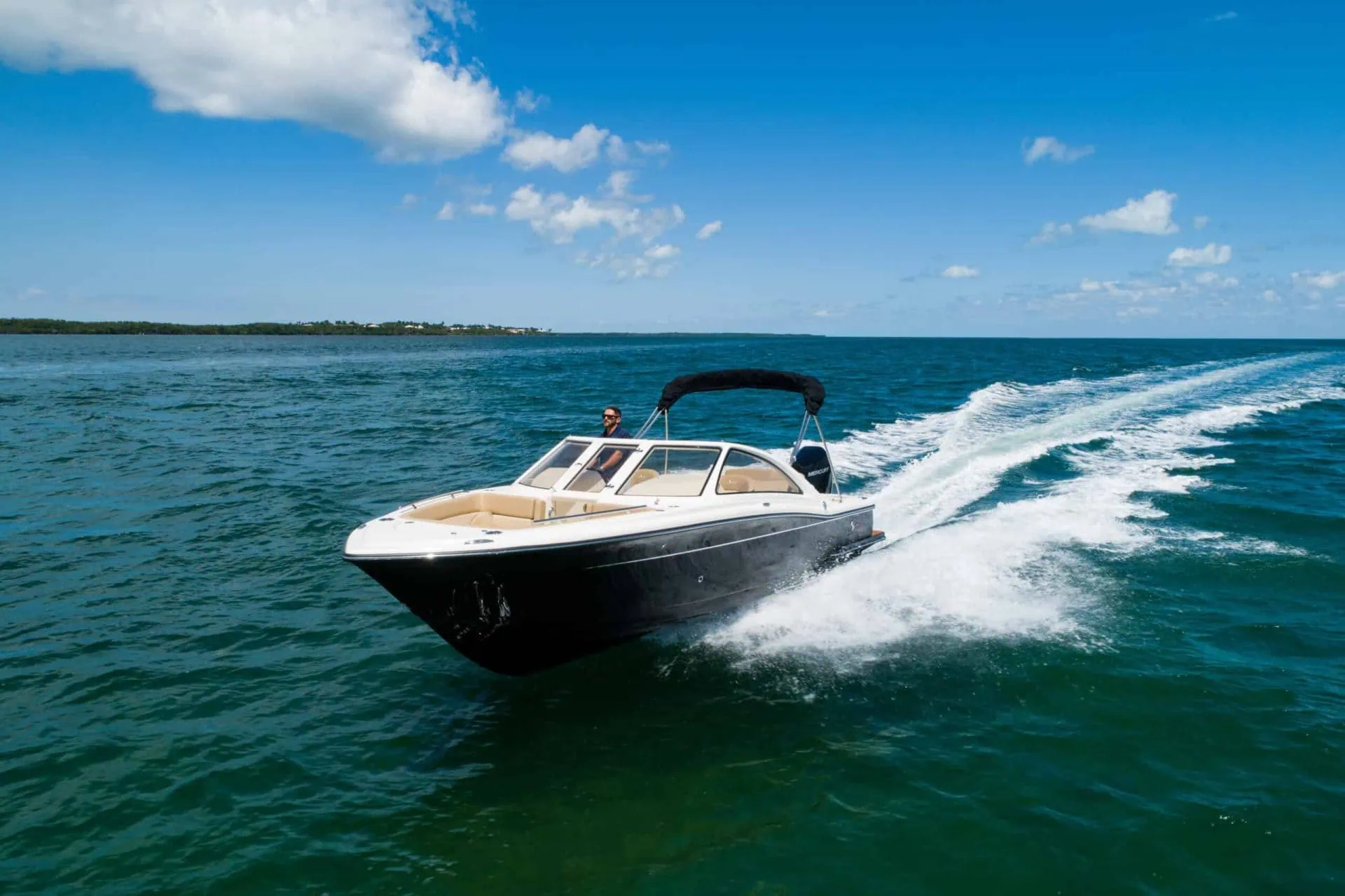
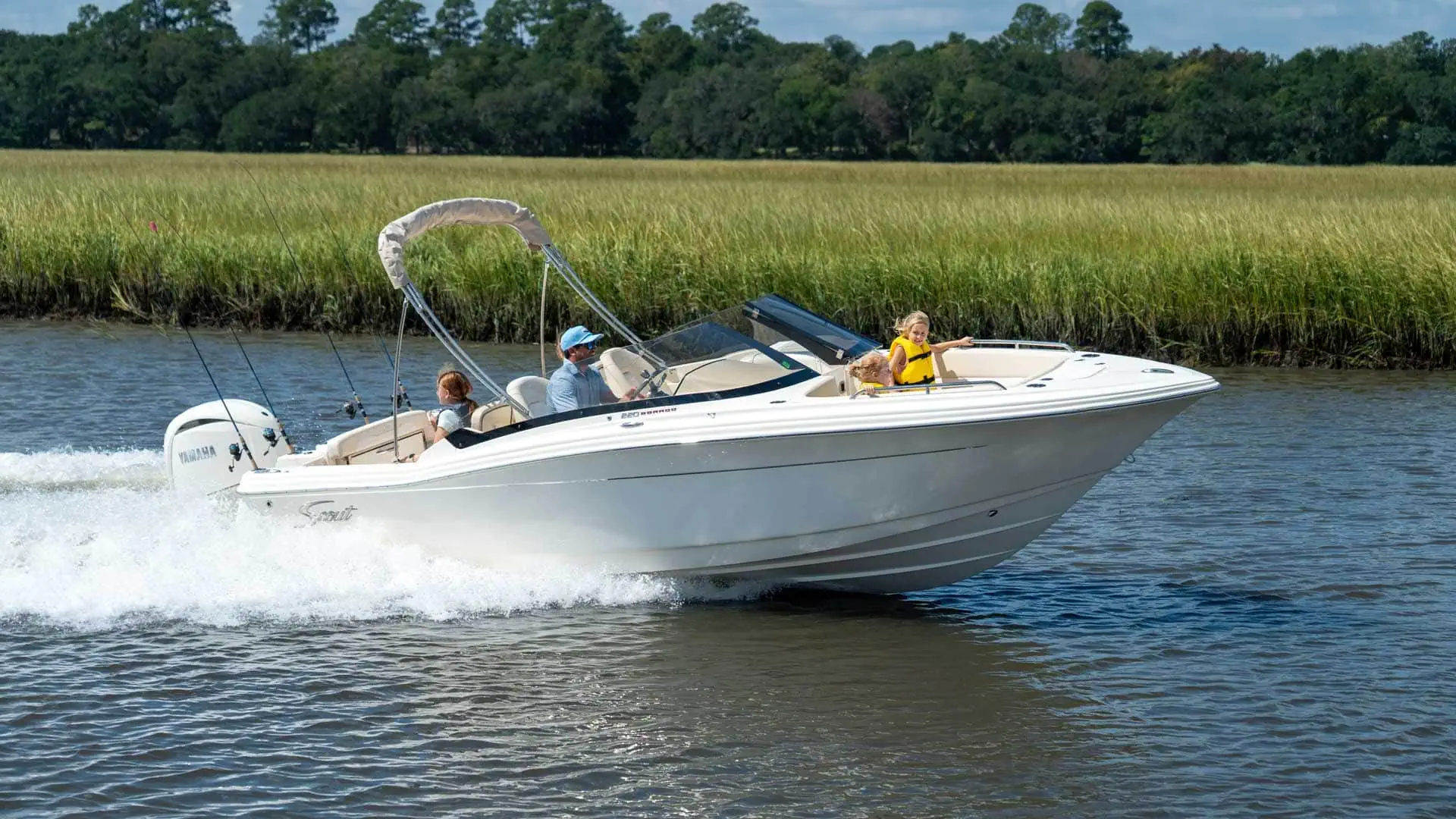
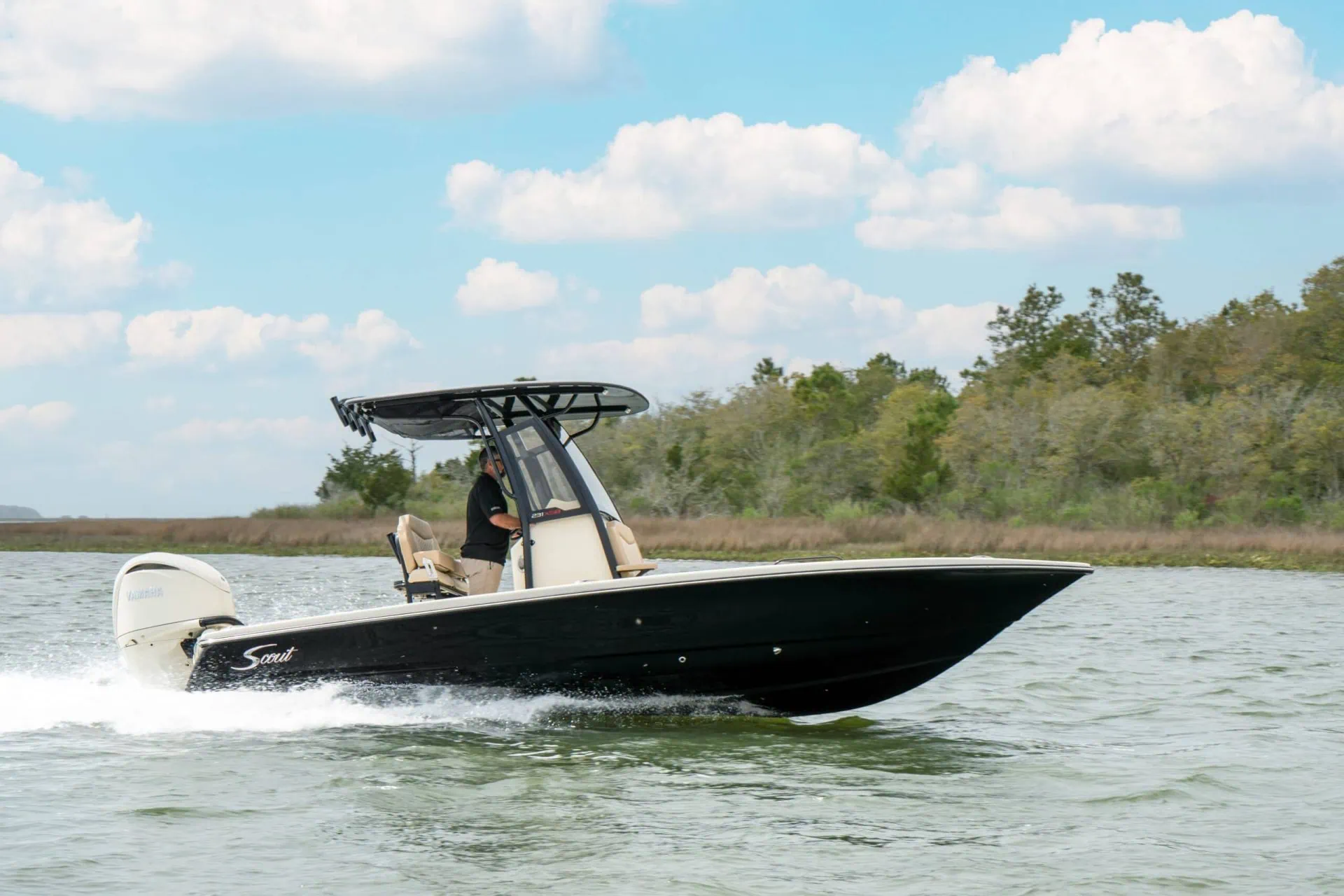
Scout Boats are designed with these principles in mind. From technical inshore flats to offshore bluewater runs, Scout models provide confident handling, premium fit and finish, and thoughtful layouts for serious anglers. Whether exploring tidal creeks in Chesapeake Bay or chasing billfish offshore, Scout delivers performance and refinement.
If you’re planning to explore Virginia’s coastal sportfishing, a Scout model can help you fish farther, ride smoother, and maximize every outing on the water.
Virginia Sportfishing FAQ
What is the best time of year to fish Virginia’s coast?
Spring and fall are prime seasons for redfish, striped bass, and offshore species, though fishing is productive year-round.
Do I need a large boat for offshore fishing?
Yes. Offshore fishing requires a boat built for open-water performance, with stable hulls and safety features.
Which species are common along Virginia’s coast?
Redfish, speckled trout, flounder, striped bass, king mackerel, cobia, tuna, mahi-mahi, and snapper.
Are there beginner-friendly inshore fishing spots?
Yes. Chesapeake Bay, Sandbridge, and Cape Charles offer accessible inshore waters for developing anglers.
How important are electronics for coastal sportfishing?
Highly important. GPS, sonar, and temperature tracking improve navigation, fish location, and overall efficiency