













As winter loosens its grip and water temperatures begin to rise, anglers know it’s time to get back on the water. Early-season sportfishing offers a unique window of opportunity—fish are active, less pressured, and often feeding aggressively after the colder months. But success this time of year depends on understanding shifting conditions, targeting the right species, and dialing in your tactics.
Whether you’re fishing inshore flats, coastal estuaries, or heading offshore, here’s how to make the most of early-season sportfishing.
Understanding Early-Season Conditions
Spring fishing is defined by transition. Water temperatures fluctuate, baitfish begin migrating, and predatory species follow closely behind. These environmental shifts influence where fish hold and how they feed.
Key factors to monitor include:
- Water Temperature: Even a few degrees can push fish into shallower or deeper water. Look for warmer pockets, especially in the morning.
- Tides and Currents: Moving water brings bait and triggers feeding activity.
- Clarity: Spring runoff can affect visibility—adjust lure color and presentation accordingly.
Successful anglers stay adaptable and let conditions dictate their approach.
Top Early-Season Sportfish Targets
Striped Bass
Striped bass are among the first gamefish to become active in early spring, especially along the Atlantic coast. They migrate toward rivers and estuaries to spawn, making them accessible to both inshore and nearshore anglers.
Tactics:
- Use soft plastics, swimbaits, or live bunker
- Focus on river mouths, bridges, and tidal rips
- Fish during low-light conditions for best results
Redfish (Red Drum)
In southern waters, redfish remain a top early-season target. As temperatures rise, they move into shallow flats and marshes to feed.
Tactics:
- Sight fish in skinny water using weedless soft plastics
- Target oyster beds and grassy flats
- Use gold spoons or topwater plugs on warmer days
Speckled Trout
Speckled trout are highly temperature-sensitive but become active quickly in early spring, especially in protected estuaries.
Tactics:
- Fish deeper holes early in the season, moving shallow as temps rise
- Use slow-sinking twitch baits or soft plastics under popping corks
- Focus on areas with structure like docks and grass edges
Flounder
Flounder begin their inshore migration in early spring, staging near inlets and estuary mouths.
Tactics:
- Drift live bait such as mud minnows or finger mullet
- Use bucktail jigs tipped with soft plastics
- Target sandy bottoms near structure
Offshore Pelagics (Tuna & Mahi)
For offshore anglers, early spring can signal the return of pelagic species like tuna and mahi-mahi, depending on your region.
Tactics:
- Troll skirted ballyhoo or artificial lures
- Watch for temperature breaks and weed lines
- Use birds and surface activity as indicators
Proven Early-Season Fishing Tactics
Slow It Down
Fish metabolism is still ramping up in early spring. Slower presentations often outperform aggressive retrieves. Let your bait linger in the strike zone longer.
Match the Hatch
Pay close attention to local baitfish. Early-season forage may be smaller, so downsizing your lures can make a big difference.
Target Structure
Structure holds heat and attracts bait—making it a prime feeding zone. Look for:
- Rock piles
- Docks and pilings
- Grass beds
- Drop-offs
Fish the Warmest Water
Shallow flats, dark bottoms, and areas protected from wind tend to warm faster. These micro-environments can hold surprisingly active fish even on cooler days.
Gear Considerations for Spring Fishing
Early-season fishing can expose you to unpredictable weather and conditions, so having the right setup is key.
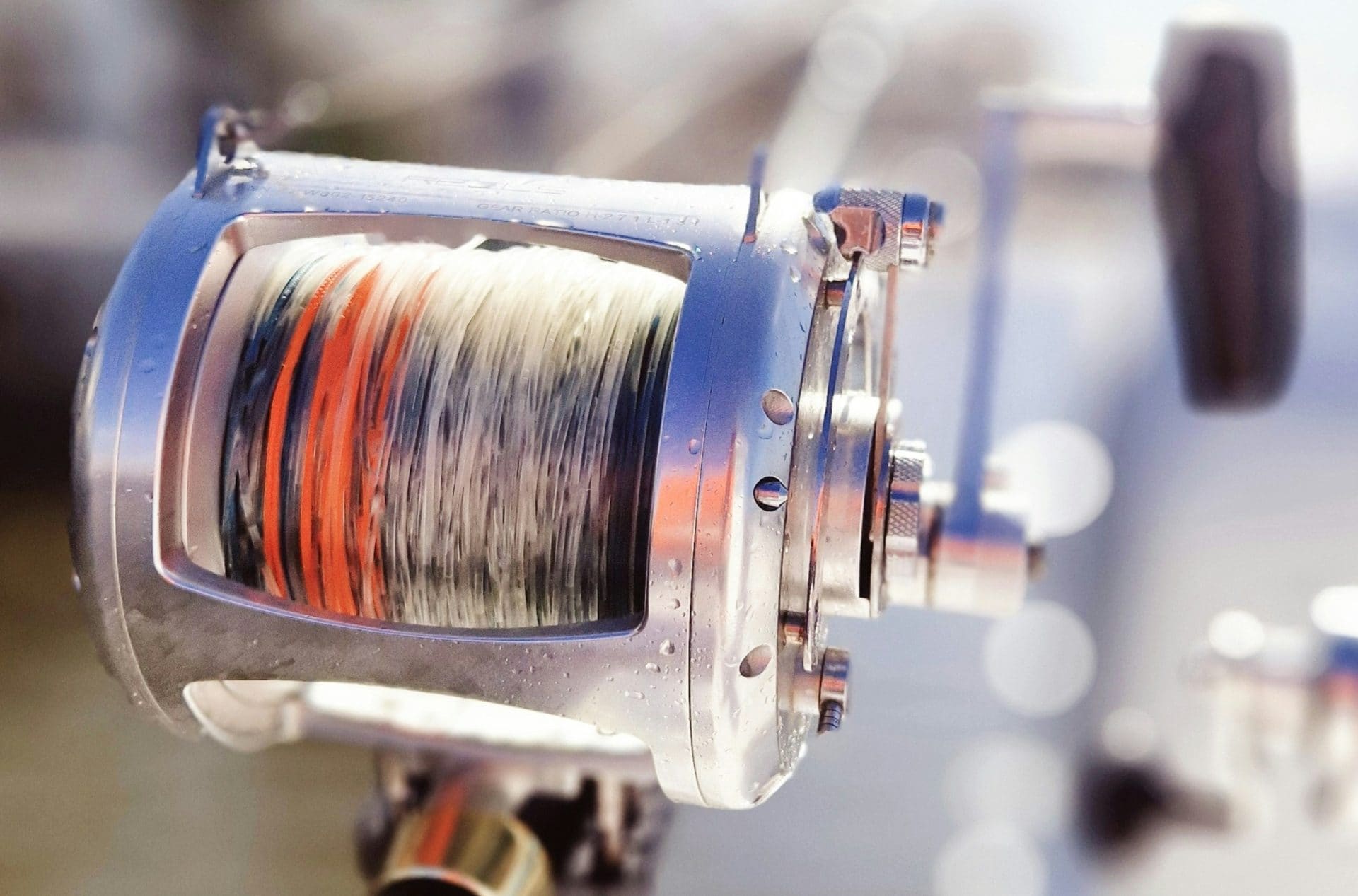
- Rods & Reels: Medium-light to medium setups for inshore; heavier tackle offshore
- Line: Braided line with fluorocarbon leaders for sensitivity and stealth
- Electronics: Fishfinders and GPS help locate structure and temperature breaks
- Apparel: Layered, waterproof clothing for changing conditions
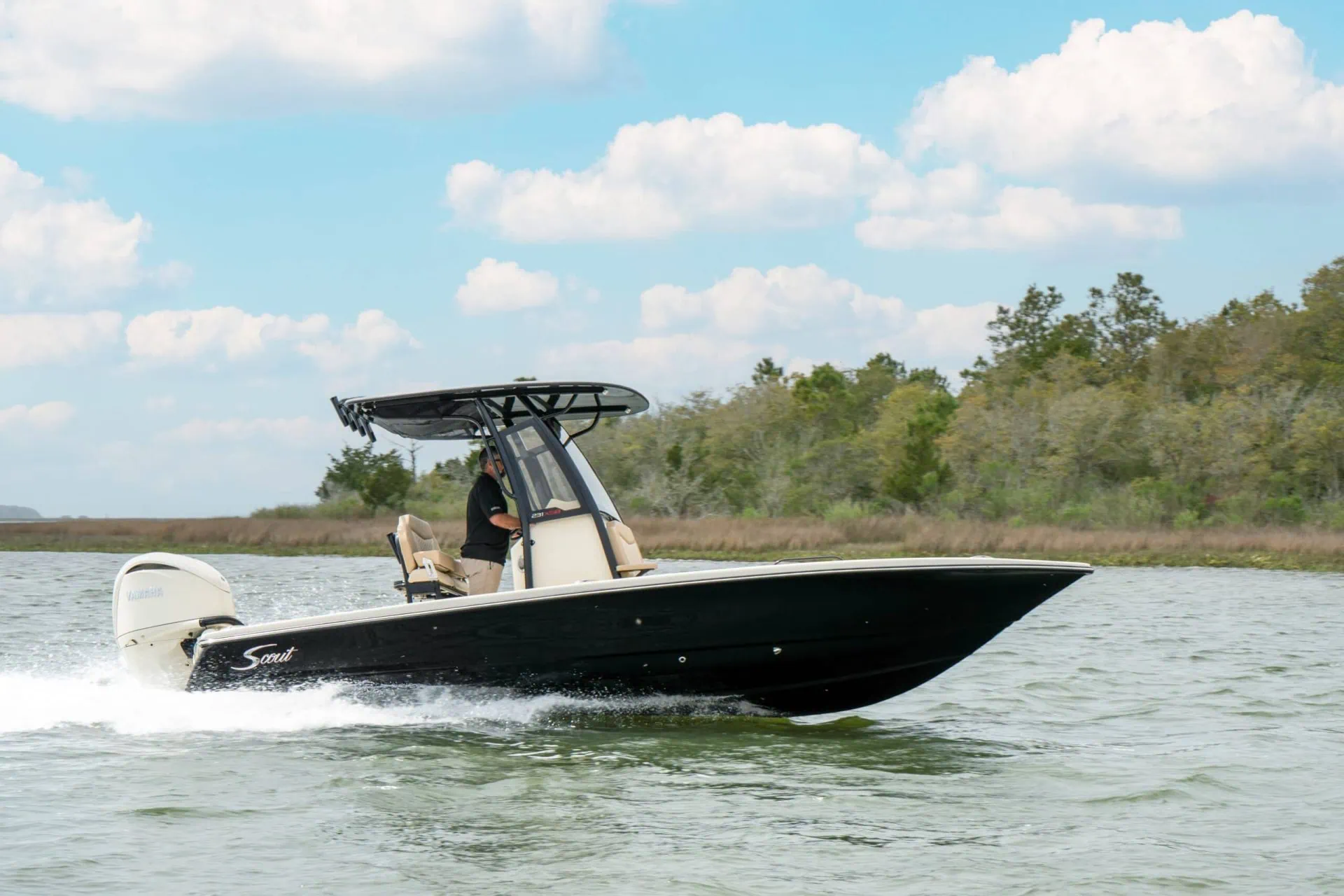
Equally important is the vessel you’re fishing from. A well-designed boat enhances mobility, safety, and overall success on the water.
Why Your Boat Matters in Early Season
Spring conditions can be unpredictable—choppy seas, shifting winds, and varying temperatures all come into play. Having a reliable, high-performance boat allows you to adapt quickly and fish comfortably.
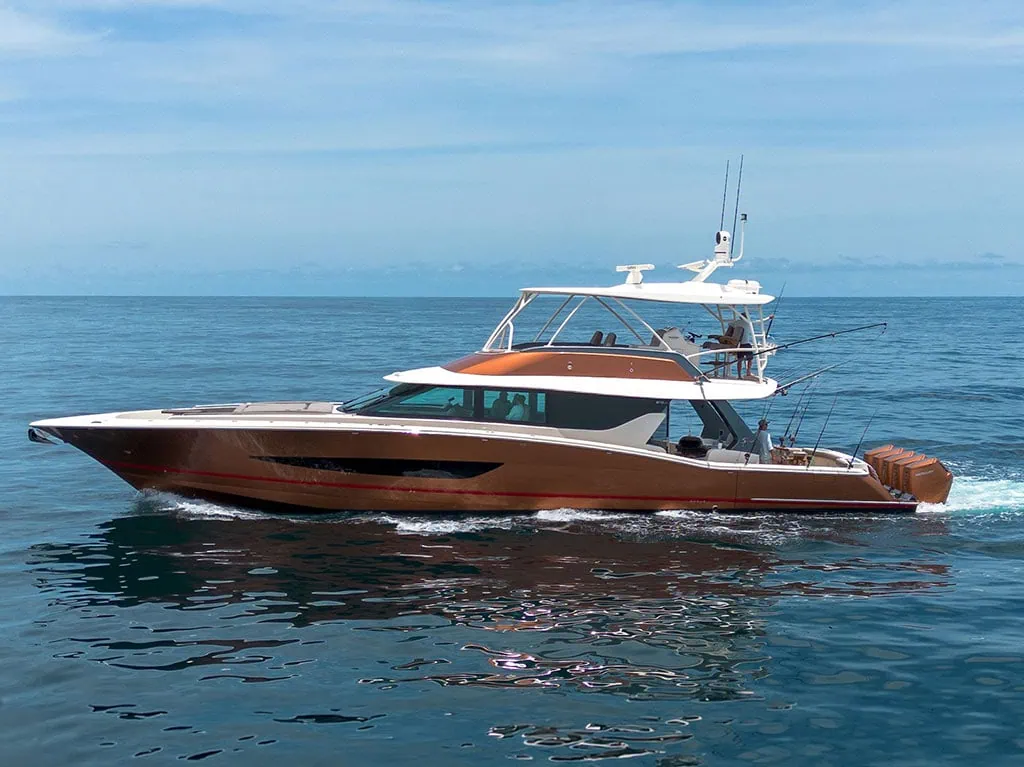
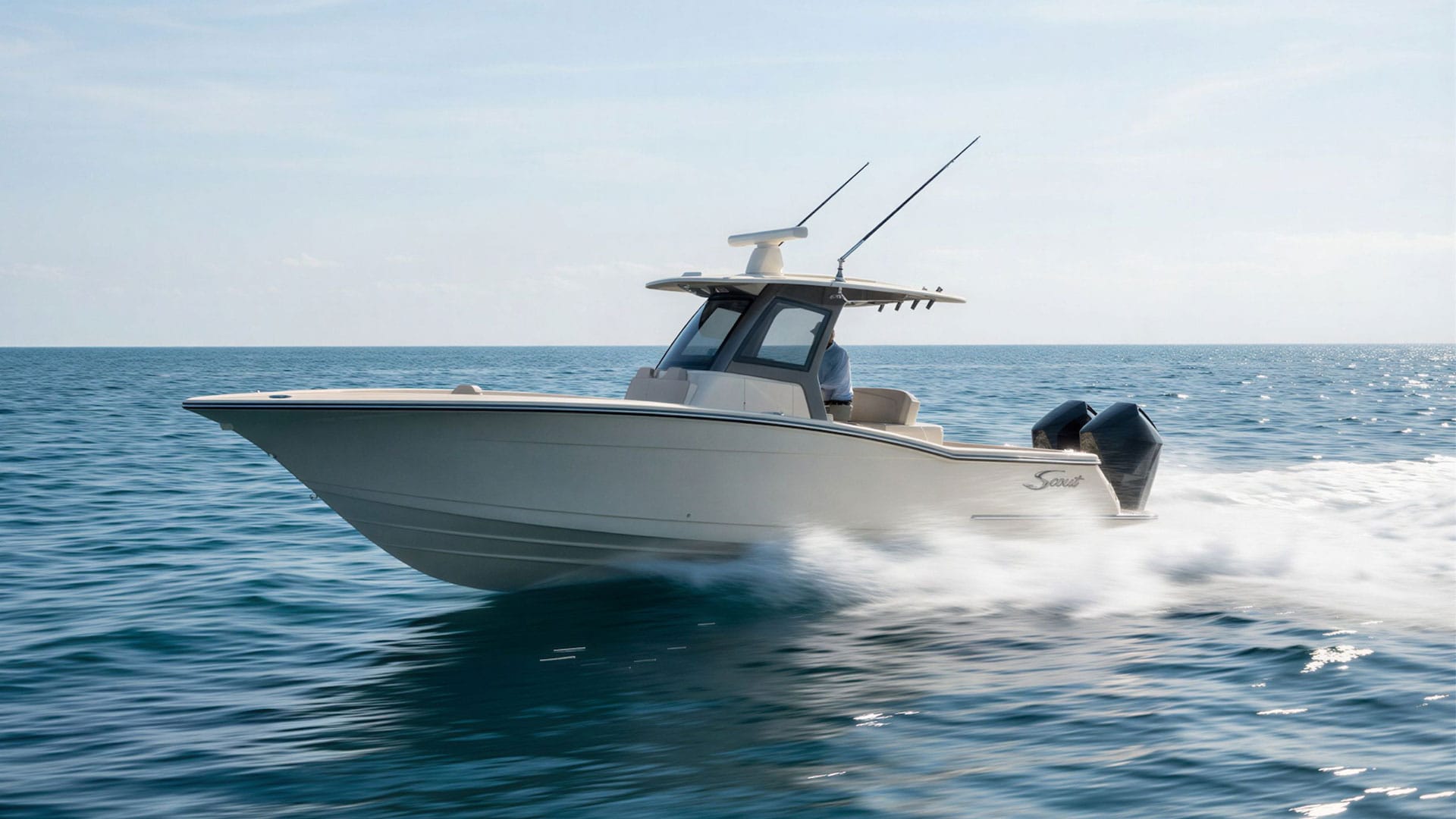
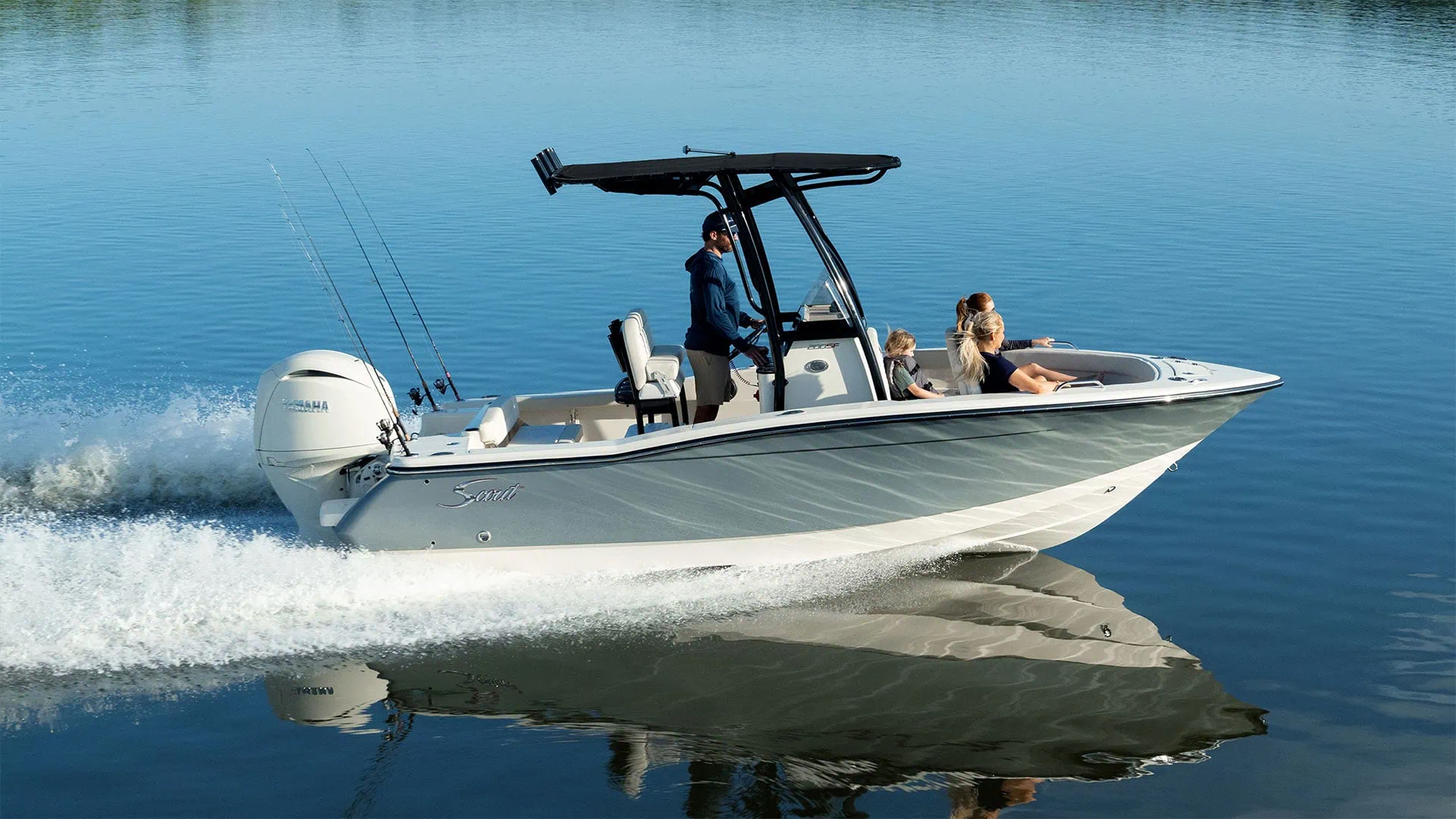
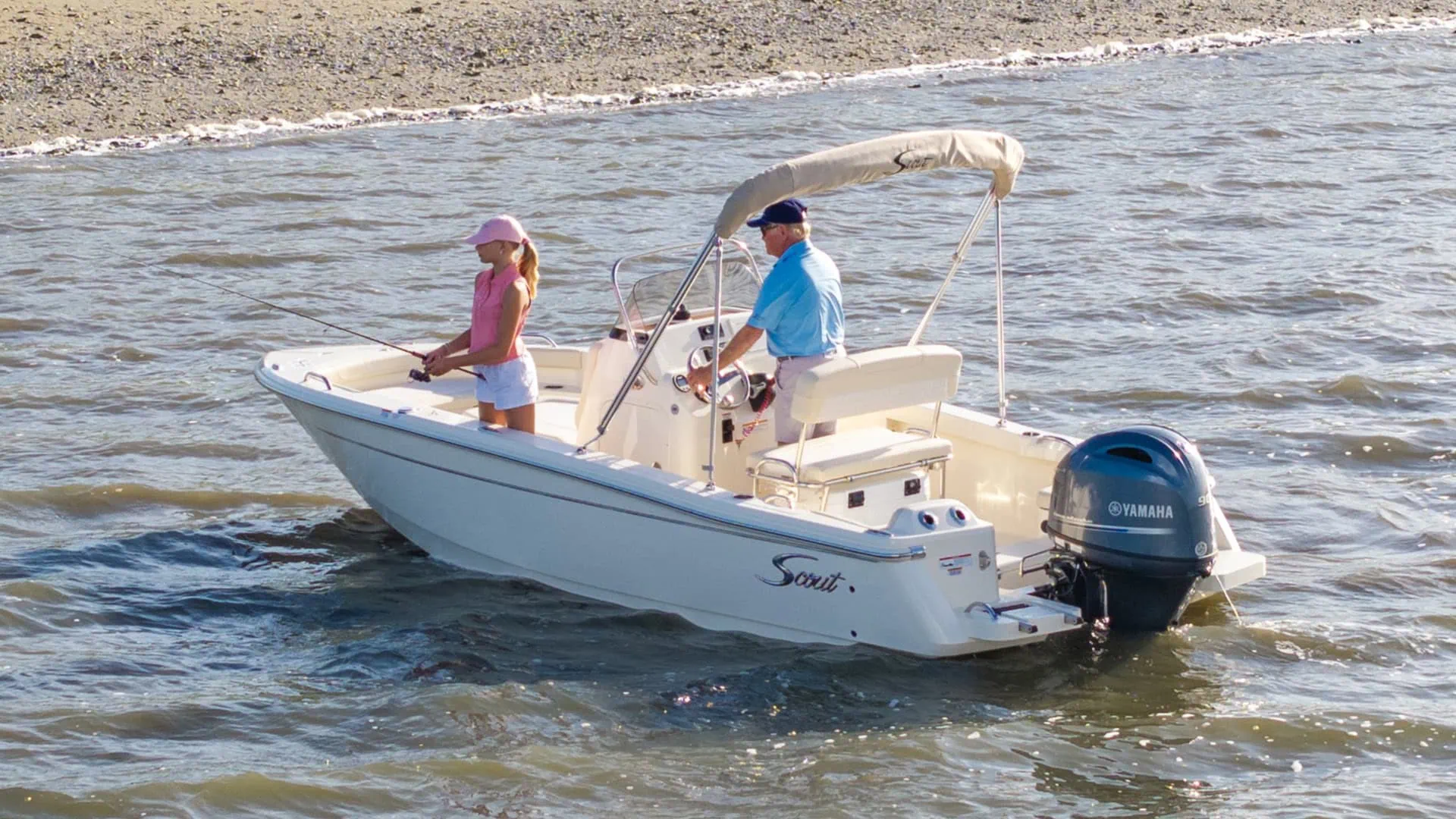
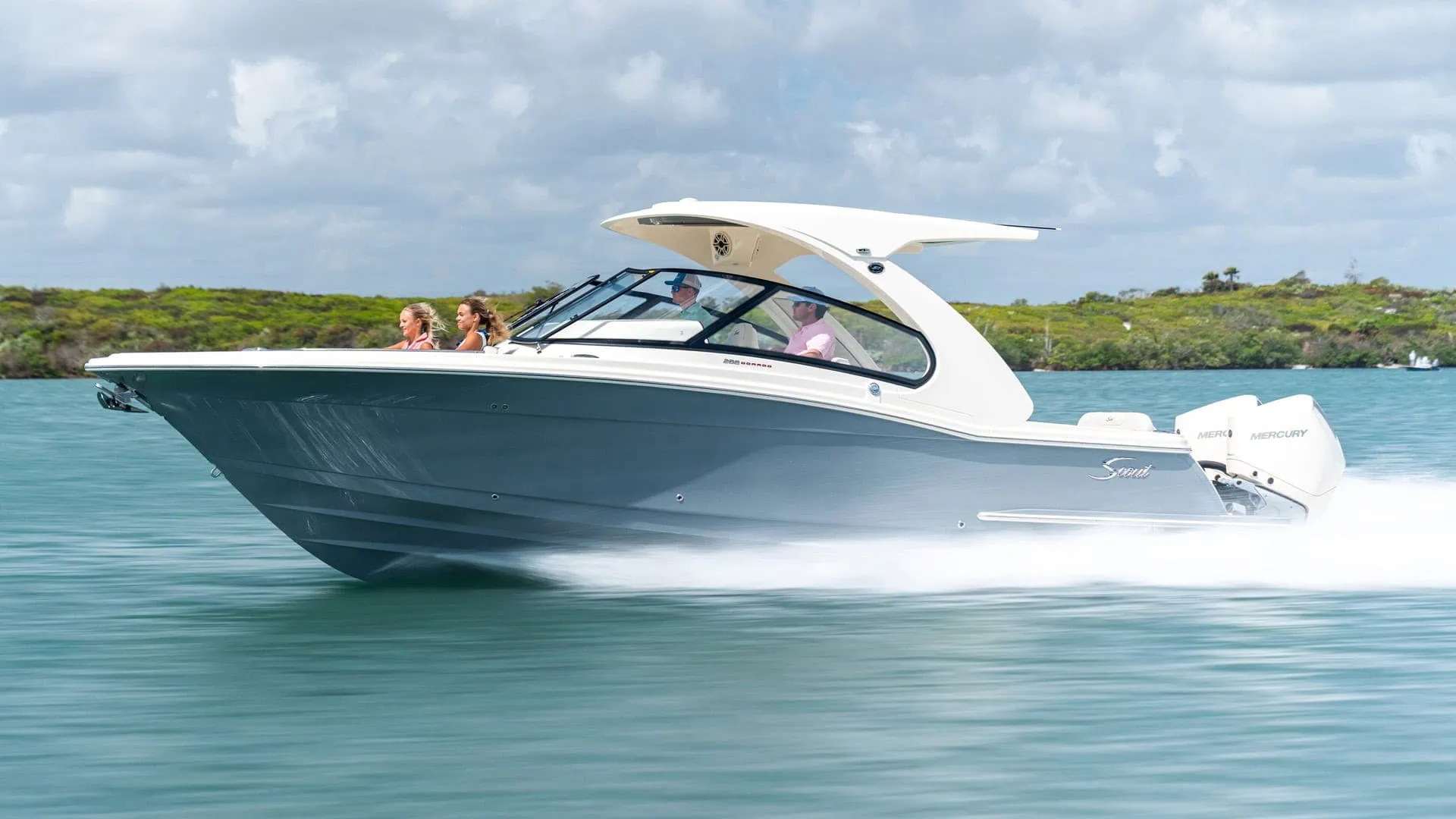
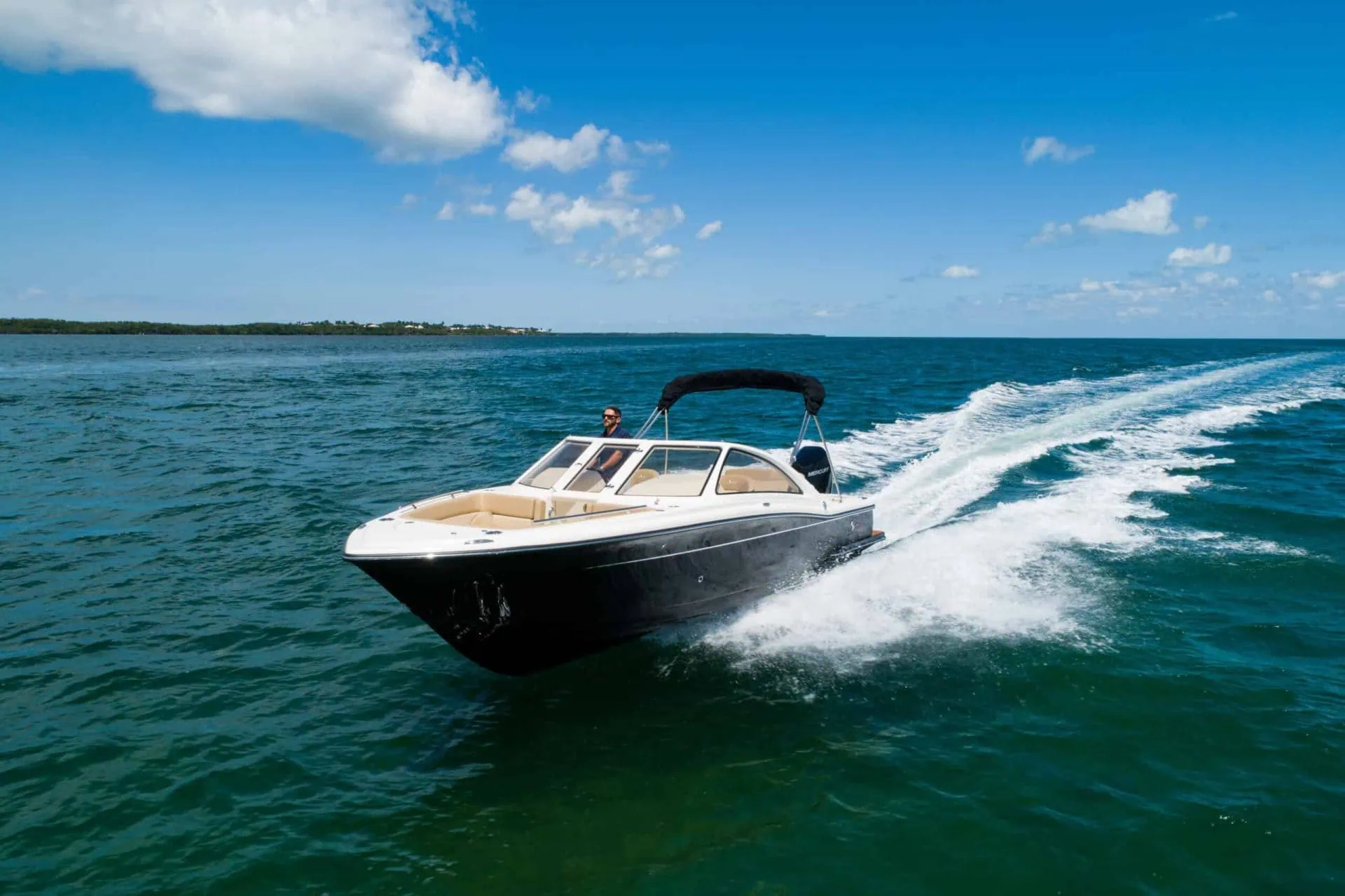
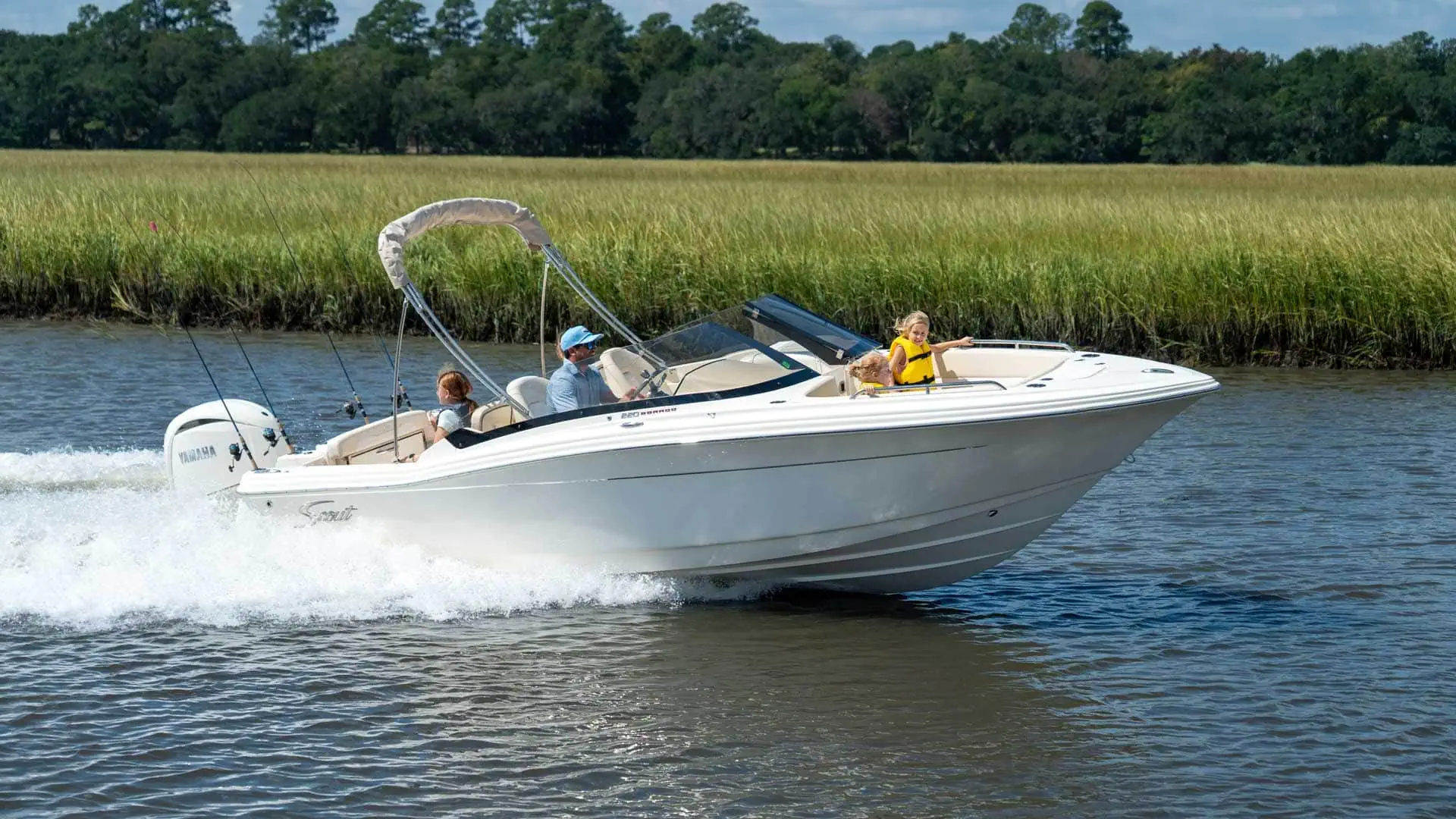
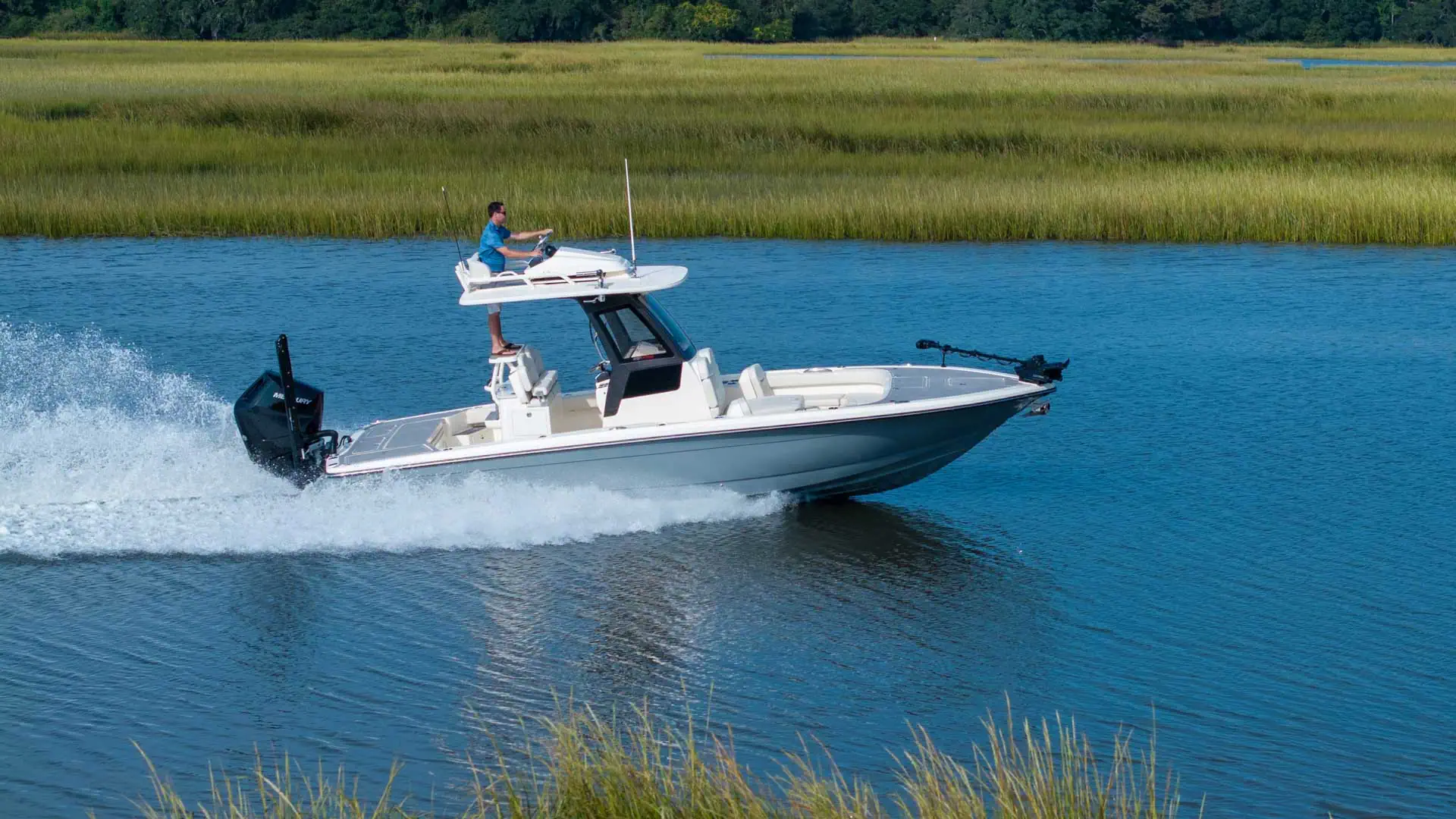
Scout Boats are built with precision, combining cutting-edge design with durability and efficiency. Whether you’re navigating shallow flats or running offshore in search of pelagics, Scout’s lineup delivers the versatility and performance serious anglers demand.
From advanced hull designs to premium features that enhance fishability, investing in the right boat can elevate every trip—especially during the dynamic early season.
Make This Season Count
Early-season sportfishing is all about timing, awareness, and adaptability. By targeting the right species, refining your tactics, and staying tuned into environmental changes, you can capitalize on one of the most productive times of the year.
And when you’re ready to take your fishing experience to the next level, explore the craftsmanship and innovation behind Scout Boats. Designed for anglers who demand more, Scout helps you reach the fish—and enjoy every moment getting there.
FAQ: Early-Season Sportfishing
What is the best time of day for early-season fishing?
Early morning and late afternoon are typically most productive, especially as water temperatures begin to rise.
What water temperature is ideal for spring fishing?
It varies by species, but many gamefish become active in the 55–65°F range.
Should I use live bait or artificial lures?
Both can be effective. Live bait is often more reliable in colder water, while artificials work well as fish become more aggressive.
Where should I fish in early spring?
Focus on warmer, shallow areas, structure, and transition zones like inlets and estuaries.
Do I need different gear for early-season fishing?
Not necessarily different, but adjusting lure size, retrieval speed, and layering your clothing for comfort is important.