













A well-organized bait station can make the difference between a frustrating day on the water and a seamless, productive fishing trip. Whether you’re targeting offshore pelagics or inshore species, efficiency is everything—especially when the bite is on. At Scout Boats, thoughtful design meets serious angling performance, and your onboard bait setup should reflect that same level of precision.
Here’s how to build a bait station that keeps you focused on fishing—not fumbling for gear.
Why an Efficient Bait Station Matters
When fishing conditions change quickly, time becomes your most valuable resource. A properly configured bait station helps you:
- Reduce downtime between casts or drifts
- Keep bait fresh and accessible
- Maintain a clean, safe deck
- Improve overall fishing success
Efficiency isn’t just about convenience—it’s about maximizing every opportunity on the water.
Start with the Right Location
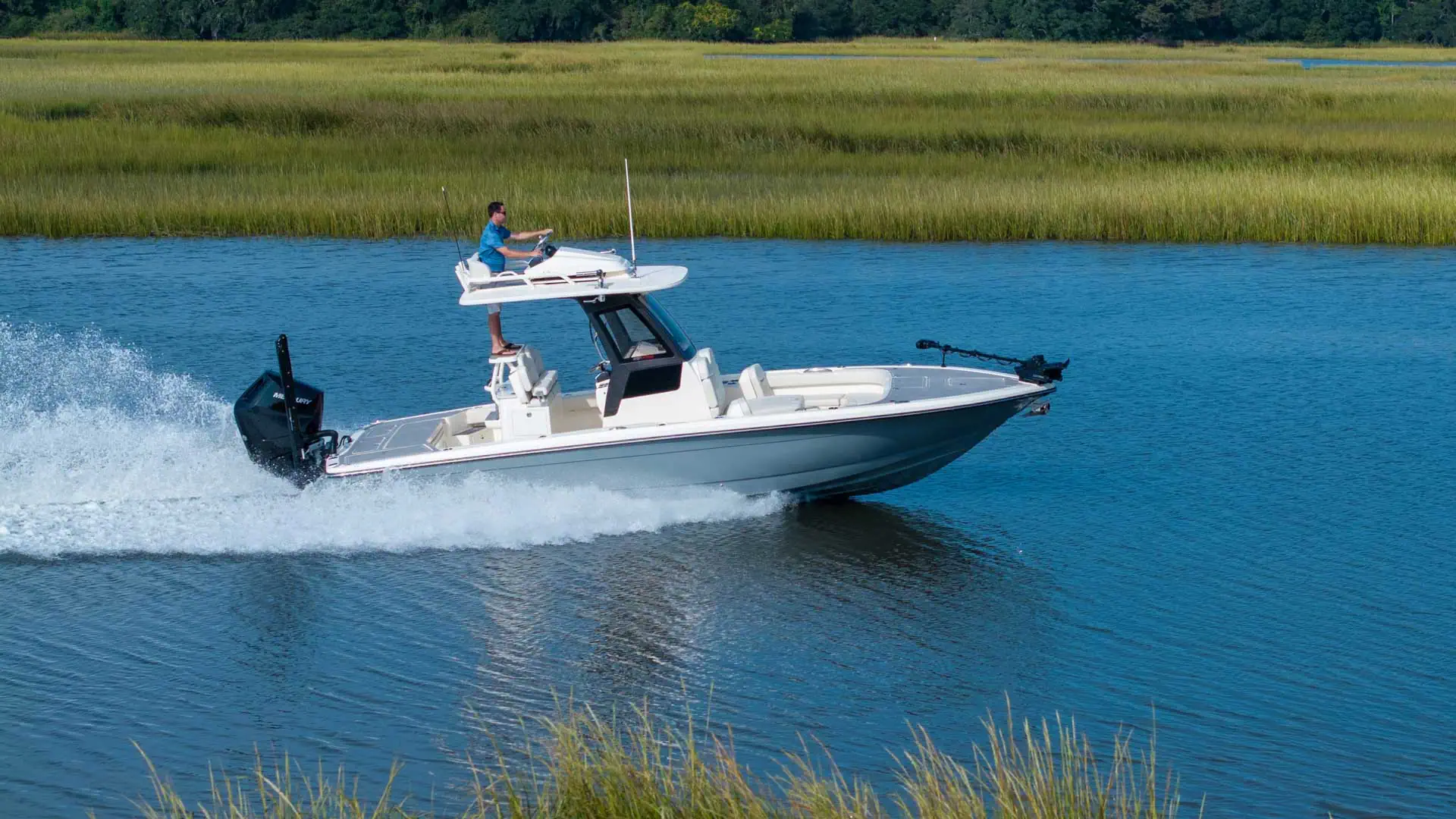
Your bait station should be positioned where it naturally integrates into your workflow. On most center consoles and dual consoles, this means:
- Near the transom for easy access to livewells
- Adjacent to rod holders and tackle storage
- Away from high-traffic walkways to avoid congestion
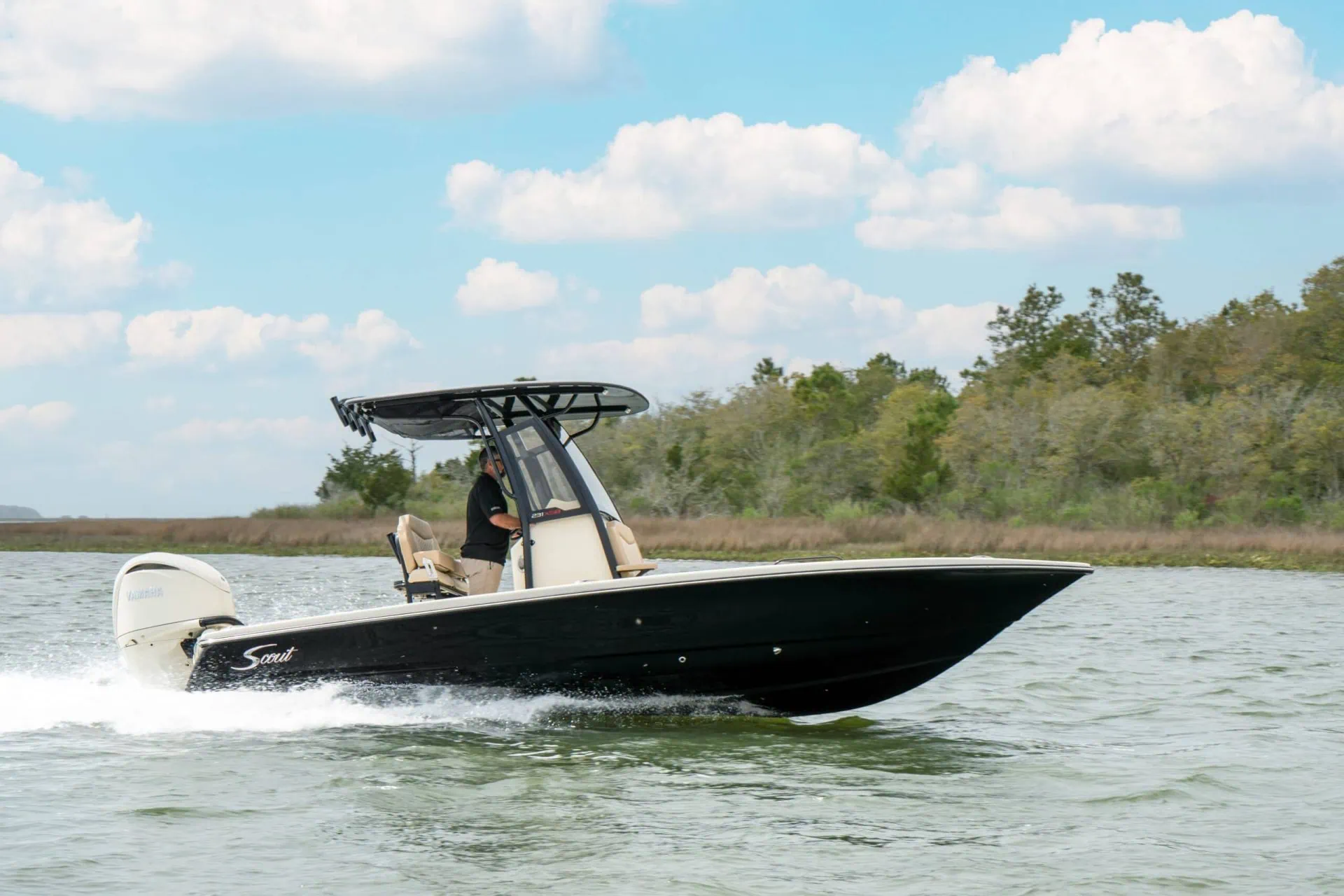
Scout models are known for intelligently designed aft cockpits, making it easier to designate a dedicated prep zone without sacrificing space.
Essential Components of a Bait Station
A high-functioning bait station doesn’t need to be complicated—but it does need the right elements.
1. Cutting Surface
A durable, non-slip cutting board is the foundation of your setup. Look for:
- Marine-grade materials that resist corrosion
- Grooved edges to contain mess
- Easy removal for cleaning
Many anglers prefer boards that mount securely over livewells or coolers for dual functionality.
2. Livewell Integration
Fresh bait is productive bait. Your station should work seamlessly with your livewell system:
- Keep bait within arm’s reach
- Avoid overcrowding to reduce stress on baitfish
- Use proper aeration settings depending on species
Scout Boats are engineered with advanced livewell systems designed to keep bait lively—even in offshore conditions.
3. Tackle Organization
Nothing slows you down like digging through clutter. Keep your bait station stocked with:
- Pre-rigged hooks and leaders
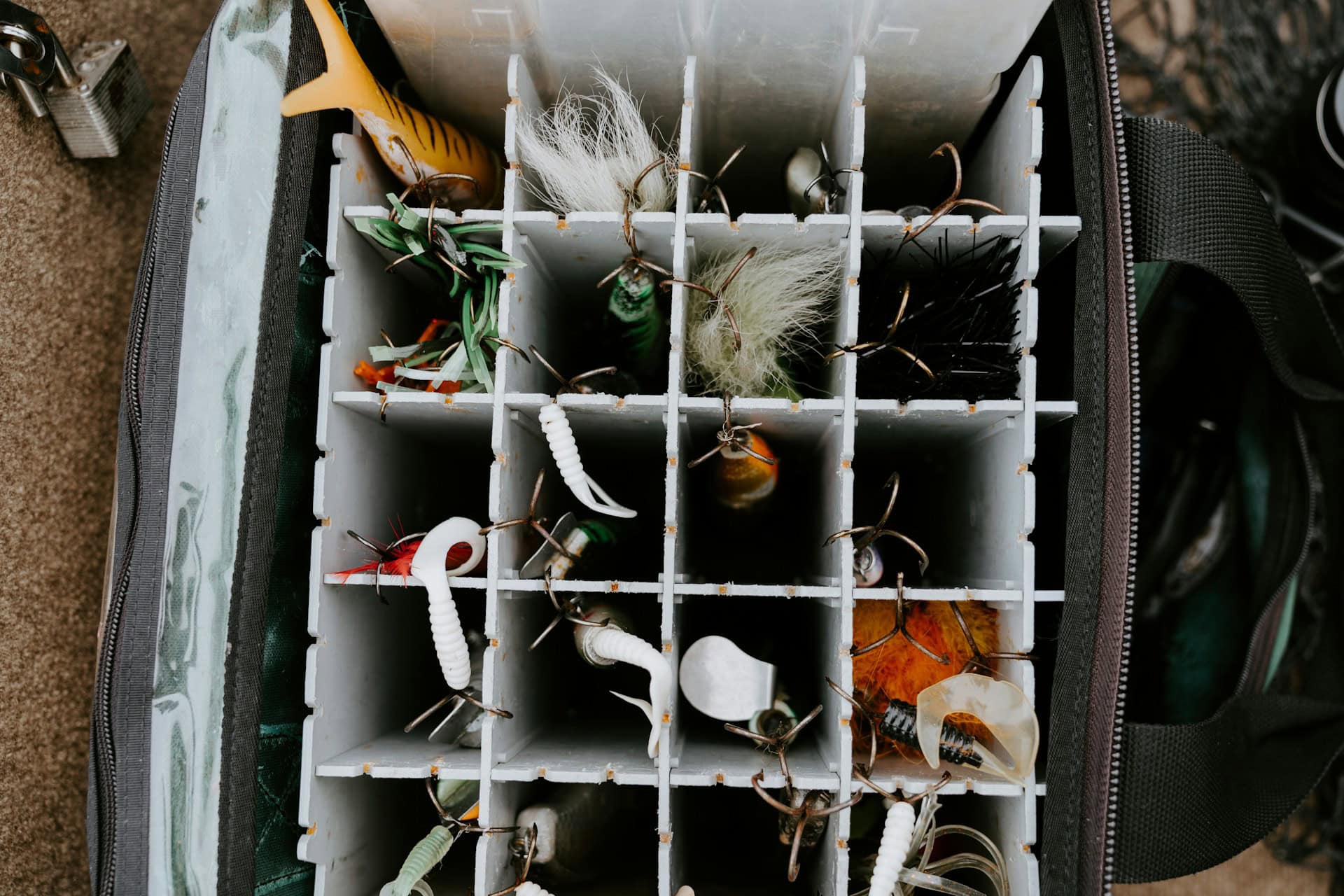
- Clearly labeled tackle trays
- Dedicated compartments for tools like pliers and knives
Pro tip: Organize tackle based on target species before leaving the dock.
4. Tool Accessibility
Your most-used tools should always be within reach. This includes:
- Bait knives
- Scissors or line cutters
- Dehookers and pliers
Magnetic strips or tool holders can keep everything secure and easy to grab—even in rough seas.
5. Waste Management
A clean deck is a safe deck. Plan for quick and easy disposal of:
- Bait scraps
- Used line
- Packaging
Use a dedicated bucket or built-in waste compartment to keep your workspace tidy and odor-free.
Optimize Your Workflow
An efficient bait station isn’t just about equipment—it’s about how you use it.
Prep Before You Fish
- Cut bait in advance when possible
- Pre-rig leaders and hooks
- Organize gear based on your fishing plan
This minimizes distractions when the action picks up.
Keep It Minimal
Avoid overloading your bait station with unnecessary gear. Stick to essentials and store backups elsewhere. The goal is speed and simplicity—not excess.
Maintain Consistency
Set up your bait station the same way every trip. Muscle memory plays a big role in efficiency, especially during high-pressure moments.
Match Your Setup to Your Fishing Style
Different fishing styles require slightly different bait station setups:
- Offshore Fishing: Prioritize large cutting surfaces, heavy-duty tools, and quick access to multiple bait types.
- Inshore Fishing: Focus on compact organization and mobility.
- Live Bait Fishing: Emphasize livewell access and bait handling tools.
Scout Boats are built to accommodate a wide range of fishing styles, making it easy to tailor your setup without compromise.
Safety Considerations
Efficiency should never come at the expense of safety. Keep these in mind:
- Always secure sharp tools when not in use
- Use non-slip surfaces to prevent accidents
- Keep decks clear of debris and clutter
A well-maintained bait station protects both your crew and your catch.
Upgrade Your Experience with Scout Boats
An efficient bait station starts with smart design—and that’s where Scout Boats truly stands out. From integrated storage solutions to premium livewell systems and spacious cockpits, Scout vessels are crafted for anglers who demand both performance and refinement.
If you’re ready to elevate your fishing experience, explore Scout’s lineup of expertly engineered boats designed with serious fishermen in mind.
Frequently Asked Questions
What is the most important feature of a bait station?
The cutting surface and proximity to your livewell are key. These elements directly impact speed and efficiency when handling bait.
How do I keep bait fresh longer onboard?
Use a properly aerated livewell, avoid overcrowding, and minimize handling to reduce stress on baitfish.
Should I prep bait before leaving the dock?
Yes. Pre-cutting bait and rigging lines ahead of time saves valuable time once you’re on the water.
How do I keep my bait station clean?
Use a dedicated waste container, rinse surfaces regularly, and clean thoroughly after each trip to prevent buildup and odors.
Can a small boat have an efficient bait station?
Absolutely. Even compact setups can be highly efficient with smart organization and minimal, well-chosen tools.