













There’s a reason so many experienced captains reach for live bait when the bite gets tough. A frisky menhaden, a lively mullet, or a kicking shrimp does something no lure can fully imitate — it moves, flashes, and sends out signals that trigger strikes from wary fish. But live bait fishing is about more than tossing a baitfish over the side. Catching the right bait, keeping it healthy, and presenting it naturally are what separate a productive live-bait day from a cooler full of dead bait. Here’s how to get the most out of live bait for coastal game fish.
Match the Bait to the Fish and the Season
The best live bait is usually whatever the fish are already eating. Along much of the Atlantic coast, menhaden (often called pogies or bunker) are a top choice for striped bass, bluefish, cobia, and big redfish. Mullet, pinfish, and croakers work well for redfish, flounder, and snook in the Southeast. Live shrimp are a versatile option for speckled trout, redfish, and sheepshead. Eels are a classic nighttime bait for striped bass, while pilchards, threadfin herring, and other small baitfish attract kingfish, Spanish mackerel, and other pelagics. Paying attention to what’s in the water and adjusting your bait as the season changes keeps your presentation matched to what the fish expect.
Catching Bait Efficiently
Many anglers catch their own bait with a cast net, which can fill a livewell quickly when bait is schooled up near the surface or along shorelines. Sabiki rigs — small multi-hook rigs dressed with flash material — work well for catching herring, pilchards, and other baitfish around structure or bait pods. Bait traps are useful for pinfish and similar species. Check local regulations before catching bait, since size limits, net restrictions, and protected areas apply to bait species in some states.
Keep Bait Alive and Lively
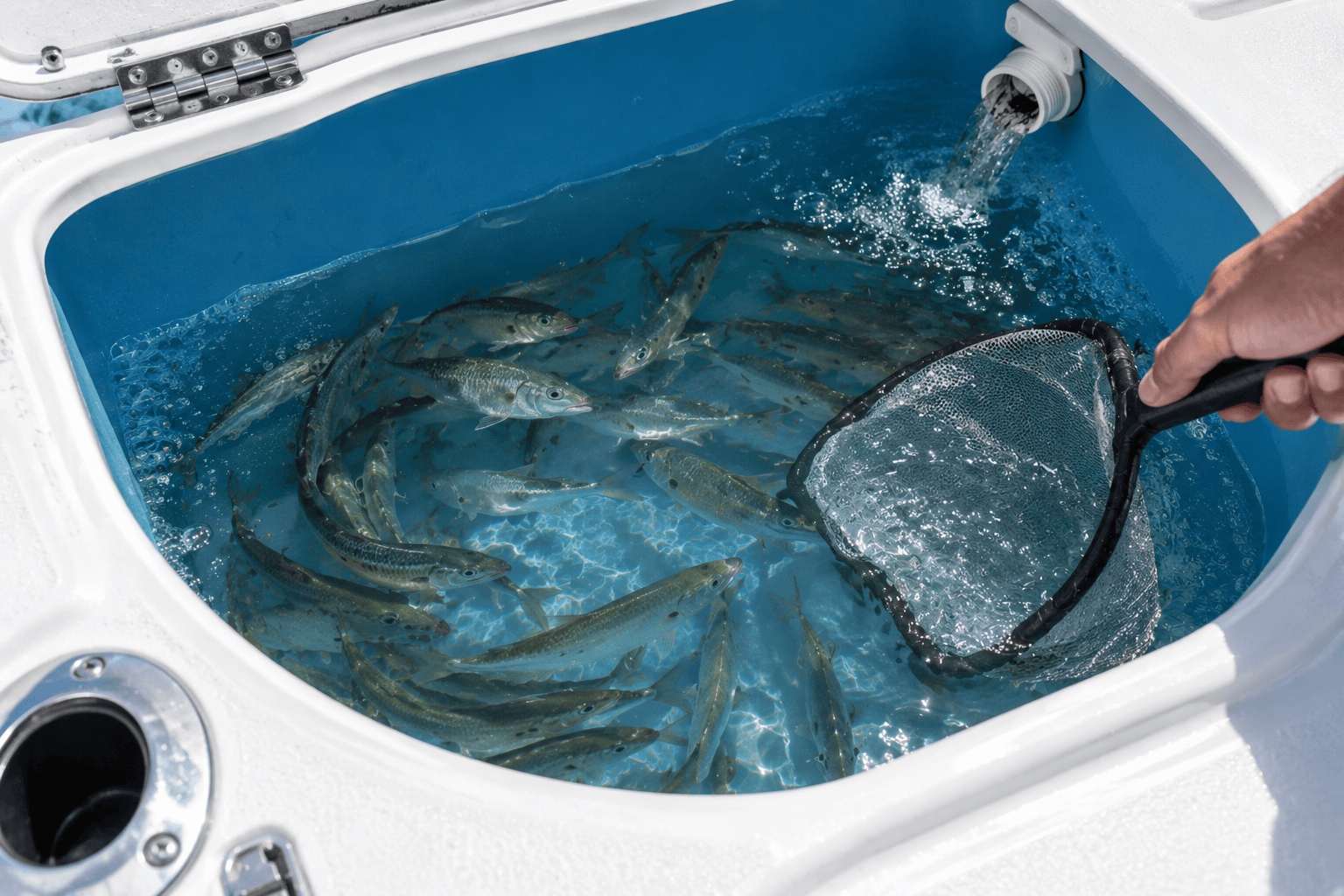
Live bait is only effective if it stays healthy. A livewell with good water circulation is essential — fresh seawater pumped in continuously replaces oxygen and removes waste. Round or oval livewells help prevent baitfish from bunching in corners and damaging themselves. Avoid overcrowding, which quickly depletes oxygen, and keep the livewell shaded on hot days, since warmer water holds less oxygen. In especially hot weather or with sensitive baits, an aerator or a small amount of bait-saving additive can help. Handle baitfish as little as possible, and use a small net to move them rather than grabbing them with dry hands.
Rigging for a Natural Presentation
How you hook live bait affects how it swims. Hooking a baitfish through the nose or lips lets it swim naturally and works well when slow-trolling or drifting. Hooking it behind the dorsal fin encourages it to swim down and away, which is useful when fishing under a float or when you want the bait to work deeper. Many offshore anglers use a bridle rig, which attaches the hook to the bait with a loop of thread or rubber band, keeping the hook clear of the bait’s body for a more natural swim and a better hookset. Match hook size to bait size — an oversized hook weighs down a small baitfish and kills its action.
Why Circle Hooks Are the Standard
Circle hooks have become the go-to for live bait fishing, and in many fisheries they’re required by regulation when fishing with natural bait. Their shape tends to hook fish in the corner of the mouth rather than deep in the throat or gut, improving survival for fish you release. The key is to resist the urge to set the hook hard. Instead, let the fish take the bait and swim off, then reel steadily as the line comes tight — the hook will rotate into position on its own.
Slow-Trolling, Drifting, and Free-Lining
Three core presentations cover most live-bait situations. Slow-trolling — moving the boat just fast enough to keep baits swimming behind it — is deadly for kingfish, cobia, and stripers over structure or along bait-filled edges. Drifting lets the current and wind carry baits naturally across a reef, ledge, or channel edge. Free-lining, or letting a bait swim without added weight, is perfect for fish feeding near the surface or in shallow water. Adjust with a small weight, a float, or a downrigger to get baits into the strike zone without killing their action.
FAQ
What’s the best live bait for striped bass? Menhaden and eels are two of the most effective live baits for striped bass, with eels being especially popular for night fishing.
How do I keep live bait alive longer? Use a livewell with constant fresh water circulation, avoid overcrowding, keep the well shaded on hot days, and handle baitfish as little as possible.
Why do anglers use circle hooks with live bait? Circle hooks tend to hook fish in the corner of the mouth, improving survival for released fish. They’re also required in some fisheries when using natural bait.
What does it mean to slow-troll live bait? Slow-trolling means moving the boat just fast enough to keep live baits swimming naturally behind it, often over structure or along bait-filled edges.
A Livewell Worth Building a Day Around
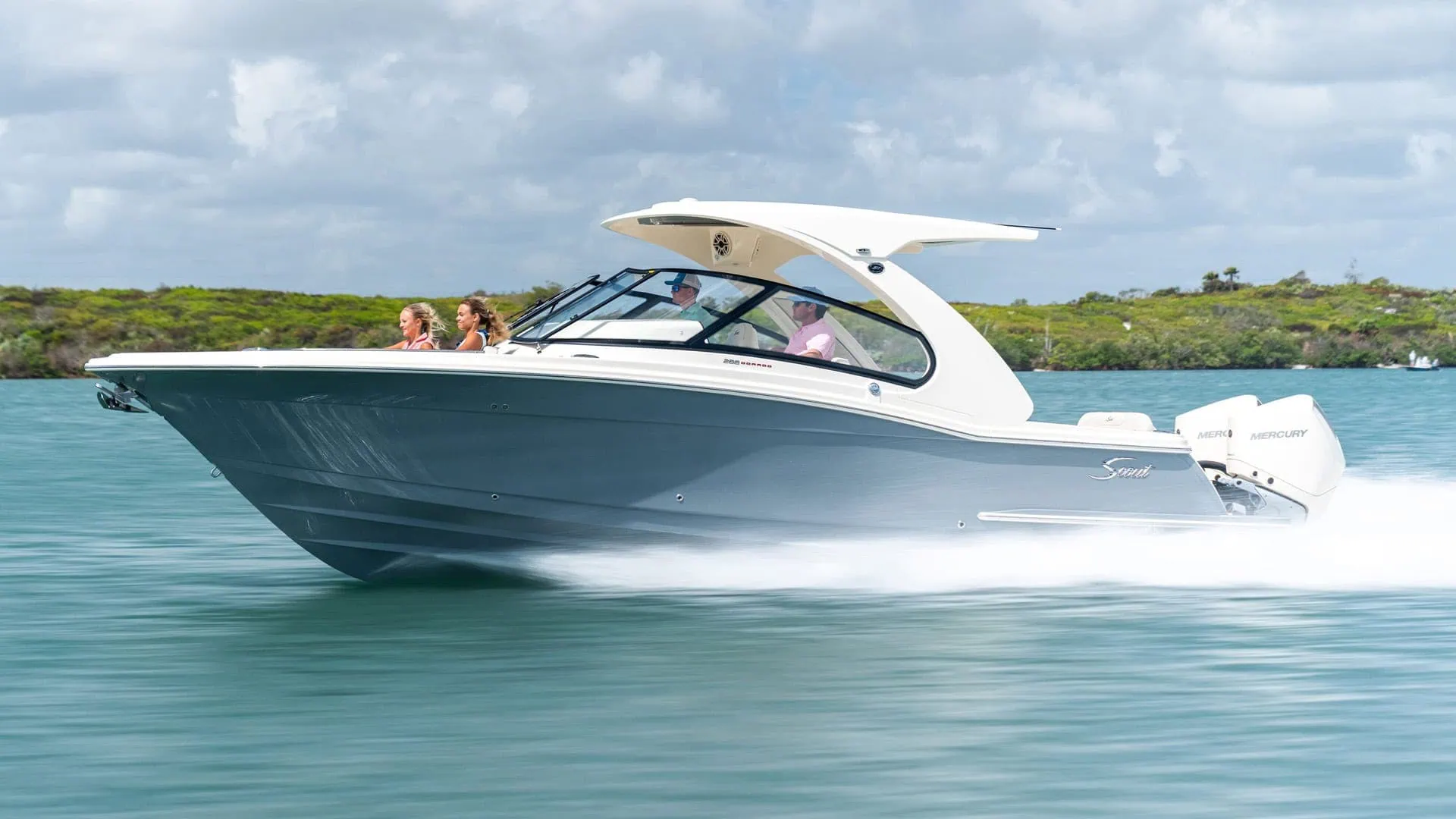
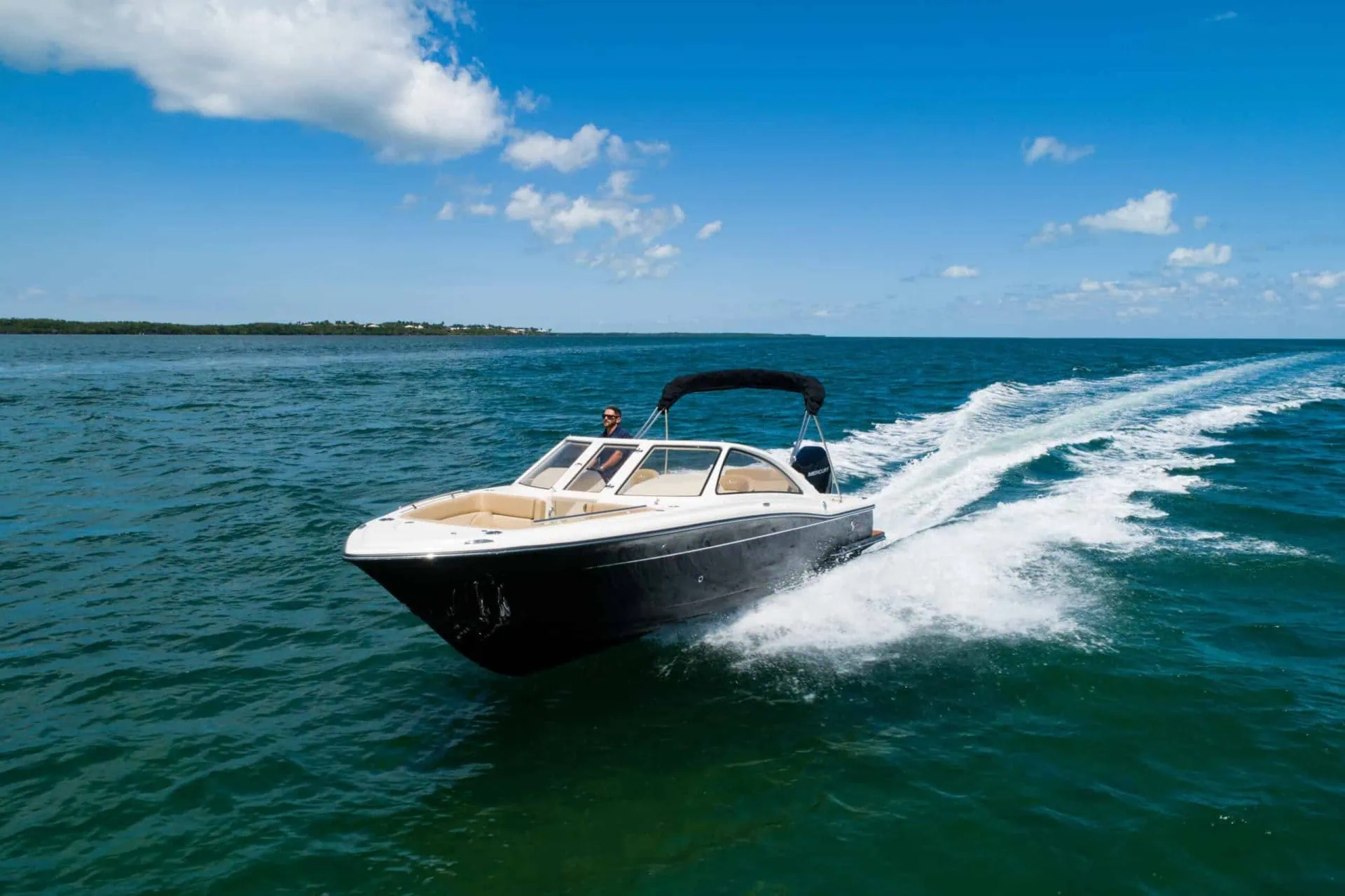
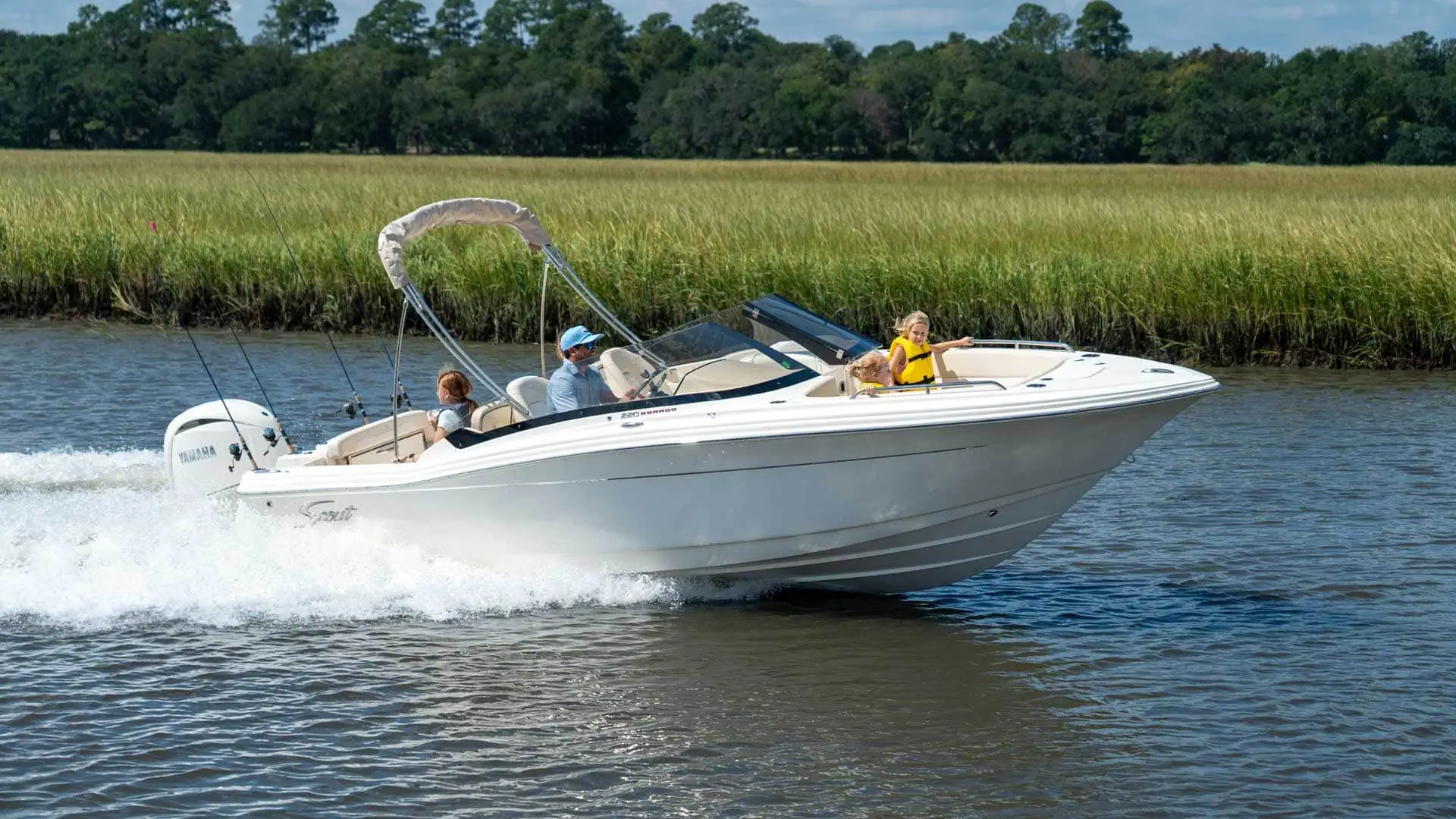
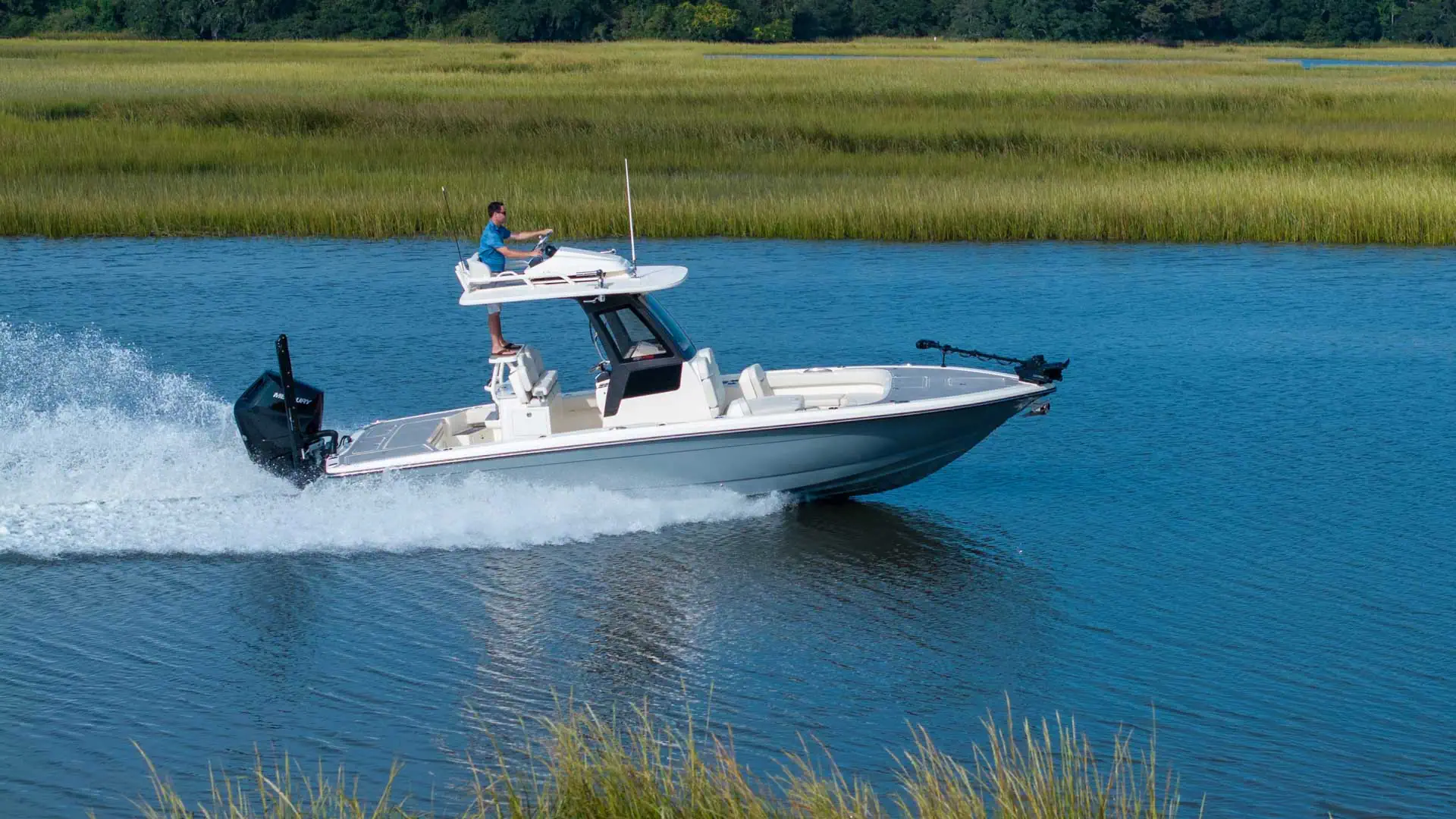
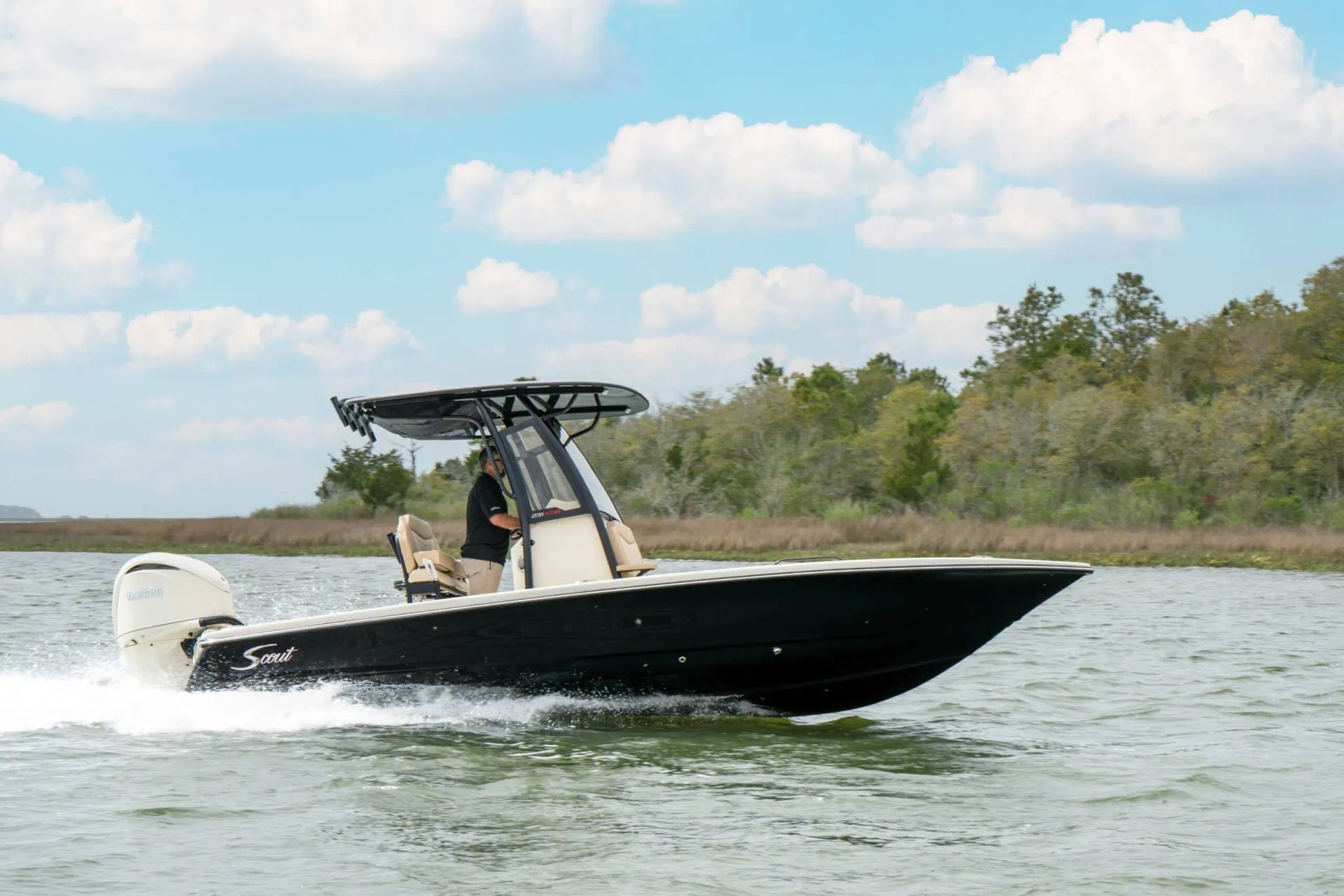
Live bait fishing is only as good as the boat behind it. Scout’s sportfishing models feature well-designed livewells, wide fishing decks, and smart layouts that keep bait healthy and anglers organized. Visit your local Scout dealer to find the model that matches how you like to fish live bait.