












New Hampshire has the shortest ocean coastline of any coastal state — roughly 18 miles — but anglers who write it off are missing out. That compact stretch of coast sits at the doorstep of the Gulf of Maine, with fast-moving tidal rivers, a large estuary, rocky offshore islands, and productive ledges all within a short run of port. Striped bass, groundfish, mackerel, and even bluefin tuna are all on the menu. Here’s where New Hampshire anglers find their best fishing.
The Piscataqua River and Portsmouth Harbor
The Piscataqua River forms the border between New Hampshire and Maine and is one of the most productive striped bass waters in the region. Its powerful tidal currents push bait through the harbor and around bridge abutments, ledges, and rocky points, creating ambush spots for stripers. These same currents demand respect — the Piscataqua is known for some of the strongest tidal flows on the East Coast, so plan your trips around the tide and run a boat with reliable power.
Great Bay Estuary
Upriver from Portsmouth, Great Bay is a large, sheltered tidal estuary fed by several rivers. Its mix of channels, mud flats, and eelgrass beds makes it excellent habitat for striped bass, especially in spring and early summer when fish follow bait into the estuary. Great Bay’s protected water also makes it a good option on windy days when the open ocean is too rough. Pay close attention to depth and tides here, since much of the bay is shallow and large areas drain at low water.
Hampton and Rye Harbors
Hampton Harbor and Rye Harbor serve as launch points for much of New Hampshire’s coastal fishing. The waters near both harbors hold striped bass along the beaches, jetties, and rocky shorelines, while mackerel often school up close to shore in summer and make great live bait for bigger fish. Both harbors also provide access to nearshore ledges and the run out to the Isles of Shoals.
The Isles of Shoals
About six miles off the coast, the Isles of Shoals are a cluster of rocky islands straddling the New Hampshire–Maine border. The surrounding waters drop off quickly into deep, cold water, making the Shoals a reliable spot for pollock, cod, haddock, and mackerel, along with striped bass around the rocky edges. The islands’ mix of structure and current concentrates bait, and they’re within reach of a capable center console on a calm day. As with any Gulf of Maine groundfishing, regulations for cod and haddock change frequently, so check current rules before you go.
Jeffreys Ledge
Farther offshore, Jeffreys Ledge is a long underwater ridge that stretches along the coast of New Hampshire and northern Massachusetts. Its cold, nutrient-rich water attracts large schools of baitfish, which in turn draw groundfish and bluefin tuna. Jeffreys Ledge is also an important feeding area for whales, so keep a careful lookout and slow down when whales are in the area. This is a true offshore run, best attempted in a boat built for open water with a solid weather window.
Timing Your Season
New Hampshire’s fishing season is shorter than in southern states but packs plenty of action. Striped bass arrive in late spring and remain through early fall, with peak fishing in the rivers and estuary early in the season. Mackerel fill in through summer and are a staple live bait. Groundfish are available on the ledges and around the Shoals through much of the season, subject to regulations, and bluefin tuna move onto the offshore grounds in summer and early fall. Ocean water stays cold here even in summer, so dress for it and carry proper safety gear.
FAQ
Is New Hampshire good for striped bass fishing? Yes. The Piscataqua River, Great Bay, and the state’s beaches and jetties are all productive striped bass waters, especially from late spring through early fall.
How far are the Isles of Shoals from the New Hampshire coast? The Isles of Shoals sit about six miles offshore, within reach of a capable boat on a calm day.
Can you catch bluefin tuna off New Hampshire? Yes. Bluefin tuna move onto offshore grounds like Jeffreys Ledge in summer and early fall, though reaching them requires a boat built for open-water runs.
What makes the Piscataqua River challenging to fish? The Piscataqua has some of the strongest tidal currents on the East Coast, so anglers need to plan around the tide and run a boat with reliable power.
Built for the Gulf of Maine
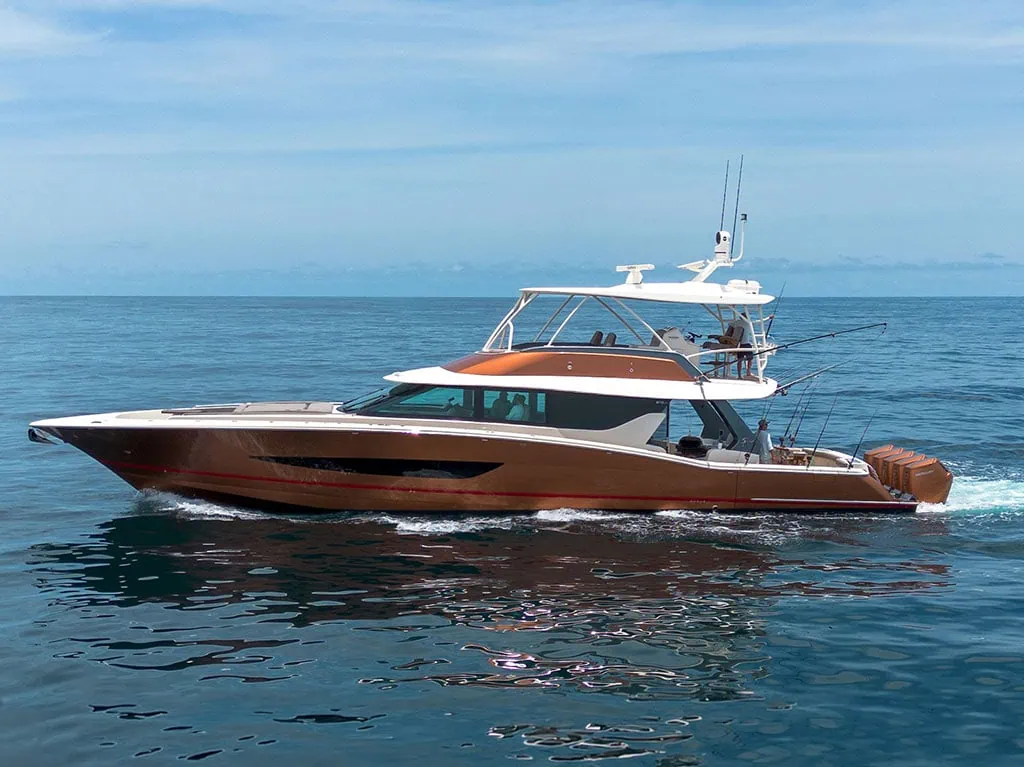
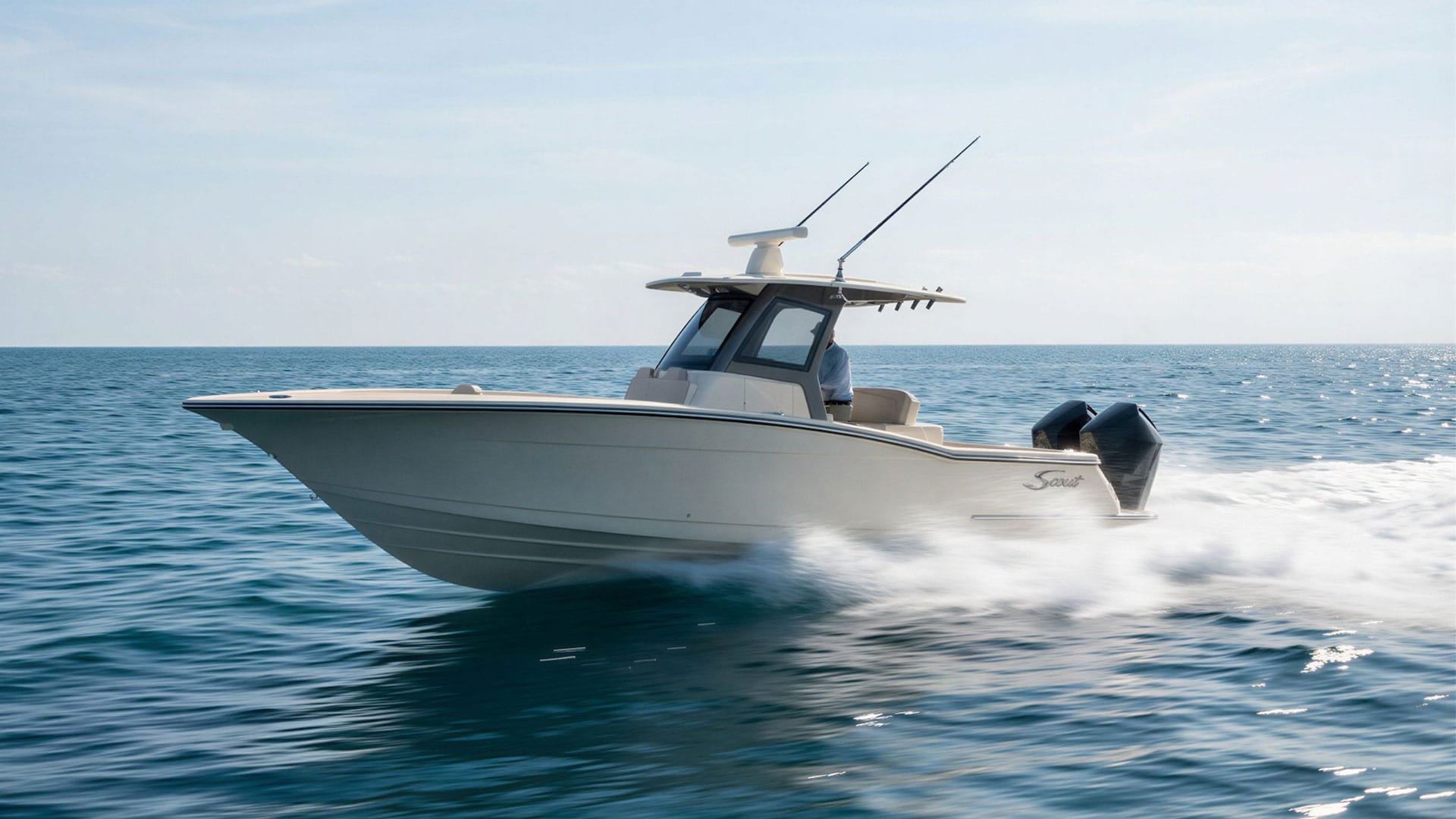
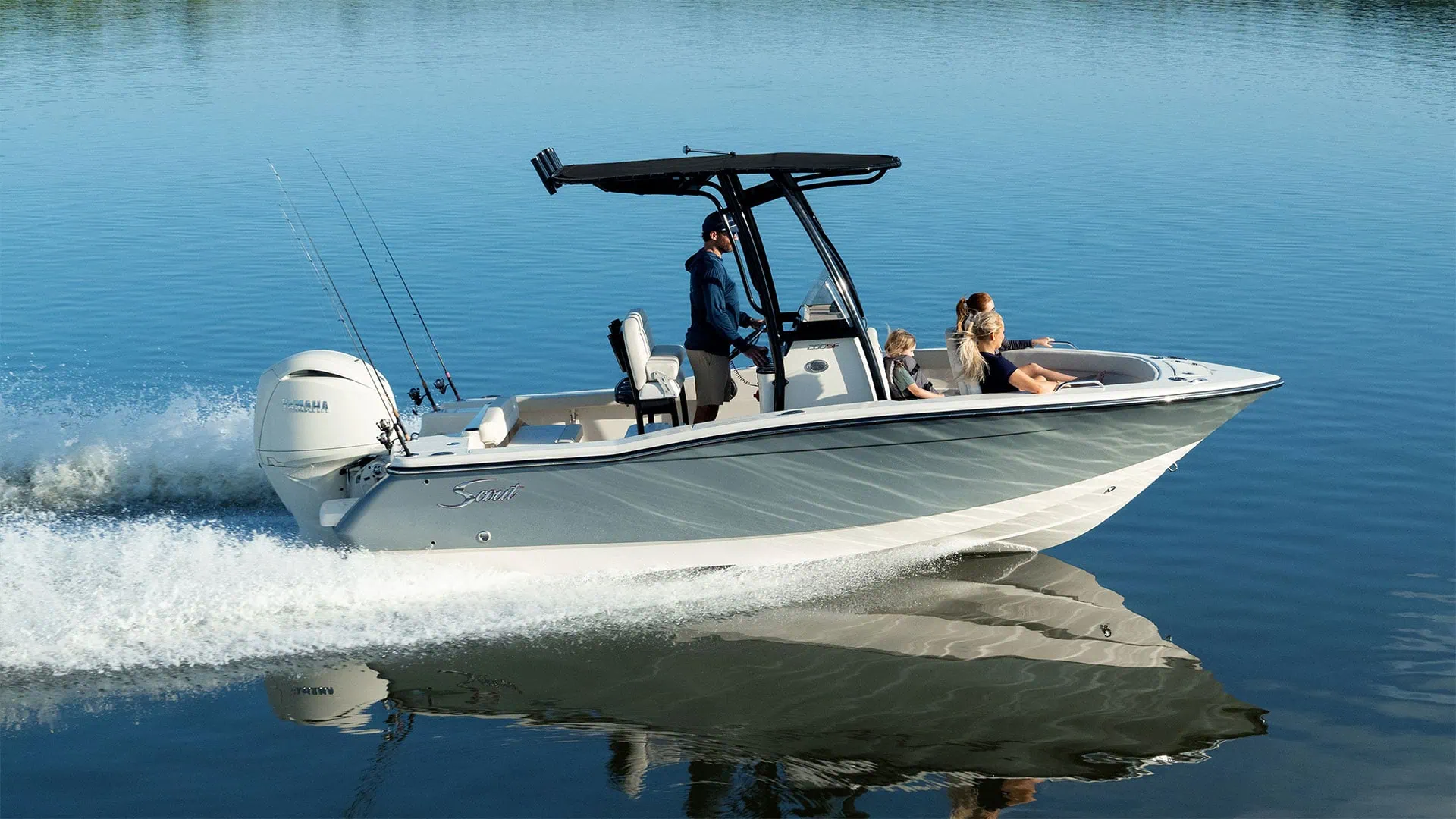
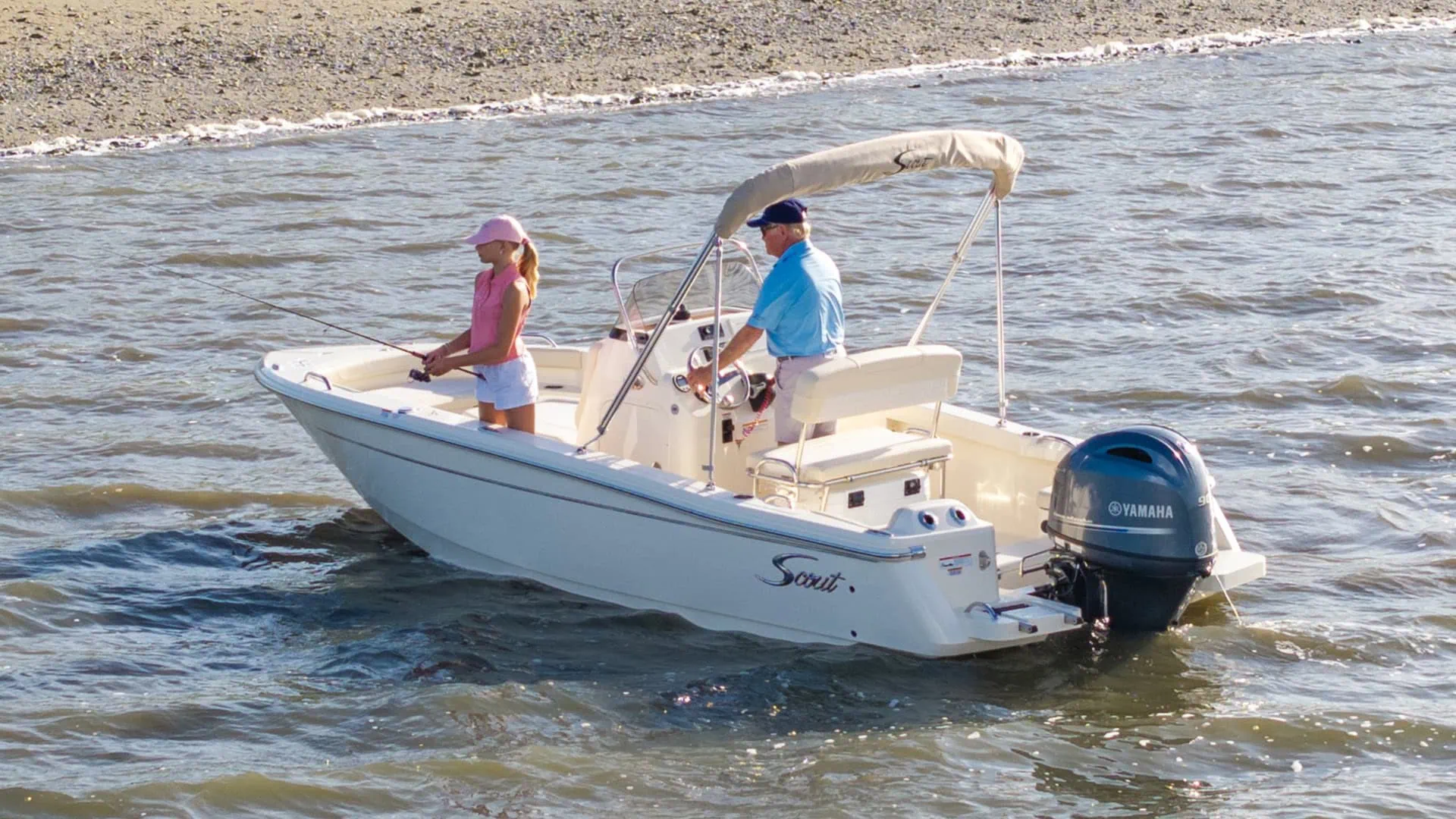
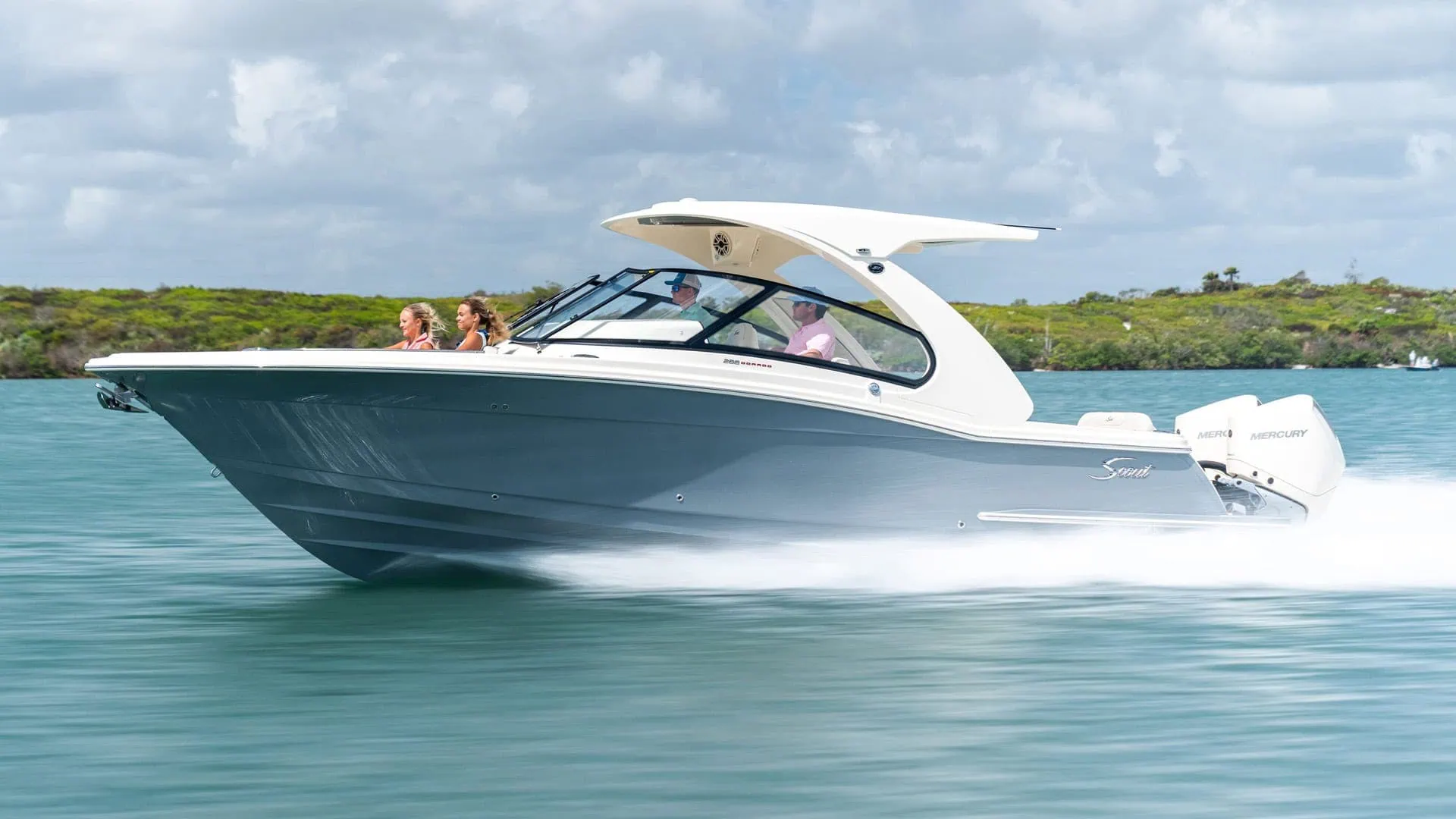
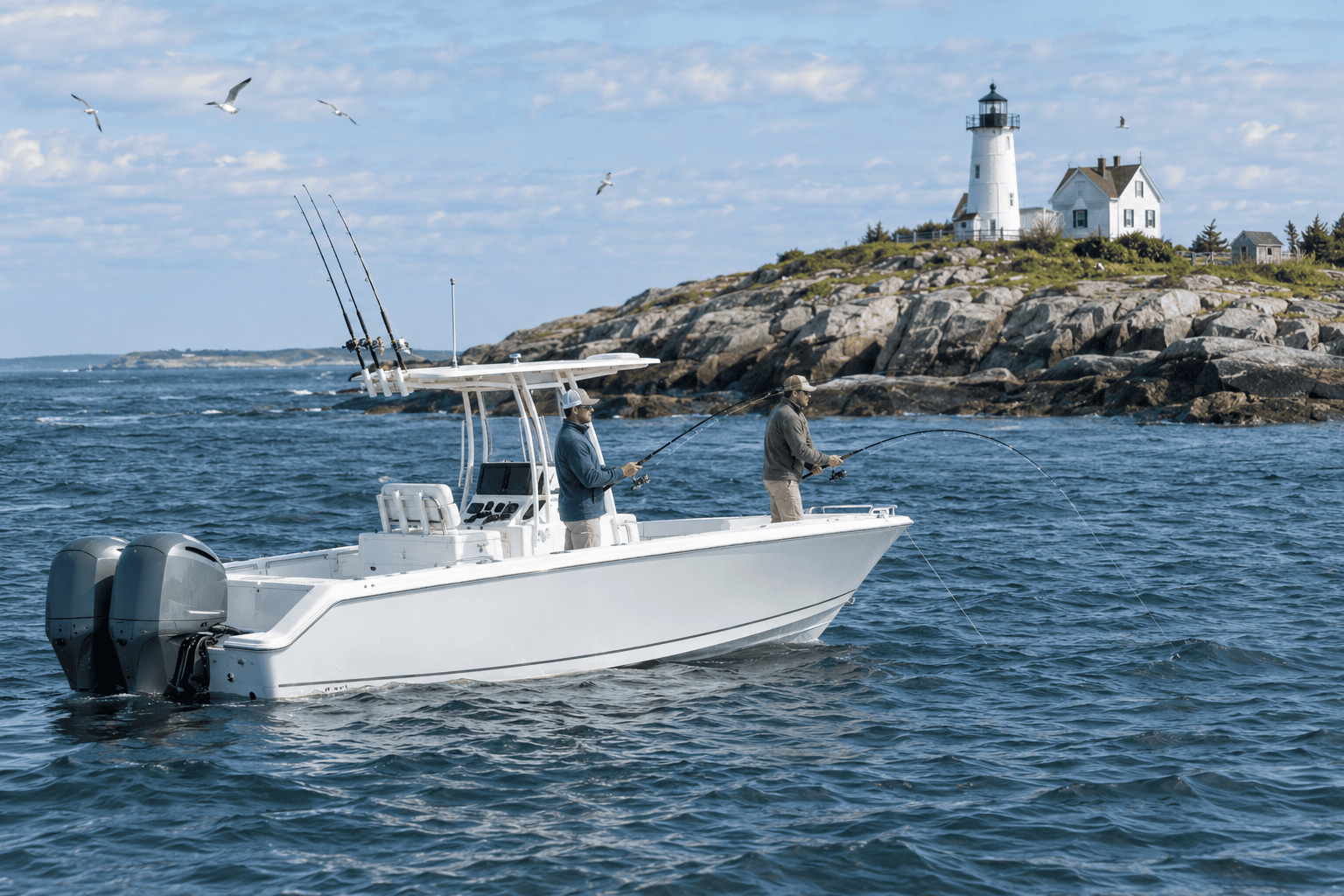
Cold water, strong currents, and offshore ledges make New Hampshire a demanding place to fish — and a rewarding one for anglers with the right boat. Scout’s center consoles combine a deep-V hull for open-water runs with the fishability to work tight harbors, rivers, and rocky islands.
Discover the perfect Scout Boat to elevate your time on the water and experience the ultimate in coastal performance and comfort. Find your Scout Boat today.