












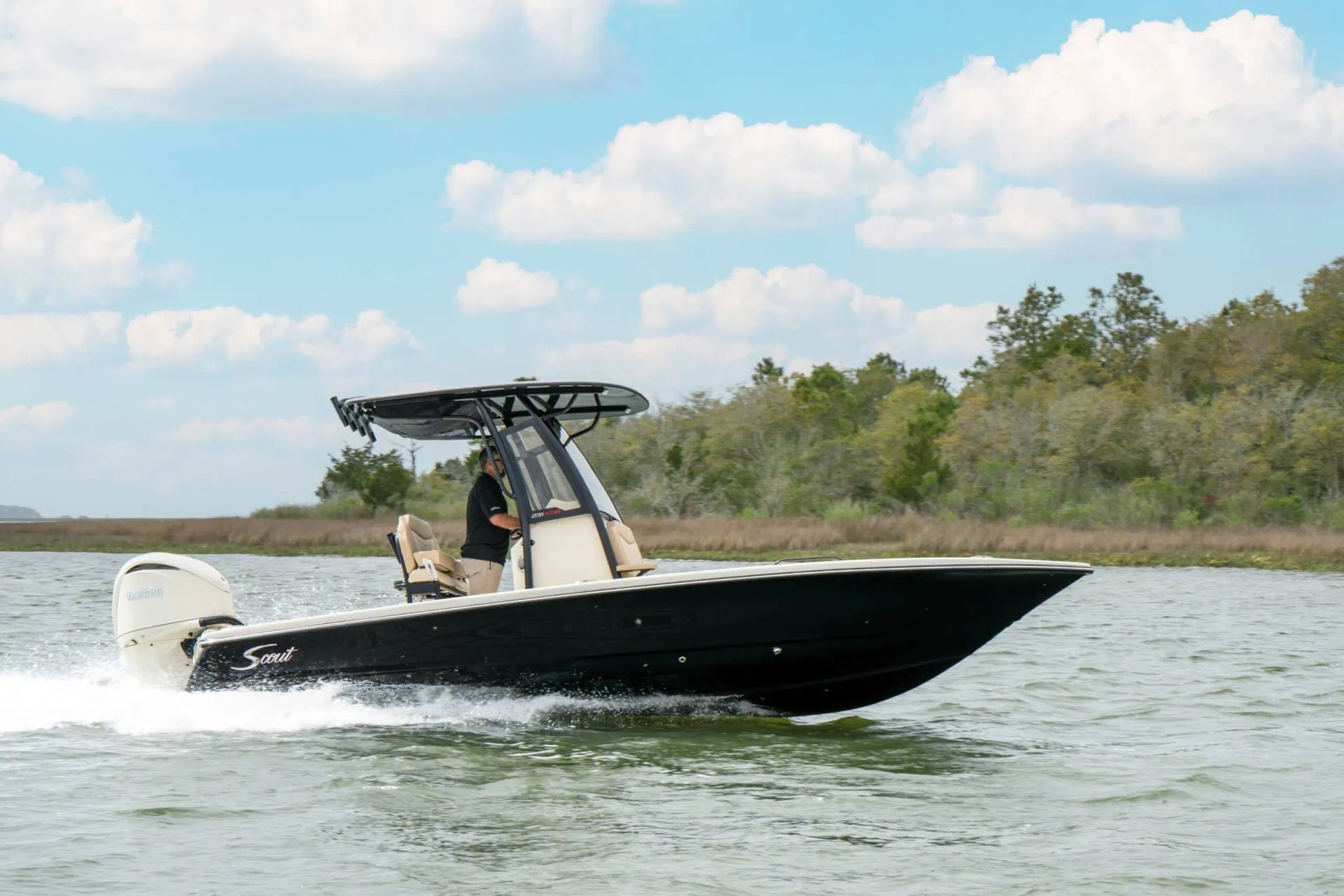

Hot weather is prime boating season, but it’s also hard on a boat in ways that aren’t always obvious. Heat builds up in enclosed compartments, humidity condenses inside hatches and consoles, and summer thunderstorms dump heavy rain into cockpits that need to drain quickly. A boat’s ventilation and drainage systems quietly handle all of this — until a clogged scupper or a stuffy compartment turns into mildew, corrosion, or a safety problem. Understanding how these systems work helps you keep your boat cleaner, safer, and in better shape through the hottest months of the year.
Why Heat and Humidity Are Hard on a Boat
Enclosed spaces on a boat — consoles, storage lockers, the bilge, and cabin areas — trap warm, humid air. When temperatures drop overnight, that moisture condenses on cooler surfaces, creating the damp conditions mold and mildew thrive in. Over time, trapped moisture can also corrode electrical connections, stain upholstery, and leave stored gear smelling musty. Good airflow keeps humidity from settling in and gives compartments a chance to dry out between trips.
Bilge Ventilation and Fuel Vapor Safety
On boats with gasoline inboard or sterndrive engines, ventilation is a critical safety system, not just a comfort feature. Gasoline vapors are heavier than air and can collect in the bilge and engine compartment, where a single spark can ignite them. That’s why these boats are equipped with powered blowers and ventilation ducts. The U.S. Coast Guard recommends running the blower for at least four minutes before starting the engine and checking the engine compartment for fuel odors. Most outboard-powered center consoles don’t have an enclosed engine compartment, but they still have fuel tanks, lines, and bilge spaces worth inspecting for leaks and odors, especially in hot weather when fuel expands and vapor pressure rises.
Keep Scuppers and Cockpit Drains Clear
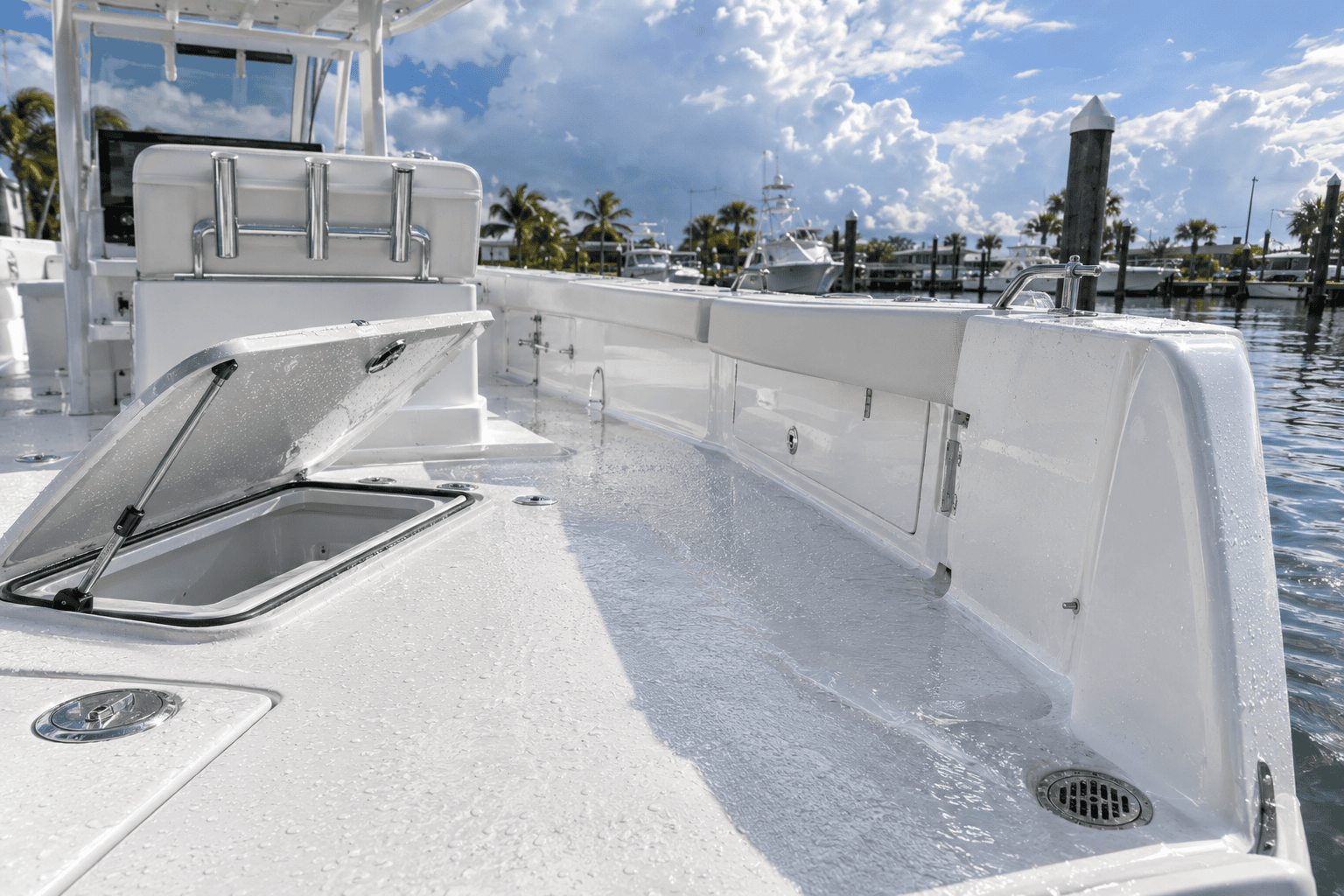
Self-bailing cockpits rely on scuppers and deck drains to move water off the deck and overboard. Summer storms can drop a lot of rain fast, and a cockpit full of water adds weight, lowers freeboard, and can find its way into hatches and storage. Make it a habit to check scuppers and drain lines for leaves, fishing line, bait scraps, and other debris, and flush them with fresh water after each trip. If your scuppers have flapper valves or check valves, make sure they open and close freely so water drains out without letting the sea back in.
Don’t Overlook Hatch Gutters and Fish Box Drains
Hatch gutters channel rainwater and spray away from storage compartments, but they clog easily with sand and debris. When they back up, water spills into lockers where gear and electronics are stored. Fish boxes and livewells also drain overboard or to the bilge, and in hot weather, a box that doesn’t drain fully becomes a source of odor and bacteria within hours. After each trip, rinse fish boxes thoroughly, check that drains run freely, and leave the lids open to dry when the boat is stored.
Bilge Pumps Are Your Backup
Even with good drainage, water finds its way into the bilge. Test your bilge pumps and float switches regularly, especially before summer storm season and before leaving the boat on a mooring or in a slip. Clear debris from the pump intake, confirm the discharge line isn’t kinked or clogged, and check that the battery powering the automatic pump is fully charged. A pump that fails during a week of afternoon thunderstorms can let a boat take on a dangerous amount of water at the dock.
Smart Storage Habits for Hot Weather
When the boat is sitting between trips, small habits make a big difference. Crack hatches open slightly or use vented covers so air can move through compartments. Remove wet towels, PFDs, and cushions so they can dry rather than sitting damp in a locker. Use a breathable boat cover that sheds rain but still allows airflow, and consider moisture absorbers or a small solar-powered vent fan for enclosed consoles and cabins. Keeping the bilge clean and dry also makes it easier to spot new leaks before they become bigger problems.
FAQ
How long should I run my bilge blower before starting the engine? For boats with gasoline inboard or sterndrive engines, the U.S. Coast Guard recommends running the blower for at least four minutes and checking for fuel odors before starting.
How do I keep mold and mildew out of my boat in the summer? Improve airflow by venting hatches, use a breathable cover, remove damp gear after each trip, and consider moisture absorbers or a solar vent fan in enclosed spaces.
How often should I clean my scuppers? Flush scuppers and deck drains with fresh water after each trip and check them for debris before storm season or before leaving the boat unattended.
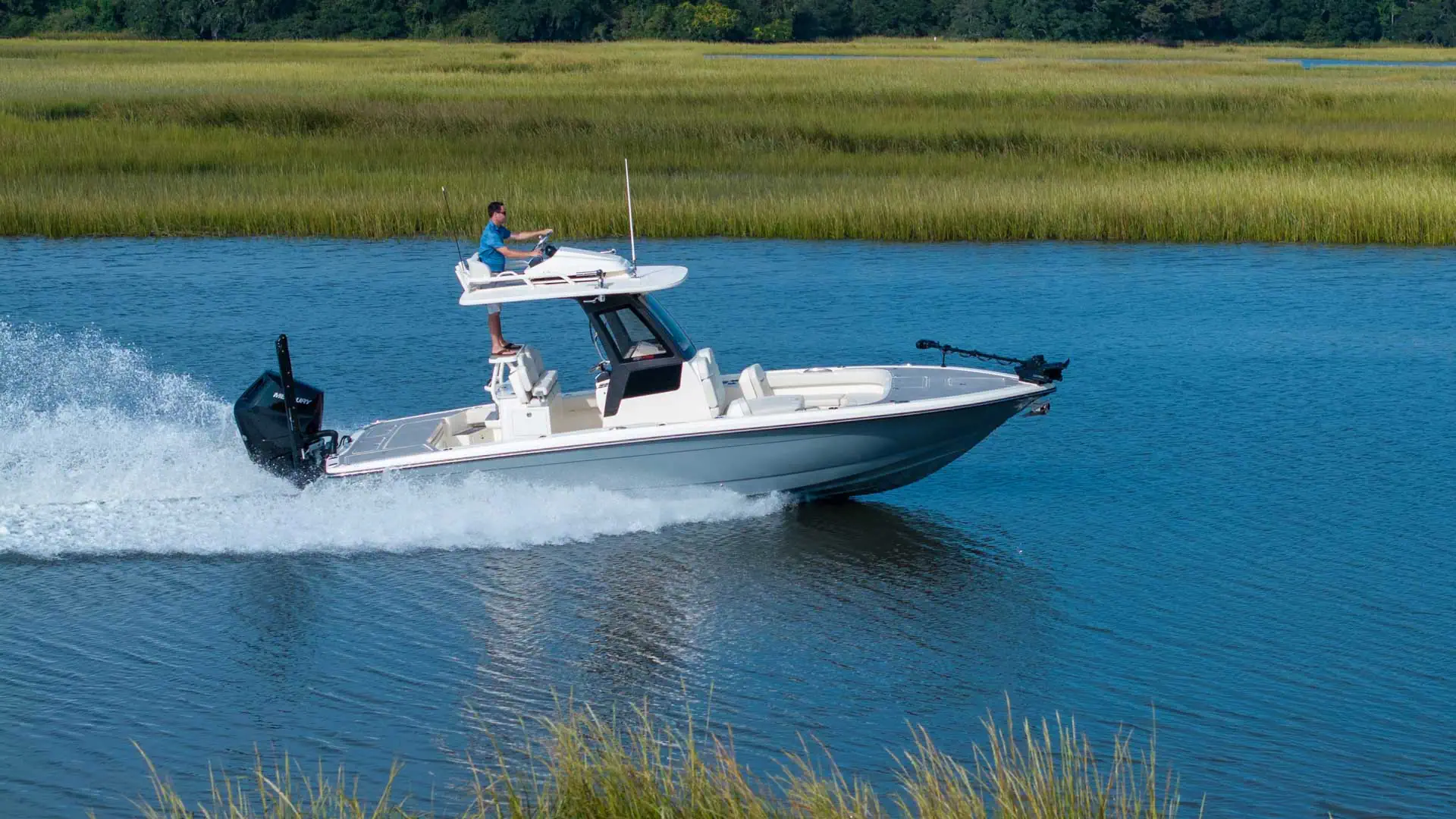
Do outboard boats need bilge ventilation? Most outboard center consoles don’t have an enclosed engine compartment requiring a blower, but you should still inspect fuel tanks, lines, and bilge areas for leaks and odors.
Built to Breathe and Drain
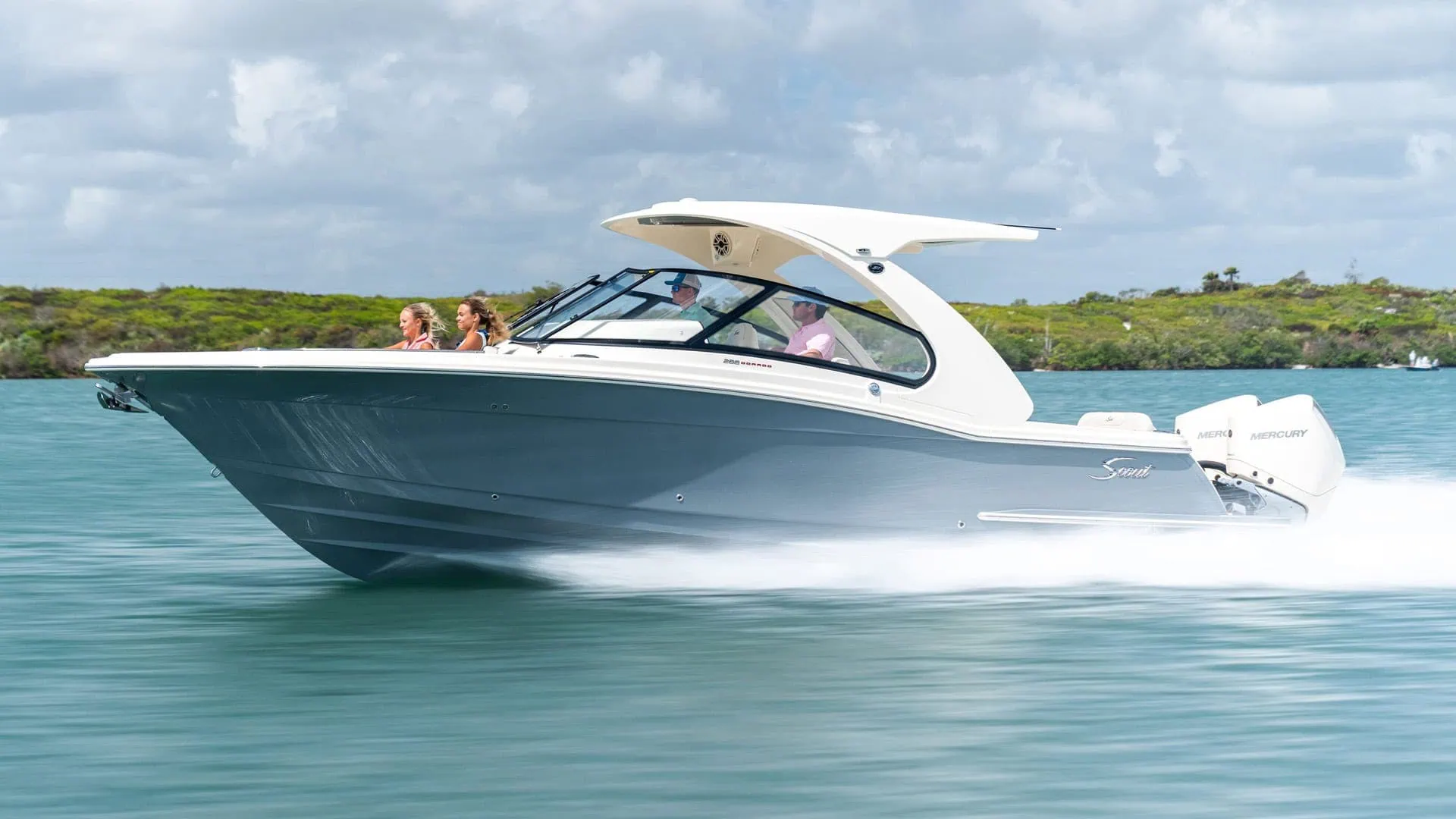
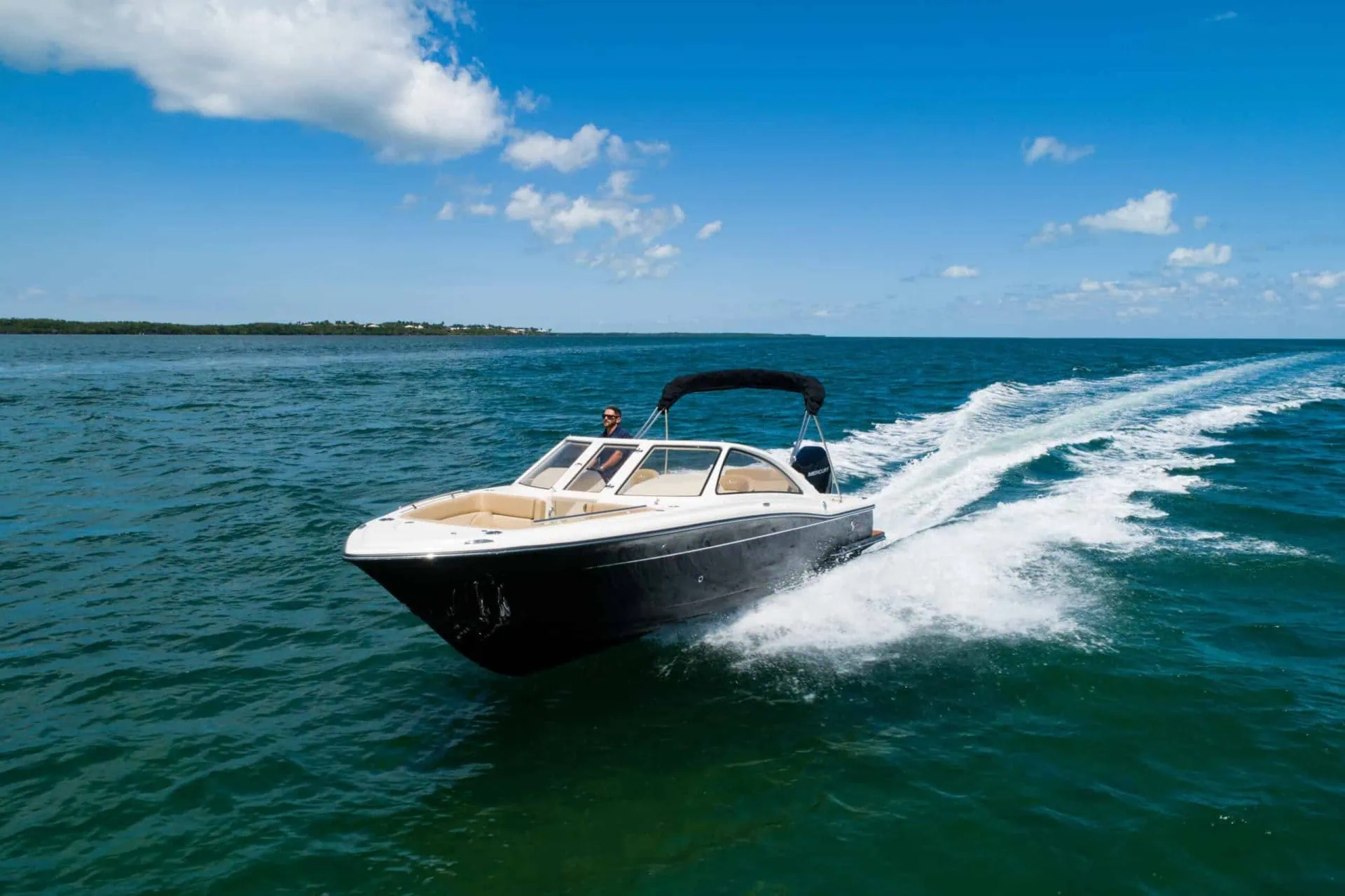
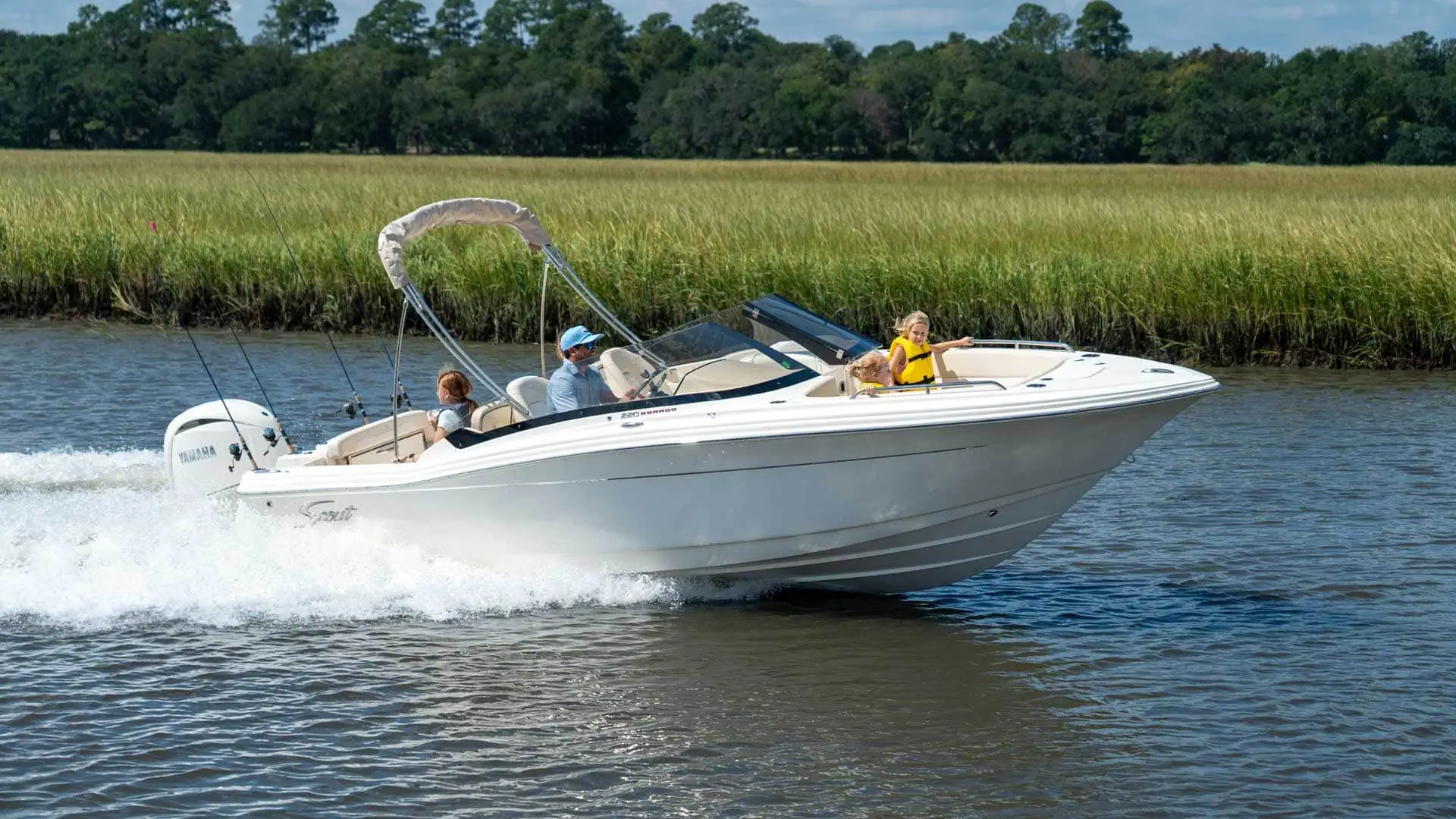
The best defense against hot-weather problems is a boat designed with good ventilation and drainage from the start. Scout boats are built with self-bailing cockpits, well-engineered drain systems, and thoughtful storage layouts that help keep your boat dry, clean, and ready for the next trip. Discover the perfect Scout Boat to elevate your time on the water and experience the ultimate in coastal performance and comfort. Find your Scout Boat today.