













Tournament season doesn’t forgive shortcuts. A hull that runs a knot slower than it should, a reel with a tired drag, or electronics that glitch out over a canyon can cost you the fish that decides the leaderboard. The best tournament teams don’t just show up with good instincts—they show up with a boat and a system that’s been checked, double-checked, and stress-tested well before the first line goes in the water. Here’s how to get your boat and your program ready for tournament season.
Start With the Rules, Not the Rods
Before you touch a wrench or a reel, read the tournament rules cover to cover — boundaries, eligible species, minimum sizes, weigh-in windows, and any IGFA-style line and leader regulations. Disqualifications rarely come from bad fishing; they come from a leader that’s an inch too long or a fish brought in a minute past the cutoff. Knowing the rules in detail also tells you what gear actually matters this trip, so your prep time goes where it counts.
Engine, Hull, and Systems Checks
Tournament runs often mean long hours at cruise speed to and from the grounds, so mechanical reliability comes first. Have your engines serviced — oil, filters, impellers, and belts — well ahead of the event, not the night before, so there’s time to fix anything that turns up. Check the hull for fouling, inspect through-hulls and bilge pumps, and run the batteries and charging system under load. A fresh coat of bottom paint or a quick haul-out inspection can be the difference between running at cruise speed and running slow all day worrying about a soft spot in the hull.
Electronics and Communication
Your electronics are your eyes offshore. Update chartplotter and radar software, confirm your fishfinder is marking bait cleanly, and verify your VHF radio transmits and receives clearly on multiple channels. If the tournament requires photo or video documentation of catches, test every camera, charge every battery, and double-check that timestamps are accurate — a blurry photo or a wrong date can void an otherwise winning fish.
Tackle, Rigging, and Bait
Rig well ahead of tournament day, not the morning of. Spool fresh main line, replace worn leaders, and set drags on a scale rather than by feel. A good rule of thumb from veteran tournament captains: prepare roughly three times the rigs you expect to actually use, then inspect every hook point, crimp, and swivel before it goes in the spread. Rig and vacuum-seal ballyhoo or other trolling baits in advance so a hot bite doesn’t run you out of clean bait halfway through the day. Keep a few premium live baits in reserve for tournament day itself, using anything questionable only during pre-fishing.
Safety Gear Doesn’t Take a Day Off
Tournament conditions can push a boat and crew further offshore, for longer hours, than a typical weekend trip. Confirm PFDs are on board and properly sized for everyone aboard, check flares and EPIRB battery dates, and make sure your first aid kit is stocked and not left over from two seasons ago. A ditch bag with water, a handheld VHF, and a signaling mirror is cheap insurance for a long-range run.
Landing Gear and Fish Care
Sharpen gaff points and check that flying gaffs are rigged correctly, since a dull gaff or a bad rig can cost you a fish at the boat after hours of work. Once a fish is landed, plug gaff holes and keep it wet and cool to preserve weight for the scales — tournament winners are sometimes decided by ounces.
FAQ
How far in advance should I start prepping my boat for a tournament? Begin engine and hull maintenance at least two to three weeks out, giving yourself time to order parts or schedule service. Finish tackle rigging and electronics checks in the final week.
What’s the most commonly overlooked tournament prep item? Drag settings. Anglers often set drags “by feel” instead of with a scale, which leads to lost fish or broken lines under tournament pressure.
How much extra tackle should I bring to a tournament? A good baseline is roughly three times the rigs you expect to use, since a hot bite or a run of break-offs can burn through tackle fast.
Show Up Tournament-Ready
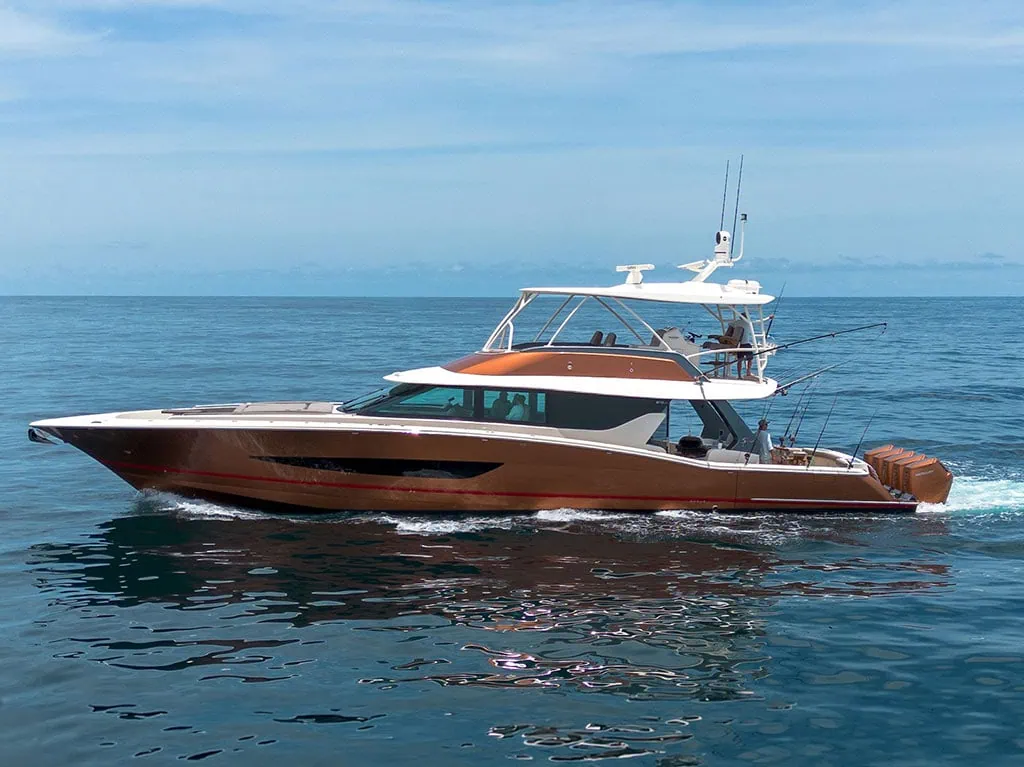
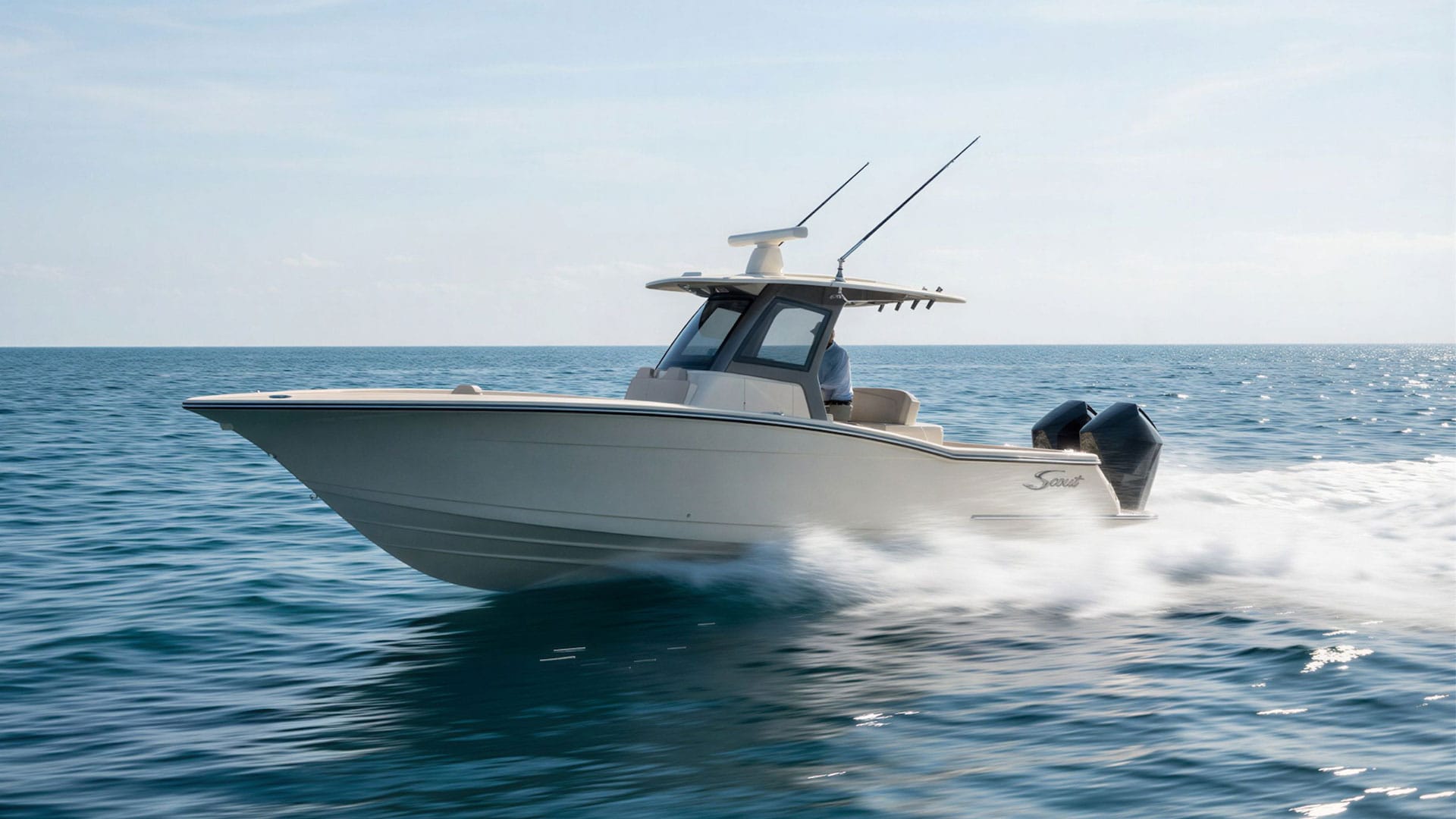
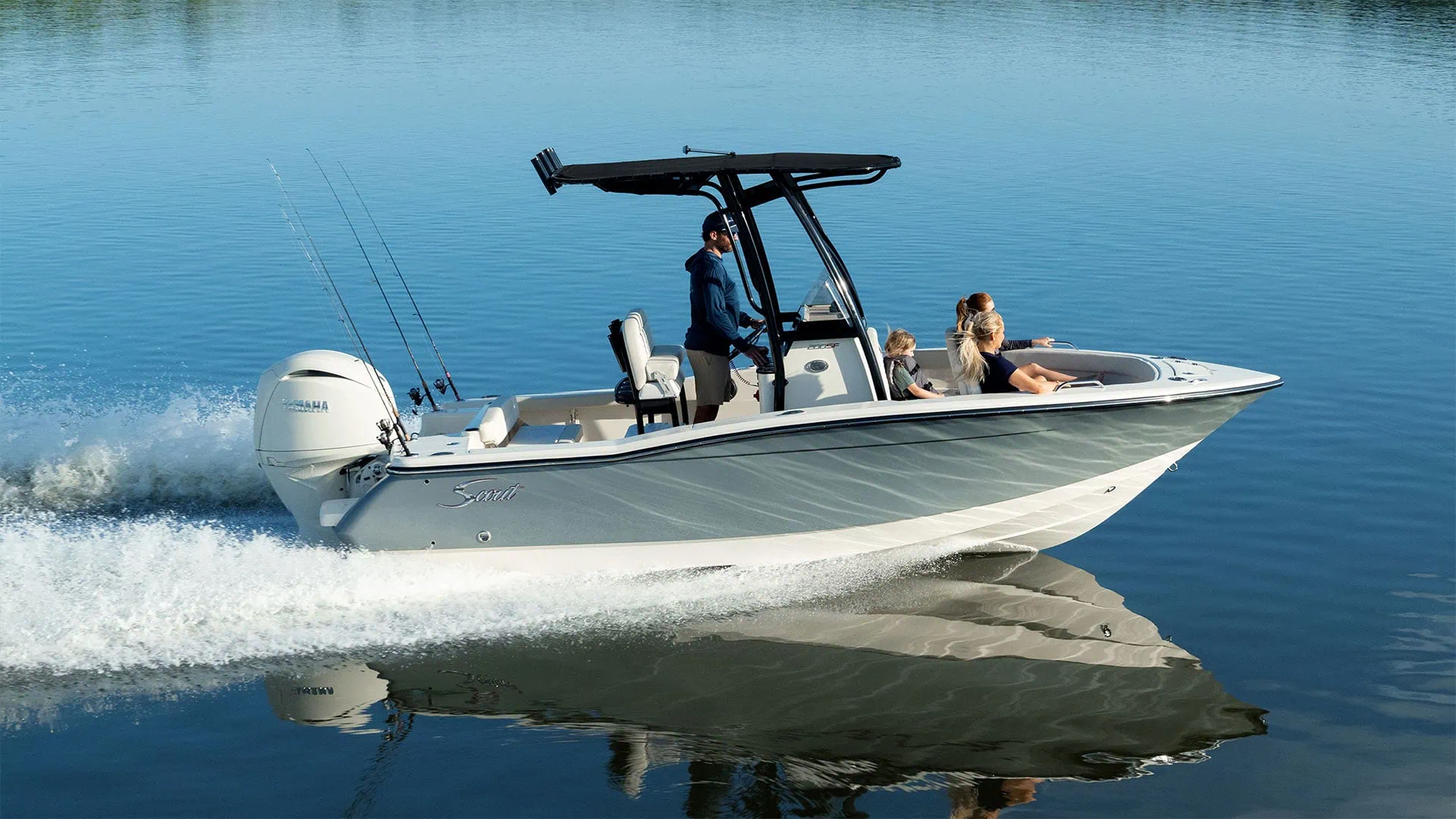
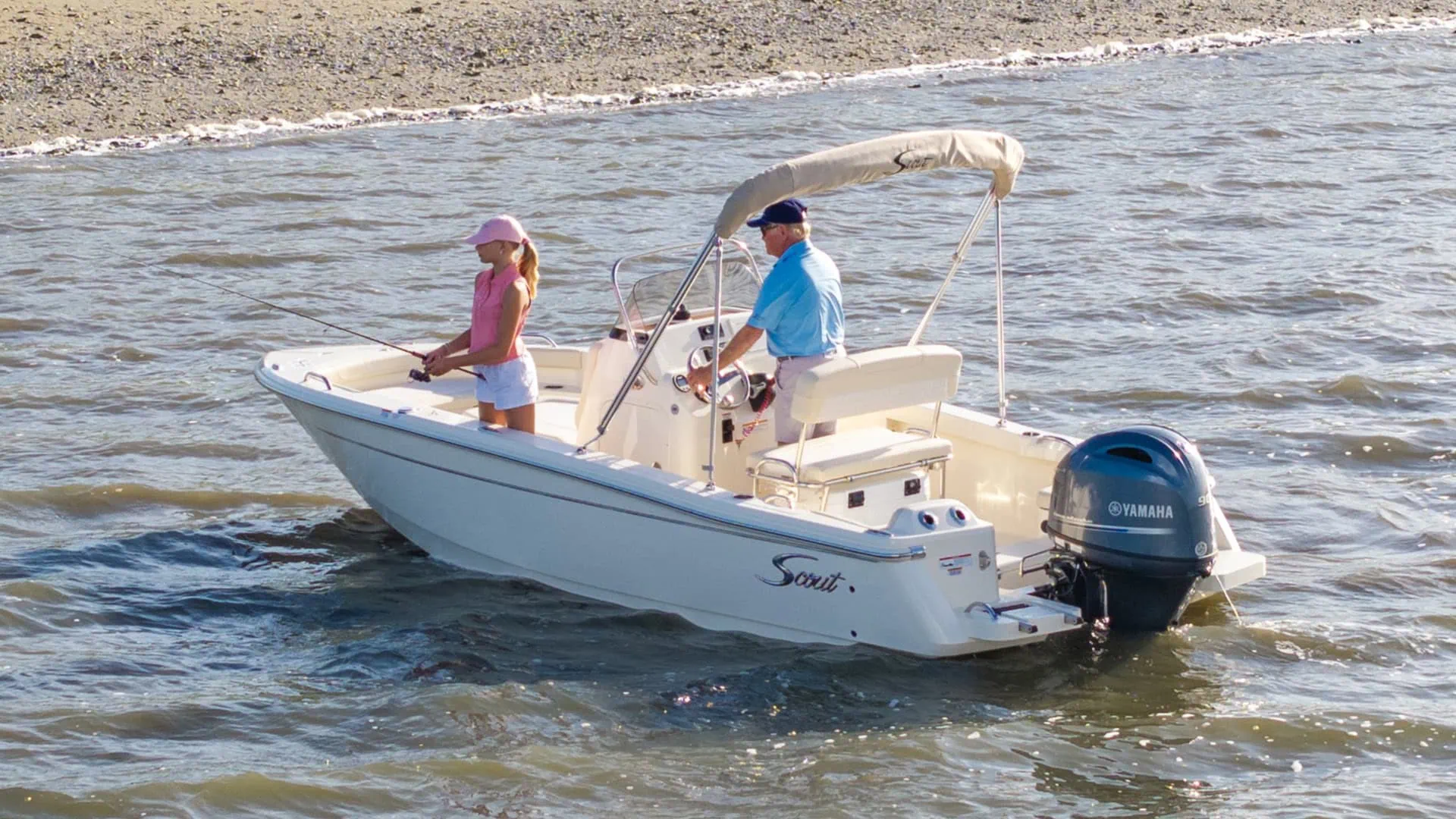
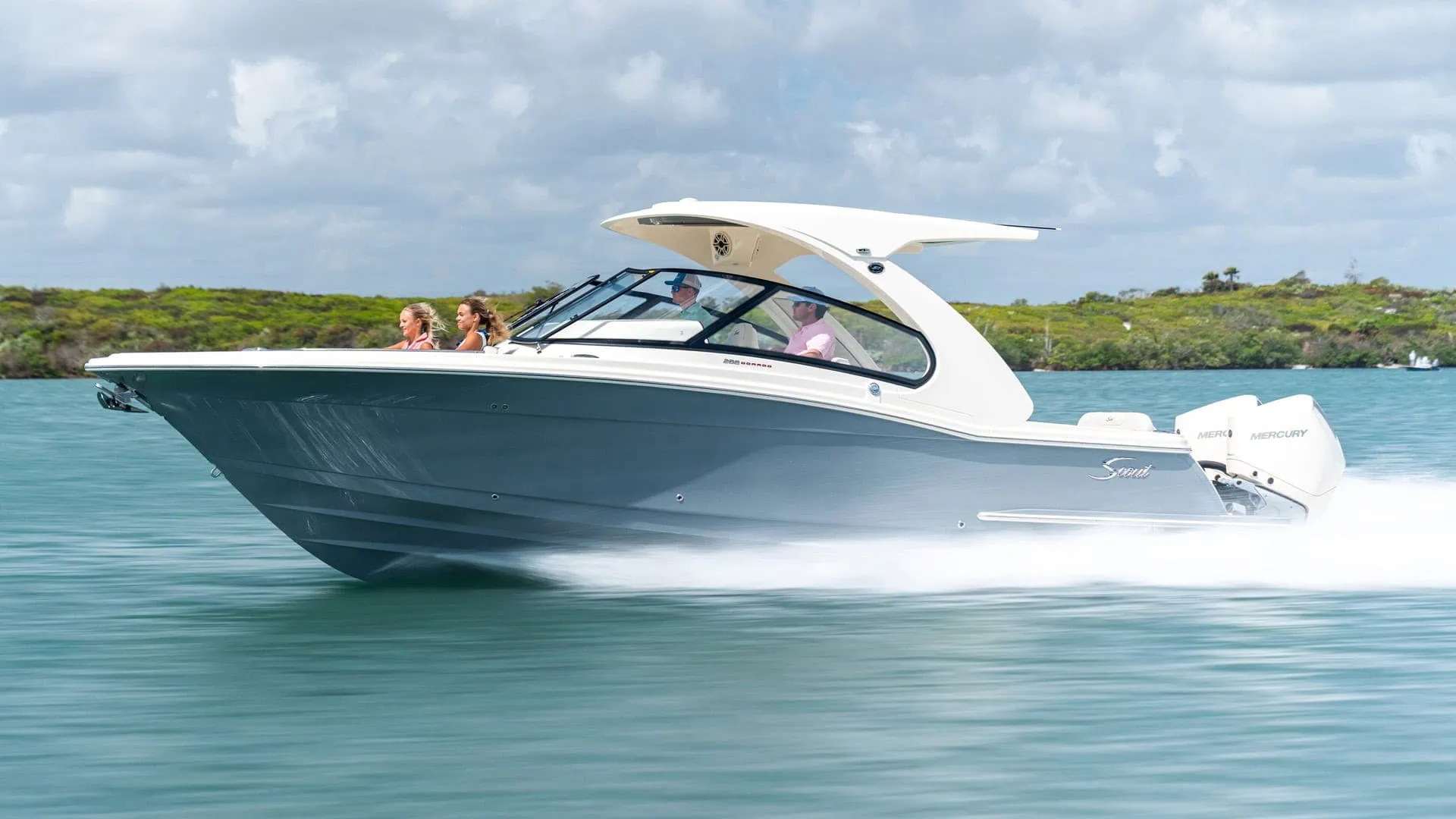
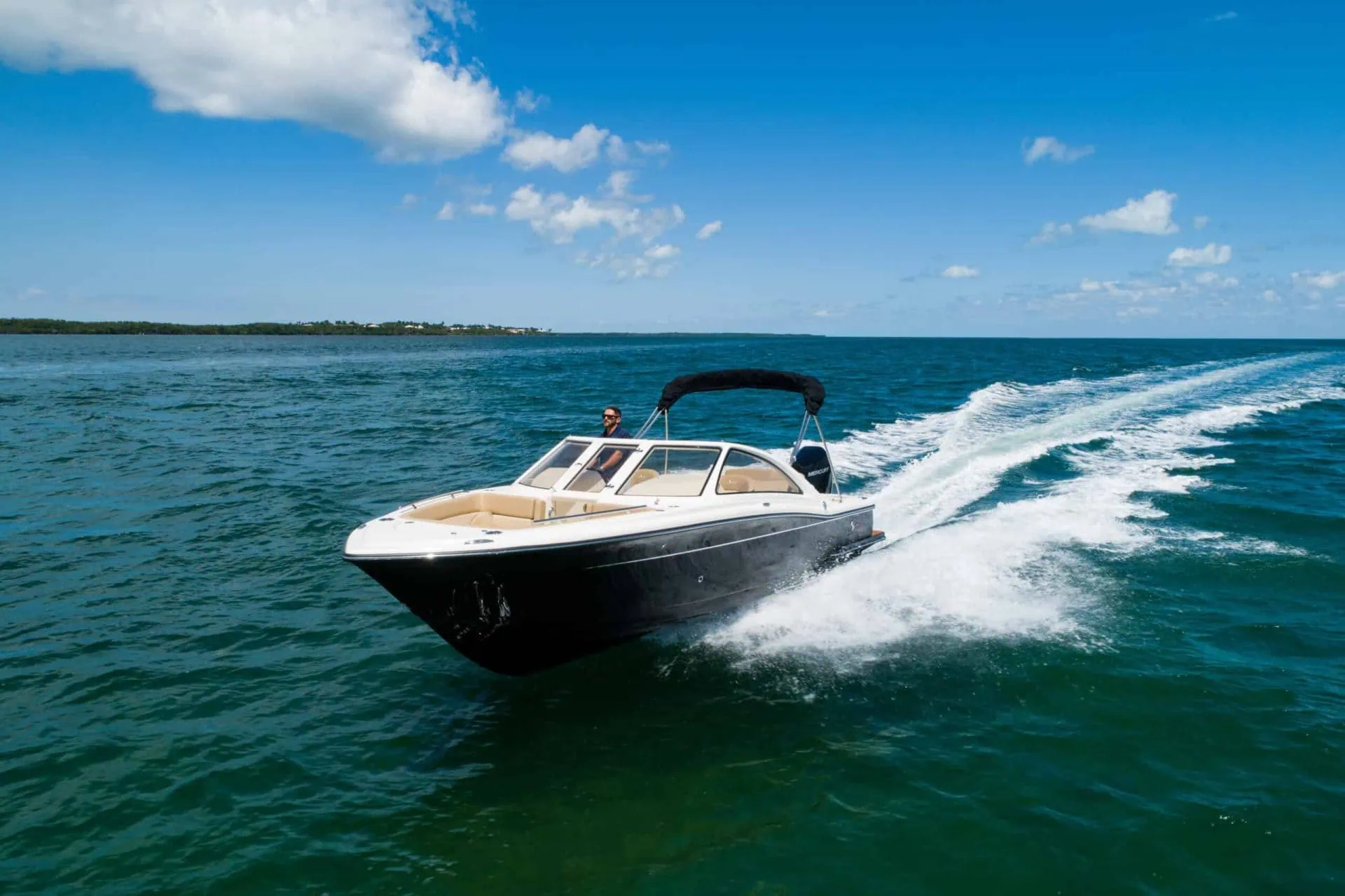
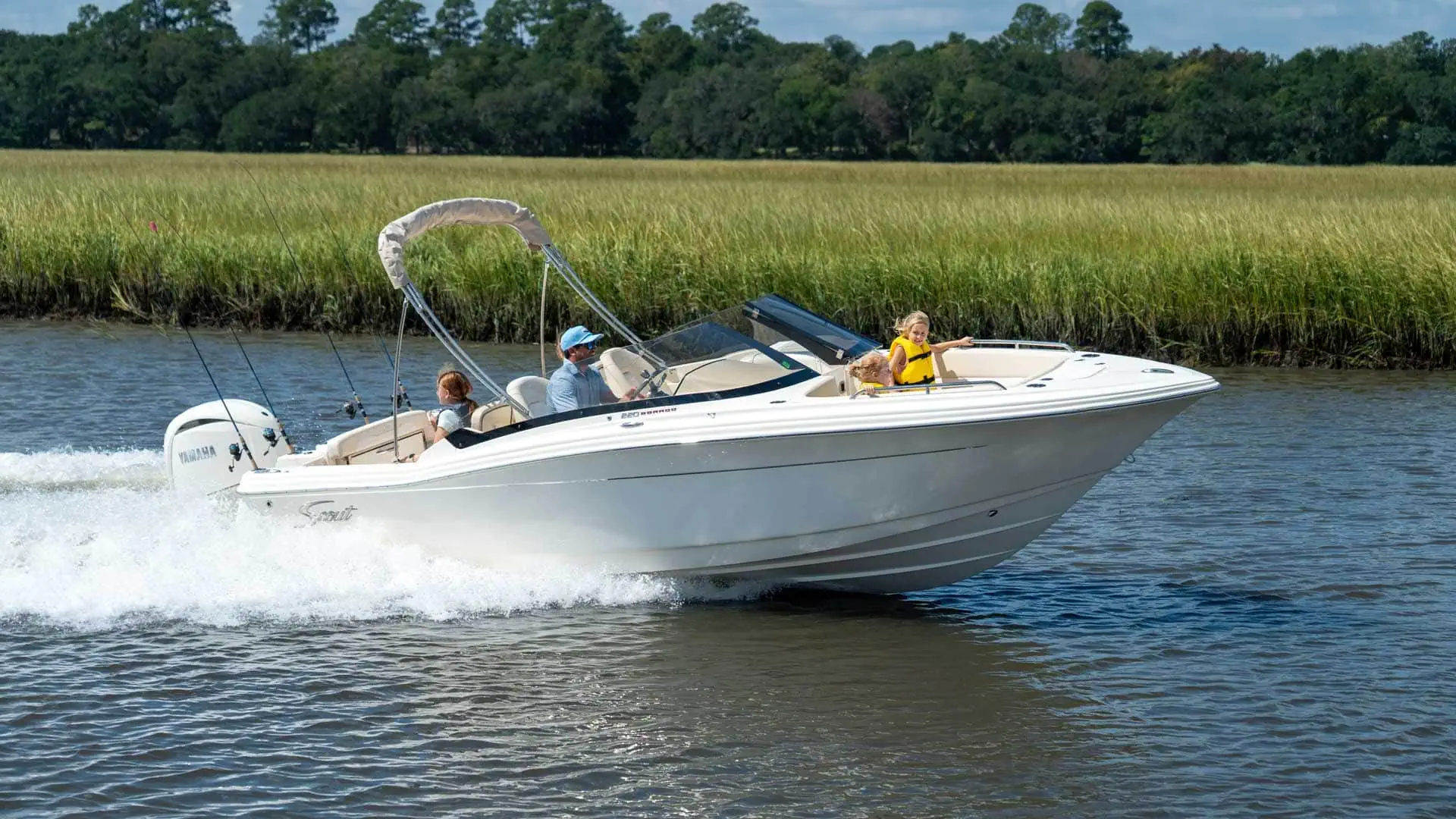
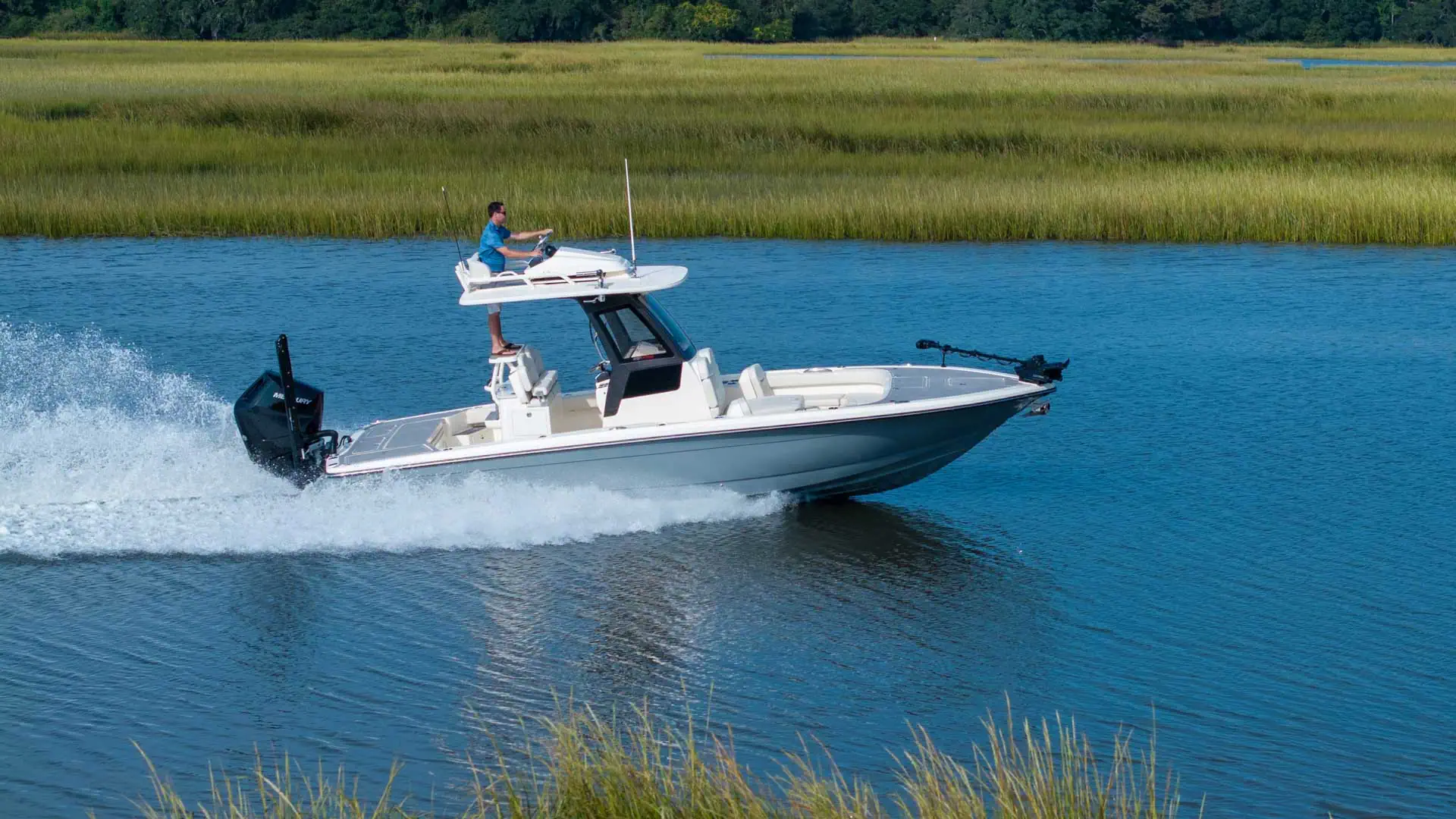
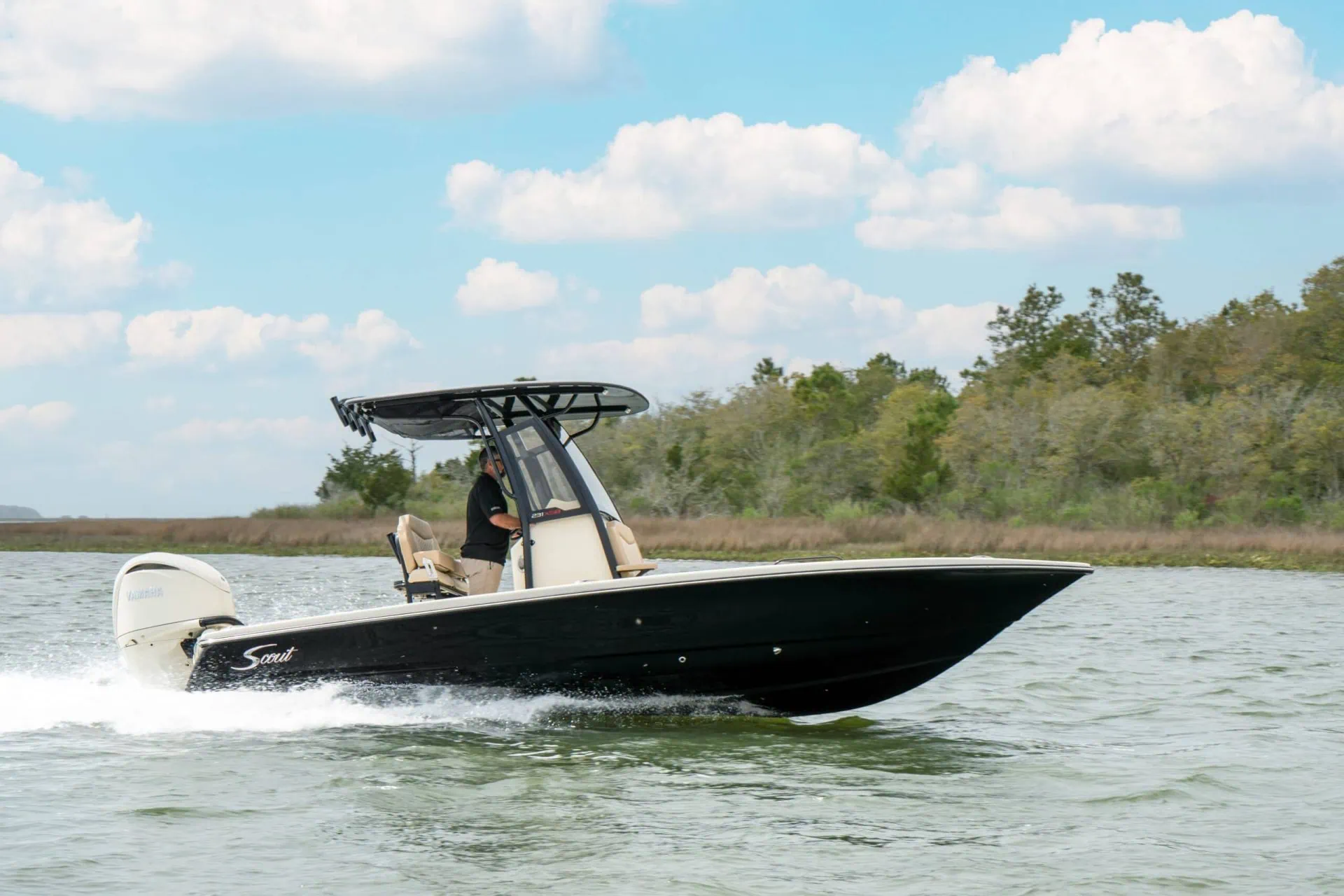
The right boat makes every item on this checklist easier to manage — reliable systems, smart tackle storage, and a layout built for long days on serious water. Scout’s sportfishing models are engineered for exactly this kind of demanding, competitive fishing. Contact the Scout team about getting your boat, or your next boat, ready for tournament season.