












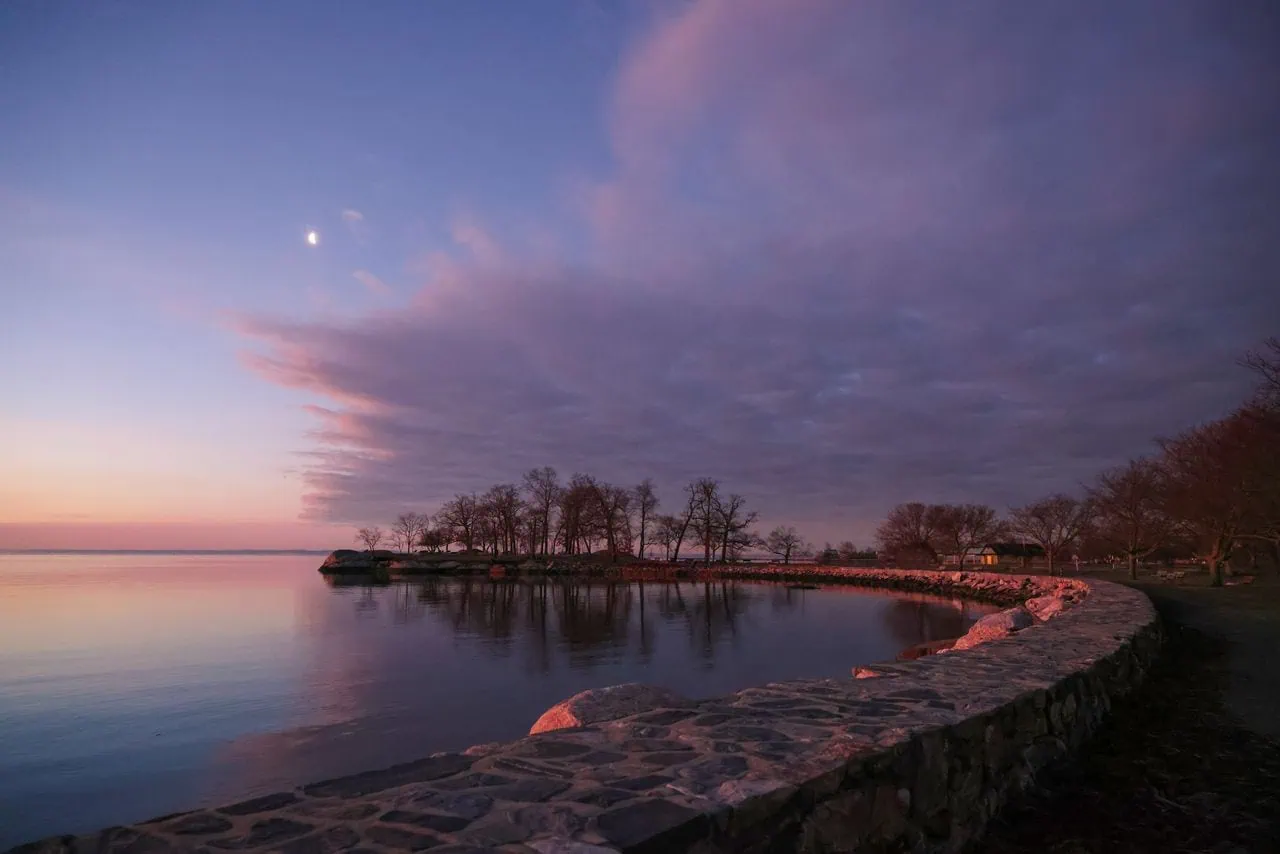
Connecticut doesn’t get talked about as often as its neighbors to the east, but its stretch of Long Island Sound and the waters around it quietly produce some of the most consistent inshore and nearshore sportfishing on the Northeast coast. With over 300 miles of shoreline to explore, striped bass, bluefish, fluke, black seabass, tautog, and scup all move through Connecticut waters in predictable seasonal patterns. Here’s where experienced anglers point their bows.
Long Island Sound
The Sound is the backbone of Connecticut sportfishing, and for good reason. Its mix of reefs, rips, and drop-offs holds striped bass and bluefish through much of the season, while fluke and black seabass stack up over structure in summer. Tautog and scup round out the catch, especially around rock piles and mussel beds. The Sound’s size means conditions and bite patterns vary significantly from its western end near Stamford to its eastern reaches — part of why local knowledge and a good chartplotter both matter here.
Stamford and the Western Sound
Stamford offers something a lot of Connecticut anglers appreciate: real variety within a short run. Inshore, striped bass and scup are the mainstay catches in the Sound, while the same stretch of coast gives access to freshwater options nearby for anglers who want to mix it up. For boaters based in the western part of the state, Stamford’s harbors provide quick access to productive Sound structure without a long offshore run.
Fishers Island Waters
Technically part of New York but fished heavily by Connecticut boaters out of the eastern part of the state, the waters around Fishers Island are prized for bluefish, striped bass, flounder, and black seabass. The mix of current, structure, and bait that funnels past the island makes it a reliable stop for anglers working the eastern Sound, particularly during the fall run when striped bass push through in numbers.
The Connecticut River
For anglers who want to combine a scenic run with reliable striper action, the Connecticut River is hard to beat. Tidal for roughly 60 miles inland, it’s widely considered the most popular river in the state for striped bass, with fish holding along current breaks, bridge pilings, and the mouths of feeder creeks. The river fishes well from a boat capable of handling both open Sound water on the way in and the calmer, current-driven water upriver.
Timing Your Trip
Connecticut’s sportfishing calendar follows a familiar Northeast rhythm: schoolie stripers and early bluefish activity build through late spring, fluke and black seabass fill in through summer as they move onto nearshore structure, and the fall run — typically September into November — brings the season’s best striped bass fishing as bigger fish migrate through the Sound. Tautog fishing picks up in fall as well, once water temperatures start to drop.
What to Bring for Connecticut’s Mixed Fishery
Because Long Island Sound rewards anglers who can adapt to several species in a single outing, it pays to rig for versatility rather than specializing in just one presentation. A rod set up for bucktailing or live-lining for striped bass, a bottom rig for fluke and black seabass, and a stout outfit for tautog around rock and mussel structure will cover most of what the Sound offers on any given day. Local tackle shops and marinas along the coast are also a reliable source of same-week reports, since bait pods and bite windows can shift quickly with water temperature and tide.
Choosing a Launch Point
Where you launch shapes the kind of day you’ll have. Anglers based near Stamford and the western Sound get quick access to reef and rip fishing without a long run, while those working out of the eastern part of the state are better positioned for Fishers Island and the fall striper migration. Boaters near the Connecticut River’s mouth have the added option of running upriver on a falling tide when Sound conditions turn sloppy, making the river a good backup plan as much as a destination in its own right.
FAQ
What’s the best time of year to fish in Connecticut? The fall run, roughly September through November, is widely considered the best window for striped bass, though summer offers strong fluke and black seabass action.
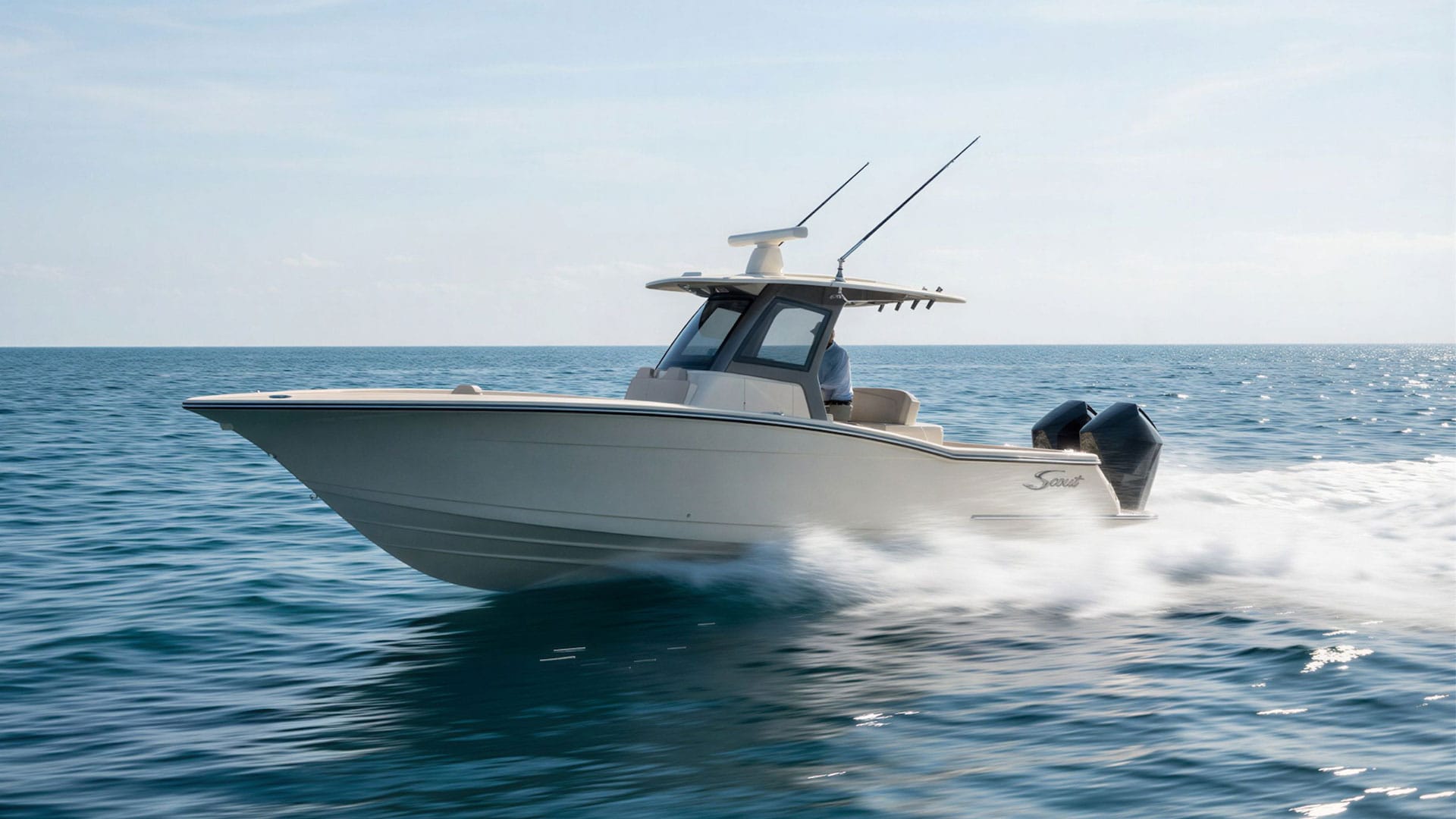
Do I need to run offshore to catch fish in Connecticut? No. Most of Connecticut’s best sportfishing — striped bass, fluke, bluefish, tautog — happens inshore and nearshore in Long Island Sound and its rivers, well within reach of a capable center console.
What species can I catch in Long Island Sound? Striped bass, bluefish, fluke, black seabass, tautog, and scup are all commonly caught throughout the Sound, depending on season and structure.
Explore Connecticut’s Waters in a Boat Built for It
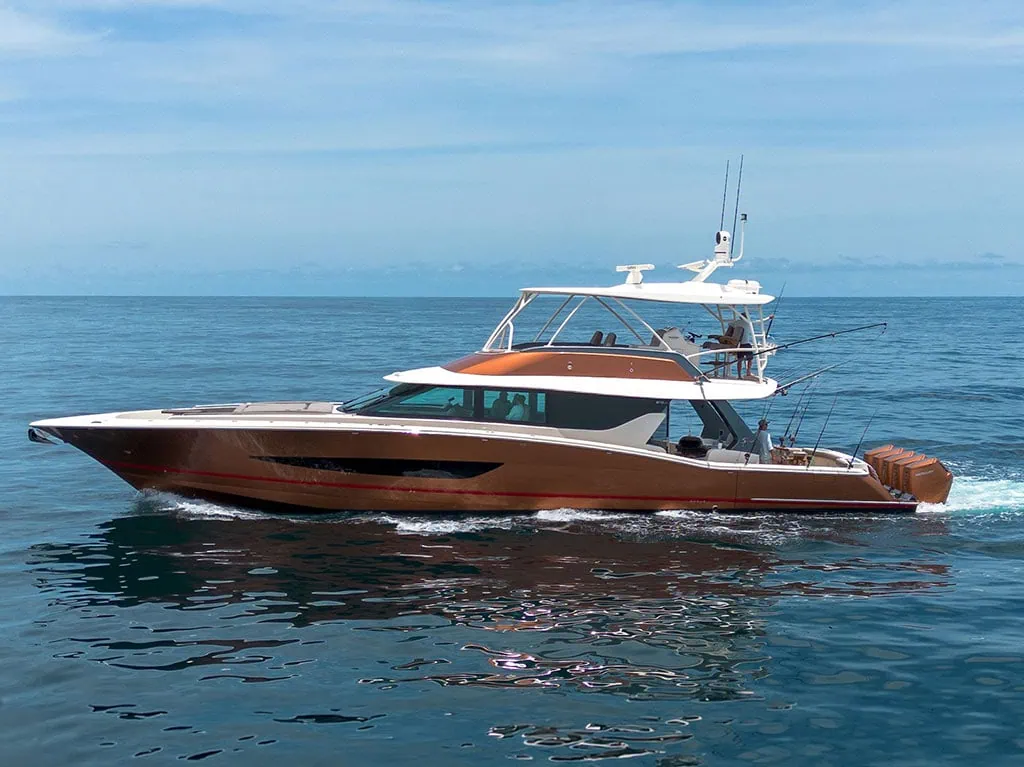
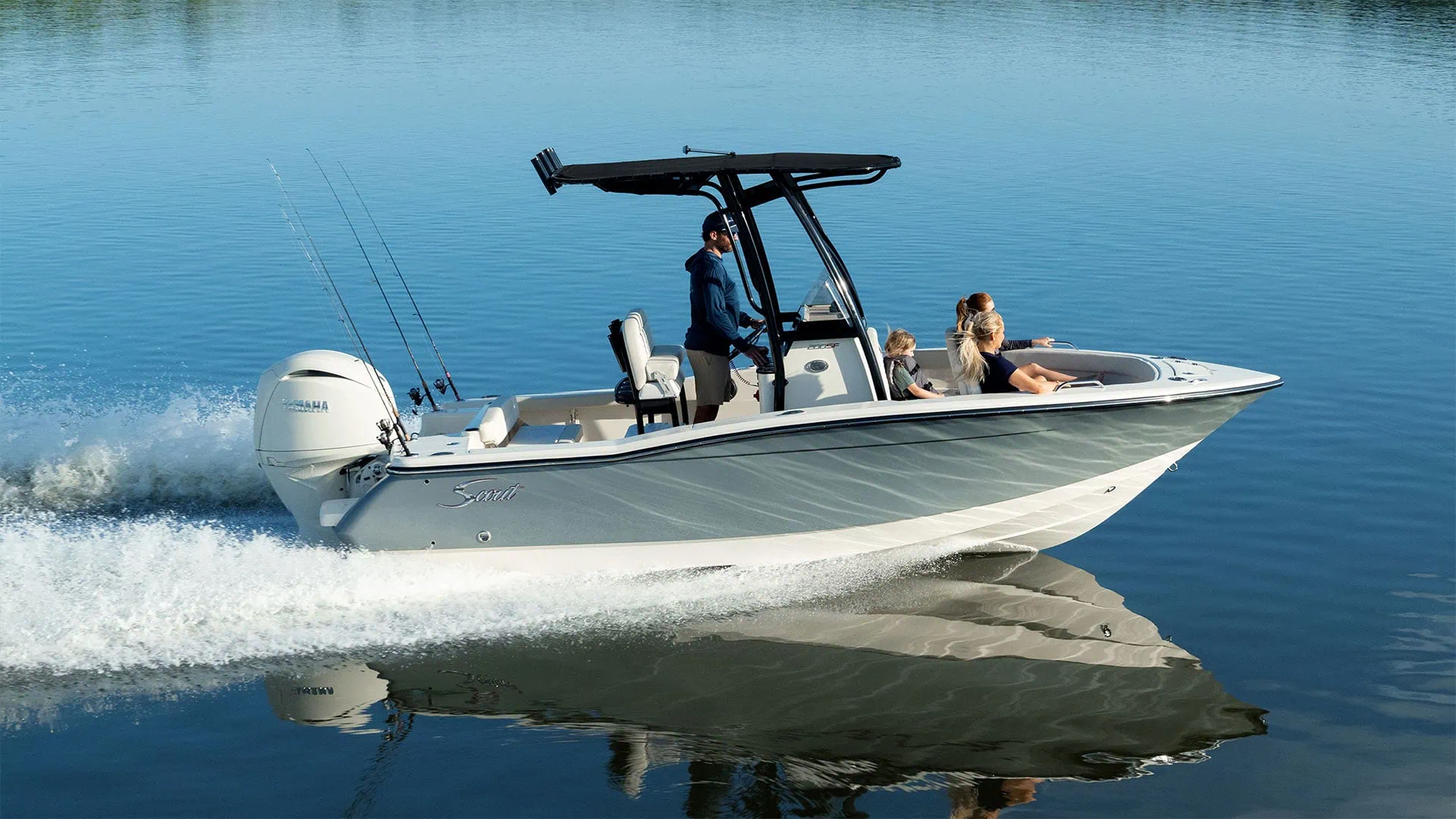
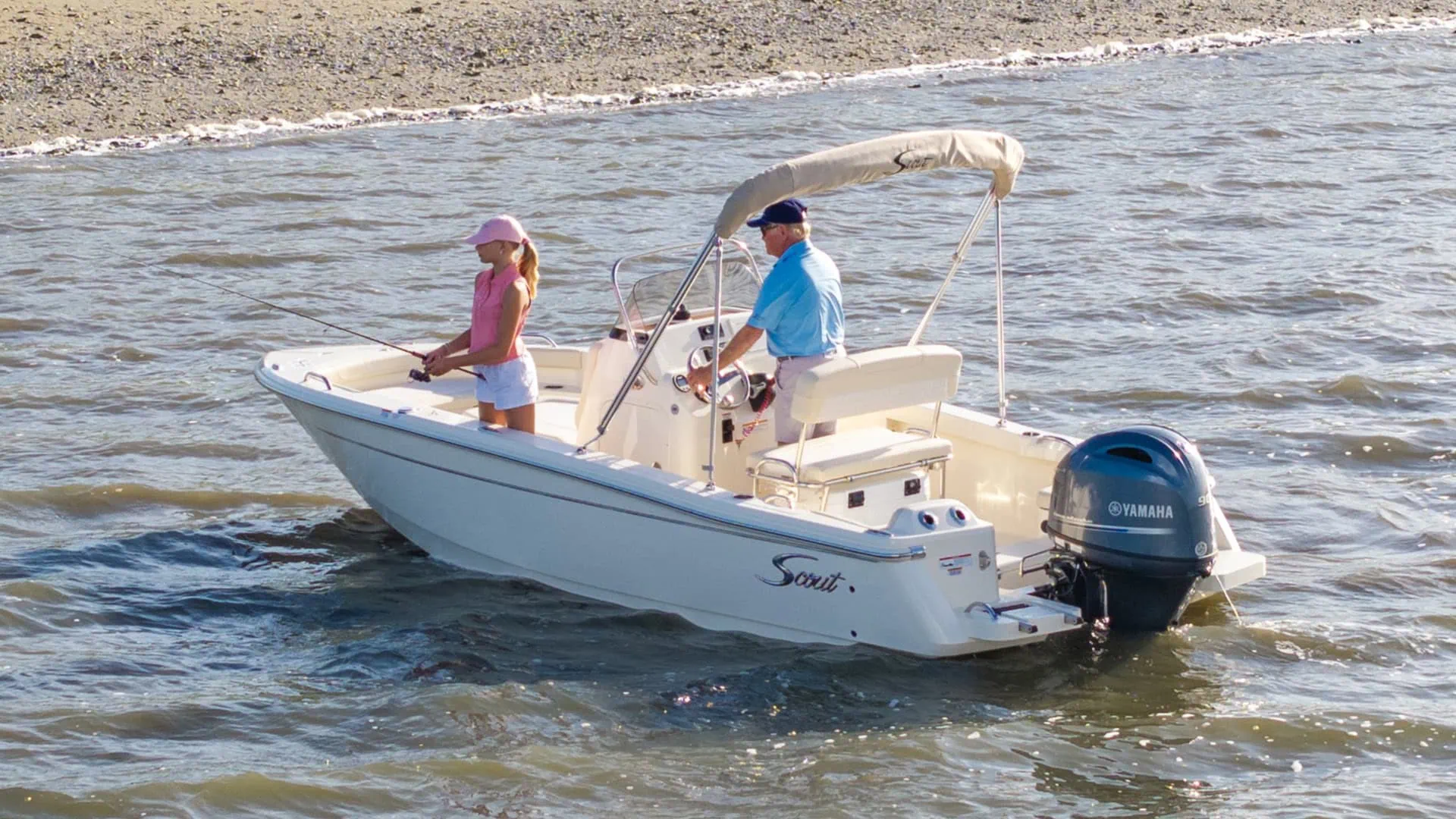
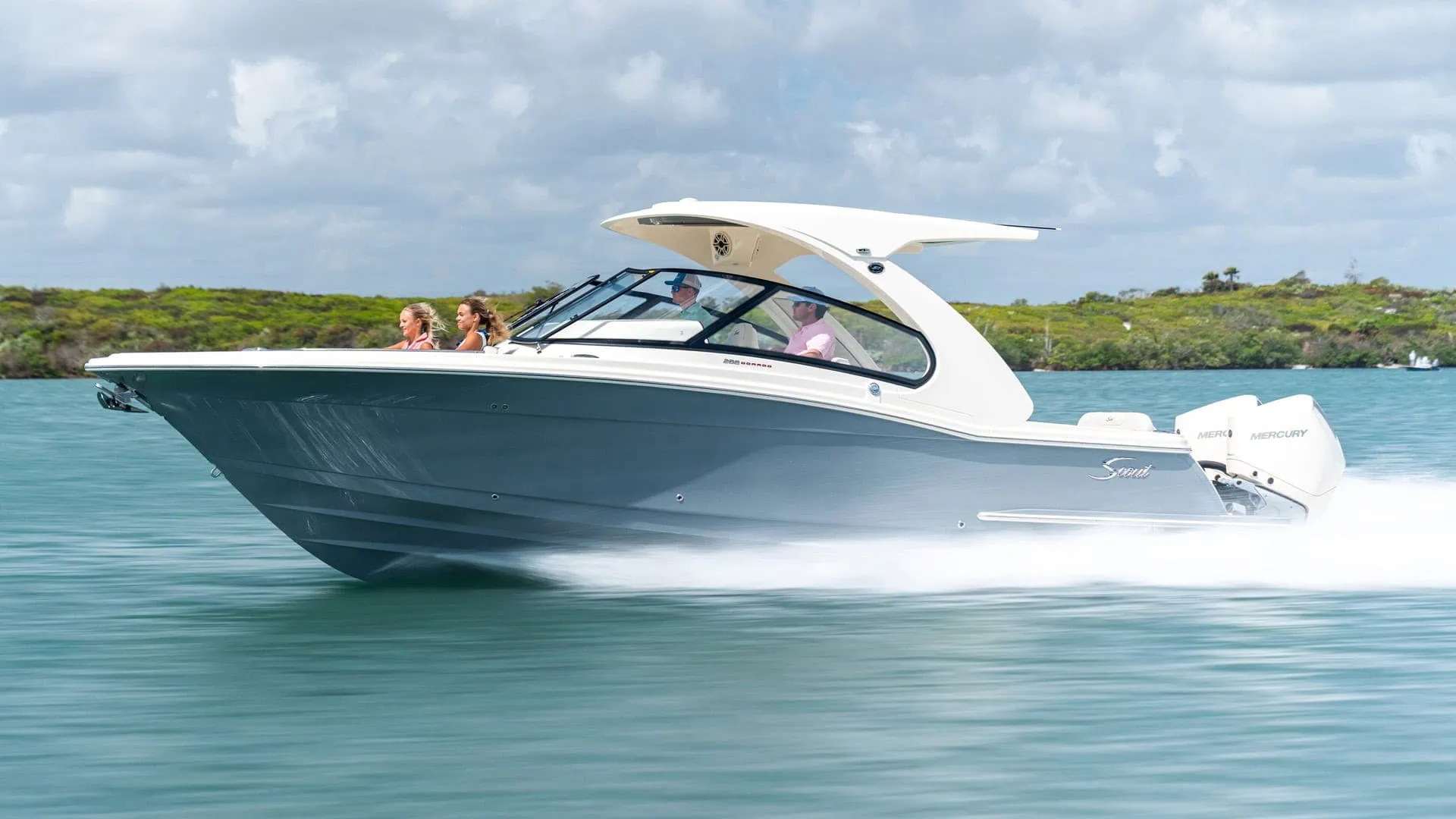
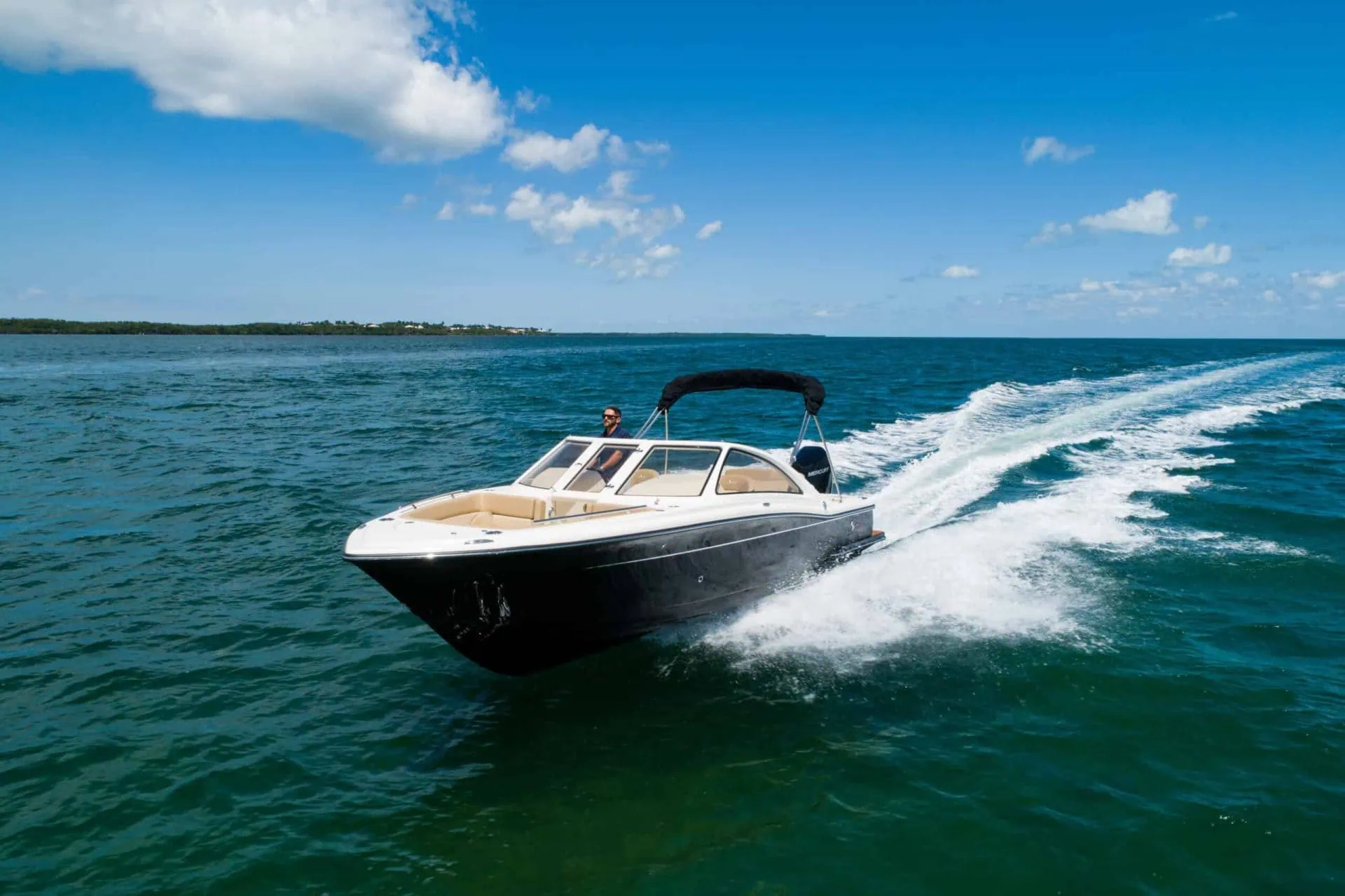
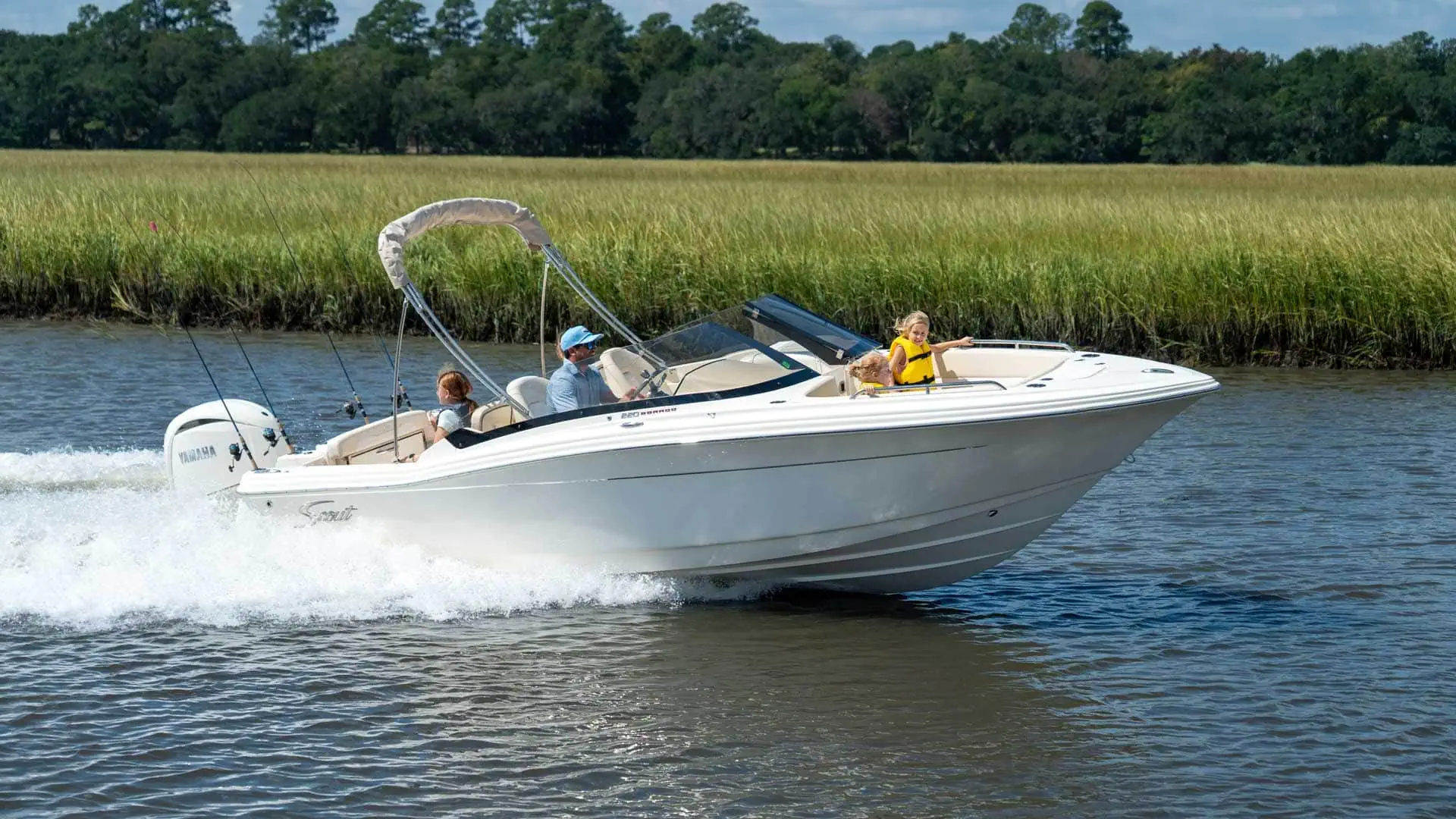
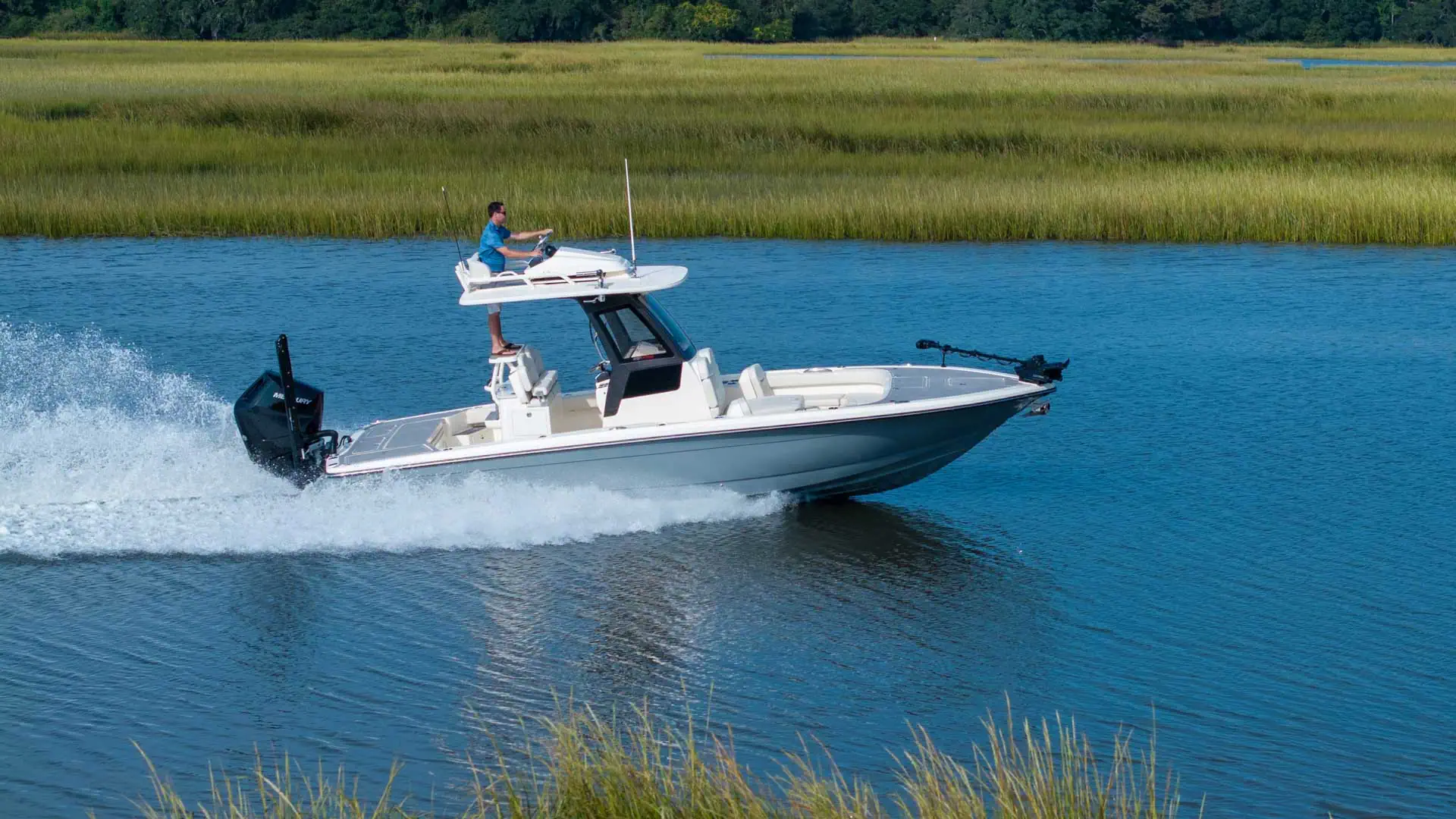
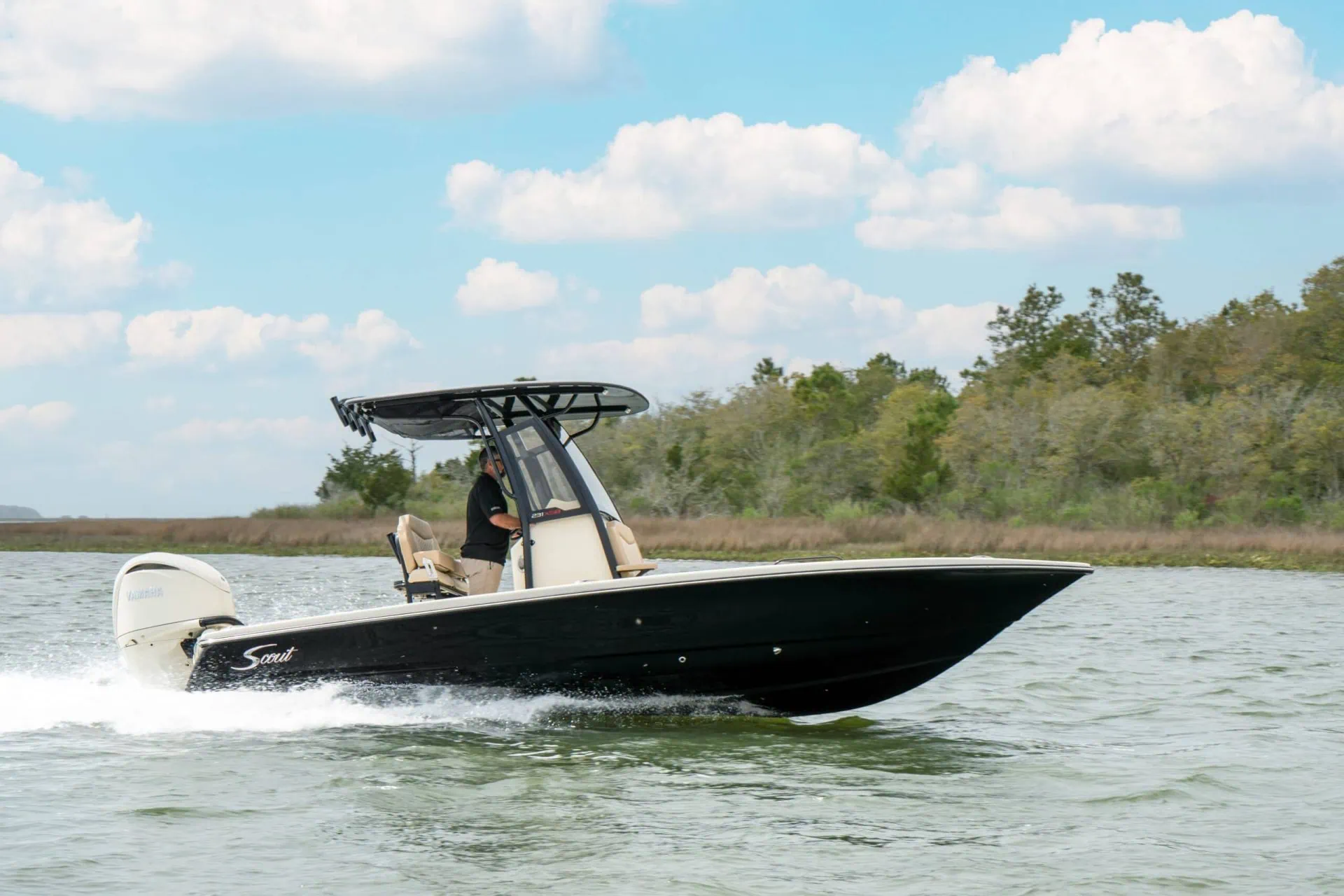
Whether you’re working the reefs of Long Island Sound, running to Fishers Island, or easing up the Connecticut River on the last of the tide, the right boat makes every trip more productive. Scout’s center console and bay boat models are built for exactly this kind of versatile Northeast fishing — stable, capable offshore, and nimble enough for skinnier water upriver. Contact the Scout team today and start planning your next trip up the coast.