













Coastal weather changes faster than inland weather, and it doesn’t always announce itself with much warning. Understanding a handful of core weather phenomena — squalls, sea breezes, and fronts — gives you a real edge in deciding when to run, when to stay in, and when to head for the barn. None of this replaces a proper marine forecast, but knowing what you’re looking at on the water can buy you the minutes that matter.
Squalls: Fast, Local, and Deceptively Dangerous
A squall is a fast-moving, localized storm that typically lasts only 10 to 40 minutes but can bring wind gusts over 22 knots along with heavy rain, lightning, and thunder. What makes squalls dangerous isn’t their duration — it’s how quickly they build and how easily they catch boaters off guard on an otherwise pleasant day.
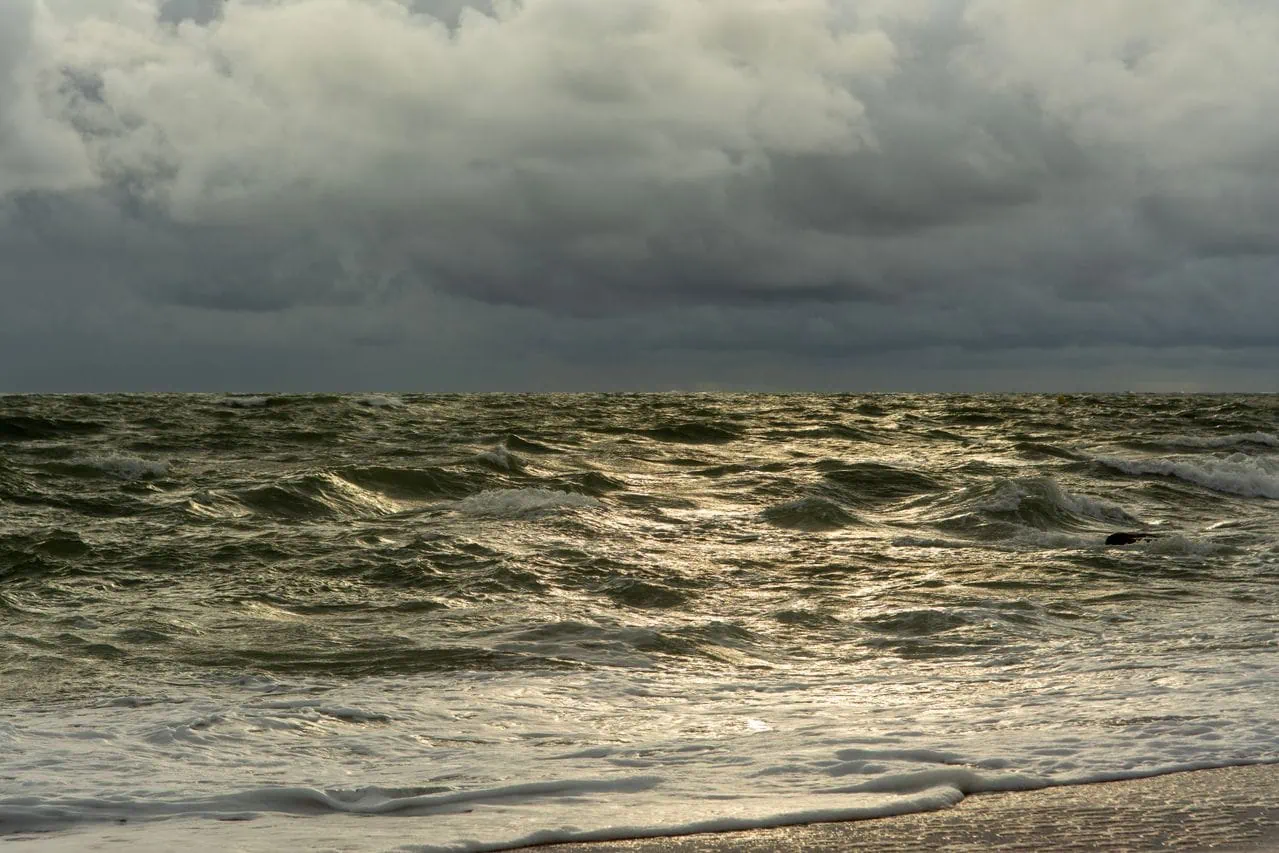
Watch for tall, dark clouds with flat bases, dark rain streaks slanting beneath them, and whitecaps or steepening waves that appear suddenly. A noticeable drop in air temperature and a sudden shift or gust in wind direction are also classic precursors. If you see these signs building, don’t wait to see if it passes — secure loose gear, close hatches, get everyone into a properly fitted PFD, and either run for a protected harbor or, if that’s not possible, slow down and angle the bow 30 to 45 degrees into the waves to ride it out under control.
Sea Breezes: The Coast’s Daily Weather Cycle
Sea breezes are one of the most predictable weather patterns a coastal boater will encounter, driven by the simple fact that land heats up faster than water during the day. As the land warms, air rises over it, drawing cooler air in off the water to replace it — typically building through the late morning, peaking in the afternoon, and fading as the sun goes down. This daily cycle explains why a calm morning run out can turn into a choppier, breezier ride home in the same afternoon, especially along open coastline with no barrier islands to blunt the effect. Planning a trip around the sea breeze cycle — running out early and timing your return before the afternoon peak — is one of the simplest ways experienced boaters avoid an uncomfortable ride home.
Fronts: The Bigger Weather Story
While squalls and sea breezes play out over hours, fronts represent the larger weather systems moving through over a day or more. A cold front usually brings a sharper, more sudden shift — a line of building clouds, a period of gusty wind and rain, and a noticeable temperature drop and wind shift once it passes. Warm fronts tend to arrive more gradually, with clouds thickening and lowering well ahead of any rain, and steadier, longer-lasting precipitation. Watching for flat clouds getting lower and thicker, or dark, threatening skies building to the west or southwest, are reliable early indicators that a front is approaching, often hours before it actually arrives.
Reading the Whole Picture
No single sign tells the whole story on its own. Experienced captains combine an official marine forecast with their own eyes on the sky, water, and wind, and they’re honest about matching conditions to their boat’s capability and their crew’s experience. A wave height forecast of “2 to 4 feet” can mean very different things depending on how steep and close together those waves are, which is something only direct observation on the water will tell you.
FAQ
How long does a squall usually last? Most squalls last between 10 and 40 minutes, though the wind and rain within them can be intense while they’re active.
What causes a sea breeze? Sea breezes form because land heats up faster than water during the day; warm air rises over land and draws cooler ocean air in to replace it, typically peaking in the afternoon.
What’s the difference between a cold front and a warm front? Cold fronts tend to arrive quickly with a sharp line of storms and a fast temperature drop, while warm fronts build more gradually with thickening clouds and steadier rain.
What are the warning signs of a squall approaching? Tall, dark clouds with flat bases, slanted rain streaks, sudden wind shifts or gusts, a quick drop in temperature, and rapidly building whitecaps are all signs a squall is close.
Confidence Starts With the Right Boat
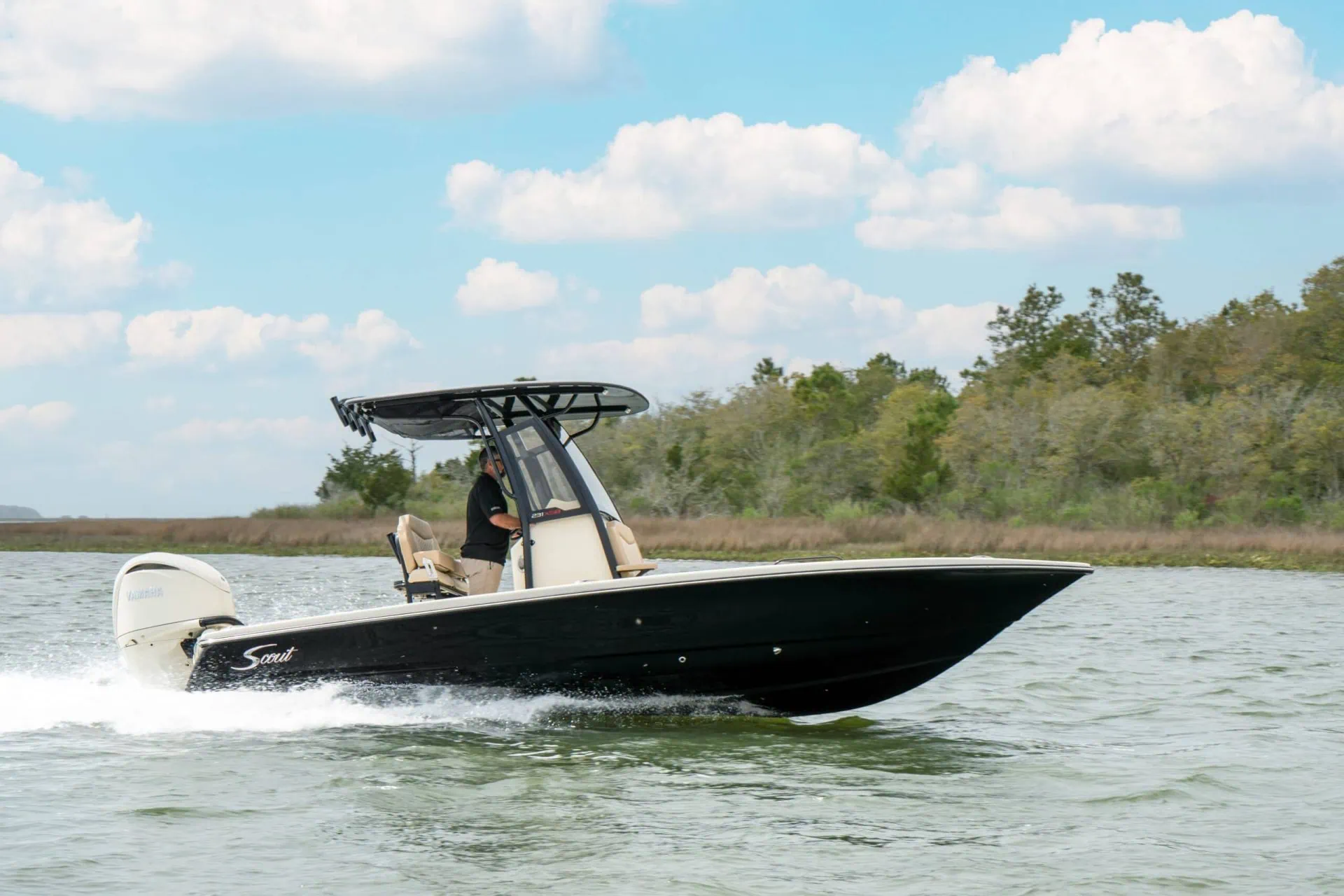
Reading the weather well is only half the equation — the other half is running a boat that can handle whatever that weather throws at you. Scout’s deep-V hulls and offshore-proven construction are built to keep you and your crew comfortable and in control when conditions turn. Talk to the team at Scout about which model fits the waters you fish and the conditions you’re most likely to run into.