












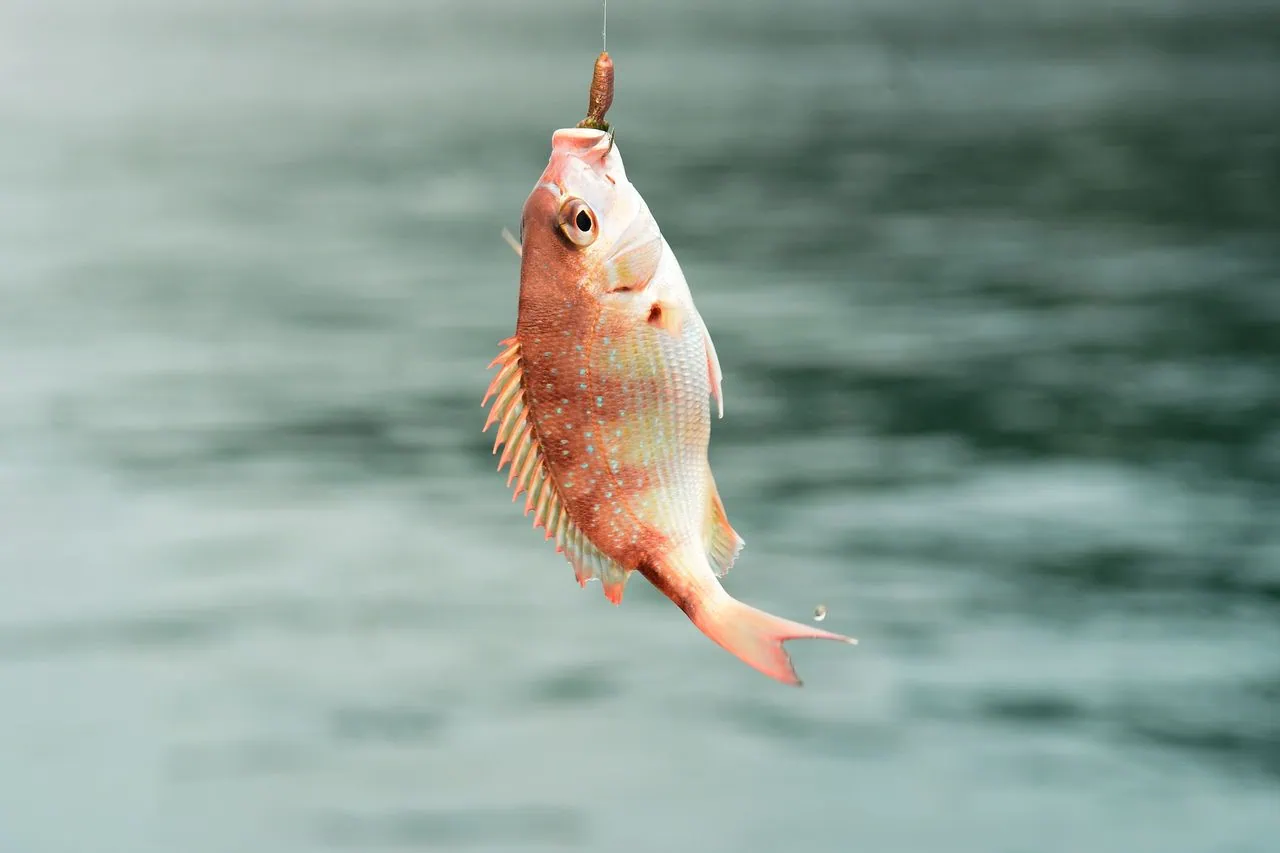
Landing the fish of the day is only half the job. What happens in the next sixty seconds — how you handle it, how long it’s out of the water, and how you release or process it — determines whether that fish survives to fight another day, or ends up in prime condition on the cutting board. Whether you’re practicing catch-and-release or keeping a fish for dinner, a few habits make a real difference.
Minimize Air Exposure
The single biggest factor in a fish’s survival after release is how long it spends out of the water. NOAA recommends keeping air exposure under 60 seconds whenever possible. That means having your camera, measuring board, and release tools ready before the fish is even at the boat, not scrambling for them once it’s on deck. If you’re taking a quick photo, keep the fish low over the water and get it back in as fast as possible rather than posing for a series of shots.
Handle With Wet Hands, Not a Death Grip
Fish have a protective slime coat that guards against infection and disease, and dry hands, gloves, or a towel can strip it away in seconds. Wet your hands before touching any fish you plan to release, and support its body horizontally along its full length rather than gripping it vertically by the jaw, which can damage internal organs on larger, heavier fish. Never hold a fish by the eyes or gills if it’s going back in the water.
Dehook Efficiently
Circle hooks, barbless hooks, or hooks with the barb crimped down make for faster, less damaging releases and are worth using even when not required by regulation. When possible, remove the hook while the fish is still in the water using long-nose pliers or a dehooking tool. If a fish has swallowed the hook deep and it can’t be removed without significant damage, the better move is often to cut the line as close to the hook as possible rather than digging around and prolonging the fight — most fish shed a hook over time far better than they survive extended trauma.
Recognize and Treat Barotrauma
Fish brought up from deeper water — generally deeper than 30 feet — can suffer barotrauma as gas expands faster than their bodies can adjust. Signs include bulging eyes, a distended belly, or a fish that can’t swim back down on its own. A descending device or a weighted release tool is the most effective fix: it carries the fish back down to depth, allowing pressure to equalize before release, and dramatically improves survival odds compared to simply tossing a bloated fish back at the surface, where it often can’t submerge and becomes an easy target for predators or exhaustion.
Revive Before You Release
A fish that’s been fought hard needs a moment to recover before it’s ready to swim off on its own. Hold it upright in the water, facing into the current if there is one, and gently move it forward until you feel its tail kick and its body regain rigidity. Only let go once the fish shows it can maintain its own position in the water column.
If You’re Keeping the Fish
For fish you plan to keep, speed and temperature control matter just as much, in a different way. Get the fish into an ice slurry or a cooler with ice as soon as possible after it’s boated — this firms up the flesh and slows bacterial growth, directly improving table quality. Bleeding and gutting larger fish promptly, rather than waiting until you’re back at the dock, also noticeably improves the final product.
FAQ
How long can a fish safely be out of the water? Ideally less than 60 seconds. The longer a fish is exposed to air, the lower its chances of surviving after release.
What is barotrauma and how do I treat it? Barotrauma happens when gas expands inside a fish brought up quickly from deep water, causing bulging eyes or a bloated belly. A descending device that returns the fish to depth is the most effective treatment.
Should I wear gloves when handling fish I plan to release? No — dry gloves or towels can strip a fish’s protective slime coat. Wet your bare hands instead before handling any fish going back in the water.
Do I need a special tool for hook removal? Long-nose pliers or a dedicated dehooking tool make quick, in-water hook removal much easier and reduce handling time significantly.
Built for the Whole Trip, Not Just the Catch
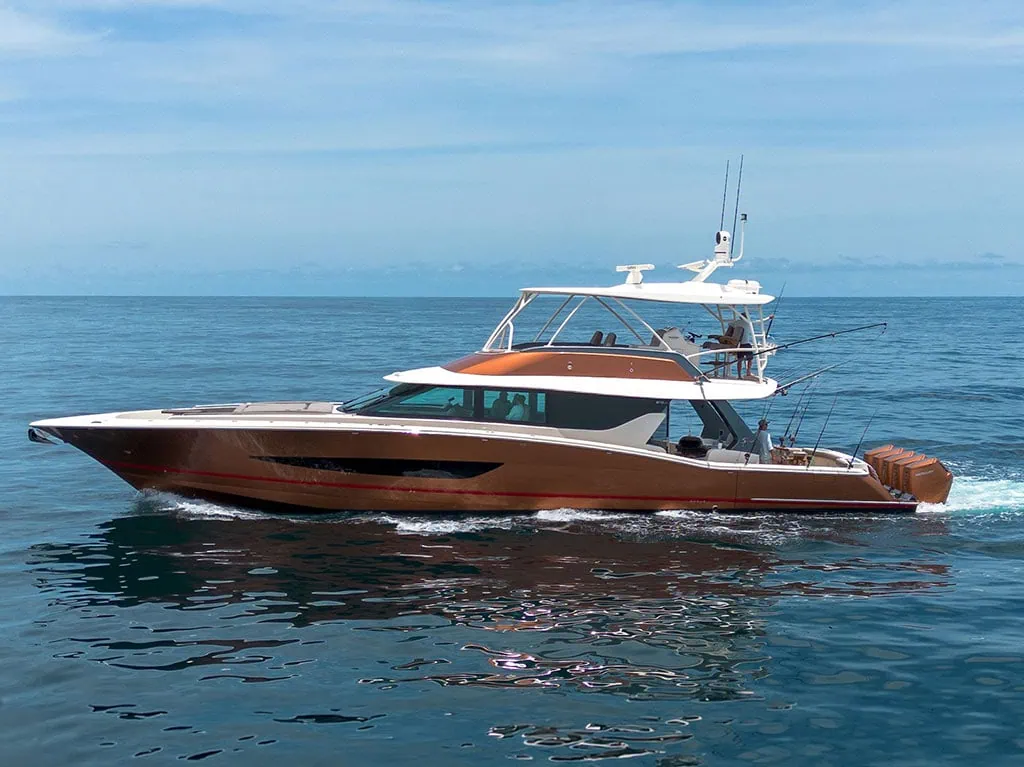
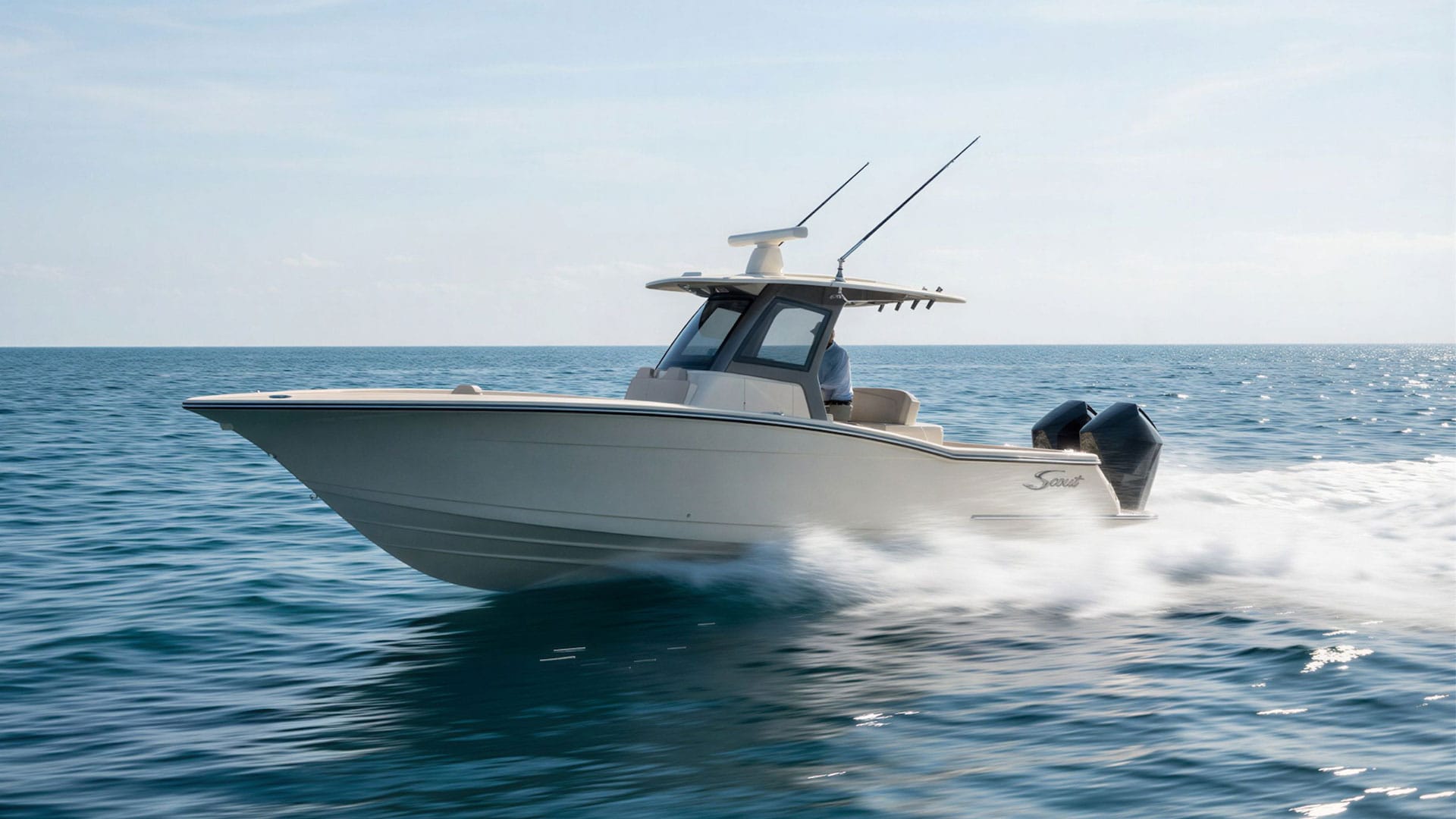
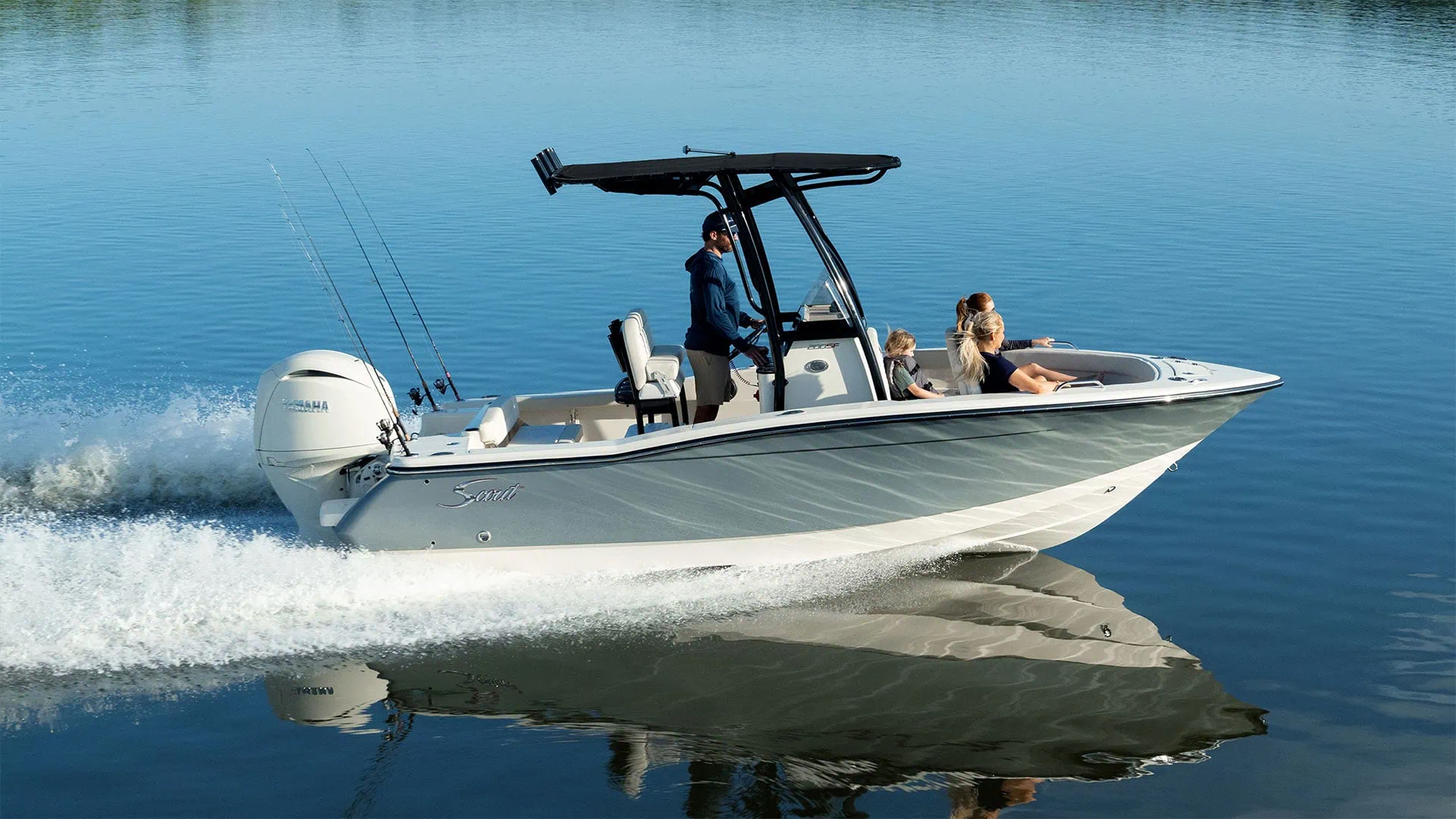
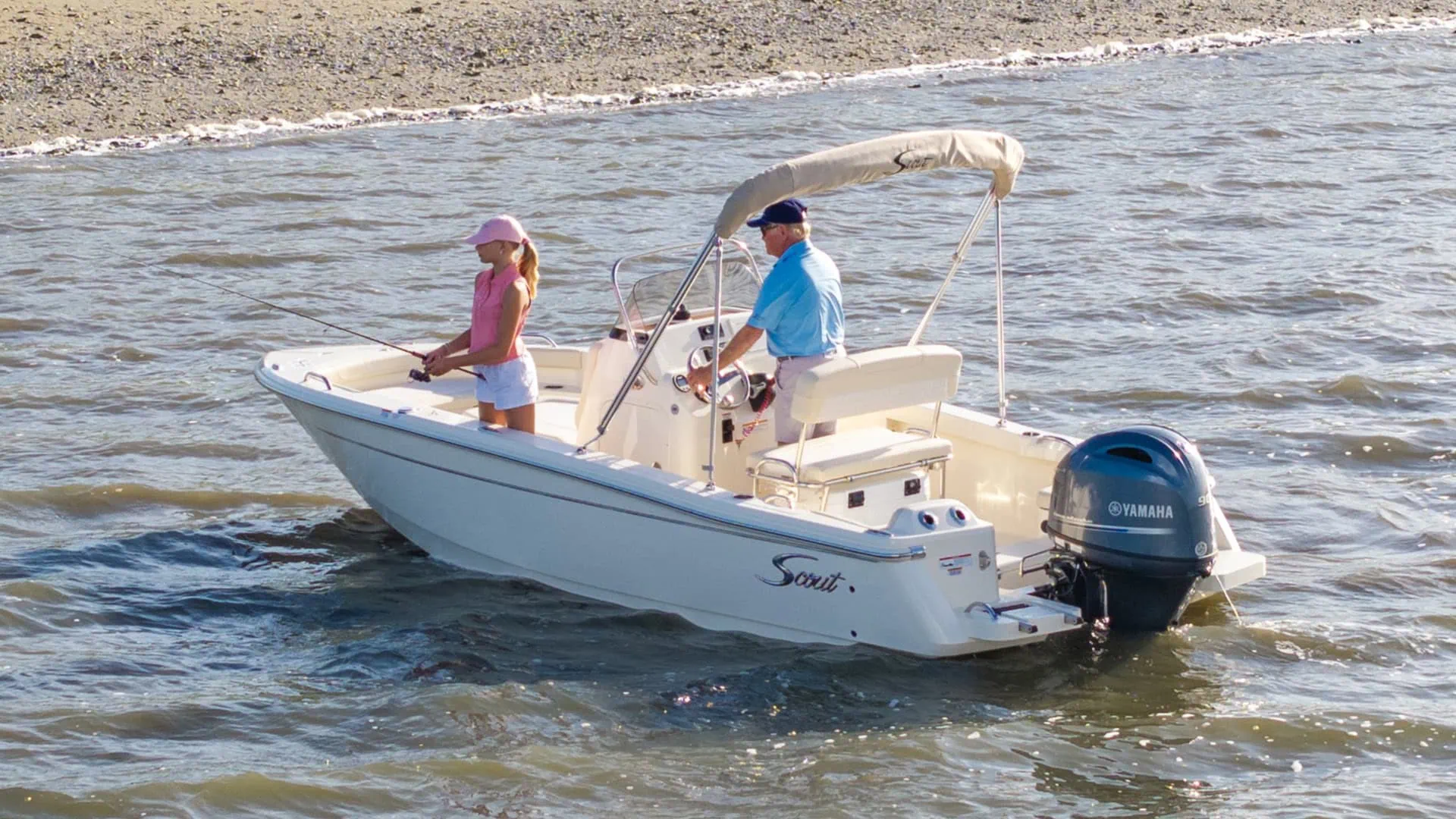
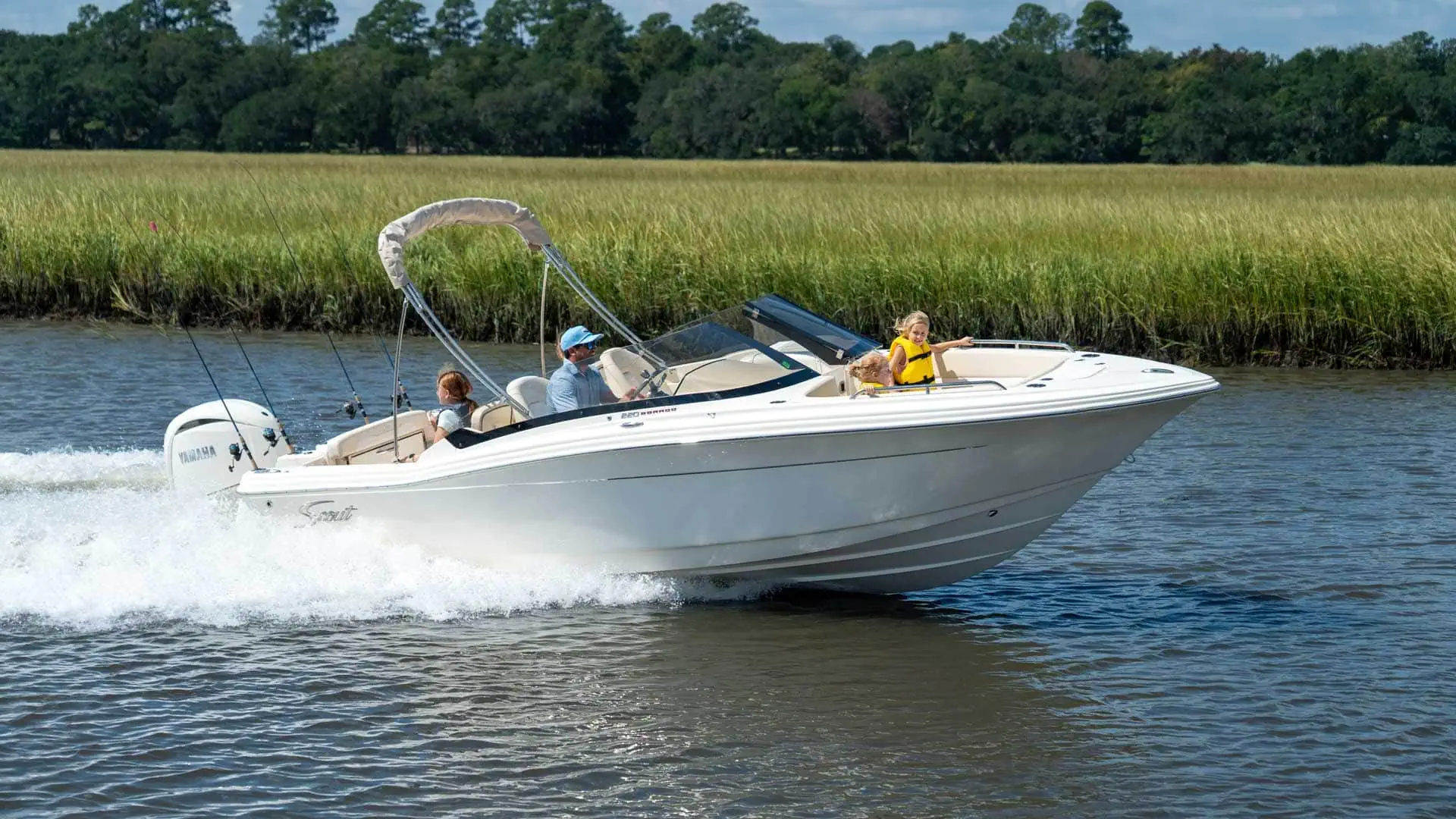
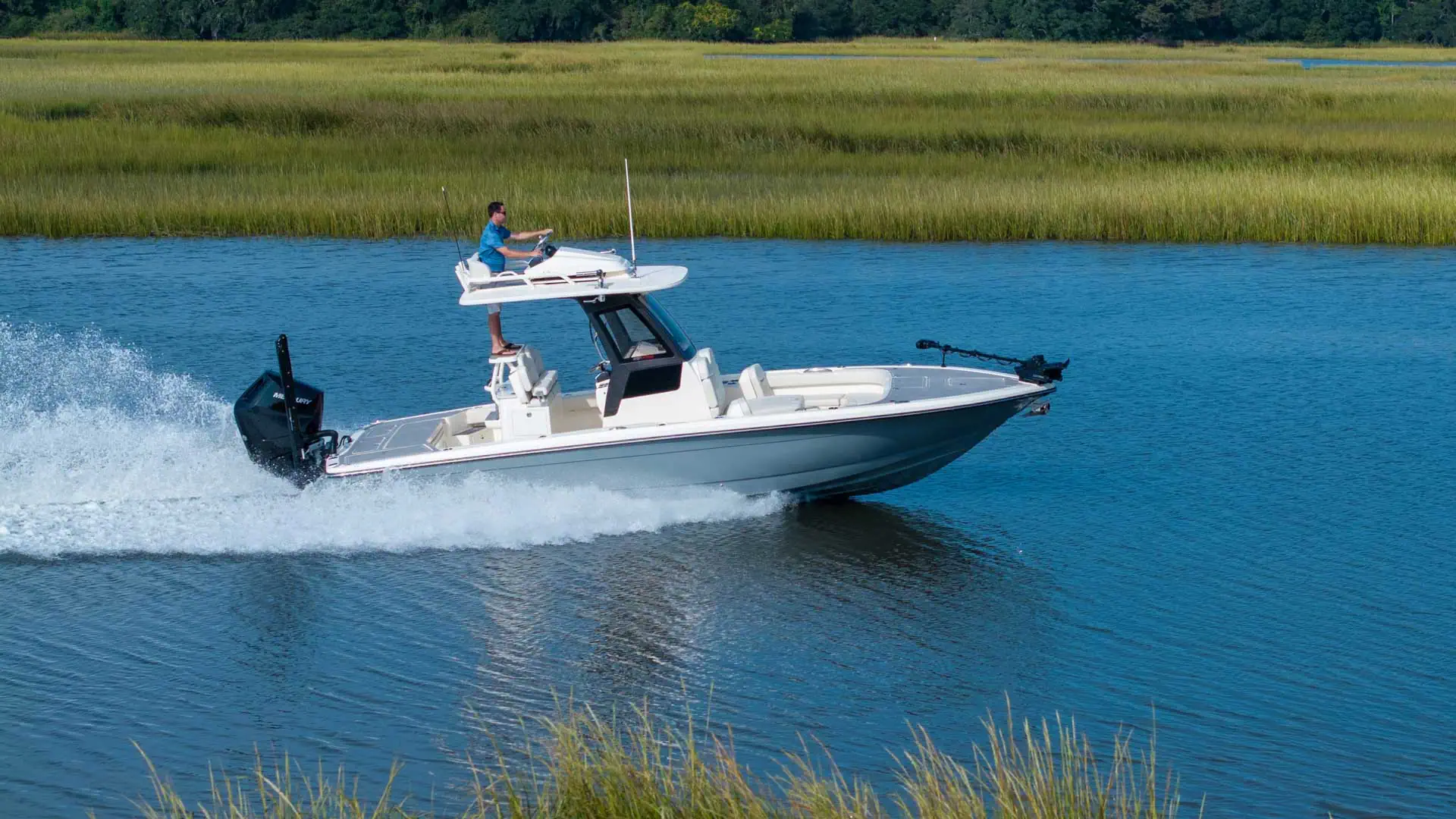
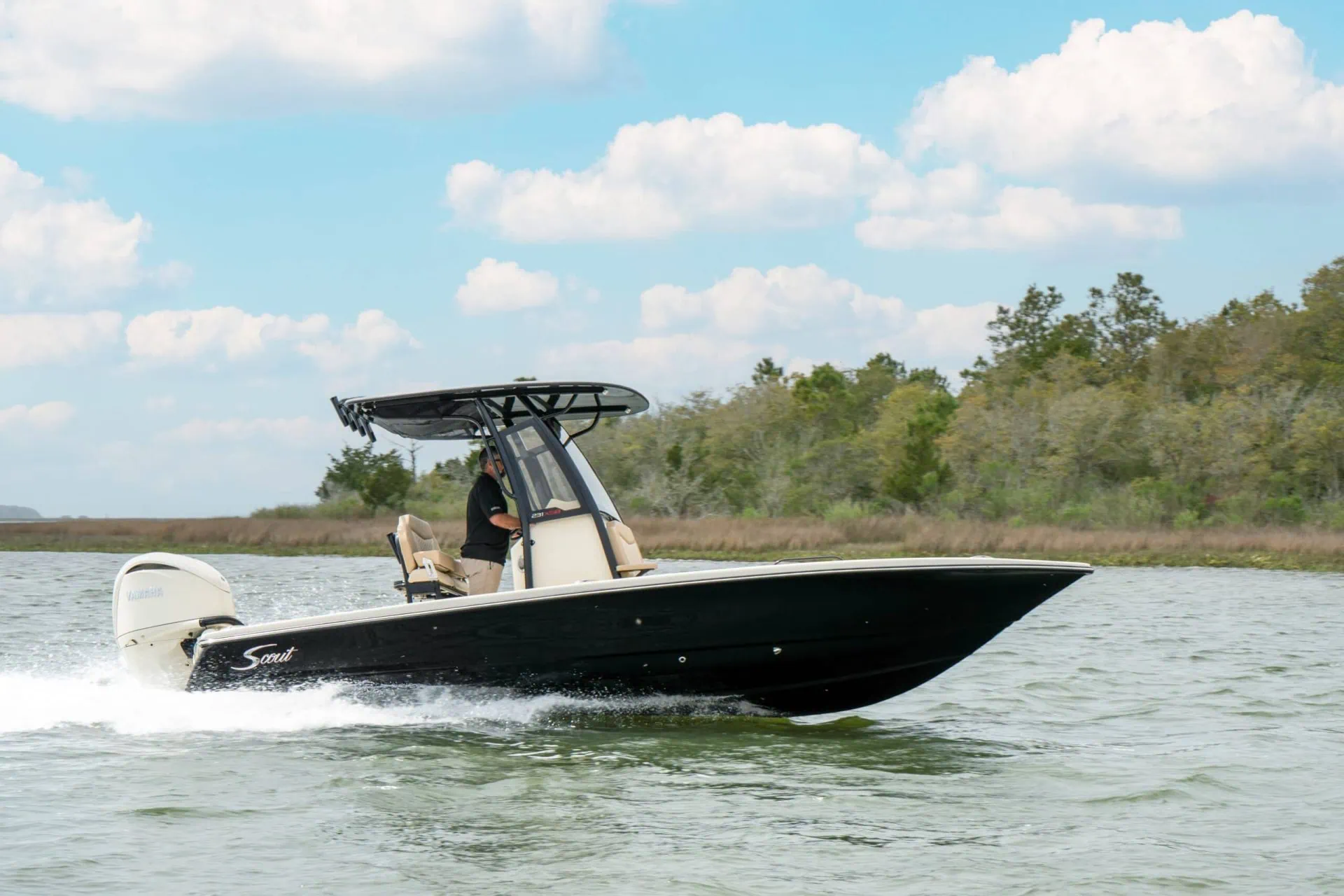
Good fish handling starts with a boat that puts the right tools within reach—a stable casting deck, accessible livewells and coolers, and a layout that doesn’t force you to fumble when seconds count. Scout’s sportfishing boats are designed around exactly that kind of practical, hands-on functionality. Contact the team at Scout to see how the right boat can improve every part of your day on the water, from hookset to release.