












Anyone who has fished a popular reef, inlet, or river mouth on a Saturday morning knows the drill: a dozen boats holding position, lines crossing at odd angles, and everyone chasing the same school of fish. High-traffic fishing grounds can still be some of the most productive water around — bait concentrates there for a reason — but they demand a more disciplined approach to gear and line management than a quiet, empty cove ever will. A few smart habits separate the anglers who fish efficiently in a crowd from the ones who spend half their trip untangling line.
Why Crowded Water Changes the Rules
When you’re the only boat on a spot, a sloppy cast or a slow retrieve costs you nothing but time. In a crowd, the same mistake can cost you a rig, a hookset, or a friendly relationship with the boat forty feet away. Current, wind, and boat traffic all push lines in different directions at once, so the margin for error shrinks considerably. The goal isn’t just to catch fish — it’s to fish in a way that keeps your gear untangled and your presentation working, even when six other lines are in the water around you.
Rig Before You Arrive, Not After
The most common cause of on-the-water tangles isn’t bad luck — it’s unpreparedness. Anglers who show up to a packed spot and start tying leaders, swapping hooks, or digging through a disorganized tackle box are the ones most likely to drift into someone else’s line while their head is down. Pre-rig terminal tackle at the dock or on the way out: leaders tied, hooks sharpened, and a few backup rigs ready to clip on in seconds. Keep terminal rigs sorted by type — bottom rigs, jigs, live-bait rigs — in labeled trays so a re-rig takes ten seconds, not two minutes of searching.
Reading Position and Current Before You Cast
In high-traffic water, your cast angle matters as much as your bait choice. Before dropping a line, take a moment to read the current and wind direction relative to the boats around you. Casting with the drift, rather than across it, keeps your line traveling roughly parallel to your neighbors’ instead of cutting across their presentations. If you’re anchored or on a drift with boats both ahead and behind, shorten your casts rather than reaching for that one extra fish that puts your line under someone else’s hull.
Keep Rods Organized in the Rocket Launcher
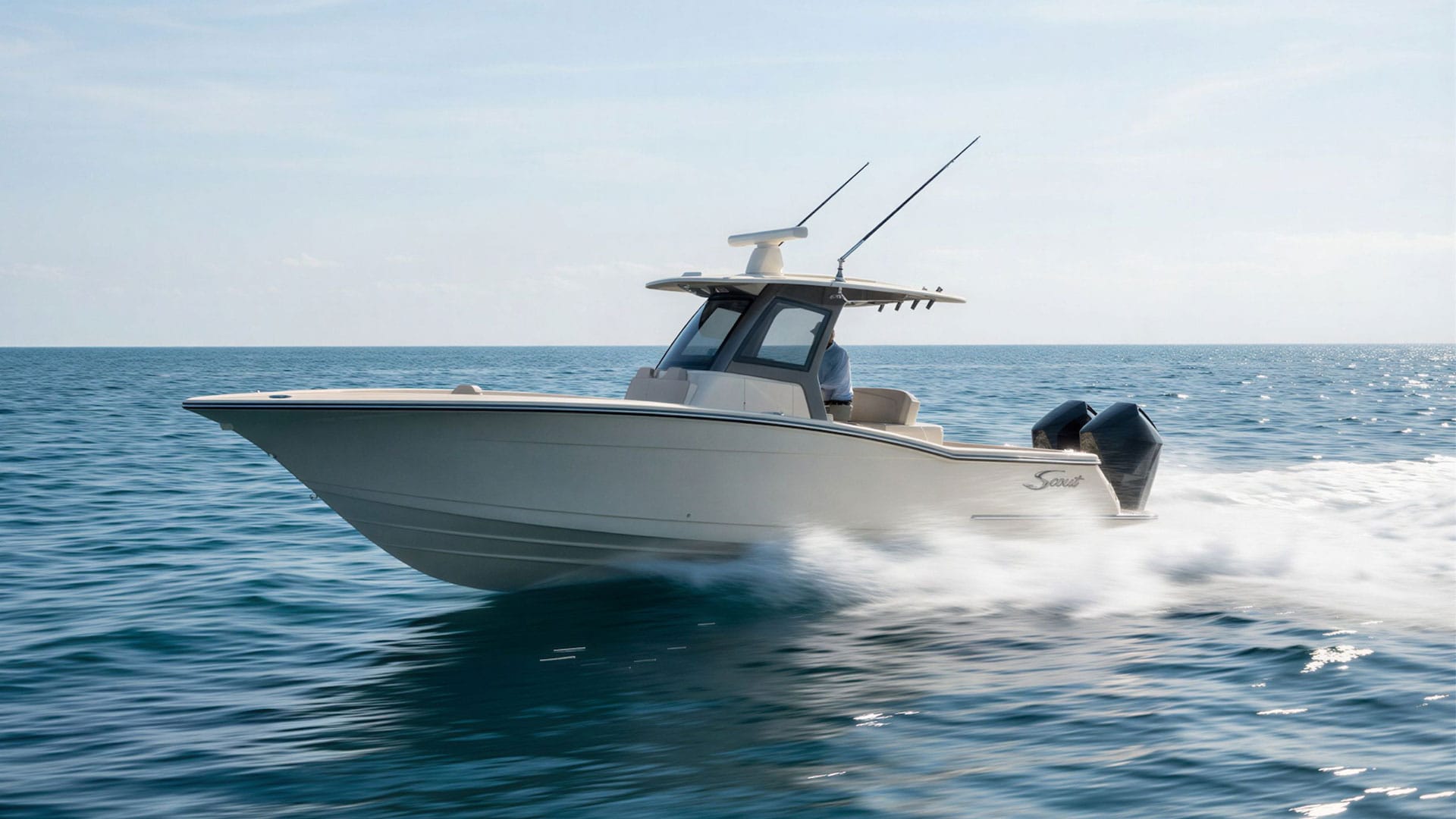
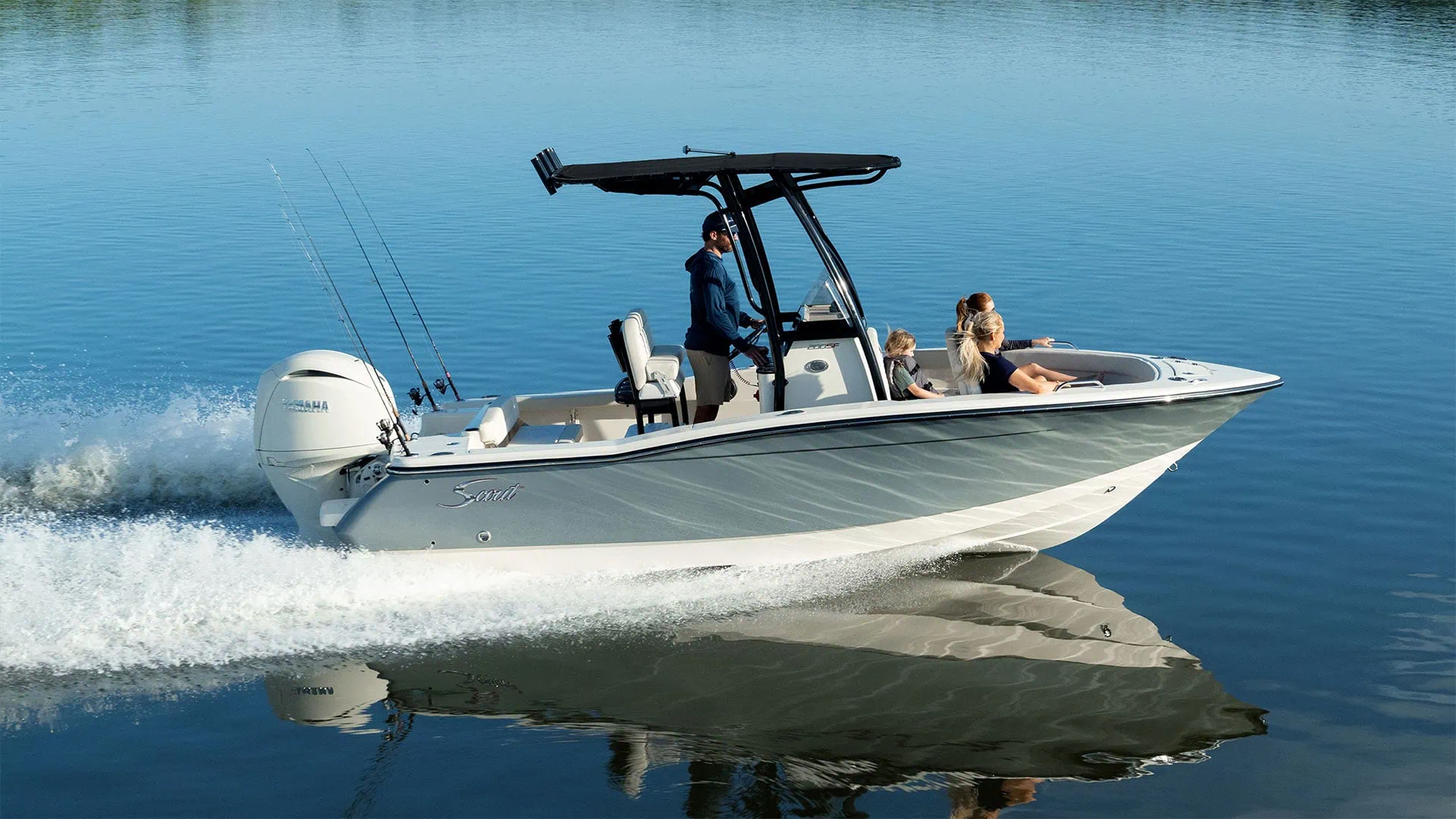
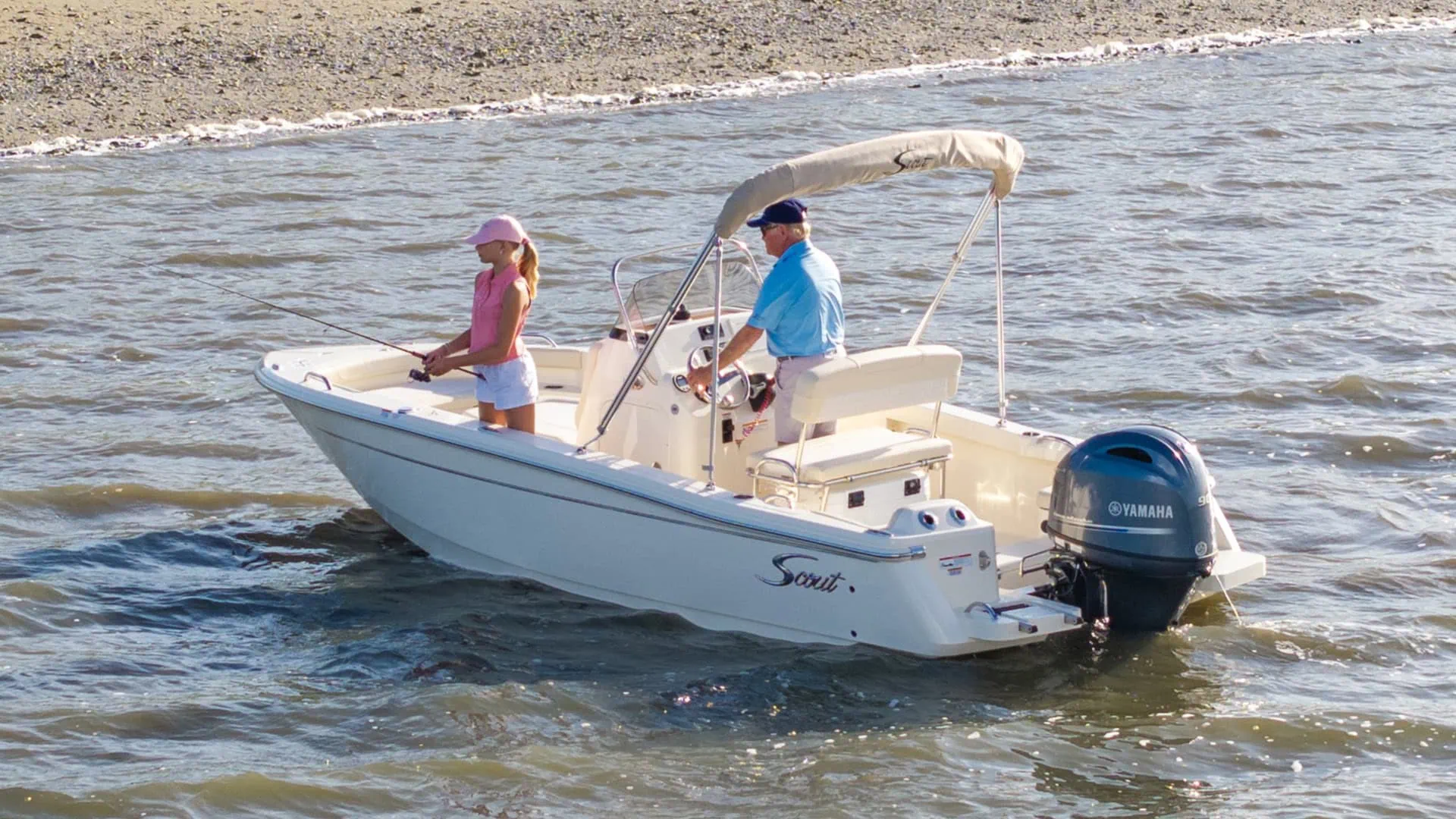
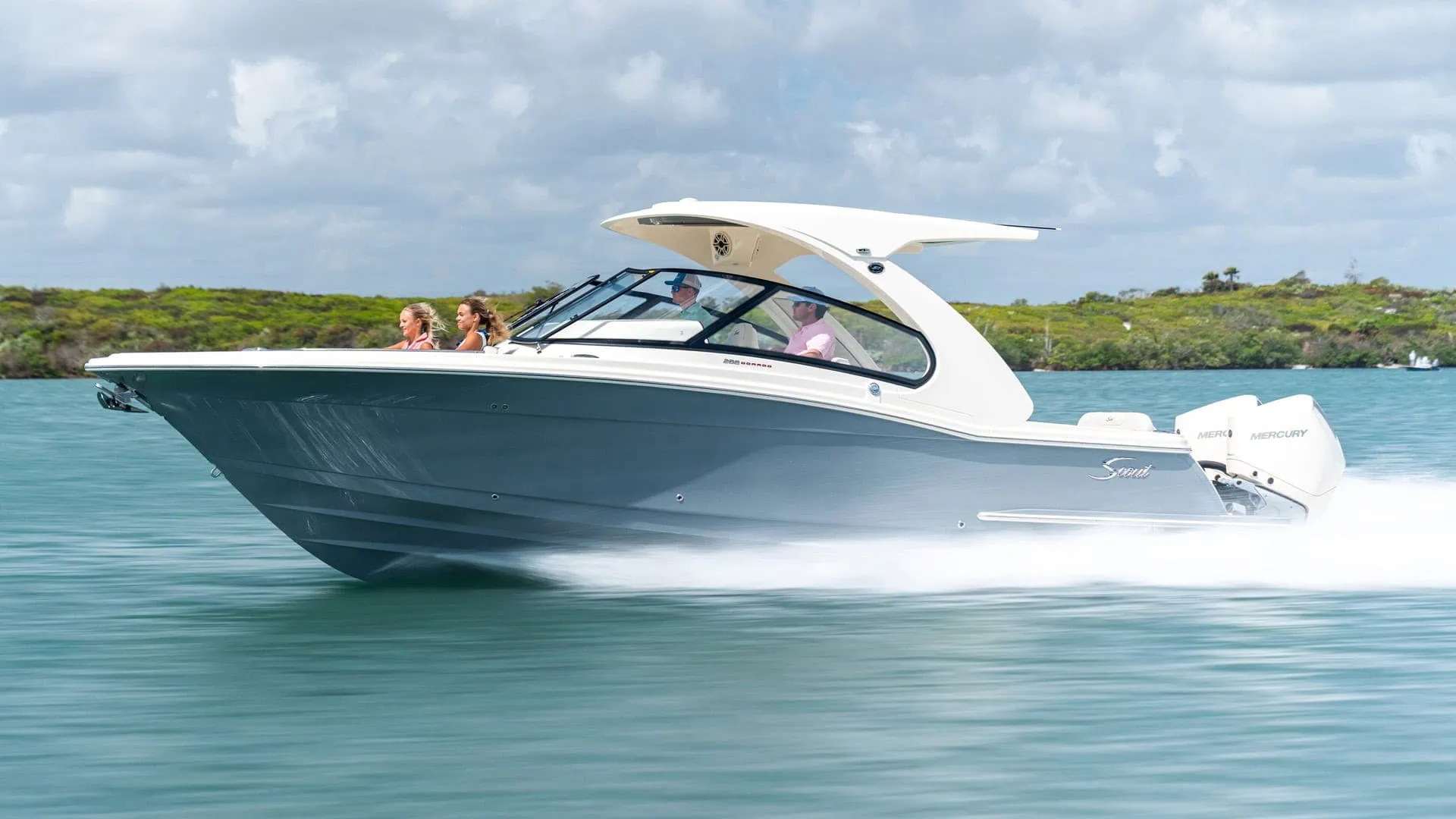
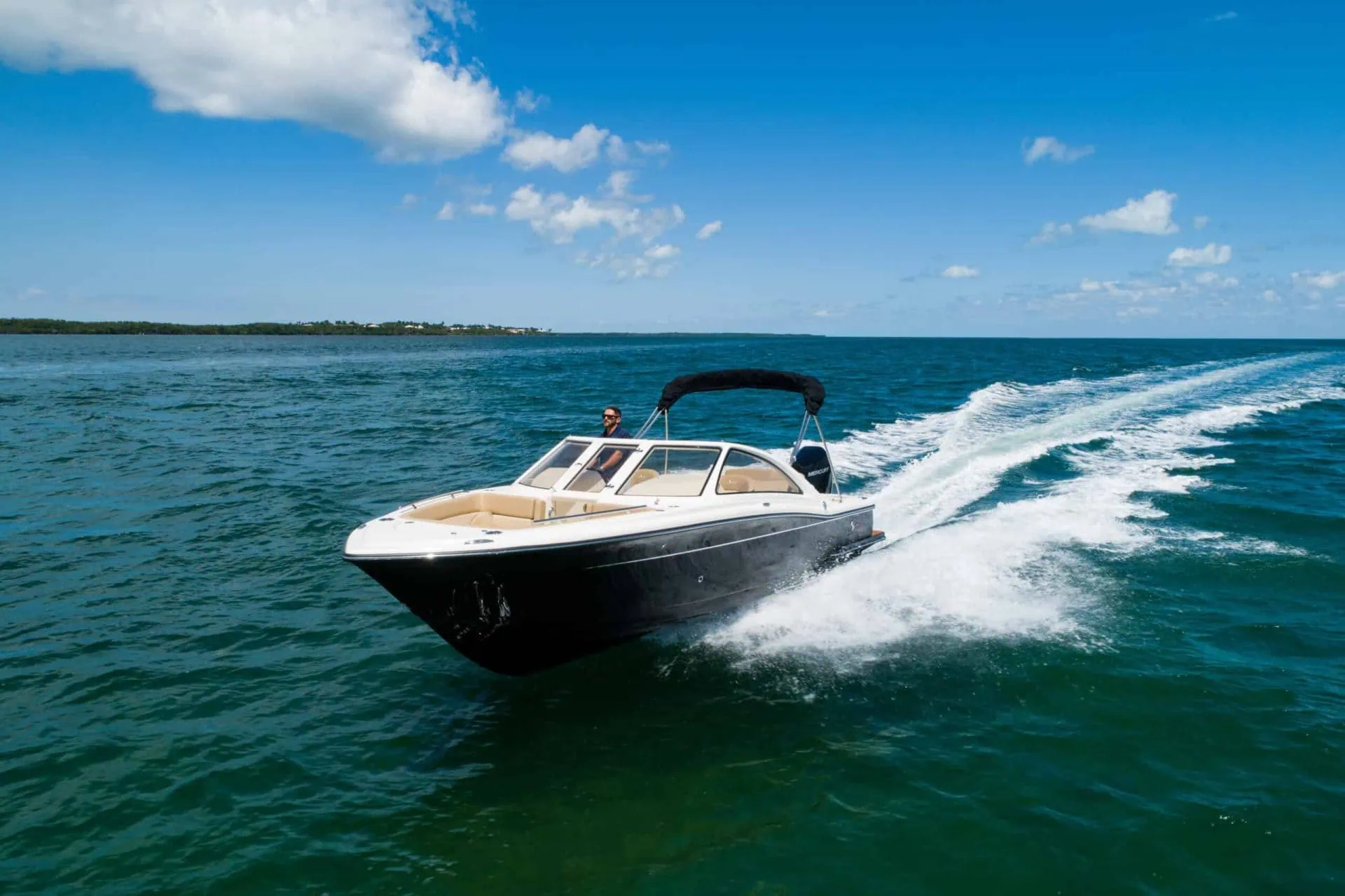
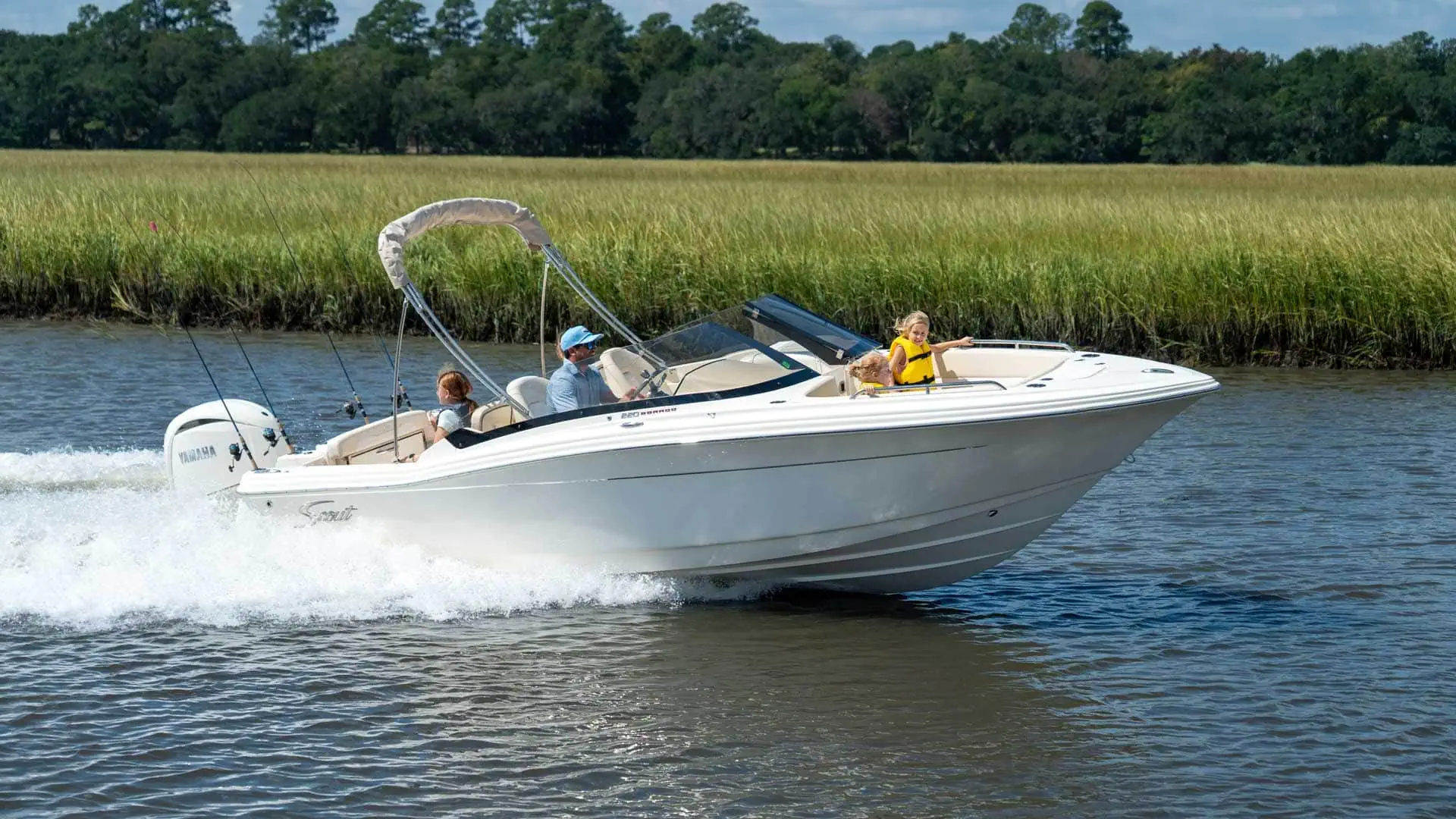
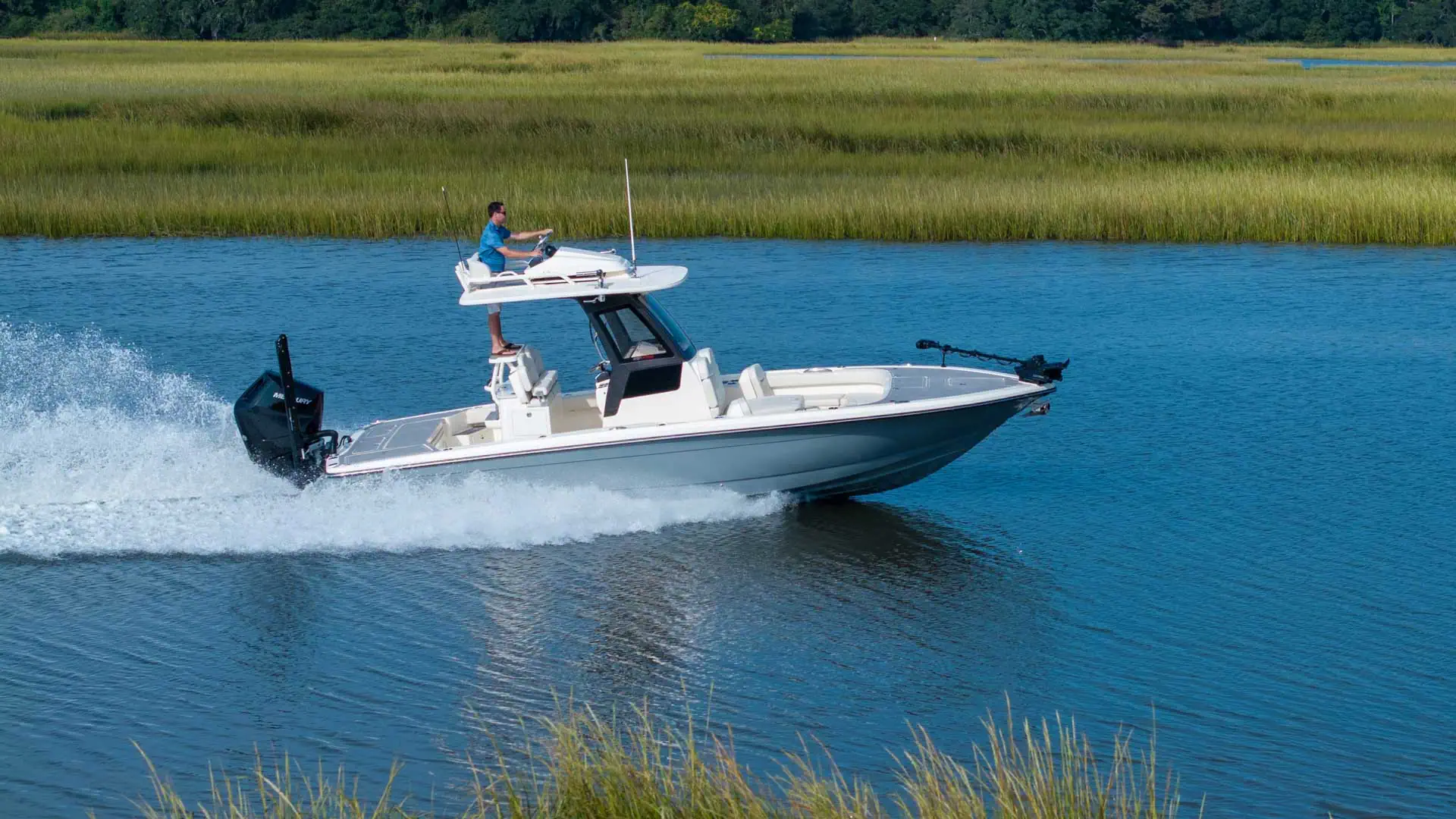
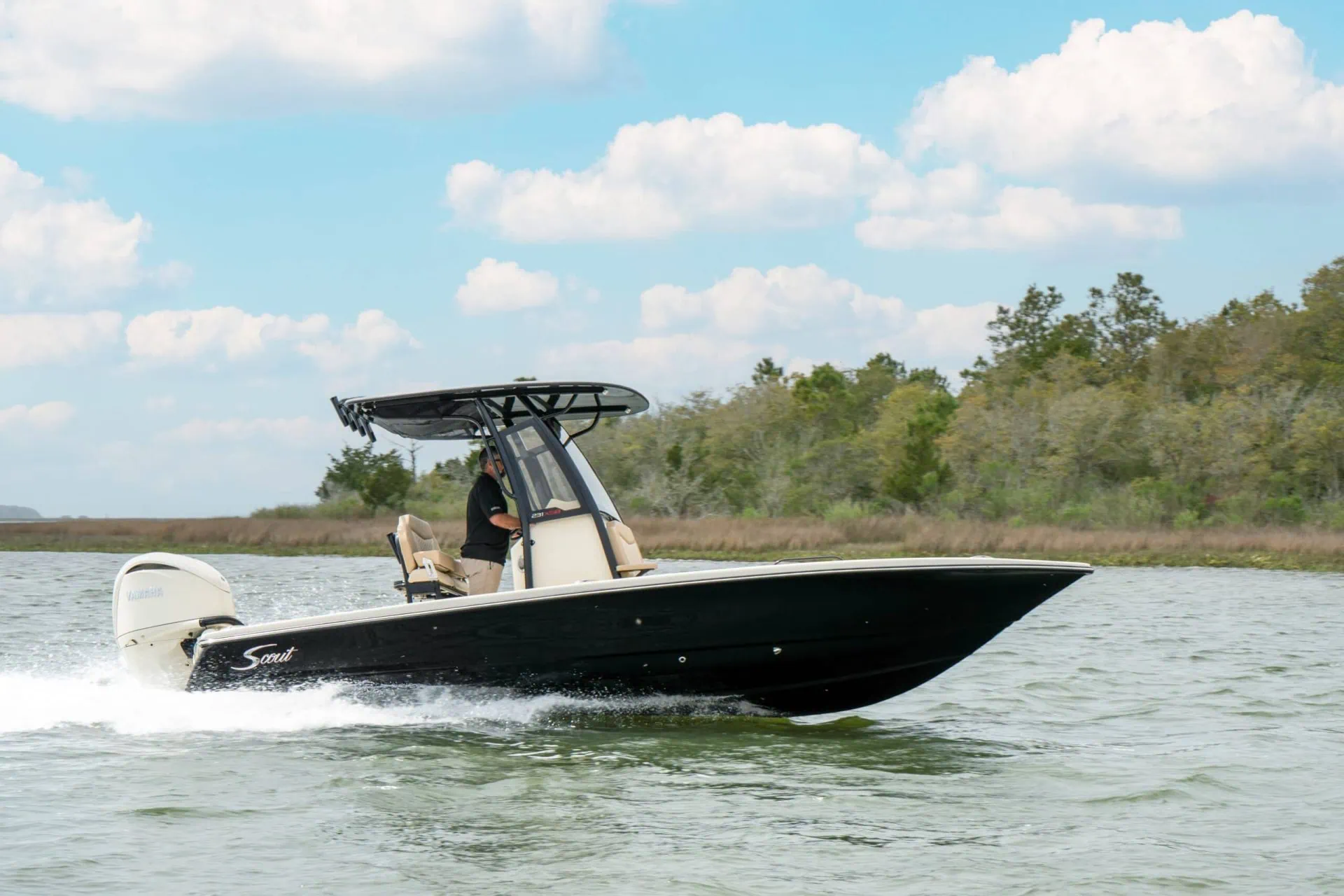
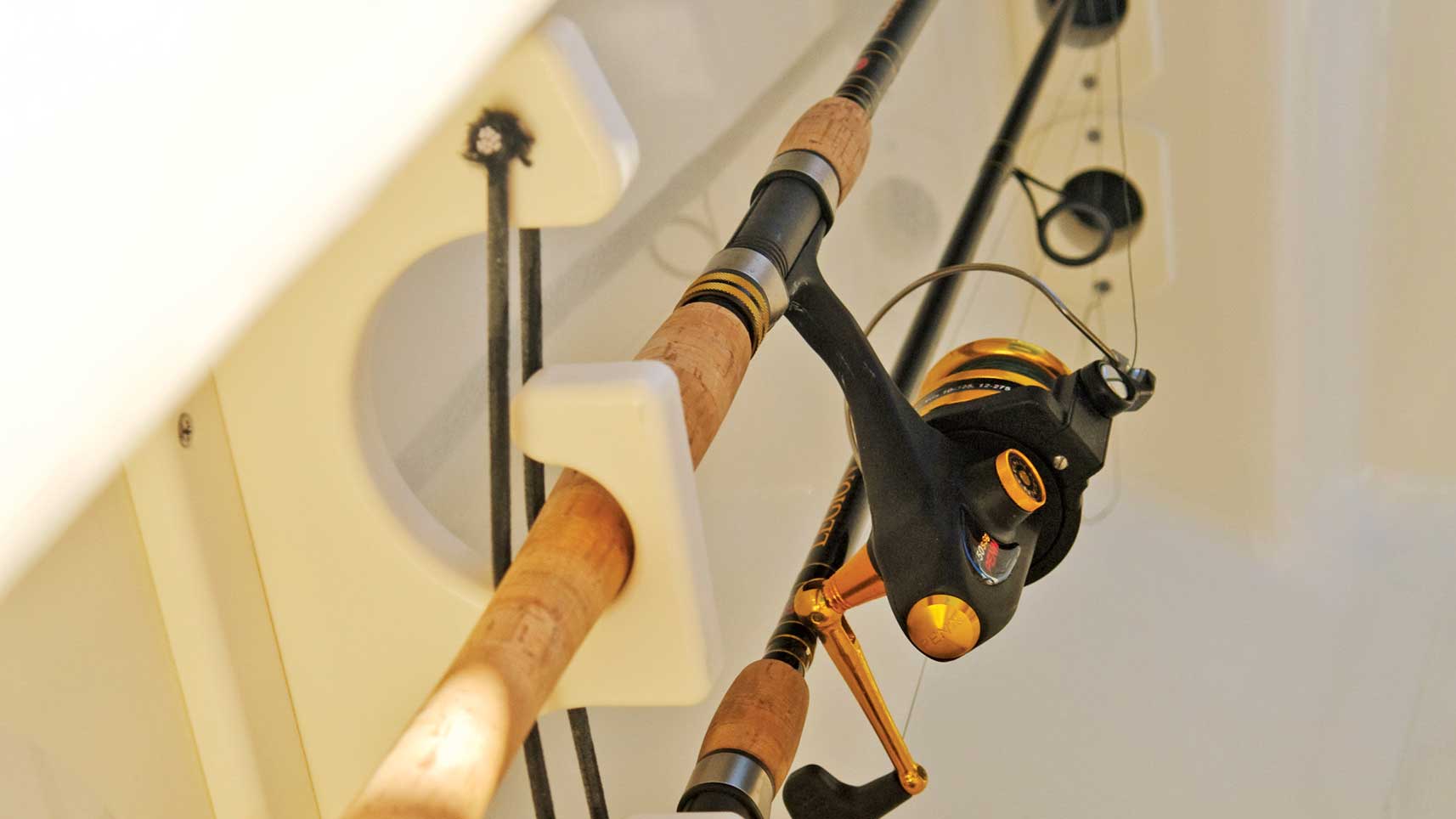
A boat with rods scattered across gunwales, coolers, and rod holders is a boat where someone steps on a line or knocks a rig loose mid-fight. Use rod holders and a rocket launcher to keep every outfit in a fixed, predictable spot, with only the rods actively being fished in hand. This is one of the reasons anglers who move up to a purpose-built center console or dual-console sportfishing boat notice an immediate difference — a well-designed rod storage layout does half the organizational work for you before the boat ever leaves the dock.
Communicate With Nearby Boats
A quick, friendly hail on the VHF or a wave to a nearby captain about which way you’re planning to drift or cast goes a long way. Most tangles in crowded fishing grounds come from crossed expectations, not bad intentions. Experienced captains treat a busy spot the way they’d treat a busy intersection — signal your intentions, give way when it costs you little, and expect the same courtesy in return.
When to Move On
Sometimes the best line management decision is deciding not to fight for space at all. If a spot is genuinely too crowded to fish without constant conflict, it’s often more productive to run a quarter-mile down the same structure or drop-off. You’ll usually find the same bait and fish holding along the edges, with far less gear to manage.
FAQ
How do I stop my line from tangling with other boats? Cast with the current instead of across it, shorten your casts near neighboring boats, and pre-rig your terminal tackle so you spend less time with your head down.
What’s the best way to organize rods on a crowded fishing trip? Keep every rod in a dedicated rod holder or rocket launcher when not actively in use, and only take out the rods you’re fishing at that moment.
Should I move if a fishing spot is too crowded? Yes — if lines are constantly crossing, moving a short distance along the same structure often produces similar results with far less hassle.
Fish the Grounds With the Right Boat Underneath You
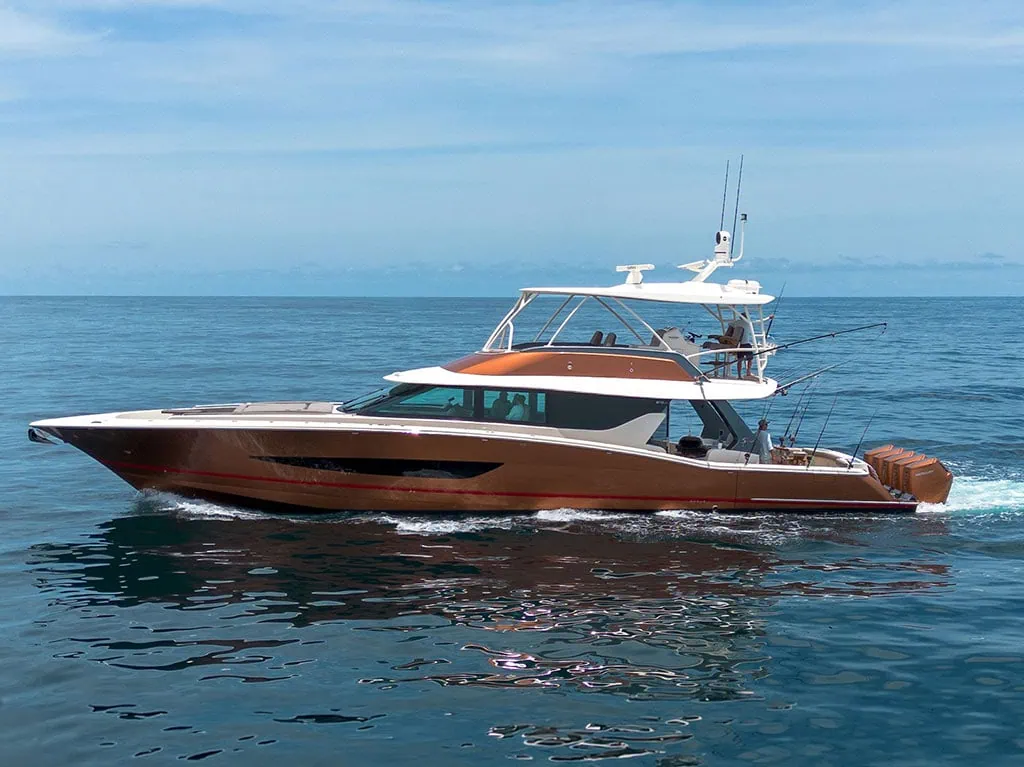
Good habits help, but the right boat makes line and gear management easier from the first cast. Scout Boats’ center console and dual-console models are built with organized rod storage, wide casting decks, and thoughtful layouts that keep gear where it belongs, even when the water gets busy. If you’re ready to spend less time untangling and more time fighting fish, explore the Scout lineup and find the boat built for how you actually fish.