














Sportfishing combines skill, strategy, and the thrill of the chase. For many boaters, it’s the natural next step after casual cruising — a way to turn time on the water into an unforgettable experience. Whether you’re targeting inshore redfish or heading offshore for mahi and tuna, understanding the fundamentals of sportfishing will help you start strong.
If you’re new to the sport, this beginner’s guide will walk you through the essentials: gear, techniques, boat selection, and safety — all while keeping performance and enjoyment top of mind.
What Is Sportfishing?
Sportfishing, sometimes called recreational fishing or game fishing, focuses on the pursuit of fish for challenge and enjoyment rather than commercial harvest. Anglers often practice catch-and-release, especially in tournaments or when targeting regulated species.
Popular sportfish species include:
- Inshore: Redfish, speckled trout, snook, flounder
- Nearshore: King mackerel, cobia, tarpon
- Offshore: Mahi-mahi, sailfish, wahoo, tuna, marlin
Each environment requires different tactics — and often, different boats.
Choosing the Right Type of Sportfishing
Before investing in gear or planning a trip, decide what kind of sportfishing fits your lifestyle and local waters.
Inshore Fishing
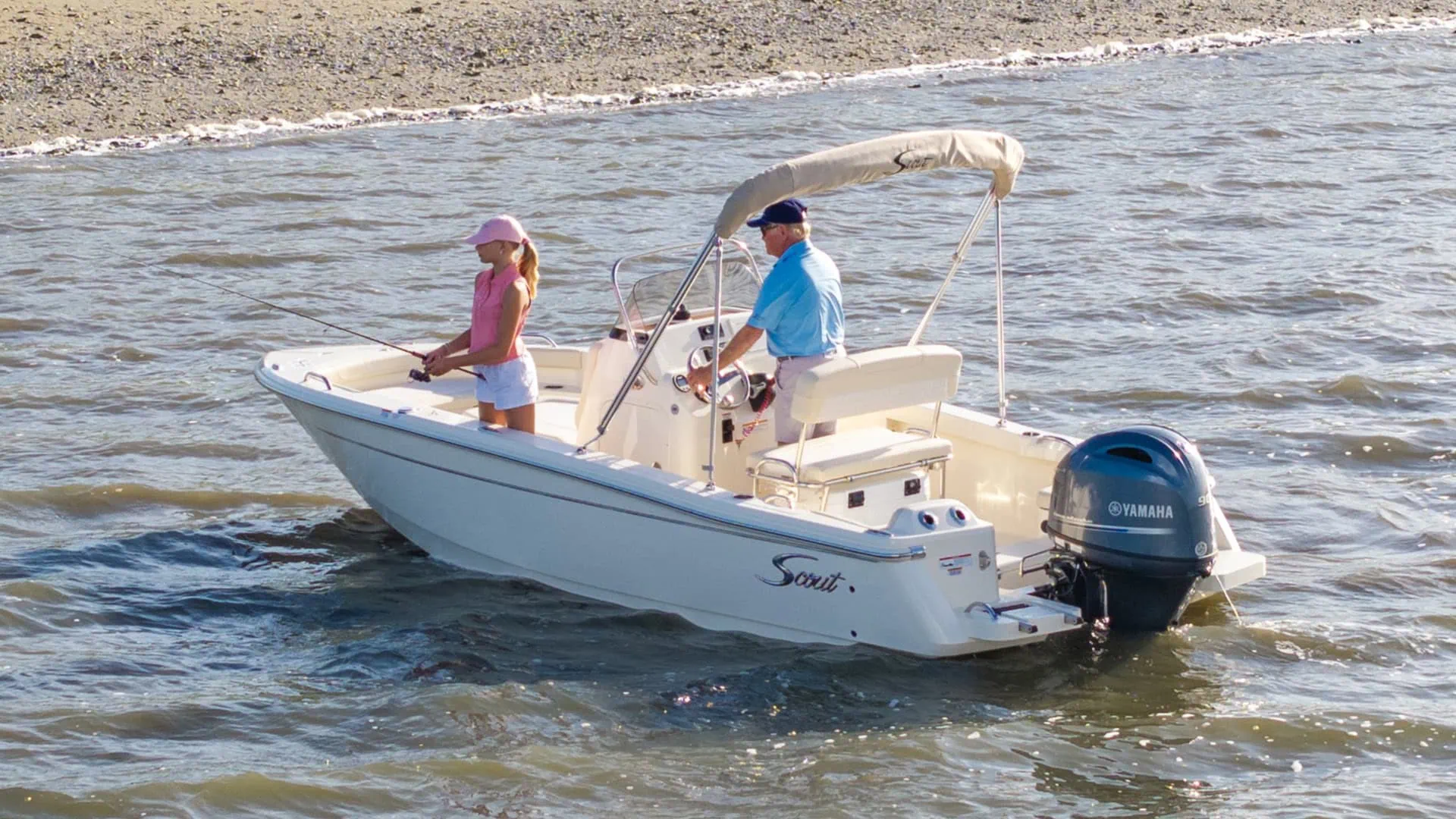
Inshore fishing typically takes place in bays, estuaries, rivers, and along coastal flats. It’s ideal for beginners because:
- Waters are generally calmer
- Trips are shorter
- Tackle is lighter and easier to manage
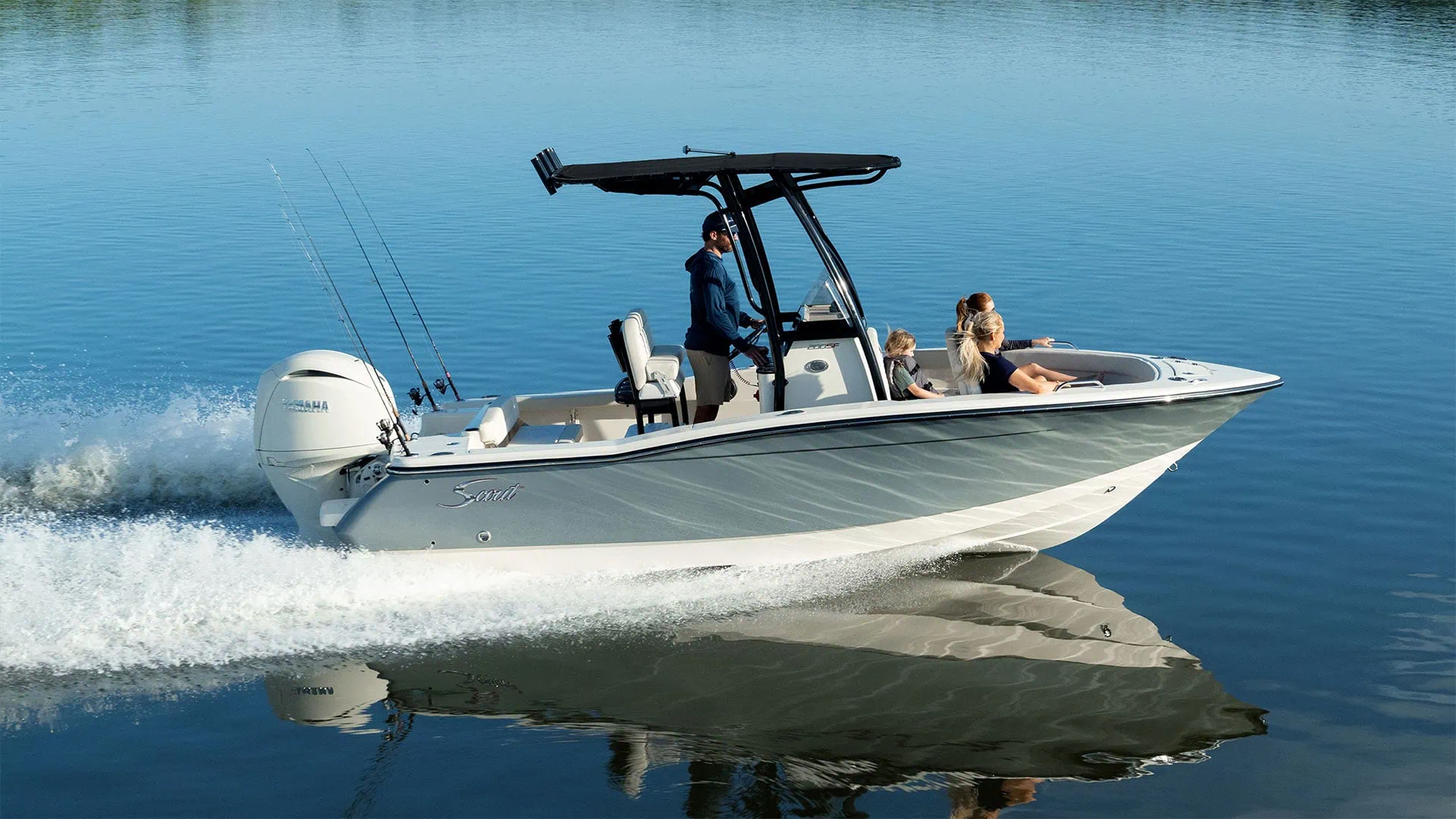
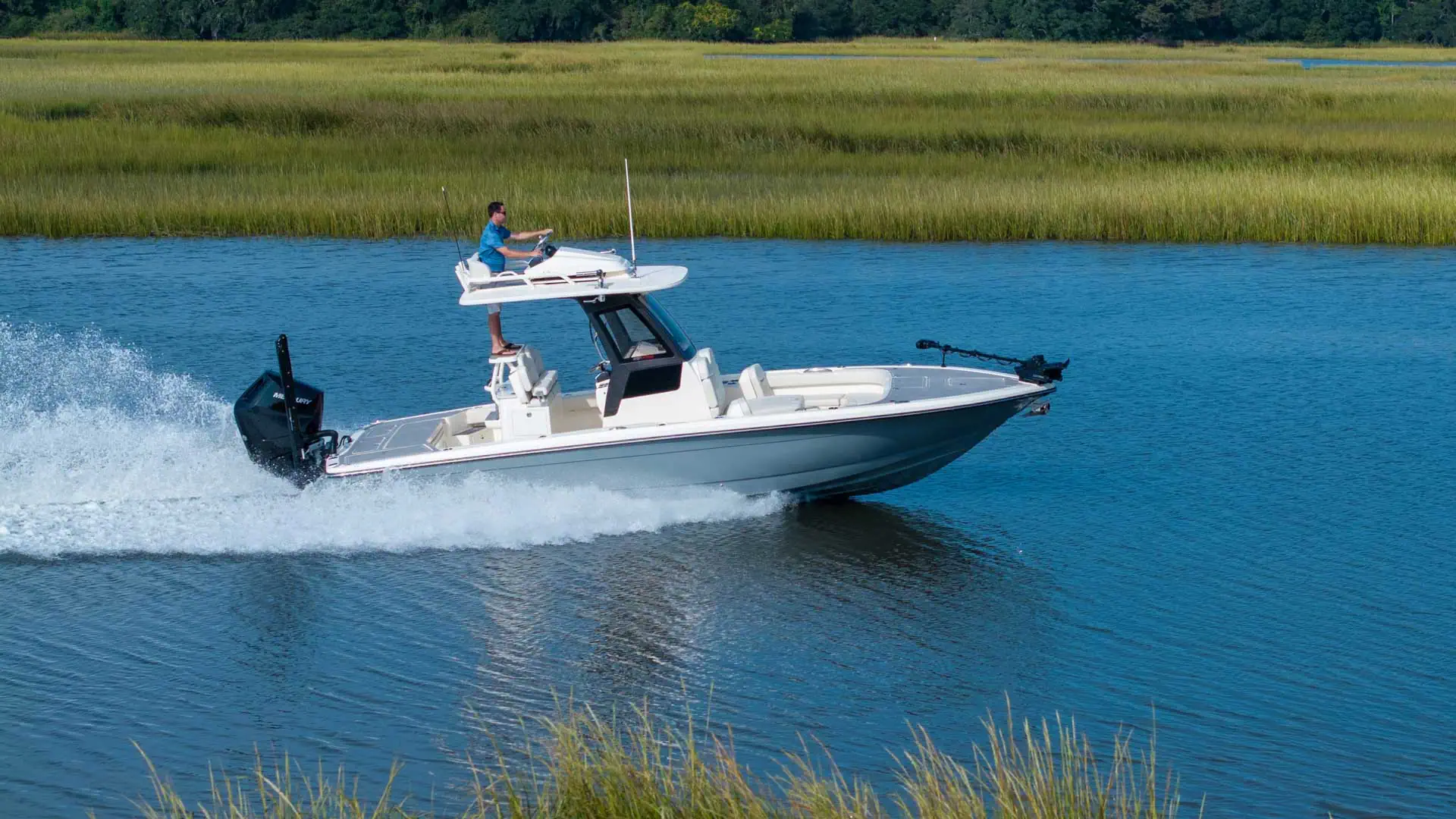
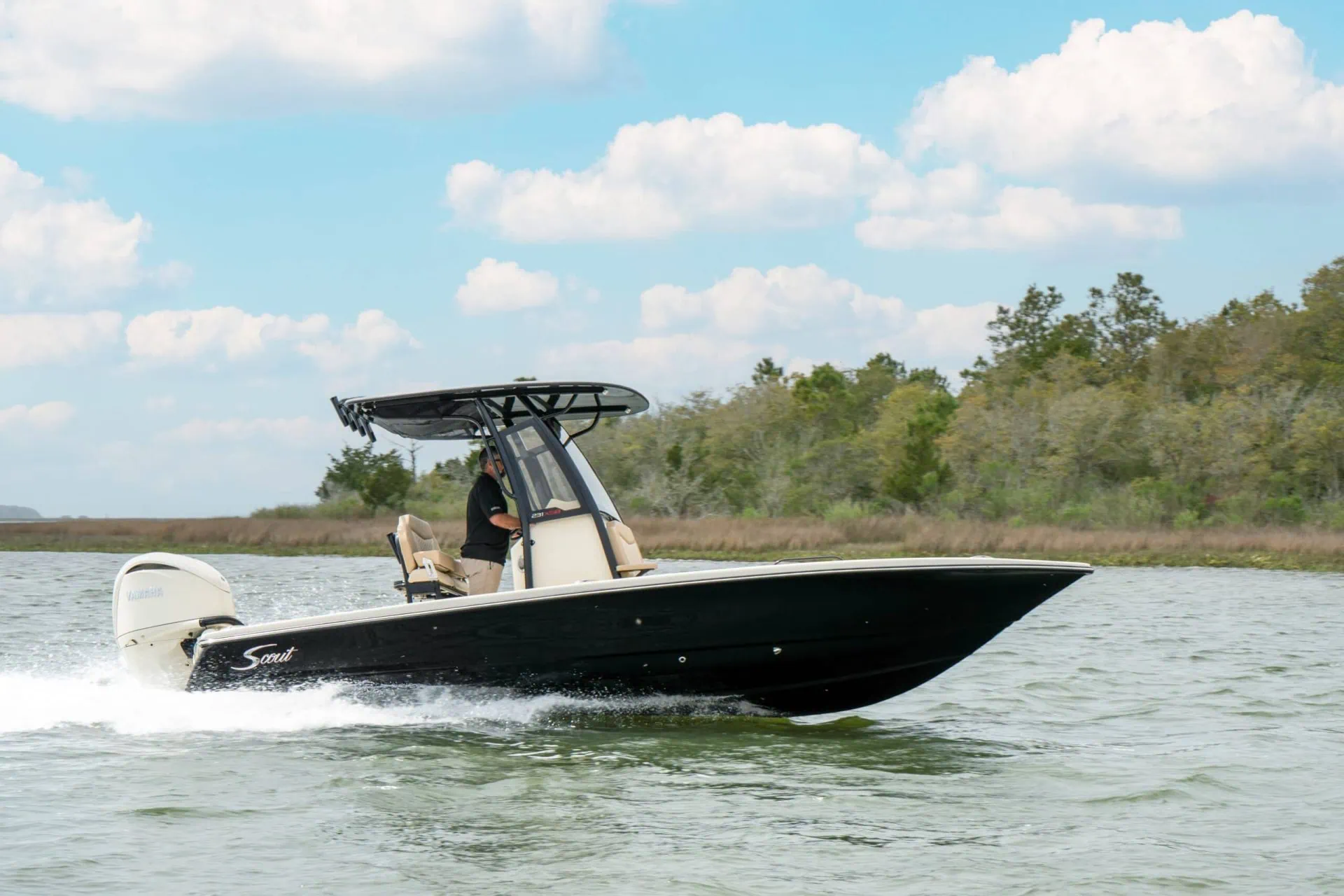
A versatile center console with a shallow draft is ideal for navigating skinny water while maintaining stability.
Offshore Fishing
Offshore sportfishing ventures miles into open water. It offers bigger fish and bigger excitement — but also requires:
- Advanced navigation tools
- Offshore-rated safety gear
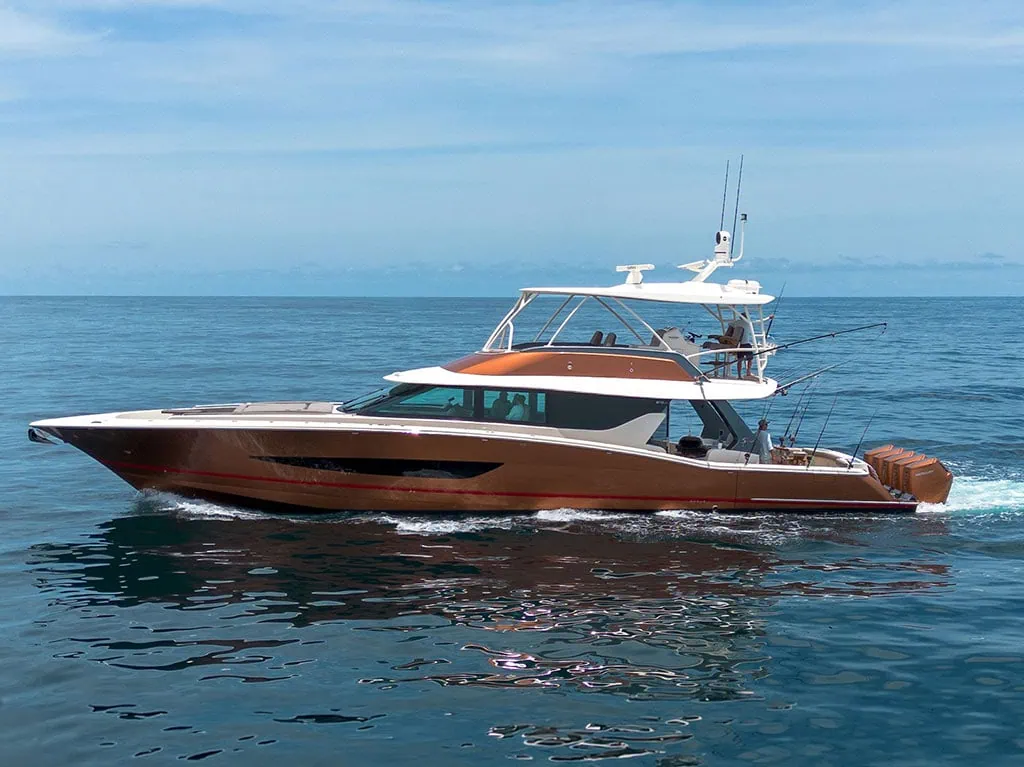
- A boat built for performance in rougher seas
Deep-V hull designs and premium construction are critical when running offshore.
Essential Sportfishing Gear for Beginners
You don’t need a tournament-level setup to get started, but investing in quality equipment will make a noticeable difference.
Rod and Reel
Match your setup to your target species:
- Spinning combos are beginner-friendly and versatile
- Conventional reels are common offshore for trolling and deep drops
Ask local tackle shops for species-specific recommendations.
Tackle and Bait
Basic tackle includes hooks, weights, swivels, and leader line. Beginners can start with:
- Live bait (shrimp, pilchards, mullet)
- Artificial lures (soft plastics, topwater plugs, jigs)
Live bait often increases success rates, while artificial lures build casting skill.
Electronics
Modern sportfishing relies heavily on technology:
- GPS and chartplotters for navigation
- Fish finders and sonar to locate structure and bait schools
- VHF radio for safety and communication
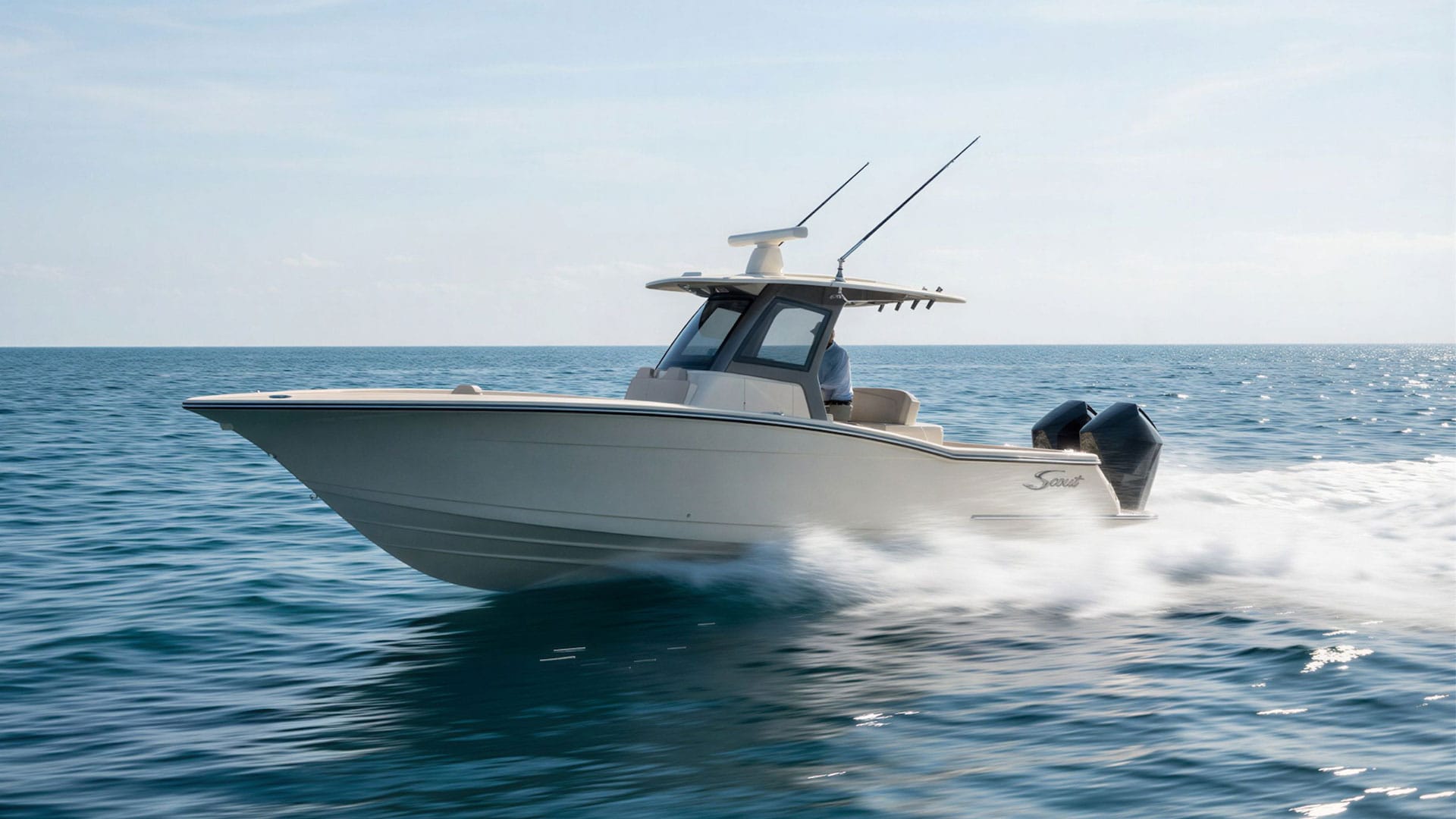
Many premium center consoles integrate advanced marine electronics seamlessly into the helm.
Boat Features That Matter for Sportfishing
Your boat is more than transportation — it’s your fishing platform. Beginners often underestimate how much boat design impacts comfort, efficiency, and success.
Look for:
- 360-degree fishability with unobstructed walkaround space
- Ample rod storage
- Insulated fish boxes
- Livewells with proper aeration
- Stable hull design for drifting and fighting fish
High-quality construction also ensures a smoother, drier ride — especially when conditions change unexpectedly.
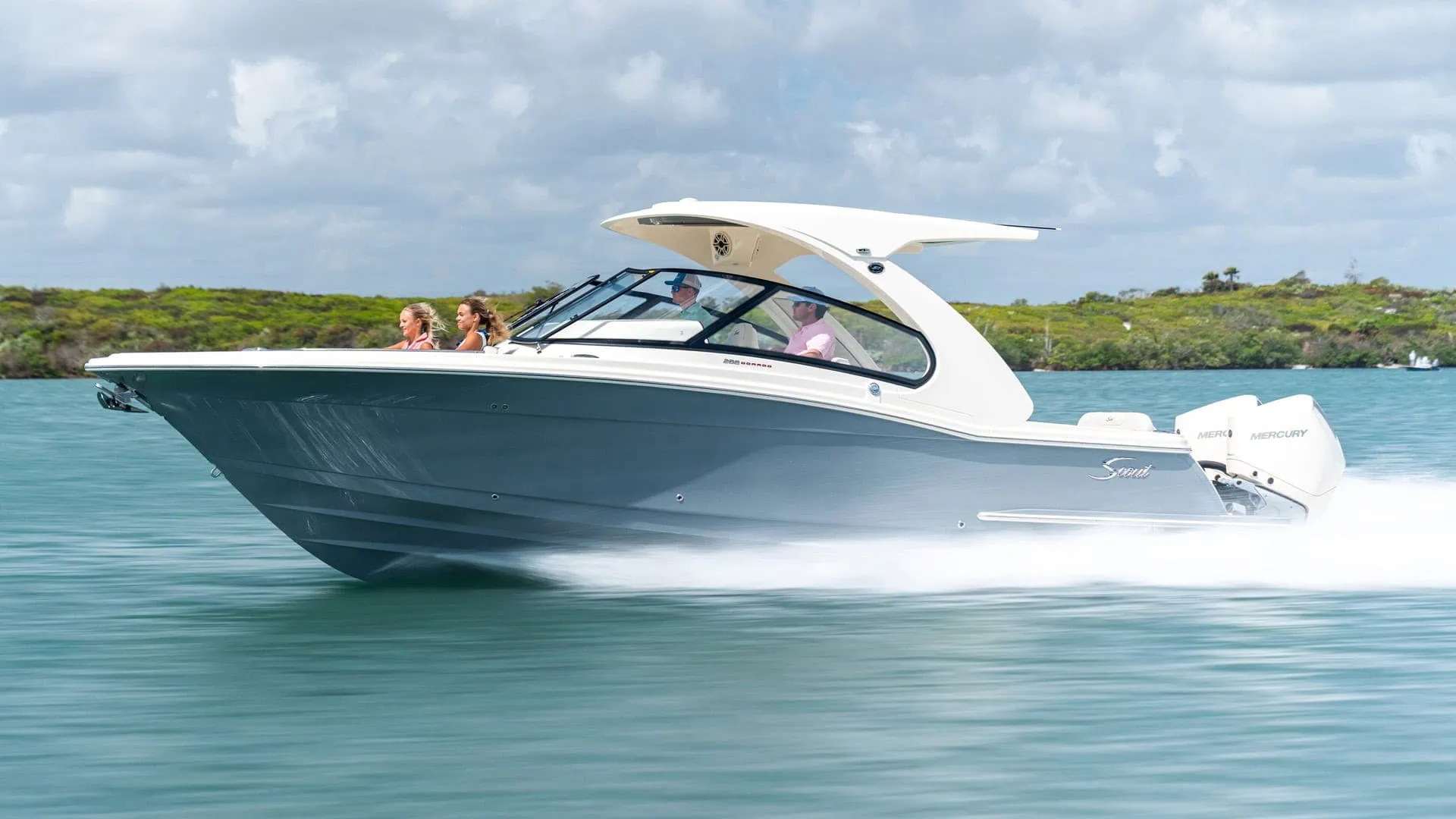
Scout Boats, for example, are engineered with advanced composite construction, precision performance hulls, and integrated fishing amenities designed to support both serious anglers and families who want versatility.
Basic Sportfishing Techniques
Casting
Casting is one of the foundational skills every beginner angler should master. Whether you’re fishing inshore flats or targeting structure near docks and jetties, accuracy and control make a significant difference. A smooth, controlled rod motion paired with proper timing on the line release will improve both distance and precision. Many inshore species relate closely to structure such as grass lines, oyster beds, mangroves, and bridge pilings, so learning to place your lure or bait strategically is key. With practice, casting becomes instinctive — allowing anglers to focus more on reading water conditions and fish behavior.
Trolling
Trolling is a widely used offshore technique that involves pulling bait or artificial lures behind the boat at a consistent speed. This method covers more water and increases your chances of locating active fish, particularly pelagic species like mahi-mahi, wahoo, tuna, and sailfish. Boat control is critical when trolling. Maintaining steady speeds and watching your spread — the arrangement of lines behind the boat — helps prevent tangles and ensures optimal lure action. Advanced helm layouts and integrated controls can make speed adjustments seamless, which becomes especially important in changing sea conditions.
Bottom Fishing
Bottom fishing targets species that hold close to reefs, wrecks, and natural underwater structure. Using sonar and fish-finding technology, anglers can identify depth changes and fish activity before dropping bait directly to the seafloor. Patience is essential, as is maintaining proper boat positioning over productive areas. A stable hull design greatly enhances comfort when drifting or anchoring, particularly in deeper offshore waters. Bottom fishing is an excellent way for beginners to build confidence because bites are often strong and direct, offering immediate feedback and excitement.
Safety First on the Water
Beginner anglers should prioritize safety every trip:
- Always check marine forecasts before departure
- File a float plan with someone on land
- Carry required life jackets and emergency equipment
- Know local fishing regulations and size limits
Offshore trips demand additional preparation, including EPIRBs, backup communication, and redundant navigation systems.
Confidence on the water grows with preparation and experience.
Developing Skill Over Time
Sportfishing is a learning process. Consider:
- Booking a charter to observe professional techniques
- Joining local fishing clubs
- Participating in beginner-friendly tournaments
- Practicing catch-and-release conservation methods
The more time you spend on the water, the more instinctive boat positioning, bait selection, and fish behavior will become.
Why the Right Boat Makes All the Difference
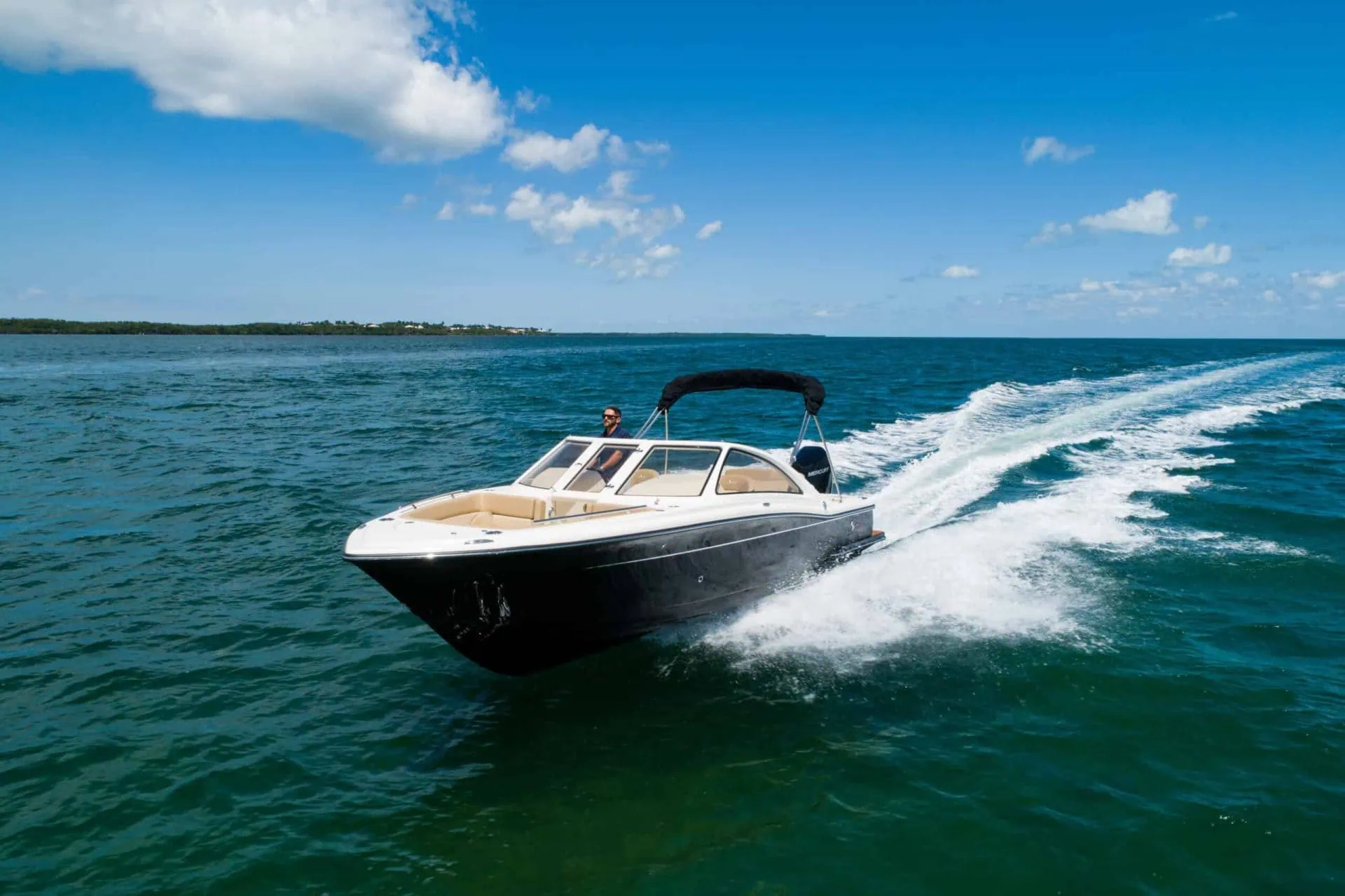
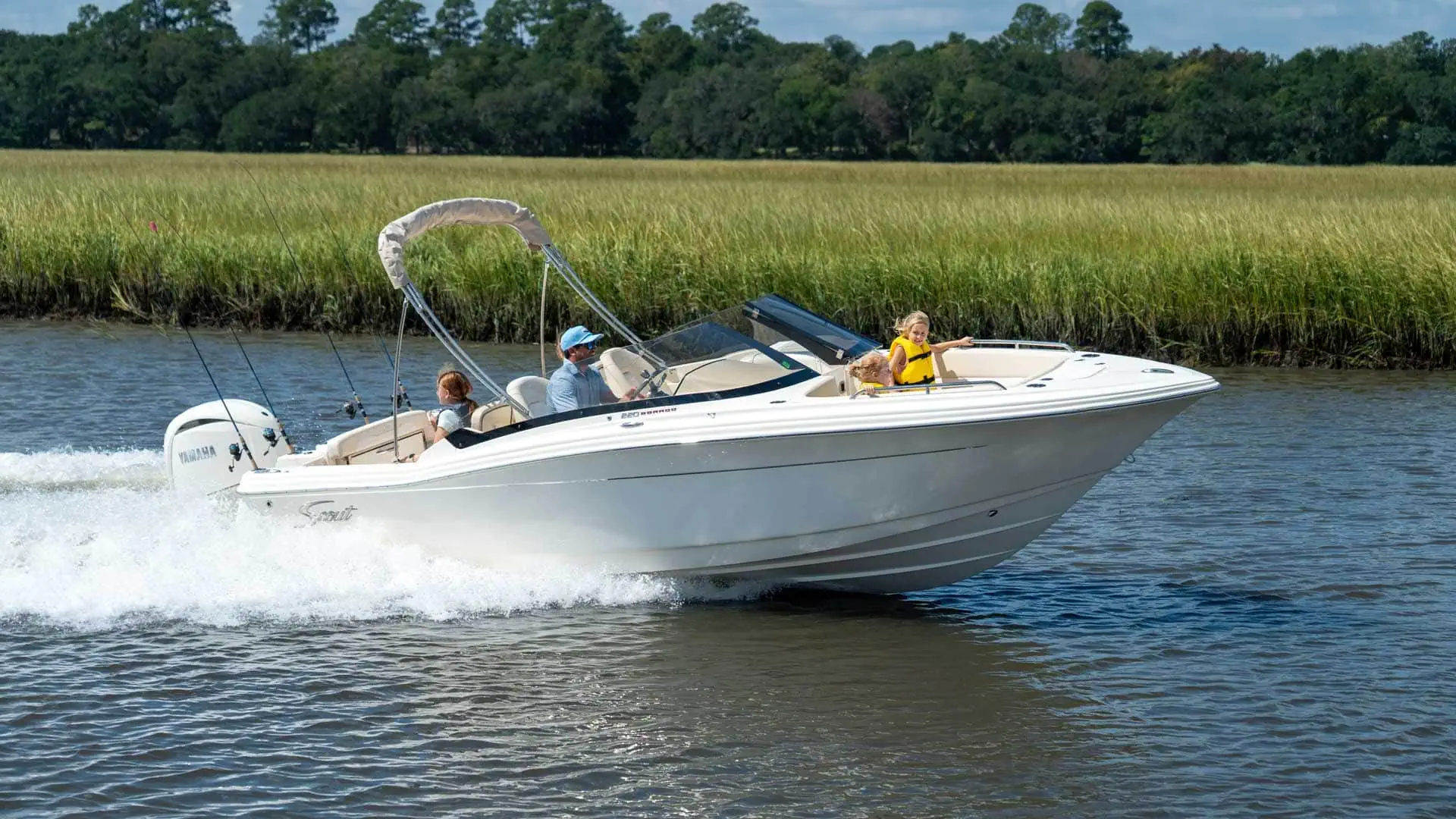
For beginners, versatility is key. Many anglers want a boat that can fish seriously in the morning and cruise comfortably with family in the afternoon.
Premium center consoles and dual consoles offer:
- Offshore performance capabilities
- Comfortable seating and storage
- Durable materials built to handle saltwater conditions
- Refined fit and finish that elevates the entire experience
A thoughtfully designed boat supports both performance and longevity — giving new anglers room to grow.
If you’re exploring sportfishing and want a vessel engineered for strength, innovation, and precision, it’s worth discovering how Scout Boats blends advanced construction with functional fishing design. Whether targeting inshore species or running offshore grounds, Scout models are built to perform with confidence and style.
Explore the Scout lineup to find the platform that fits your fishing ambitions — today and years from now.
Sportfishing Beginner FAQ
What is the best boat for beginner sportfishing?
A versatile center console with stable handling, ample storage, and modern electronics is ideal for most beginners.
Do I need a large boat for offshore fishing?
Offshore fishing requires a boat designed for open water conditions. Size matters, but hull design and build quality are equally important.
What equipment is essential for starting sportfishing?
At minimum: rod and reel, tackle, bait, safety gear, and navigation electronics. As skills grow, equipment can be upgraded.
Is sportfishing expensive to start?
Costs vary based on boat ownership, gear, and trip frequency. Beginners can start modestly and expand over time.
How do I improve my sportfishing success?
Practice regularly, learn local waters, invest in quality equipment, and prioritize safety and conservation.