













South Carolina’s coastline offers some of the most diverse and productive sportfishing opportunities on the East Coast. From winding inshore estuaries to deep offshore ledges, the Palmetto State gives anglers year-round access to prized species and dynamic water conditions.
Whether you’re new to coastal sportfishing or planning your next run offshore, knowing where to fish — and how to prepare — can elevate your time on the water.
Below, we highlight some of the best coastal sportfishing spots in South Carolina and what makes each destination unique.
Charleston: A Versatile Fishing Hub
Charleston consistently ranks as one of the top sportfishing destinations in the Southeast — and for good reason. The region offers unmatched versatility, allowing anglers to fish inshore, nearshore, and offshore within a single day.
Inshore, Charleston Harbor and surrounding tidal creeks are famous for redfish, speckled trout, and flounder. Flood tides create sight-fishing opportunities along grass flats, while oyster beds and docks provide reliable structure year-round.
Nearshore reefs attract king mackerel, cobia, and Spanish mackerel during warmer months. Artificial reef systems create productive structure within manageable running distance.
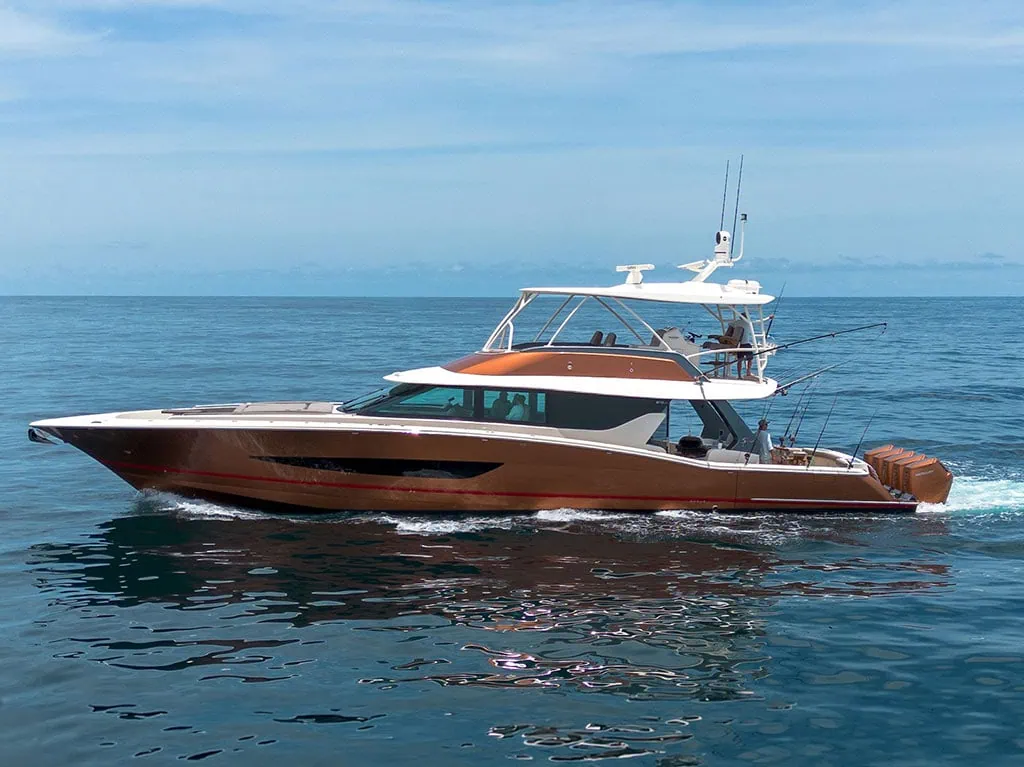
Offshore, the Gulf Stream lies approximately 60–80 miles out, offering mahi-mahi, wahoo, tuna, and billfish opportunities. Running offshore from Charleston requires a capable, performance-driven boat engineered for open-water conditions.
Hilton Head & Beaufort: Inshore Excellence
Hilton Head and Beaufort are known for expansive marsh systems and tidal creeks that make them premier inshore fisheries. These waters are ideal for anglers seeking technical casting and shallow-water challenges.
Redfish thrive in these estuaries year-round, often schooling during cooler months. Speckled trout and flounder round out the inshore trifecta. The intricate network of grass flats rewards anglers who understand tides and water movement.
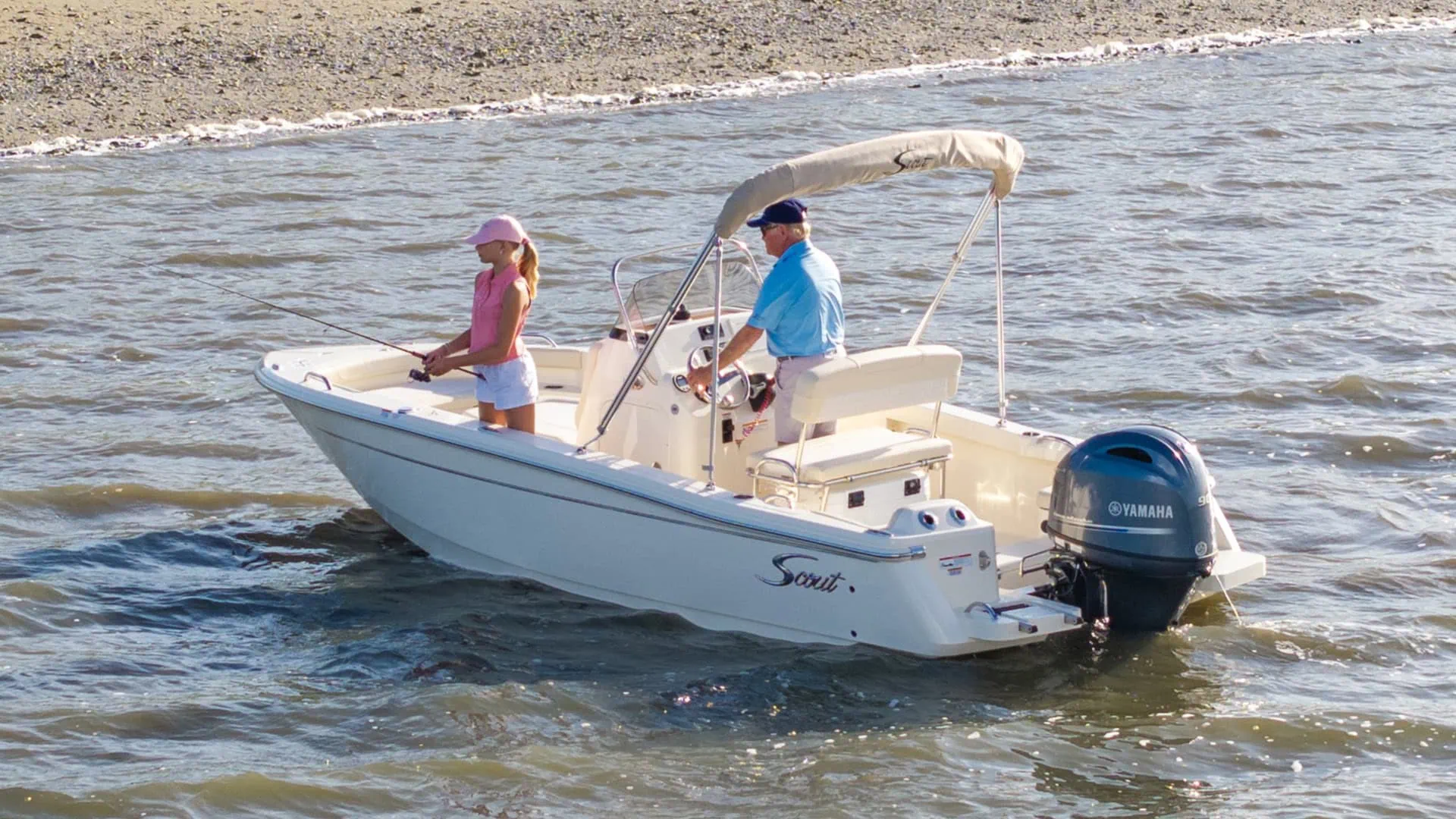
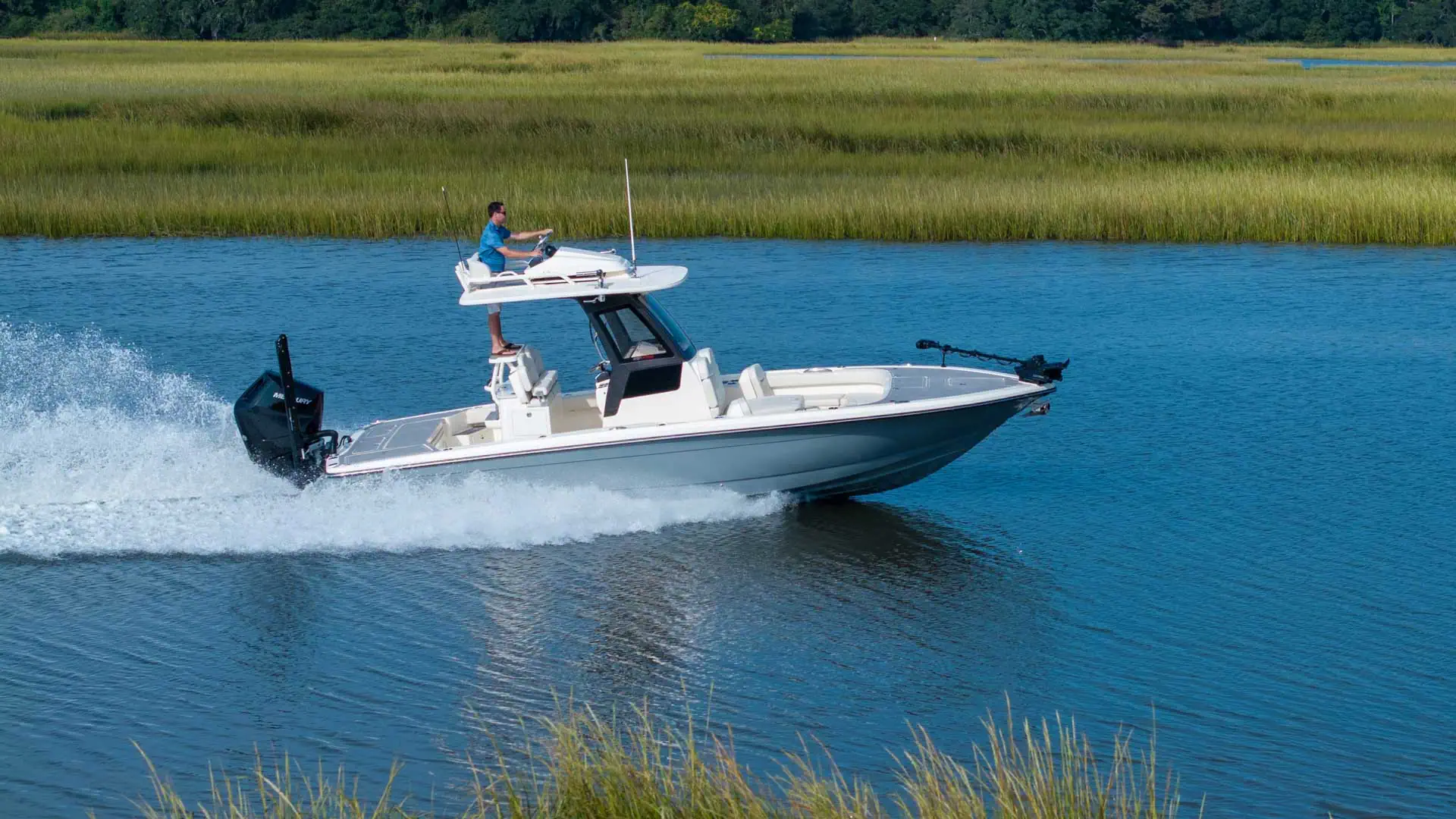
Boats with shallow drafts and stable hull designs excel here, allowing anglers to navigate skinny water confidently while maintaining comfort for longer days exploring the marsh.
Georgetown: Untouched Lowcountry Waters
Situated between Charleston and Myrtle Beach, Georgetown offers a quieter, less pressured fishing experience. Winyah Bay and the surrounding rivers create a nutrient-rich environment that supports a wide variety of species.
Tarpon migrate through the area in summer, offering an exciting nearshore opportunity. Inshore anglers target redfish, trout, and black drum around oyster beds and deeper channels.
Georgetown’s balance of open bay and protected waters makes it attractive for families and anglers alike. Reduced boat traffic can translate into more relaxed days on the water — particularly appealing for those refining their sportfishing skills.
Myrtle Beach: Accessible Offshore Action
Myrtle Beach provides excellent access to both nearshore reefs and offshore ledges. The 60-Mile Box and nearby live-bottom structures attract grouper, snapper, amberjack, and pelagic species during peak seasons.
The proximity of productive offshore grounds makes Myrtle Beach an appealing departure point for anglers eager to explore bluewater sportfishing without excessively long runs.
Modern center consoles equipped with advanced marine electronics — including GPS chartplotters and high-definition sonar — help anglers locate temperature breaks, structure, and bait schools efficiently.
Bulls Bay: A Redfish Haven
For anglers focused on inshore precision, Bulls Bay north of Charleston remains a standout location. Its shallow flats and minimal development create a natural habitat ideal for redfish.
Sight-casting during flood tides offers one of the most technical and rewarding inshore experiences in South Carolina. Quiet boat positioning and responsive handling are essential when stalking fish in skinny water.
Stable hull design and unobstructed deck space allow anglers to move freely and cast confidently when opportunities arise.
Techniques for South Carolina Coastal Fishing
Fishing South Carolina’s coast requires adaptability. Seasonal water temperatures influence migration patterns, so understanding local trends enhances success.
Inshore anglers often rely on casting soft plastics, live shrimp, or topwater lures near structure. Precision placement around oyster beds, grass lines, and docks is critical.
Nearshore and offshore anglers frequently employ trolling techniques for king mackerel and mahi-mahi, covering water efficiently while monitoring electronics for bait activity.
Bottom fishing over reefs and ledges targets snapper and grouper species. Accurate boat positioning and stable drifting improve both comfort and productivity during these sessions.
Electronics integration plays a major role across all fisheries. Advanced sonar, temperature tracking, and intuitive helm layouts streamline decision-making — especially when weather or tide conditions change.
Why the Right Boat Matters on the South Carolina Coast
South Carolina’s coastal waters can shift quickly. Calm mornings may give way to afternoon chop, particularly offshore. Choosing a boat engineered for performance and durability ensures both safety and confidence.
Features that enhance coastal sportfishing include:
- Deep-V hull design for smoother offshore runs
- Shallow draft capability for inshore exploration
- 360-degree fishability
- Integrated livewells and insulated fish boxes
- Advanced composite construction for long-term durability
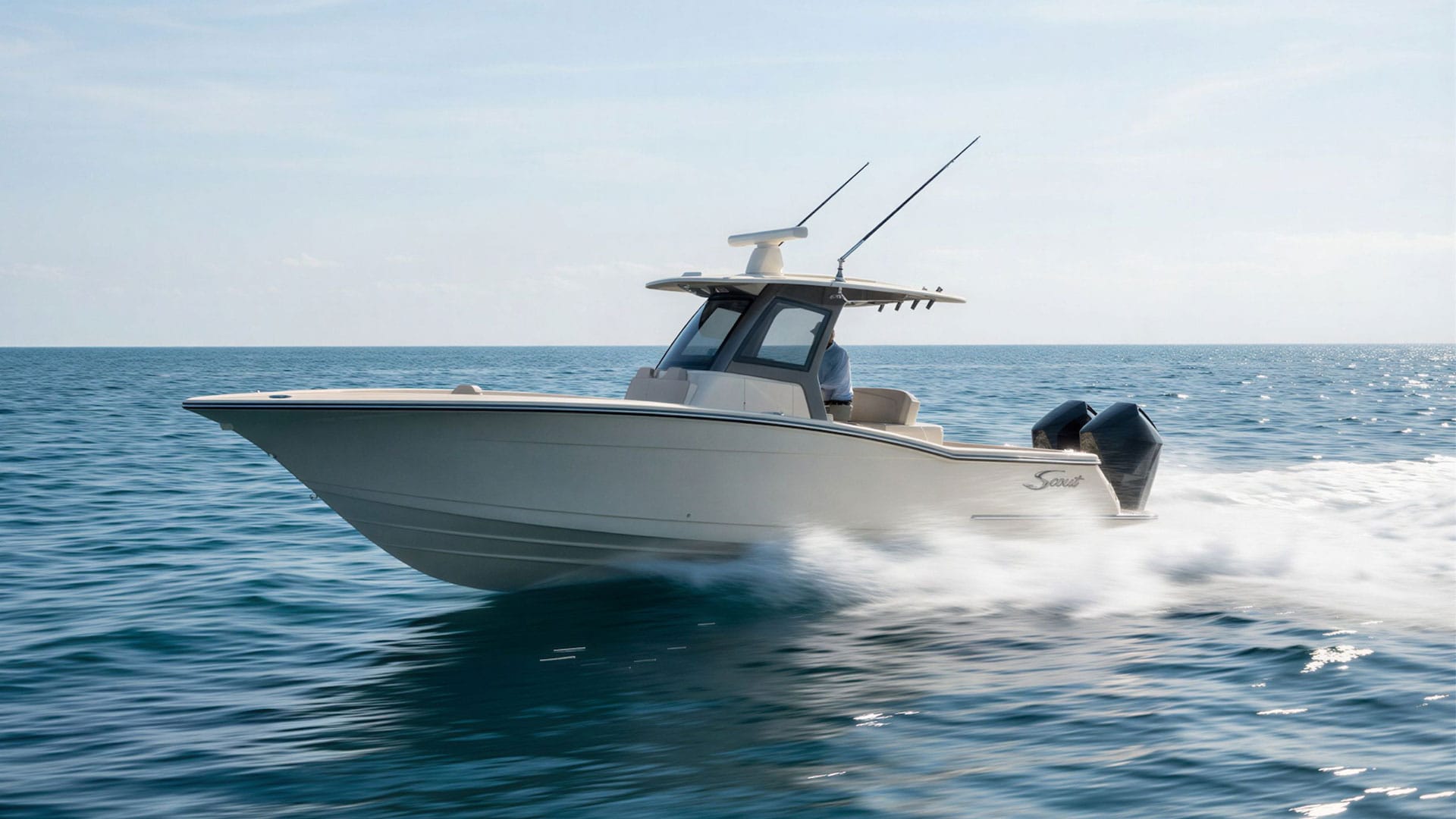
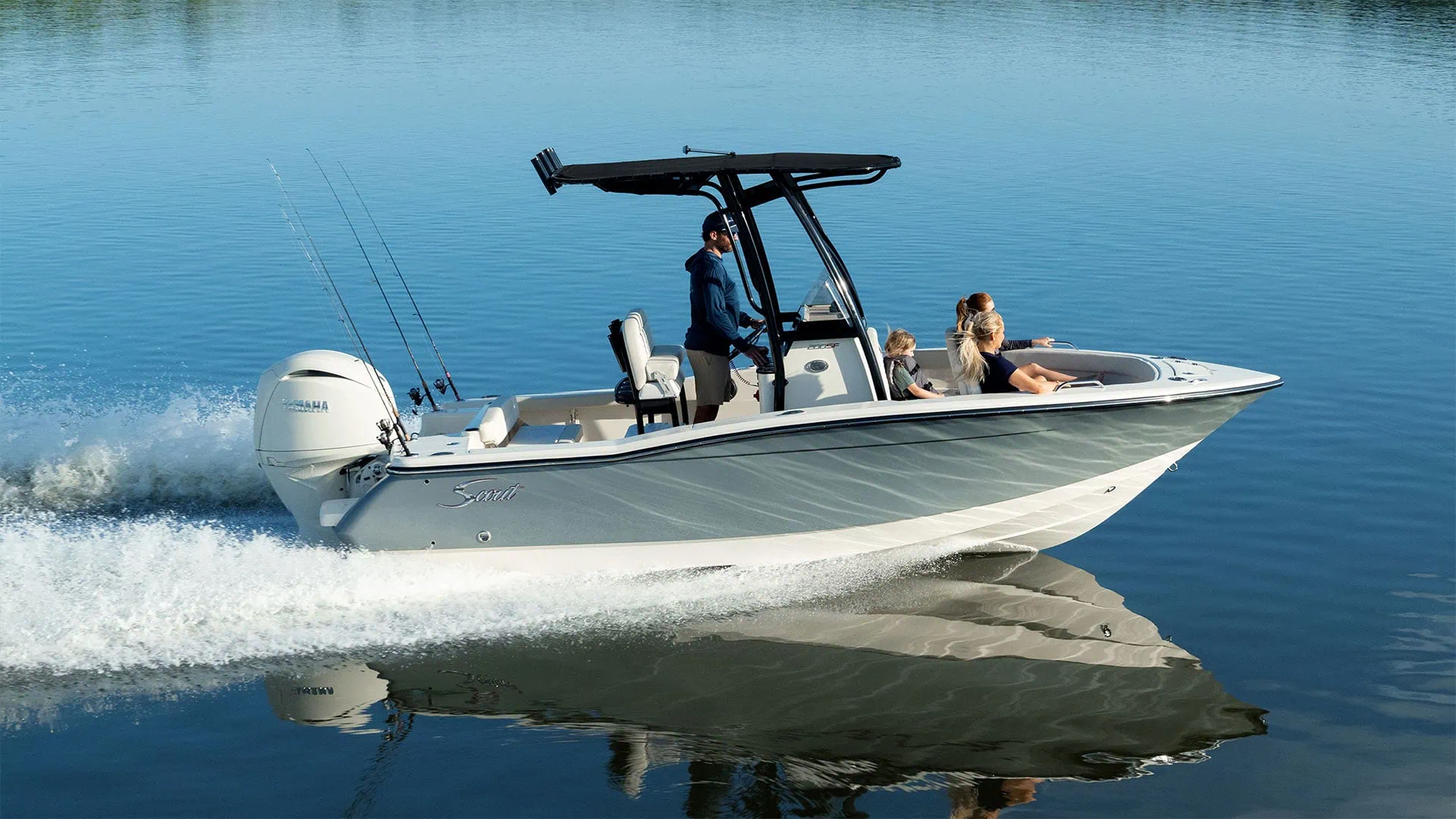
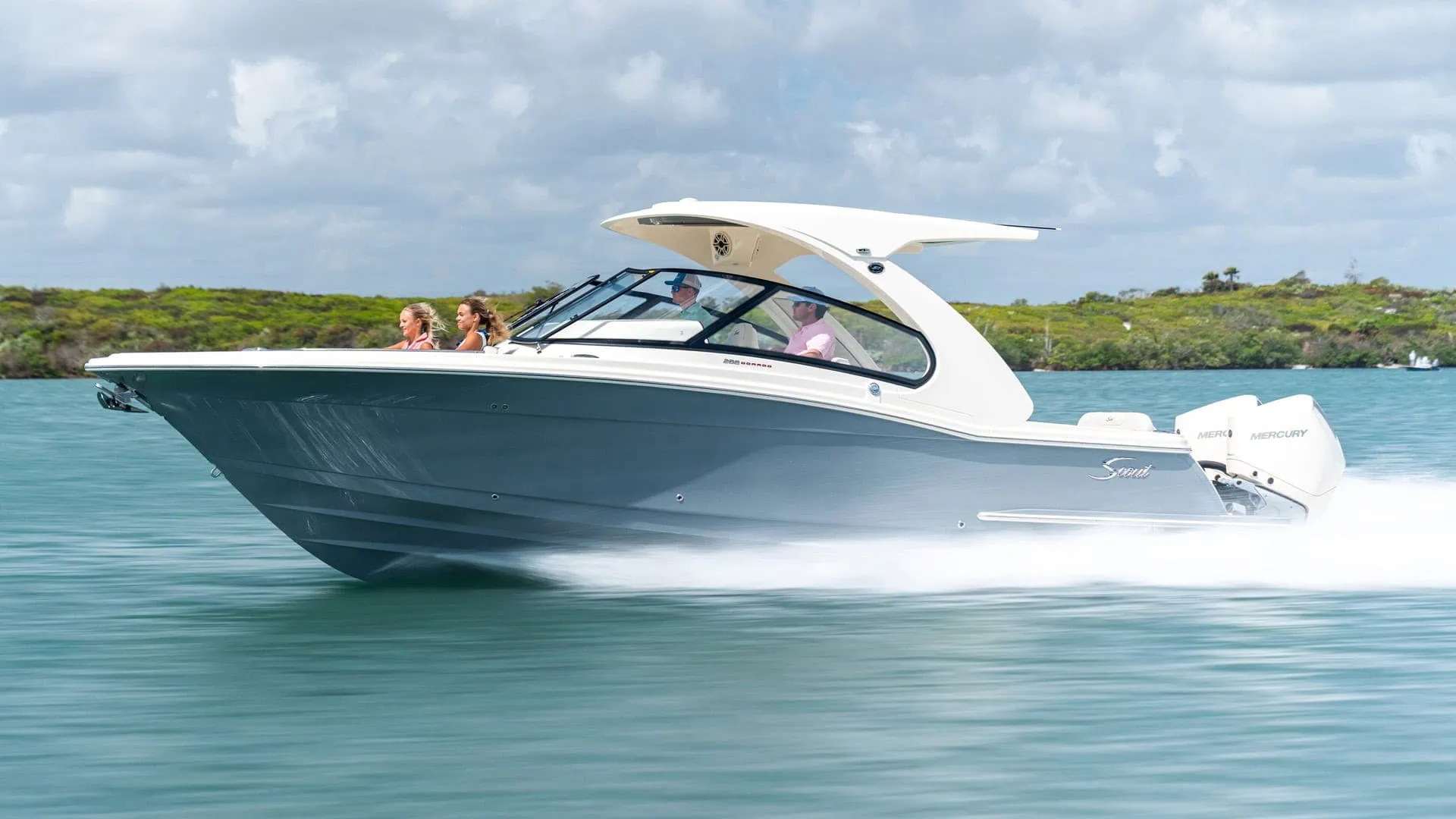
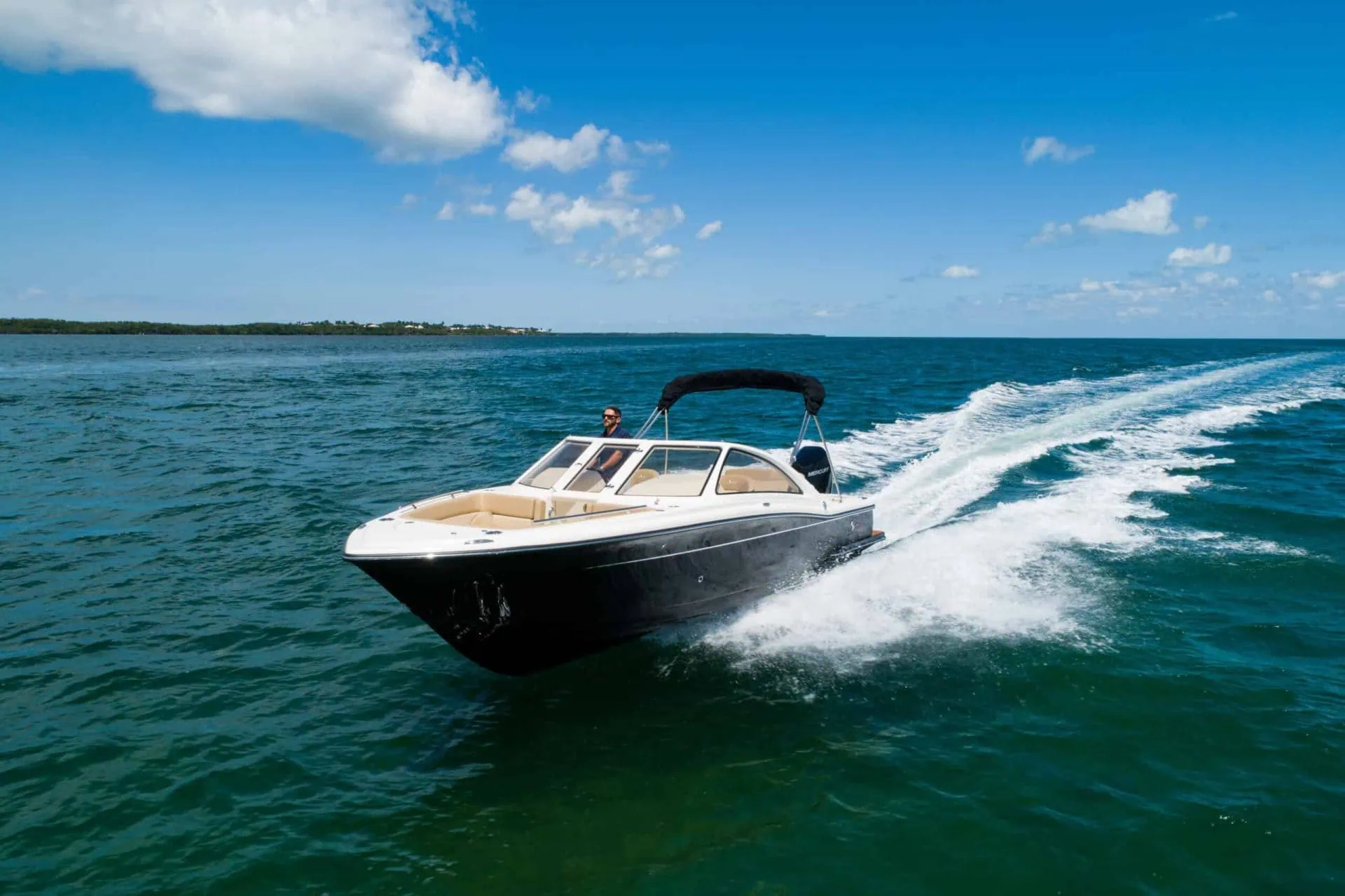
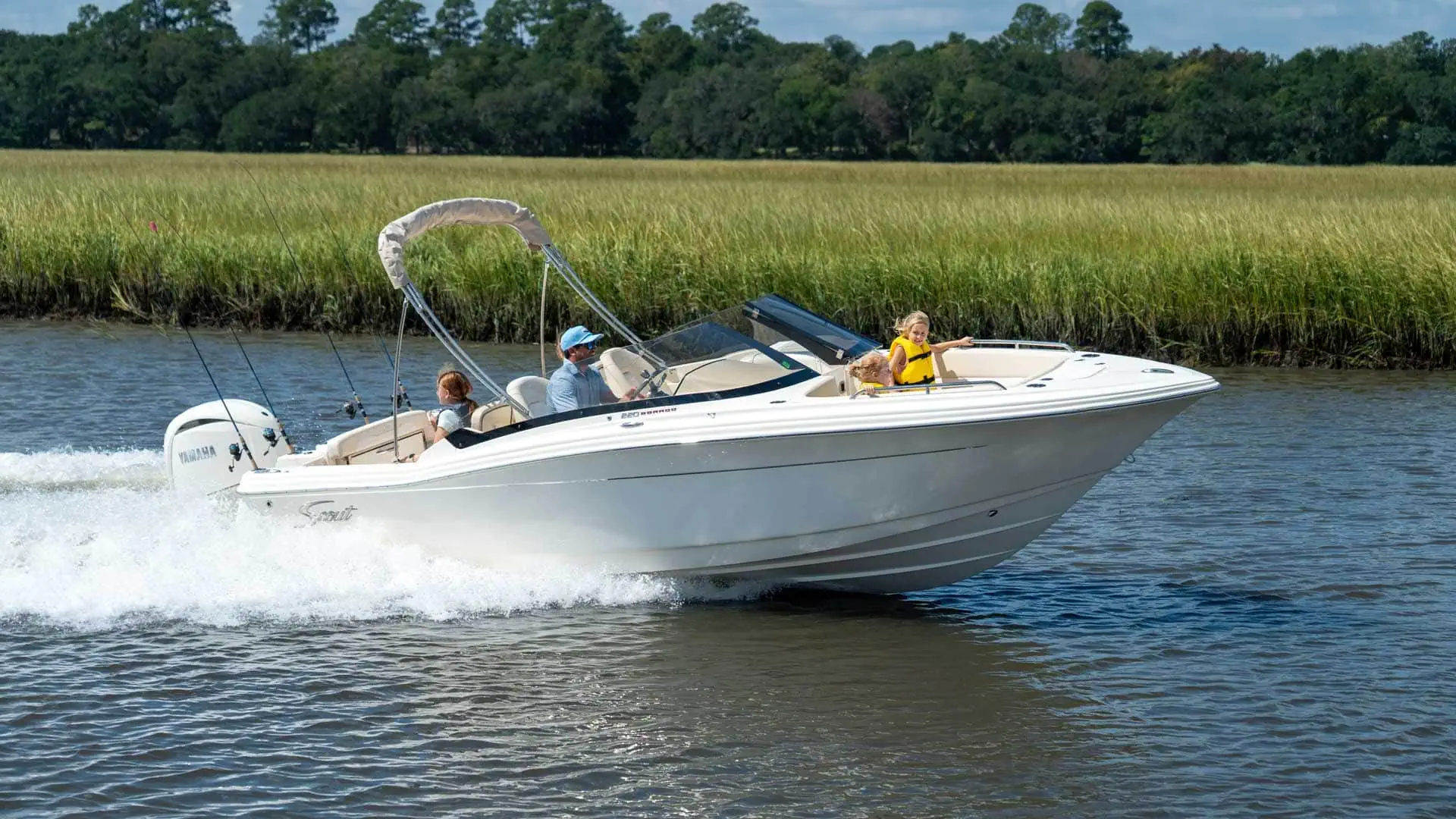
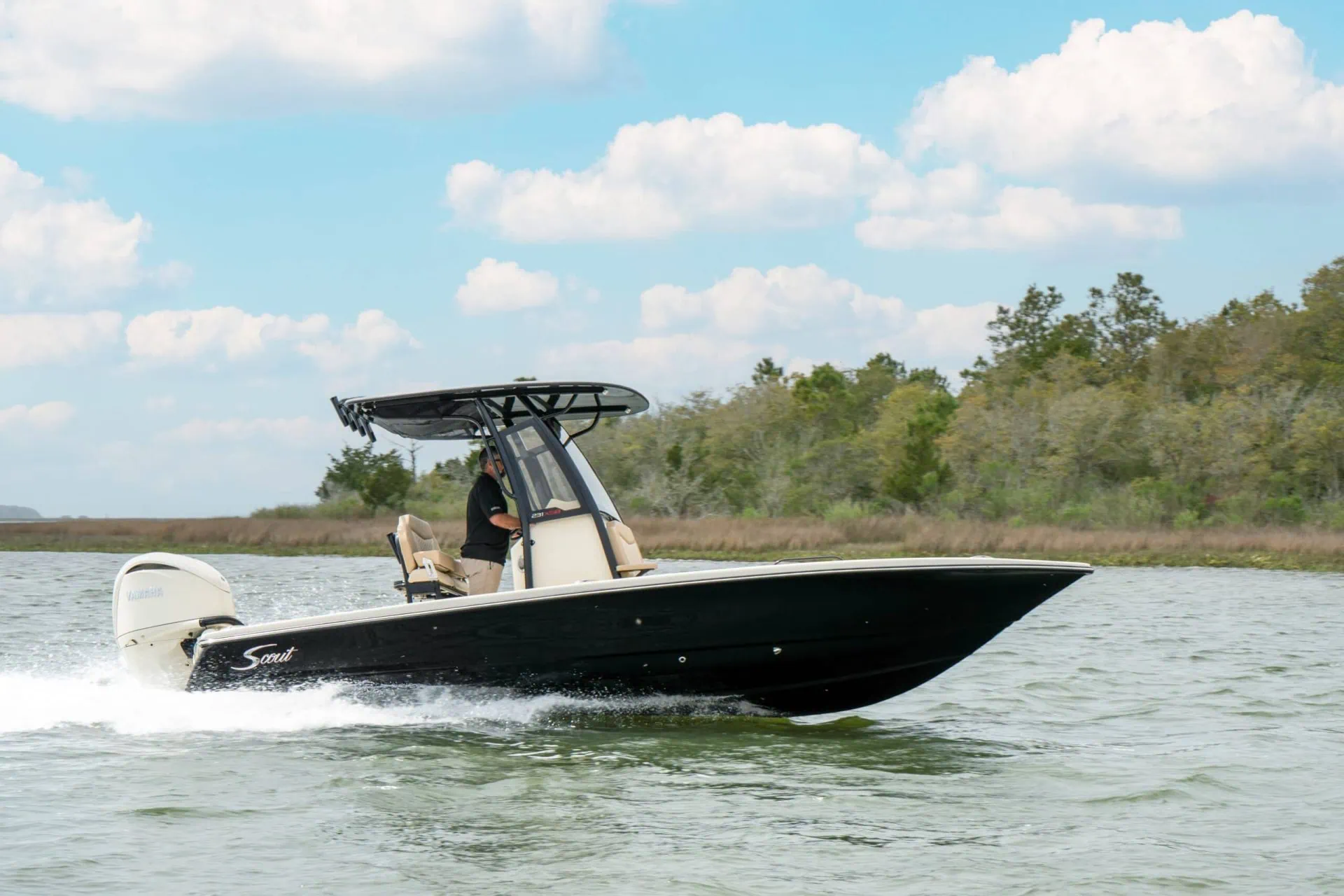
Scout Boats are designed with these principles in mind. Precision-engineered hulls deliver confident handling across varying conditions, while premium fit and finish elevate the overall experience. Whether navigating tidal creeks or running offshore to the Gulf Stream, Scout models provide the performance and refinement serious anglers expect.
If you’re planning to explore South Carolina’s coastal sportfishing opportunities, discovering the right Scout model can help you fish farther, ride smoother, and experience more.
South Carolina Sportfishing FAQ
What is the best time of year to fish the South Carolina coast?
Fishing is productive year-round, but spring and fall often provide ideal water temperatures and active feeding patterns.
Do I need a large boat to fish offshore in South Carolina?
Offshore fishing requires a boat built for open-water performance. Hull design, stability, and safety equipment are critical.
What species are most common along the South Carolina coast?
Redfish, speckled trout, flounder, king mackerel, mahi-mahi, tuna, snapper, and grouper are among the most popular targets.
Are there good inshore fishing spots for beginners?
Yes. Areas like Hilton Head, Beaufort, and Bulls Bay offer productive inshore waters suitable for developing anglers.
How important are electronics for coastal sportfishing?
Highly important. GPS, sonar, and temperature tracking improve navigation, fish location, and overall efficiency.