












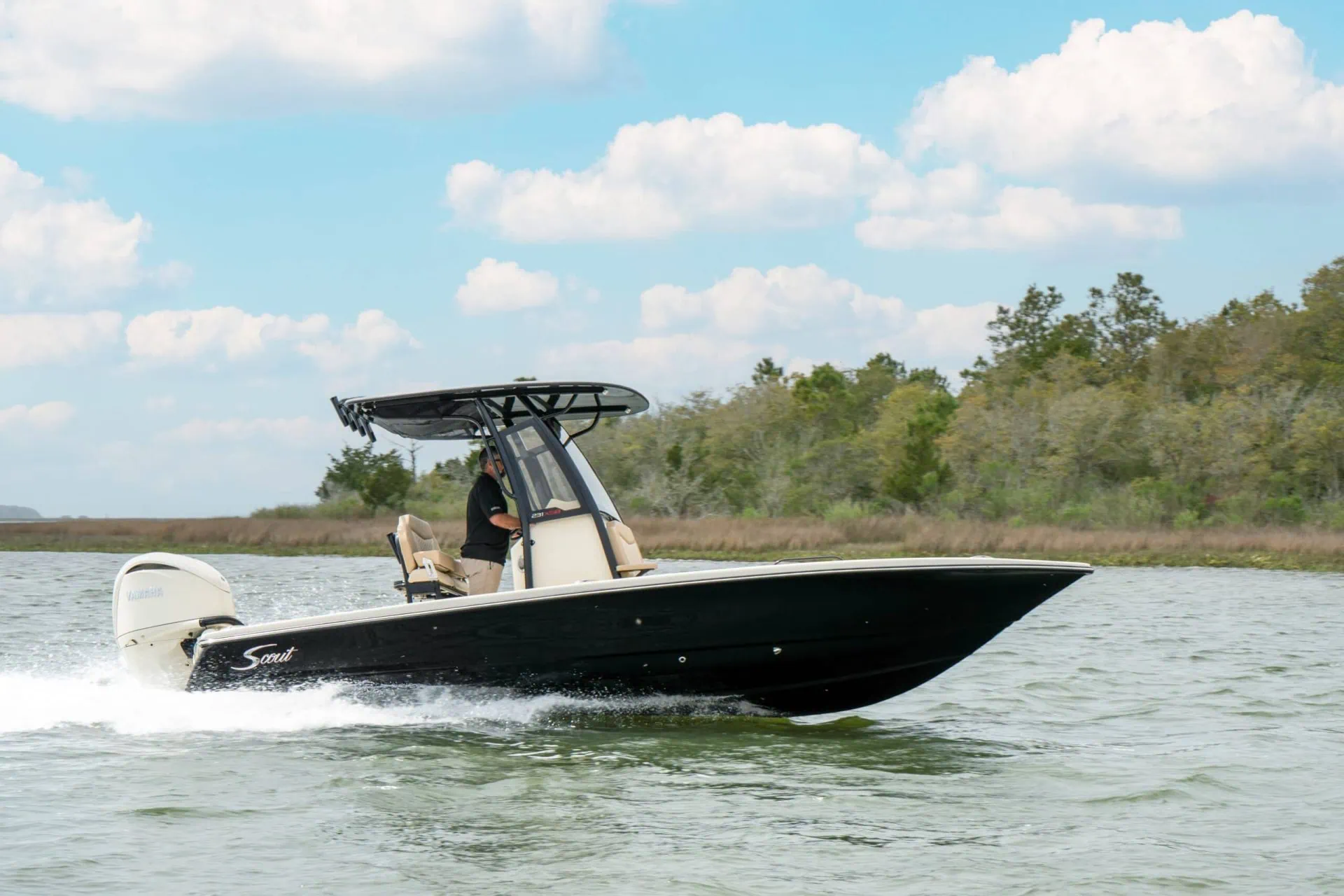


For many boaters, winter signals the end of the season. But experienced captains know that colder months can offer some of the most rewarding days on the water. With fewer crowds, calmer marinas, and productive fisheries, winter boating presents unique opportunities — if you’re properly prepared.
Whether you enjoy winter sportfishing, coastal cruising, or simply maintaining your vessel in peak condition, here’s how to get the most out of your boat during the off-season.
Rethink the “Off-Season” Mindset
In many regions, winter boating is less about limitation and more about adjustment. Cooler water temperatures often trigger feeding patterns in popular sportfish species. Striped bass, redfish, sheepshead, and certain offshore species can be especially active in colder months.
Additionally, reduced boat traffic means:
- Easier access to ramps and marinas
- Less pressure on fishing grounds
- More peaceful cruising conditions
With proper planning, winter can feel like a private boating season.
Prepare Your Boat for Colder Conditions
Before heading out, a thorough winter readiness check ensures both performance and longevity.
Start with your engine. Cold weather can impact battery performance and fuel stability. Inspect battery charge levels, confirm proper oil viscosity for your region, and use fuel stabilizer when appropriate. If temperatures drop below freezing, protect plumbing systems, freshwater tanks, and washdown lines from potential damage.
Hull inspections are equally important. Check seals, fittings, and bilge pumps to confirm everything is operating efficiently. Winter seas can be unpredictable, so reliability becomes even more critical.
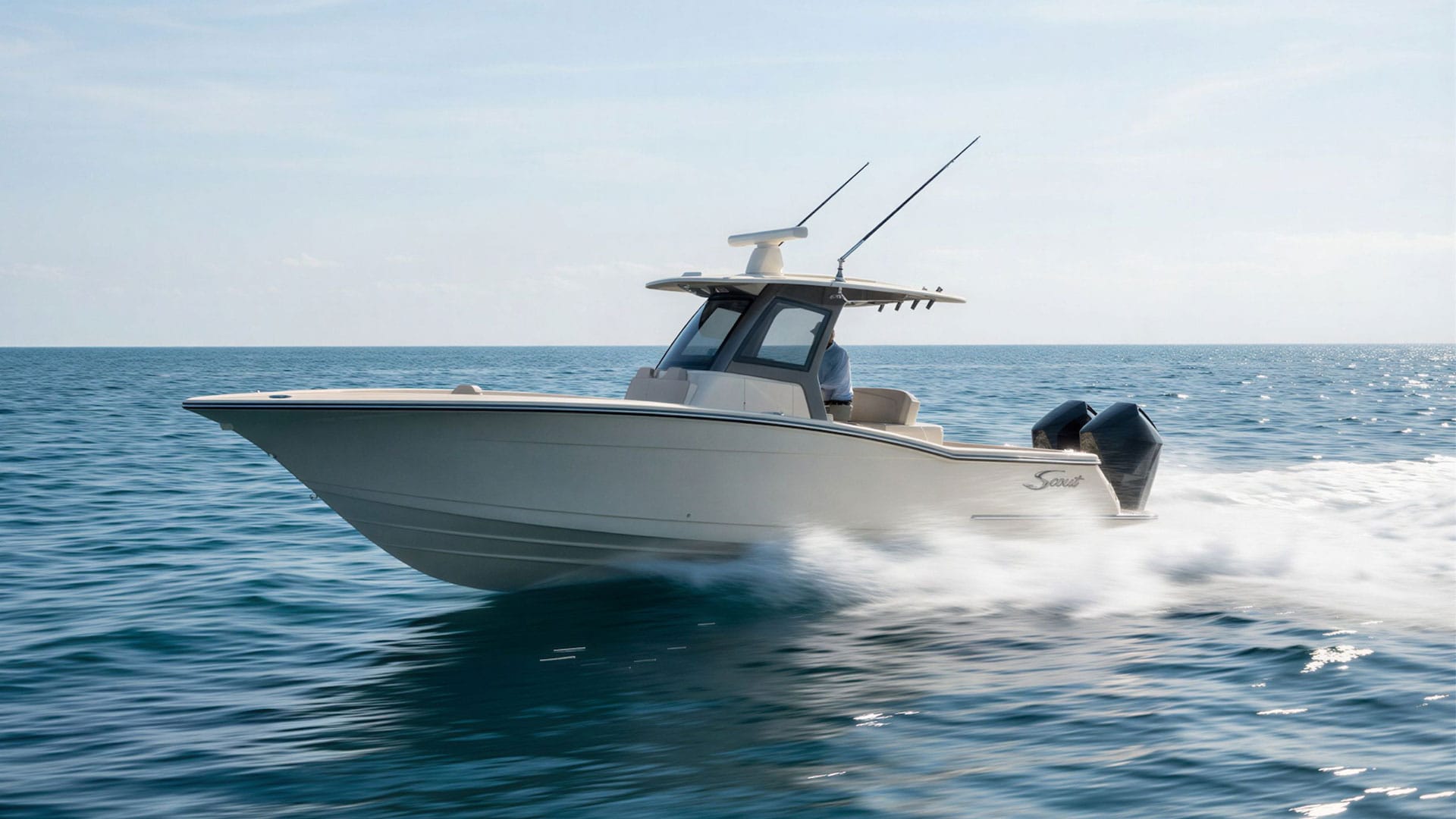
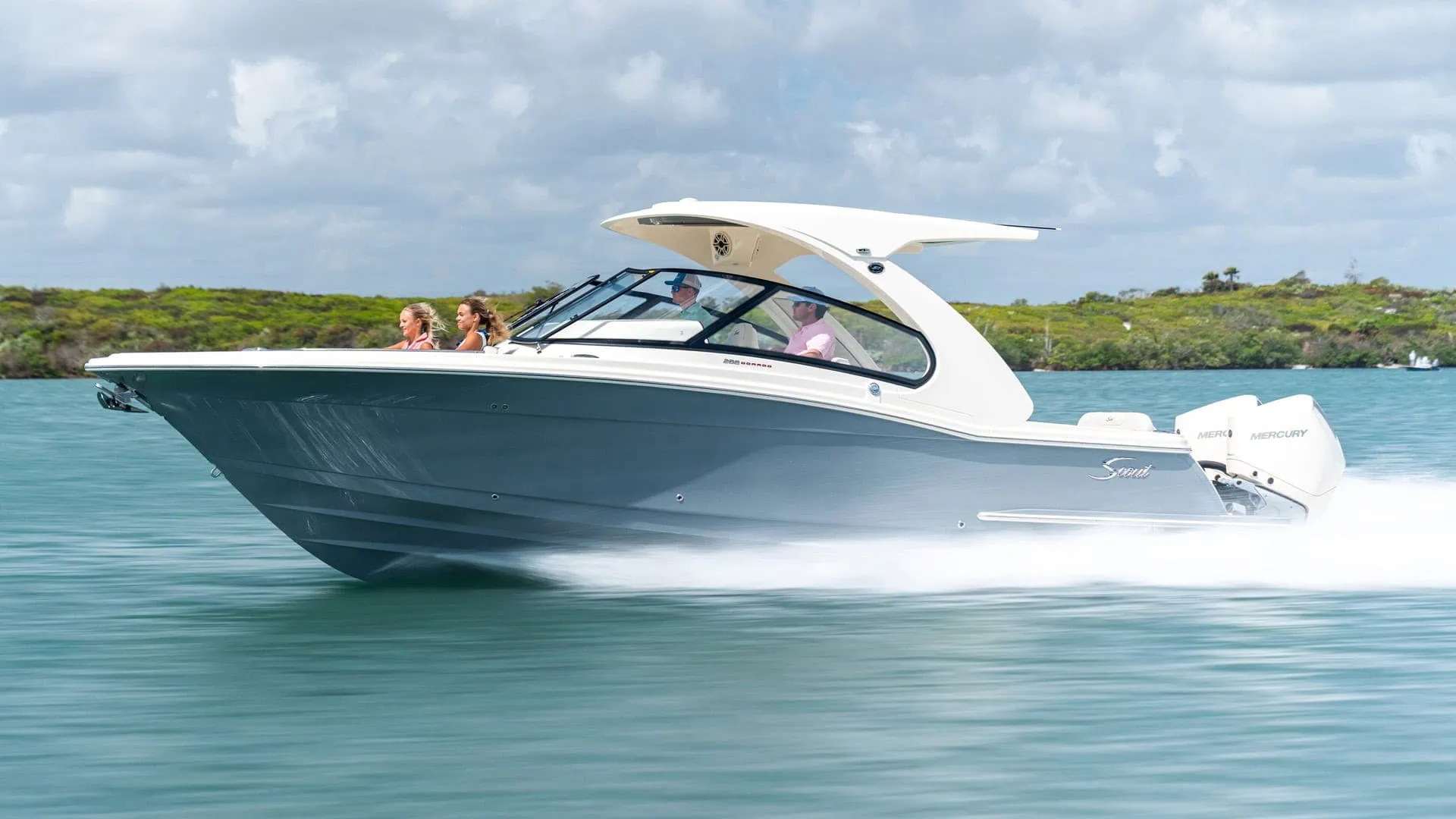
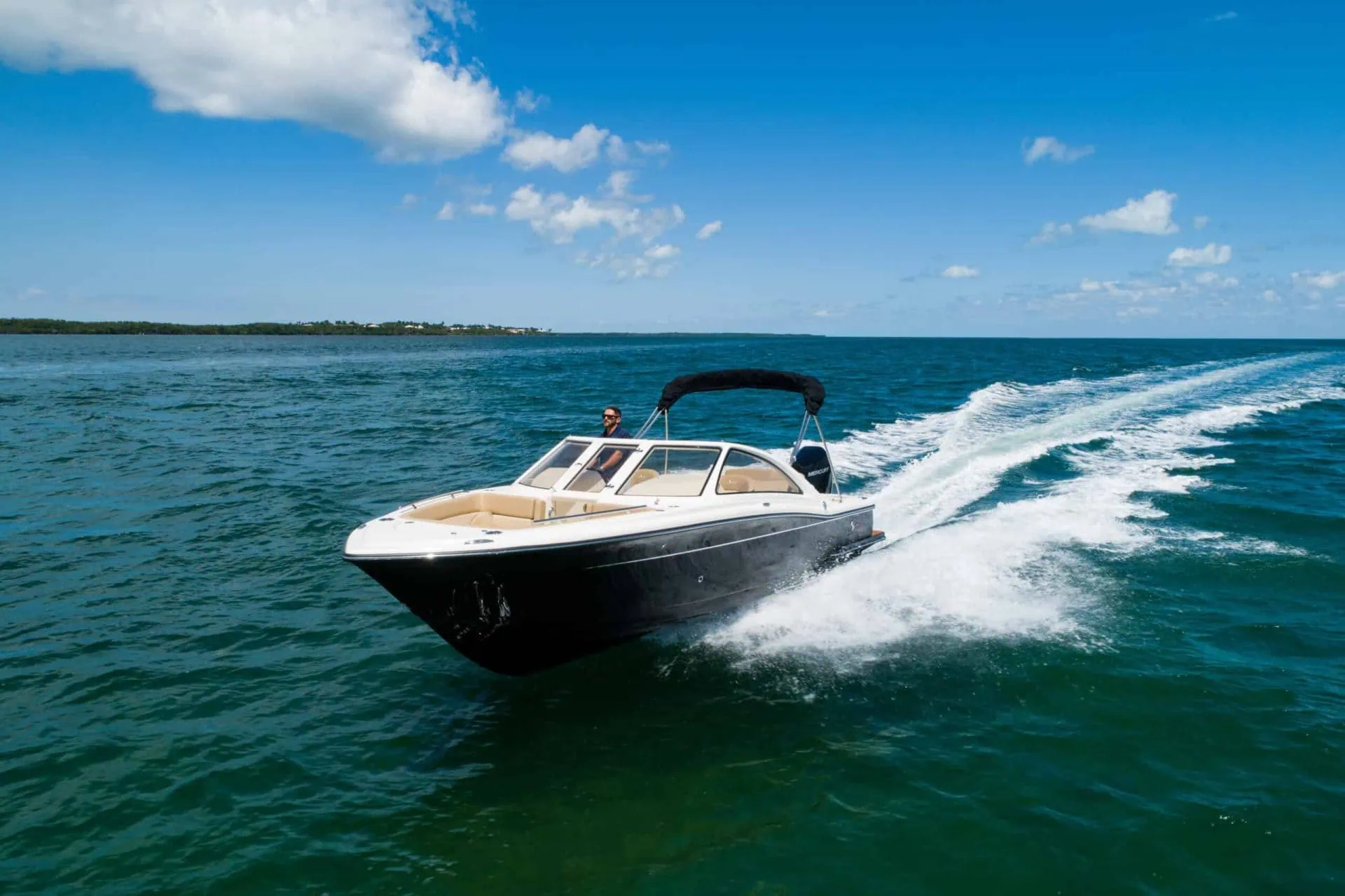
Premium composite construction and advanced hull engineering — like those found in Scout Boats — provide added confidence during colder-weather outings, offering strength, durability, and a smooth ride when conditions shift.
Dress for Comfort and Performance
Winter boating requires layered, performance-based clothing. Staying warm and dry allows you to remain focused and comfortable.
Opt for:
- Moisture-wicking base layers
- Insulated mid-layers
- Waterproof outer shells
- Non-slip, insulated footwear
- Wind-resistant gloves
Wind chill intensifies quickly on open water, even on mild days. Preparing for temperature changes ensures you can extend your time on the water safely.
Take Advantage of Winter Fishing Opportunities
Colder water often concentrates bait and gamefish, making winter a productive season for anglers who understand seasonal patterns.
Inshore waters can hold schools of redfish and trout in deeper channels or near structure where temperatures remain stable. Offshore, certain pelagic species migrate through warmer currents, offering unique opportunities for prepared anglers.
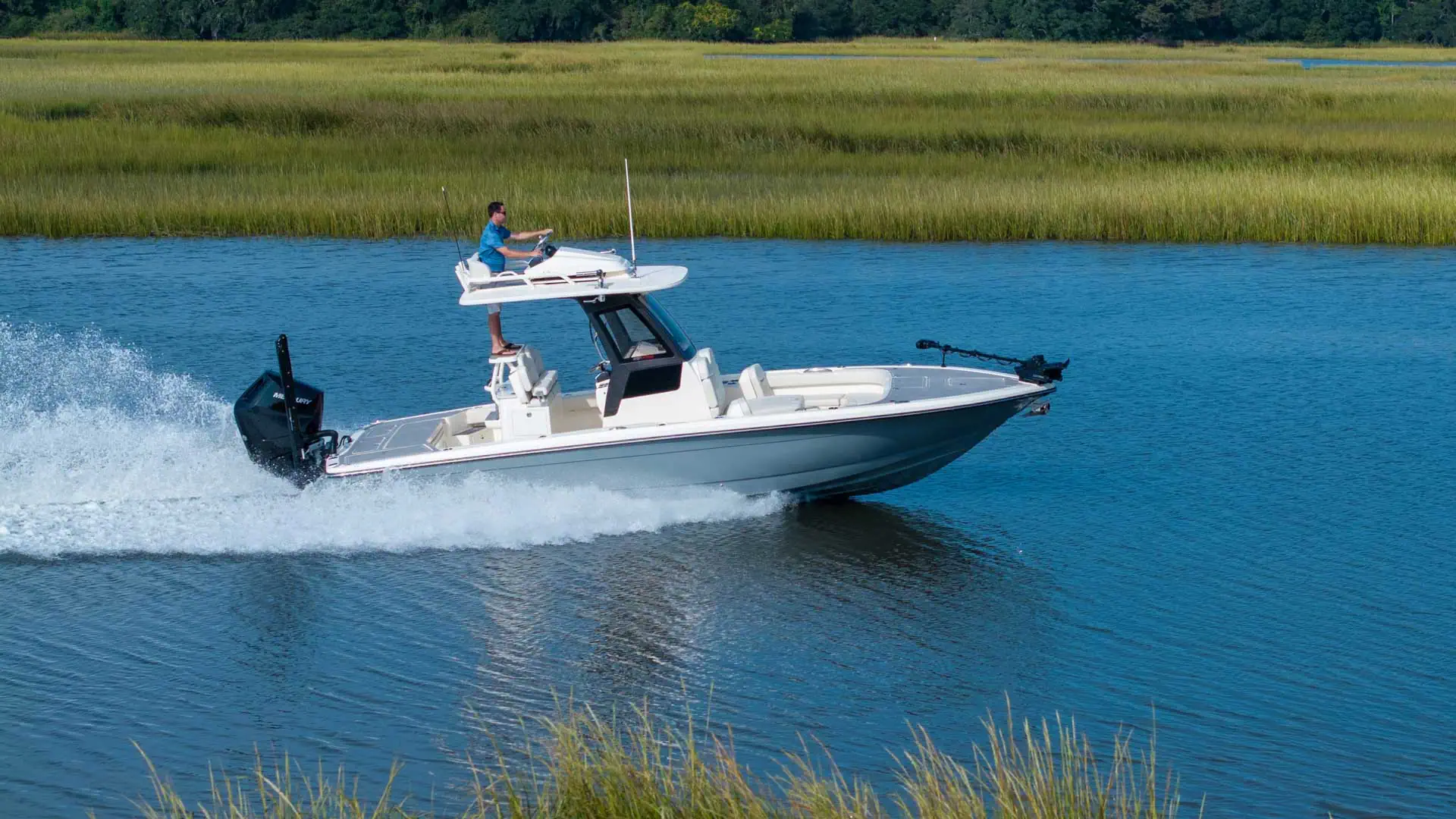
Electronics become especially valuable in winter fishing. High-definition sonar, integrated GPS systems, and temperature gauges help identify productive zones quickly. A thoughtfully designed helm layout enhances visibility and control, allowing anglers to respond efficiently to changing conditions.
Winter fishing rewards patience and preparation — but it can also produce some of the most memorable catches of the year.
Focus on Maintenance and Upgrades
If boating days are limited in your region, winter becomes the ideal time to invest in maintenance and upgrades.
Consider:
- Updating marine electronics
- Servicing engines and lower units
- Replacing worn upholstery
- Inspecting wiring and battery systems
- Detailing and protecting gelcoat surfaces
Routine maintenance not only protects your investment but ensures your boat is ready to perform at its best when spring arrives.
For those considering an upgrade altogether, winter is often an advantageous time to explore new models. Boat shows and dealership inventories frequently showcase the latest innovations in performance, design, and marine technology.
Prioritize Safety in Colder Water
Cold-water safety differs significantly from summer boating. Hypothermia risk increases dramatically if someone enters the water unexpectedly.
To mitigate risk:
- Ensure all passengers wear properly fitted life jackets
- Carry updated safety equipment and emergency signaling devices
- Monitor marine forecasts closely
- File a float plan before departure
Offshore winter boating demands additional preparation, including redundant communication systems and emergency location beacons. Preparation builds confidence — and confidence enhances enjoyment.
Maximize Comfort with Smart Design
Modern boat design plays a significant role in winter usability. Features that enhance year-round boating include:
- Windshields and hardtops for protection
- Enclosed head compartments
- Comfortable seating with premium materials
- Efficient drainage systems
- Integrated storage to keep gear organized and dry
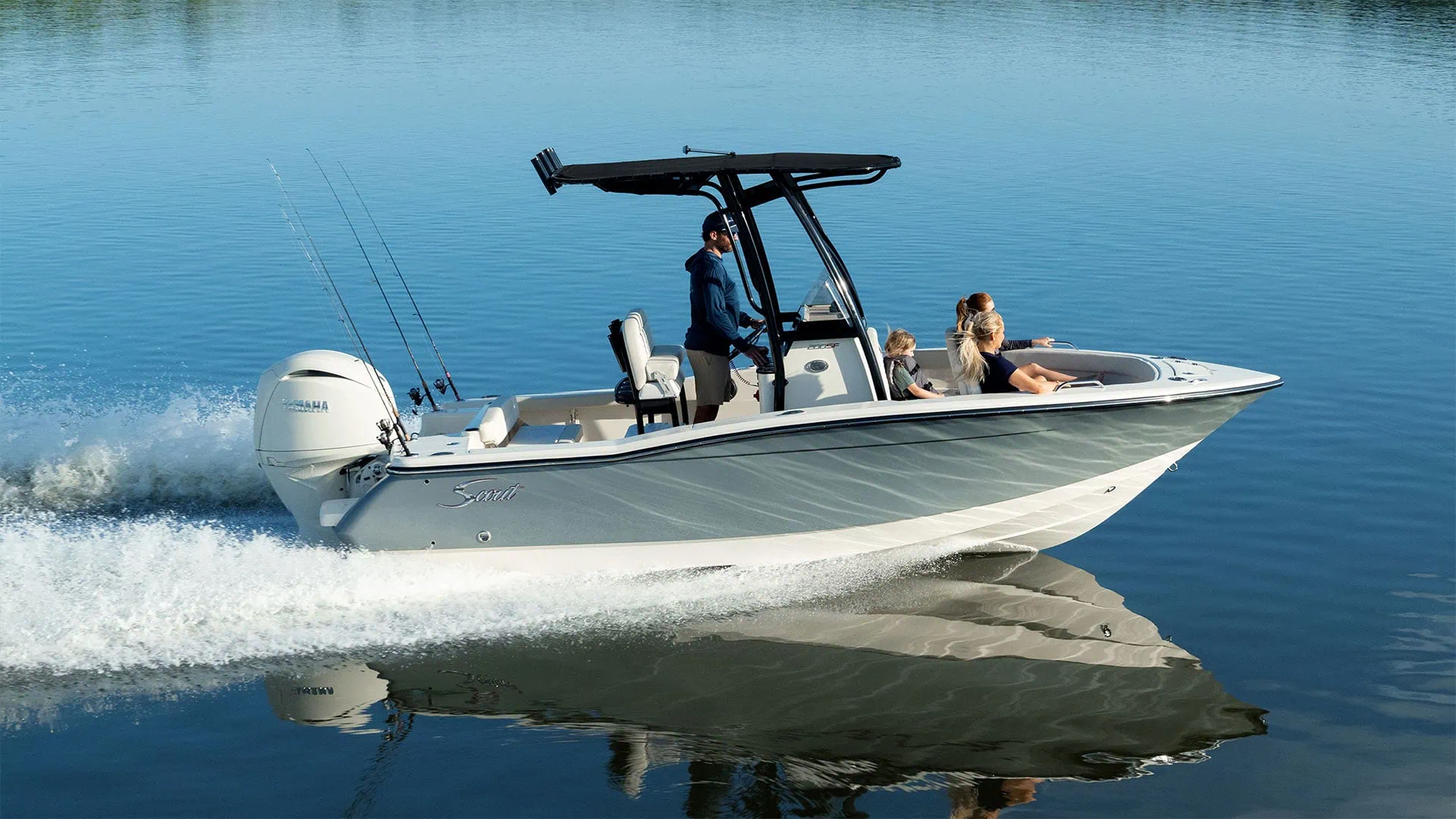
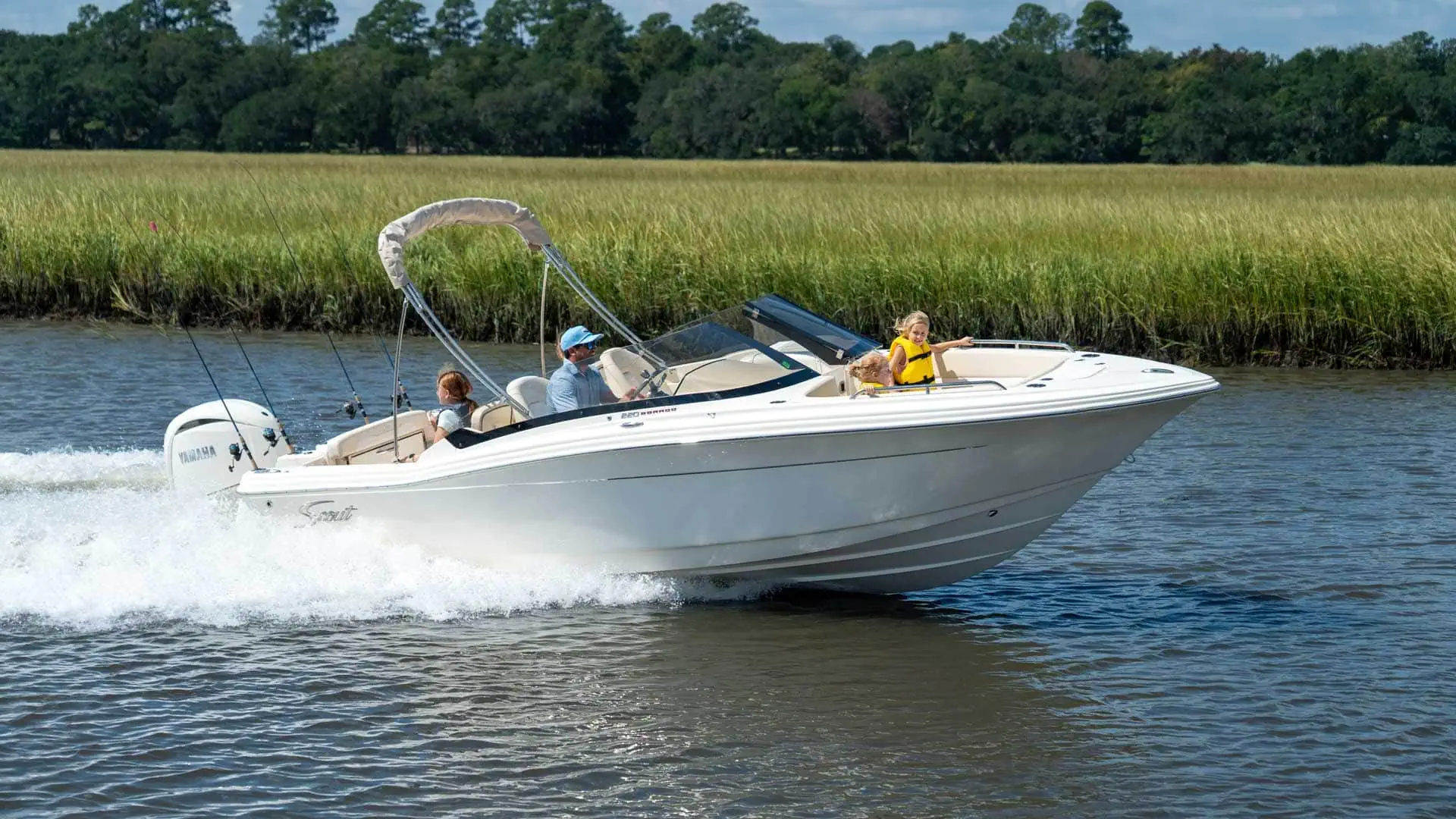
Versatile center consoles and dual consoles allow boaters to balance serious fishing capability with family comfort. Performance hulls ensure stability and smooth rides even when winter swells roll through.
Scout Boats are engineered with advanced composite construction, innovative hull design, and refined finishes that elevate cold-weather boating experiences. From confident offshore handling to thoughtful comfort features, Scout models are built for boaters who value precision and durability in every season.
If you’re looking to extend your boating calendar and elevate winter performance, exploring the Scout lineup may be the next step toward year-round enjoyment on the water.
Winter Boating FAQ
Can you use a boat in the winter?
Yes. With proper preparation, winter boating can be safe and enjoyable. Engine checks, safety equipment, and weather monitoring are essential.
Is winter a good time for fishing?
Often, yes. Many species feed actively in cooler water, and reduced boat traffic can improve fishing conditions.
How do I protect my boat in freezing temperatures?
Use fuel stabilizer, maintain batteries, winterize plumbing systems, and store the boat properly when not in use.
What safety precautions are most important in winter boating?
Wearing life jackets, checking forecasts, filing float plans, and carrying emergency communication devices are critical.
Should I upgrade my boat during the winter?
Winter is an excellent time to research new models, explore design advancements, and prepare for spring with upgraded performance and technology.