













Modern fishfinder electronics have transformed recreational and offshore fishing alike. What once required years of instinct, guesswork, and local knowledge can now be supported by advanced sonar imaging, GPS integration, real-time mapping, and networked marine technology. For anglers who know how to use these tools properly, today’s fishfinder systems can dramatically improve efficiency, safety, and success on the water.
Whether you are targeting inshore redfish or chasing pelagic species offshore, understanding how to maximize your fishfinder setup can help you locate structure, identify bait schools, and spend more time fishing productive water. Combined with a high-performance platform like a Scout Boat, modern electronics become even more effective by giving anglers the visibility, control, and confidence needed to fish at a higher level.
Understanding the Basics of Modern Fishfinders
At their core, fishfinders use sonar technology to send sound waves into the water and interpret the returning echoes. These echoes create detailed visual representations of the underwater environment, including:
- Bottom contours
- Structure and cover
- Depth changes
- Bait schools
- Individual fish targets
- Water temperature zones
Today’s systems go far beyond simple depth readings. Many modern marine electronics now include:
- CHIRP sonar
- Side imaging
- Down imaging
- Live sonar technology
- GPS chart plotting
- Radar integration
- Engine data monitoring
- Networking between multiple displays
Learning what each feature does—and when to use it—is key to gaining a real advantage on the water.
Use CHIRP Sonar for Better Target Separation
CHIRP sonar has become the standard for serious anglers because it provides significantly clearer images than traditional sonar systems. Instead of transmitting a single frequency, CHIRP sends a range of frequencies into the water. The result is improved target separation and more detailed returns.
This helps anglers distinguish between:
- Fish and bait schools
- Fish suspended near structure
- Hard versus soft bottom composition
- Dense cover areas
For offshore fishing, CHIRP is especially useful when locating suspended species like tuna or mahi-mahi around temperature breaks and bait concentrations. Inshore anglers can also benefit from improved visibility around oyster beds, docks, and grass flats.
Learn to Read Structure Instead of Just Looking for Fish
One of the biggest mistakes many anglers make is chasing fish icons or isolated marks on a screen. Experienced captains often focus more on structure and bait activity than individual fish returns.
Fish are typically drawn to:
- Ledges
- Reefs
- Drop-offs
- Wrecks
- Artificial reefs
- Weed lines
- Creek mouths
- Current breaks
Modern side imaging and down imaging technology make it easier than ever to identify these productive areas. Side imaging scans large sections of water to both sides of the vessel, helping anglers cover water quickly. Down imaging provides a more detailed look directly beneath the boat.
When combined, these tools help you understand not just where fish are, but why they are there.
Use GPS Mapping and Waypoints Strategically
Integrated GPS mapping is one of the most powerful features in modern marine electronics. Instead of relying on memory alone, anglers can build a detailed network of productive fishing locations over time.
Smart waypoint management includes:
- Marking productive structure
- Saving bait concentrations
- Tracking trolling patterns
- Logging water temperature breaks
- Identifying safe navigation routes
Many anglers also create categories for different species or seasonal patterns. Over time, this information can help establish repeatable fishing strategies instead of relying on luck.
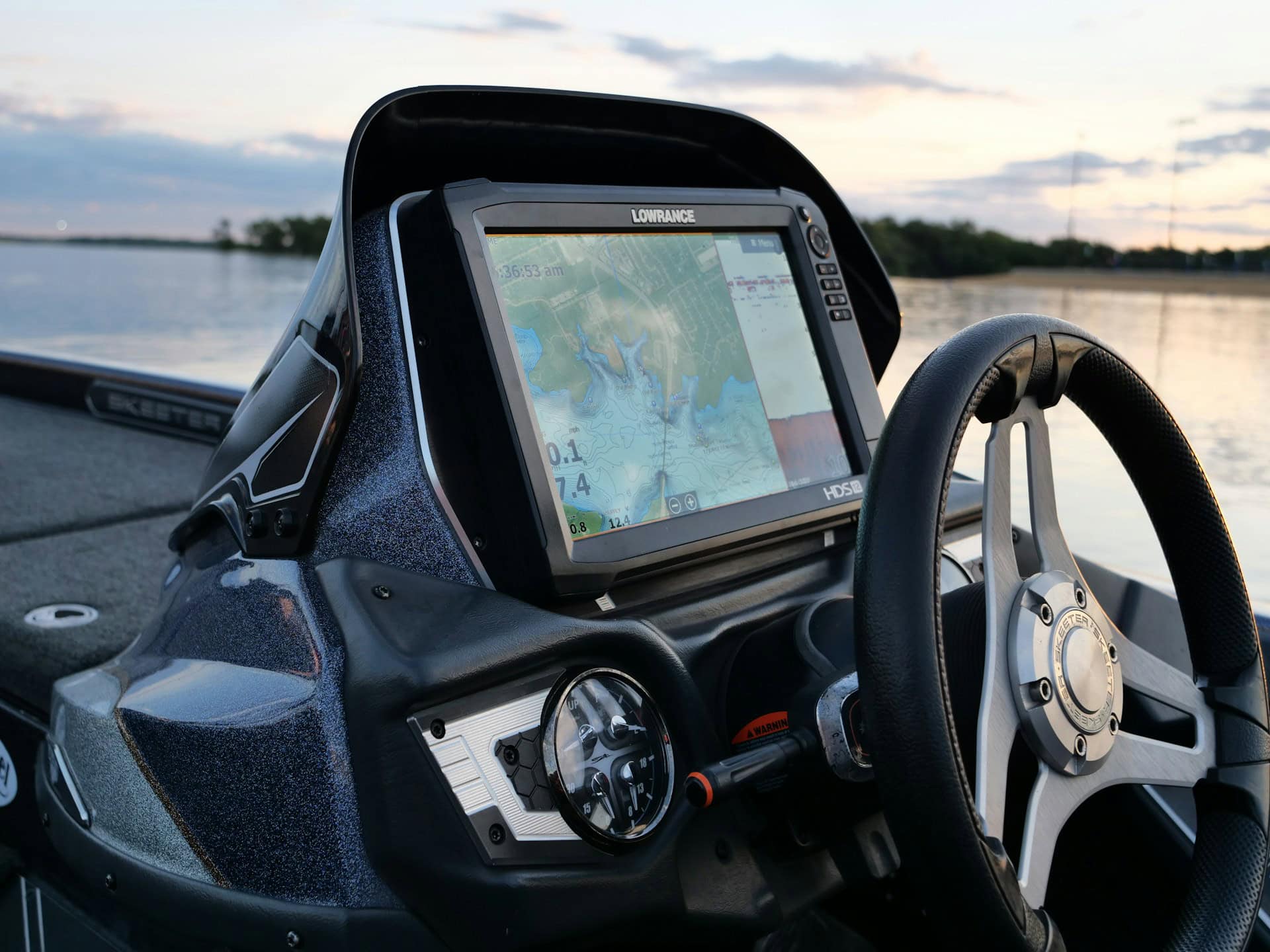
Modern chartplotters also allow anglers to overlay sonar data directly onto maps, creating highly detailed custom charts that reveal subtle bottom changes other boaters may miss.
Take Advantage of Live Sonar Technology
Live sonar systems have changed how anglers approach fishing in both freshwater and saltwater environments. Unlike traditional sonar that shows historical returns, live sonar displays fish movement in real time.
This allows anglers to:
- Watch fish react to bait presentations
- Track moving schools
- Identify active versus inactive fish
- Monitor jigging depth precisely
- Improve casting accuracy around structure
For offshore anglers, live sonar can be especially valuable when targeting fast-moving species around bait balls or structure. In shallow coastal waters, it can help anglers spot cruising fish before making a cast.
While live sonar is an incredible tool, it works best when paired with good boat positioning and a quiet, stable ride—qualities that are especially important in premium center console designs.
Dial In Your Settings for Conditions
Even the best fishfinder will not perform well if the settings are poorly adjusted. Auto mode can work adequately in some situations, but learning to manually fine-tune your electronics often leads to much better results.
Key adjustments include:
- Sensitivity/gain
- Range
- Frequency selection
- Scroll speed
- Noise rejection
- Color palette
For example, offshore anglers fishing deep water may increase gain to detect suspended fish, while shallow-water anglers may reduce clutter for cleaner bottom definition.
Water clarity, depth, current, and sea conditions all affect sonar performance. Spending time learning your system in different environments can dramatically improve your confidence and efficiency.
Pair Advanced Electronics with the Right Boat
Even the most advanced electronics perform better when installed on a capable fishing platform. Stability, helm visibility, power management, and console layout all contribute to how effectively anglers can use modern marine technology.
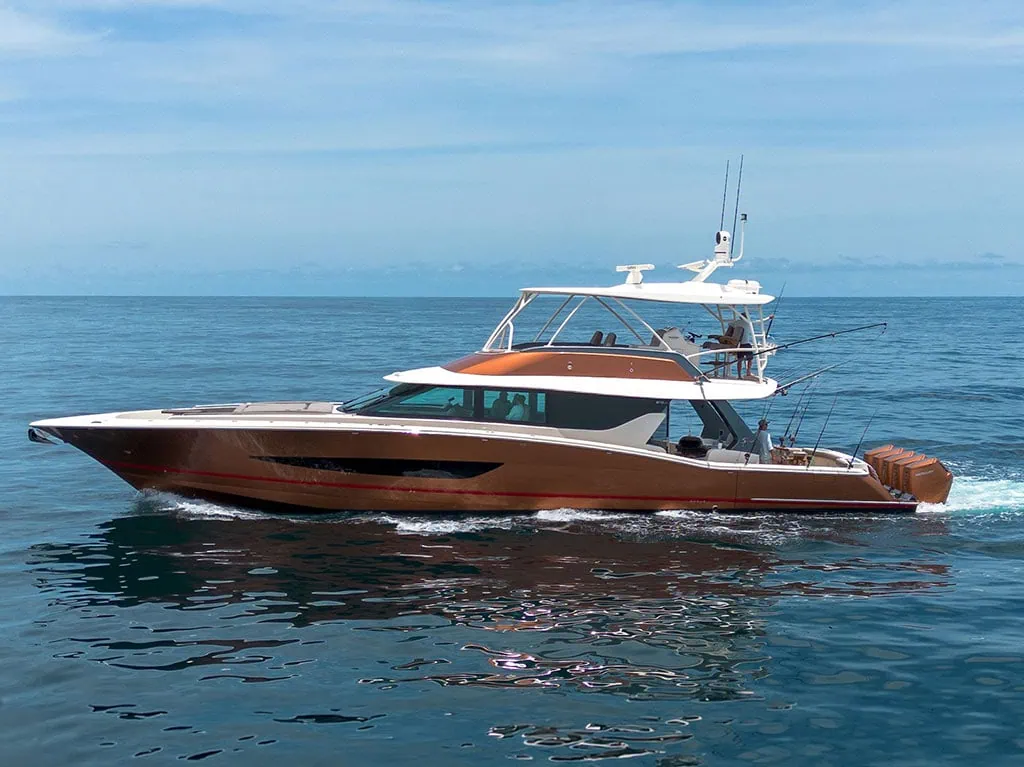
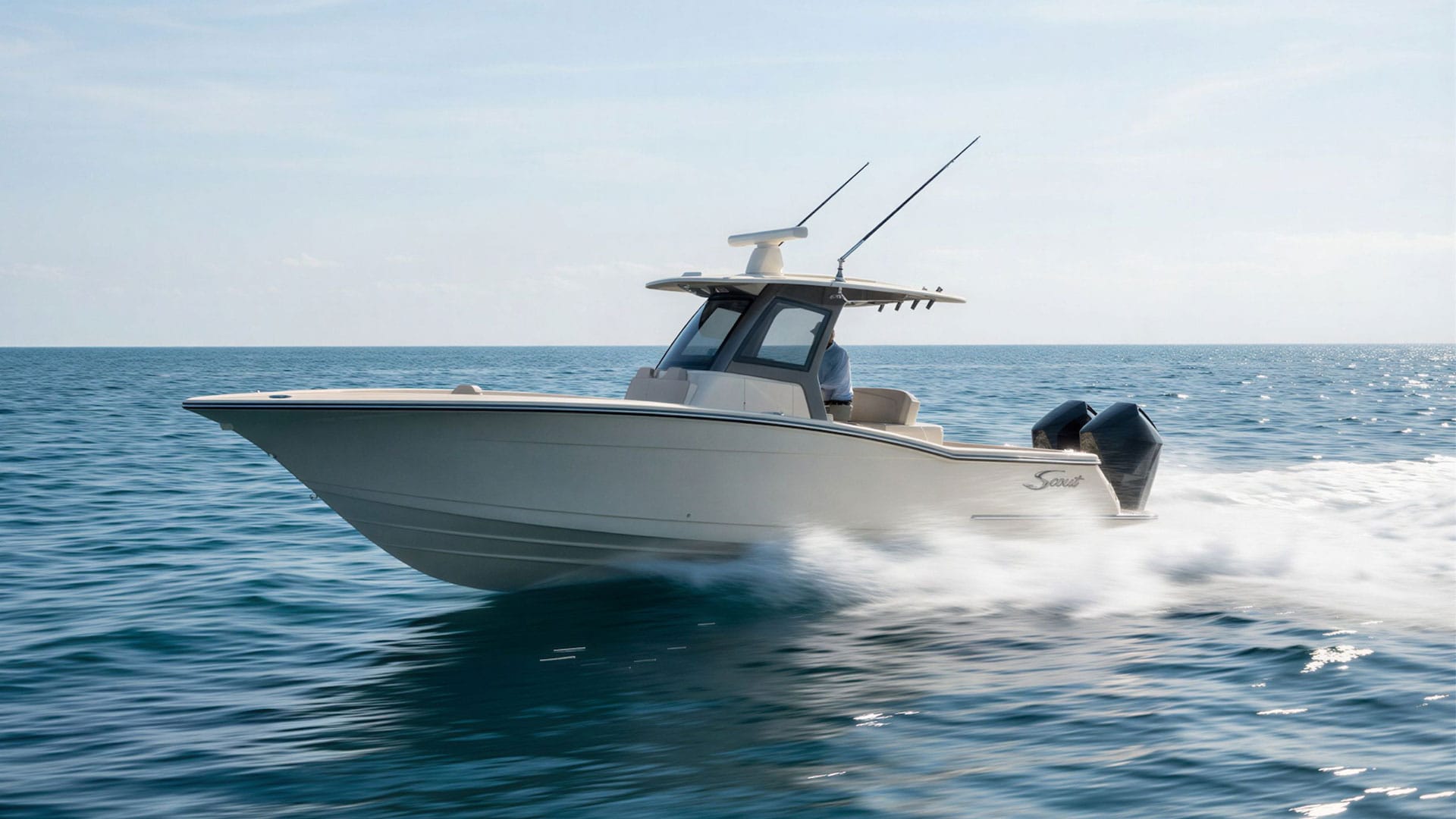
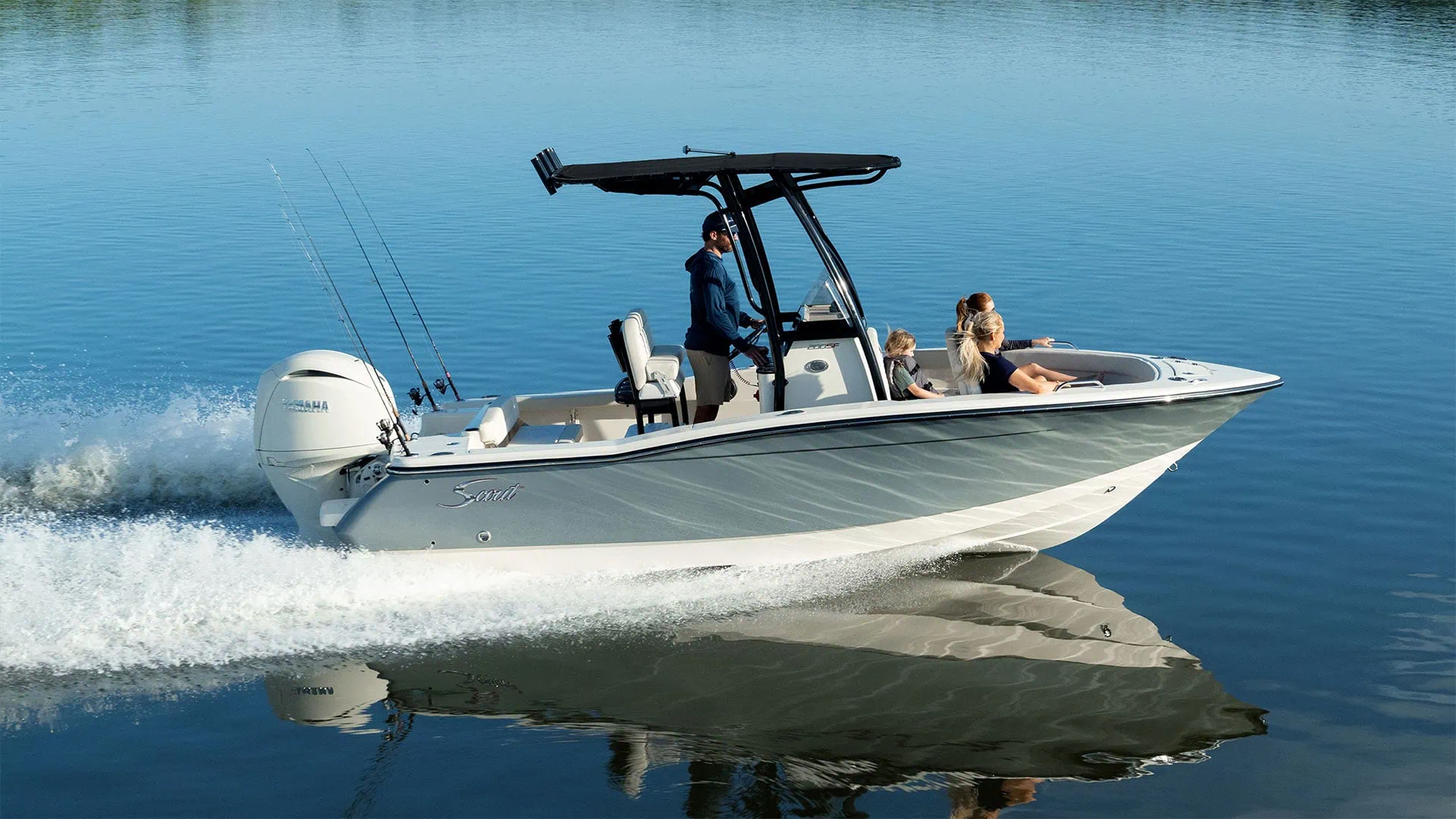
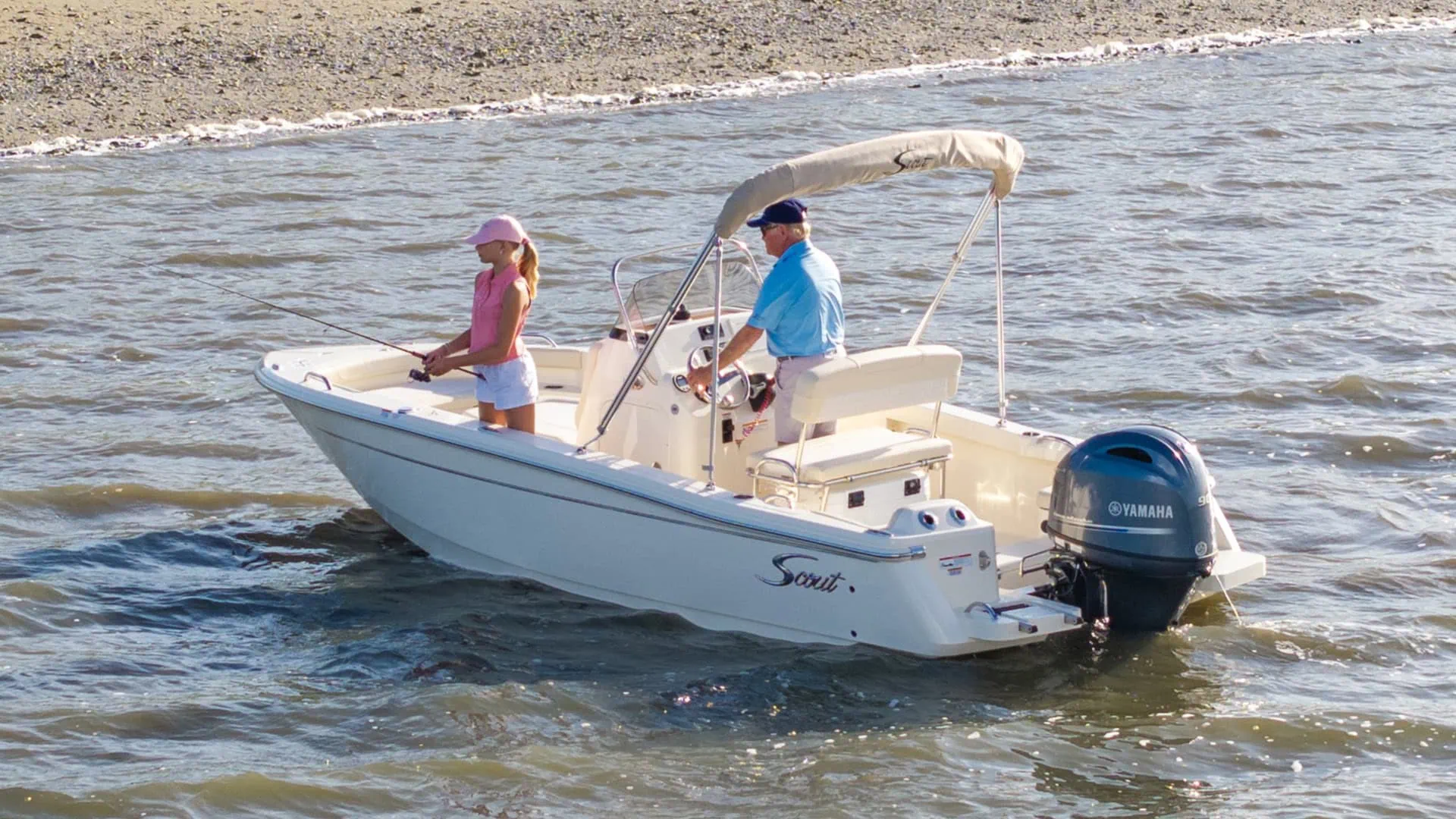
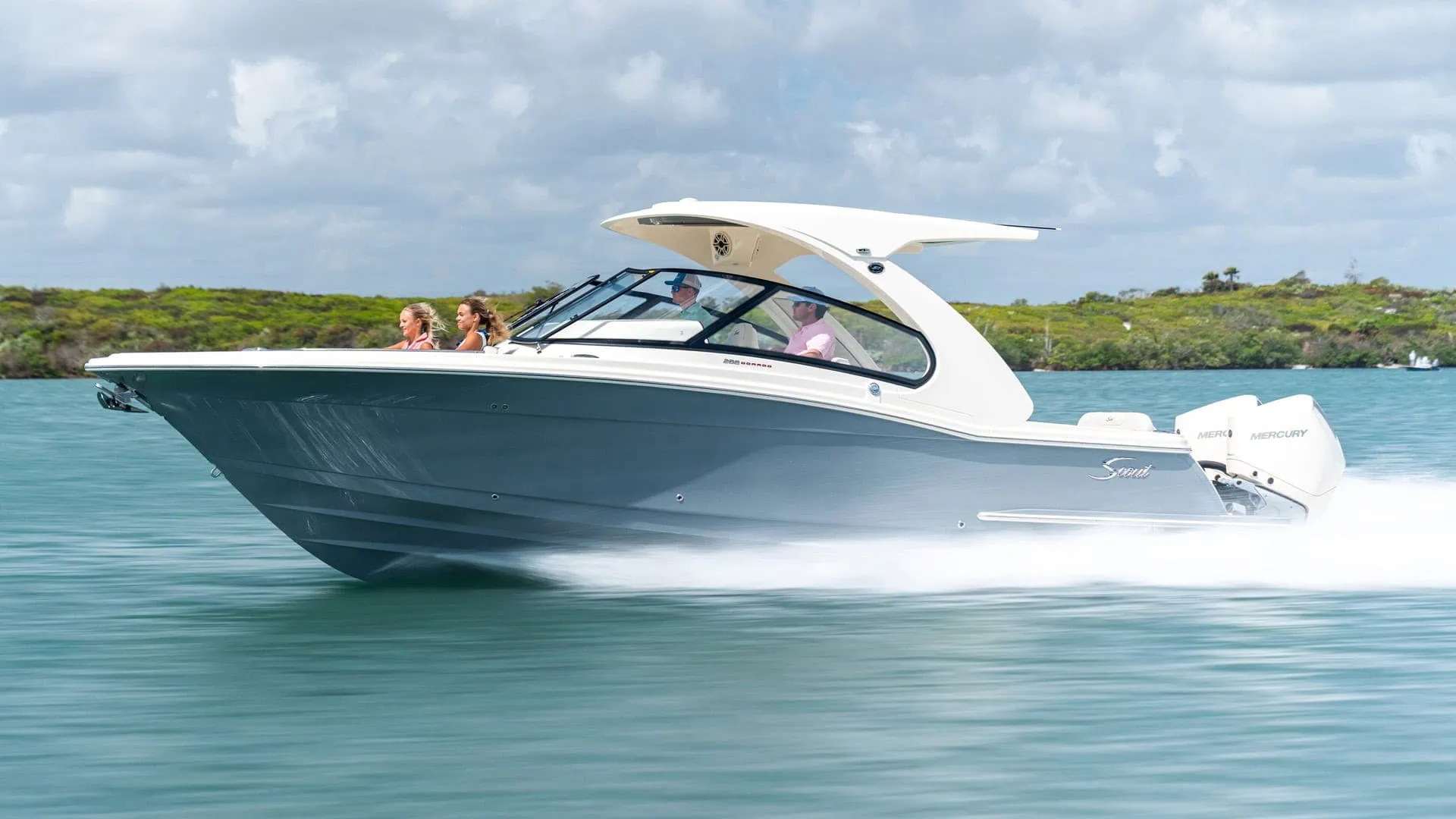
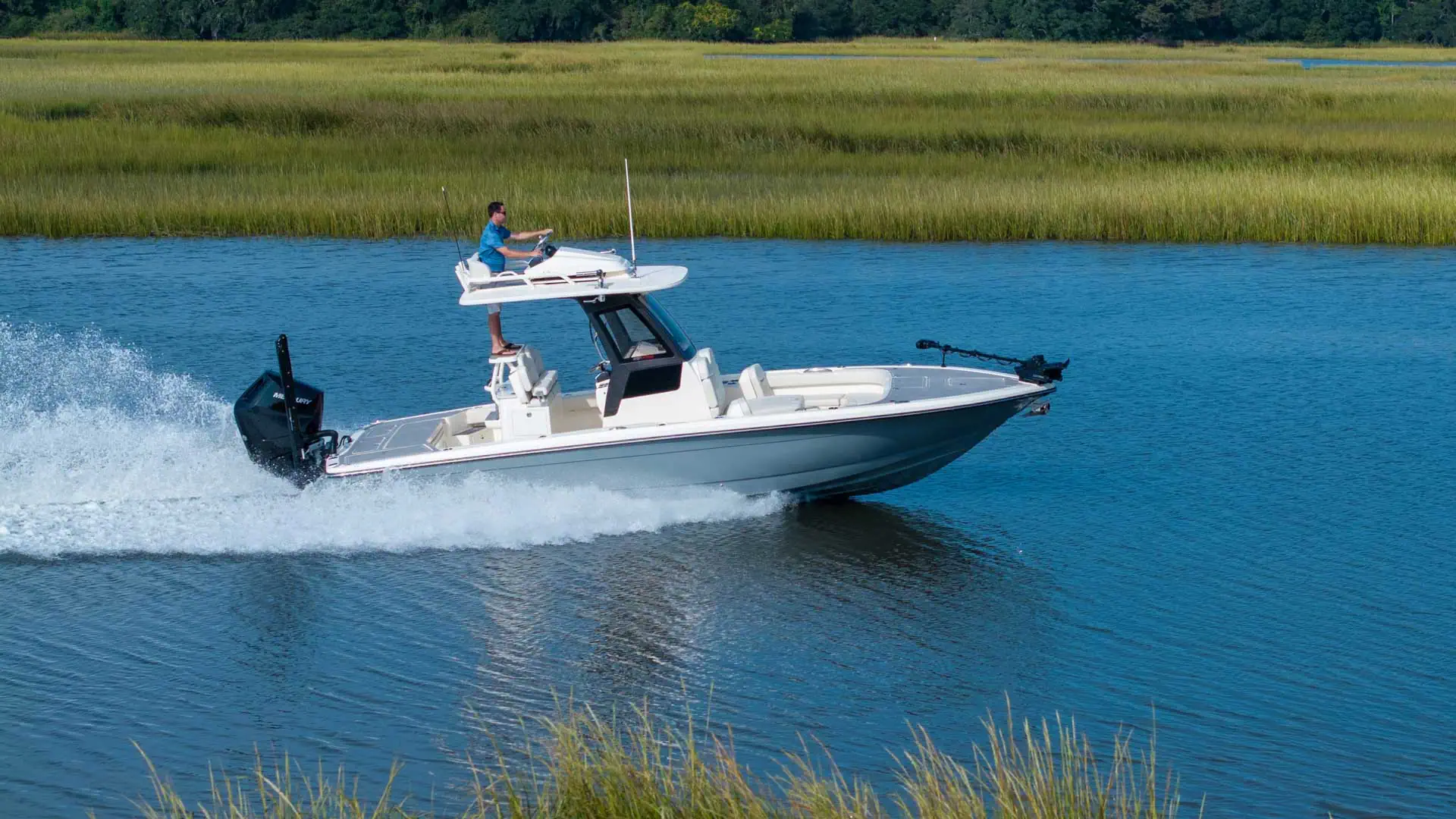
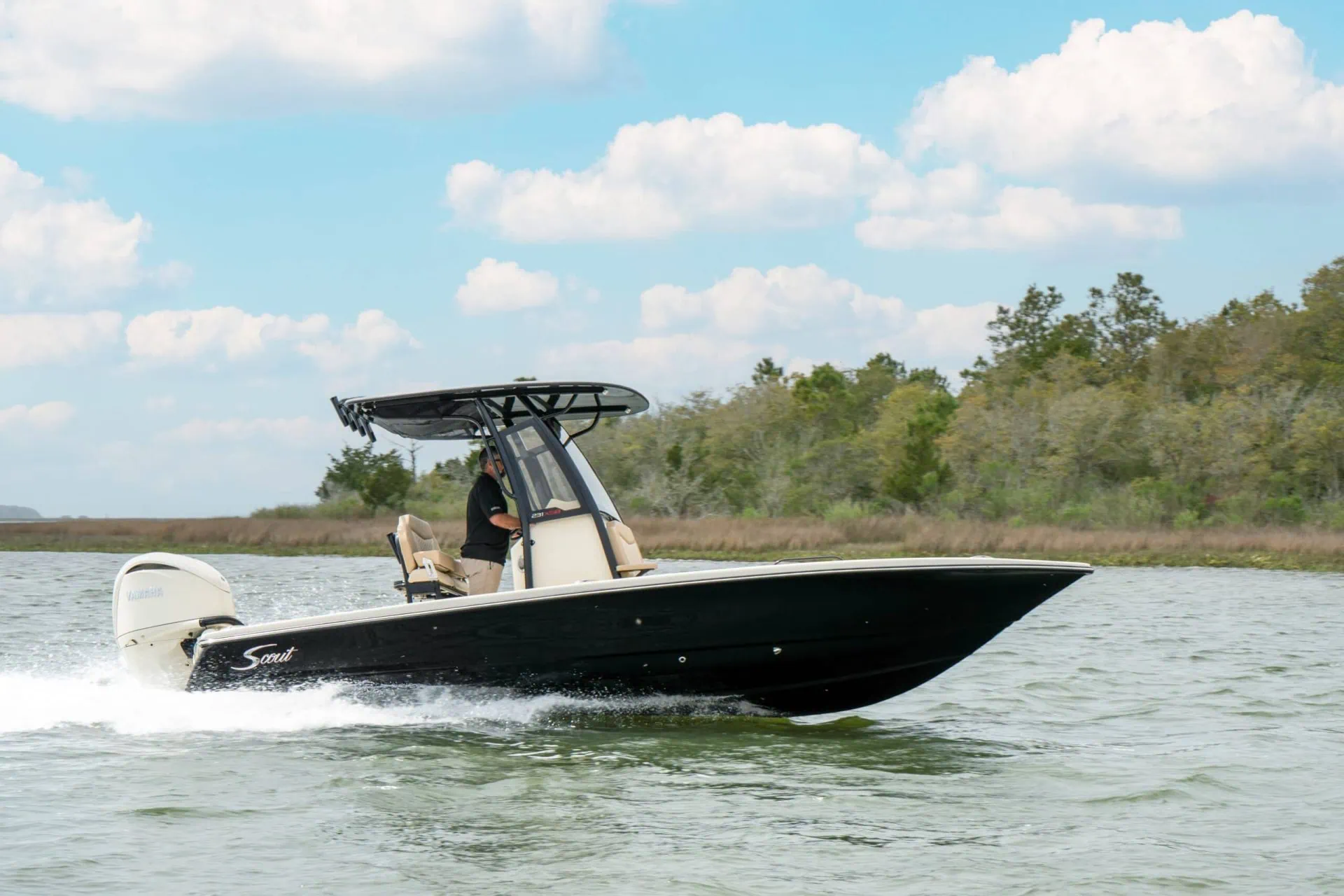
That is why many serious anglers choose boats designed specifically with integrated electronics in mind. Scout Boats offers premium center console models engineered for offshore performance, advanced helm layouts, and seamless electronics integration.
Features that complement modern fishfinder systems include:
- Spacious flush-mounted displays
- Integrated hardtops
- Clean helm ergonomics
- Reliable power systems
- Exceptional ride quality
- Advanced hull designs for offshore conditions
When your electronics and boat work together, you can focus more on locating fish and less on managing equipment limitations.
Final Thoughts
Modern fishfinder electronics are powerful tools, but success comes from understanding how to interpret and apply the information they provide. Learning sonar fundamentals, reading structure, managing waypoints, and fine-tuning settings can all help anglers make smarter decisions on the water.
As marine technology continues to evolve, anglers who invest time in mastering their electronics will gain a meaningful advantage—especially when paired with a boat designed to support serious fishing performance.
If you are looking for a platform built to maximize both comfort and capability, exploring the lineup from Scout Boats is an excellent place to start.
FAQ: Using Fishfinder Electronics
What is the best fishfinder setting for offshore fishing?
The best settings depend on depth and conditions, but offshore anglers often use CHIRP sonar with higher gain levels and slower chart speeds to improve deep-water target visibility.
How do fishfinders locate fish?
Fishfinders use sonar signals that bounce off underwater objects. The returning echoes help display fish, bait schools, structure, and bottom contours on the screen.
Is side imaging better than traditional sonar?
Side imaging is excellent for locating structure and covering water quickly, while traditional sonar excels at tracking depth and fish directly beneath the boat. Many anglers use both together.
Do expensive fishfinders make a difference?
Higher-end fishfinders generally provide better image clarity, improved target separation, advanced mapping, and networking features that can improve fishing efficiency.
Can fishfinders work in shallow water?
Yes. Modern fishfinders can be highly effective in shallow water when settings are adjusted properly for reduced clutter and better bottom detail.