













America’s national seashores offer some of the most breathtaking boating experiences in the country. From the windswept dunes of Cape Cod to the turquoise waters surrounding Gulf Islands, these protected coastal environments provide boaters with a front-row seat to untouched beaches, abundant wildlife, and scenic waterways that can’t always be accessed by land.
For boat owners, exploring national seashores by water opens up a completely different perspective. Hidden coves, quiet fishing spots, remote sandbars, and wildlife viewing opportunities become part of the journey. Whether you prefer offshore fishing, family cruising, island hopping, or watersports, a well-equipped boat can transform a national seashore trip into an unforgettable coastal adventure.
Why Explore National Seashores by Boat?
National seashores were established to preserve coastal landscapes while allowing visitors to enjoy outdoor recreation responsibly. While hiking and driving remain popular, boating offers several distinct advantages:
- Access to secluded beaches and islands
- Easier navigation around crowded tourist areas
- Exceptional fishing opportunities
- Better wildlife viewing
- Flexible day trips or overnight excursions
- Stunning sunrise and sunset views from the water
Many national seashores feature expansive waterways that are difficult to fully appreciate from shore alone. Cruising through these protected areas allows boaters to experience coastal ecosystems in a more immersive and peaceful way.
Top National Seashores for Boaters
Cape Hatteras National Seashore, North Carolina
Stretching along the Outer Banks, Cape Hatteras is legendary among anglers and offshore boaters. Known for its dramatic shoreline, shifting sandbars, and proximity to the Gulf Stream, this area offers exceptional fishing for tuna, mahi-mahi, and marlin.
Boaters can also explore:
- Oregon Inlet
- Pamlico Sound
- Remote barrier island beaches
- Historic lighthouses visible from the water
Center console boats are especially popular here because they can handle both inshore sound cruising and offshore fishing runs with confidence.
Gulf Islands National Seashore, Florida and Mississippi
This seashore combines calm Gulf waters with sugar-white sand beaches and crystal-clear water. It’s ideal for family cruising, snorkeling, and anchoring near quiet islands.
Popular boating activities include:
- Dolphin watching
- Sandbar gatherings
- Fishing near grass flats and reefs
- Exploring barrier islands inaccessible by car
The relatively protected waters make Gulf Islands a great destination for boaters of all experience levels.
Padre Island National Seashore, Texas
As the longest undeveloped barrier island in the world, Padre Island offers miles of untouched coastline perfect for fishing and exploration.
Boaters often enjoy:
- Shallow-water fishing
- Birdwatching
- Kayaking through lagoons
- Accessing remote beach camping areas
Because weather and water conditions can shift quickly along the Texas coast, reliable navigation electronics and a capable hull design are especially valuable here.
Cape Cod National Seashore, Massachusetts
Cape Cod blends classic New England scenery with rich maritime history. By boat, visitors can discover hidden coves, seal colonies, and scenic harbors while avoiding crowded summer traffic.
Highlights include:
- Whale watching excursions
- Striper and bluefish fishing
- Cruising along dramatic dunes
- Exploring nearby islands and bays
A smooth-riding boat with ample seating makes longer sightseeing trips more enjoyable for families and guests.
Planning a National Seashore Boating Trip
Preparation plays a major role in ensuring a safe and enjoyable experience. Coastal conditions can change rapidly, and many protected areas have specific boating regulations.
Research Local Regulations
Before launching, review:
- No-wake zones
- Wildlife protection areas
- Anchoring restrictions
- Fishing regulations
- Permit requirements
National Park Service websites often provide updated boating guidance and seasonal advisories.
Watch the Weather Closely
Coastal weather systems can develop quickly, especially during summer afternoons. Boaters should monitor:
- Wind forecasts
- Tidal changes
- Thunderstorm activity
- Surf conditions
Modern marine electronics, including GPS chartplotters and weather integration systems, can help boaters stay informed while underway.
A well-prepared boating checklist should include:
- U.S. Coast Guard-approved life jackets
- Emergency signaling devices
- Marine radio
- First aid supplies
- Extra drinking water
- Sun protection
- Updated charts and navigation systems
If you plan to fish, snorkel, or spend extended time at anchor, additional storage and onboard comfort features become especially important.
Wildlife Encounters on the Water
One of the greatest advantages of exploring national seashores by boat is the chance to encounter wildlife in its natural habitat.
Depending on the region, boaters may spot:
- Dolphins
- Sea turtles
- Pelicans and shorebirds
- Manatees
- Seals
- Migratory whales
Responsible boating helps protect these ecosystems. Maintain safe distances from wildlife, follow marked channels, and avoid sensitive nesting areas.
Quiet, stable boats with smooth handling allow for more enjoyable wildlife viewing without disturbing the environment.
Choosing the Right Boat for Coastal Exploration
National seashore boating often requires versatility. Conditions may range from shallow bays to open coastal waters within the same day.
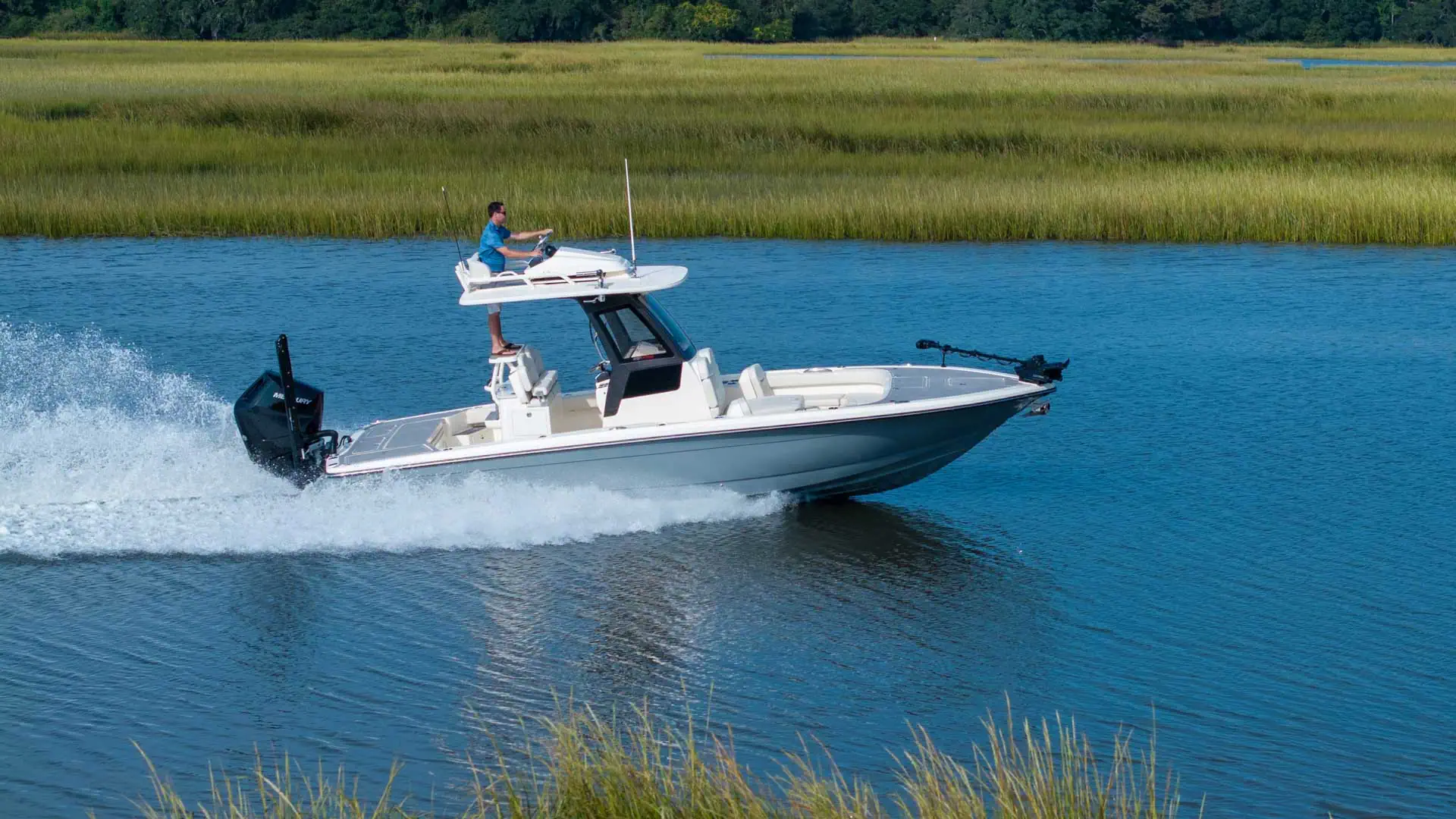
Many boaters prefer center consoles or dual consoles because they offer:
- Offshore capability
- Comfortable family seating
- Fishing functionality
- Easy water access
- Storage for gear and supplies
A high-performance hull also contributes to a smoother ride in changing coastal conditions.
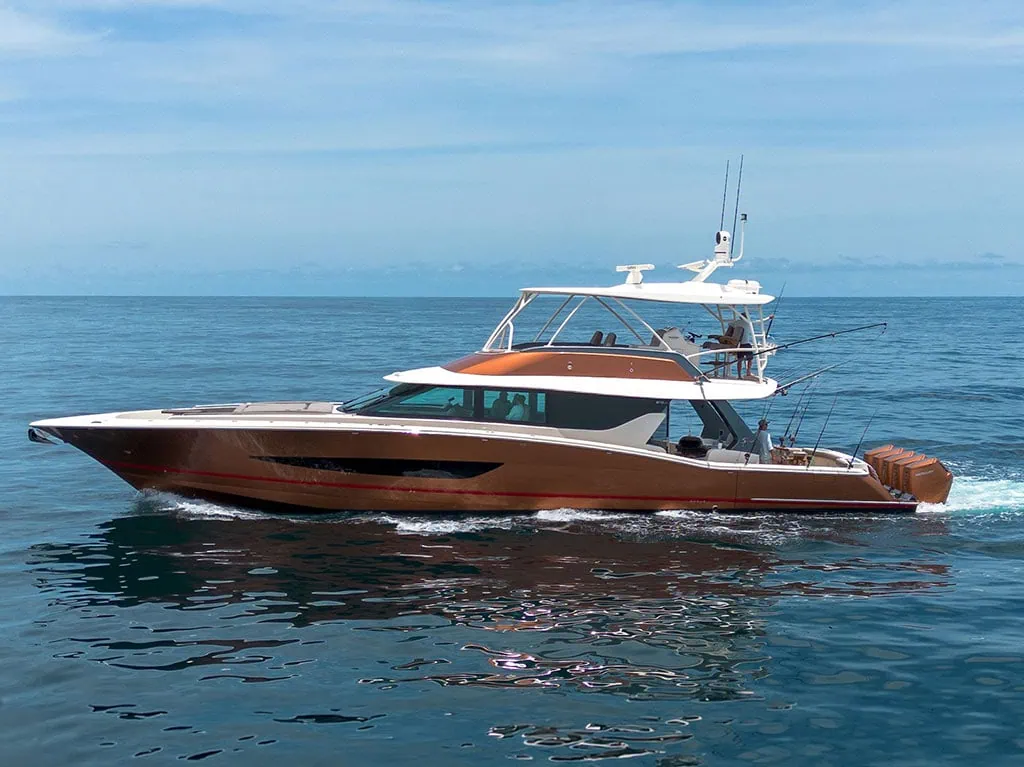
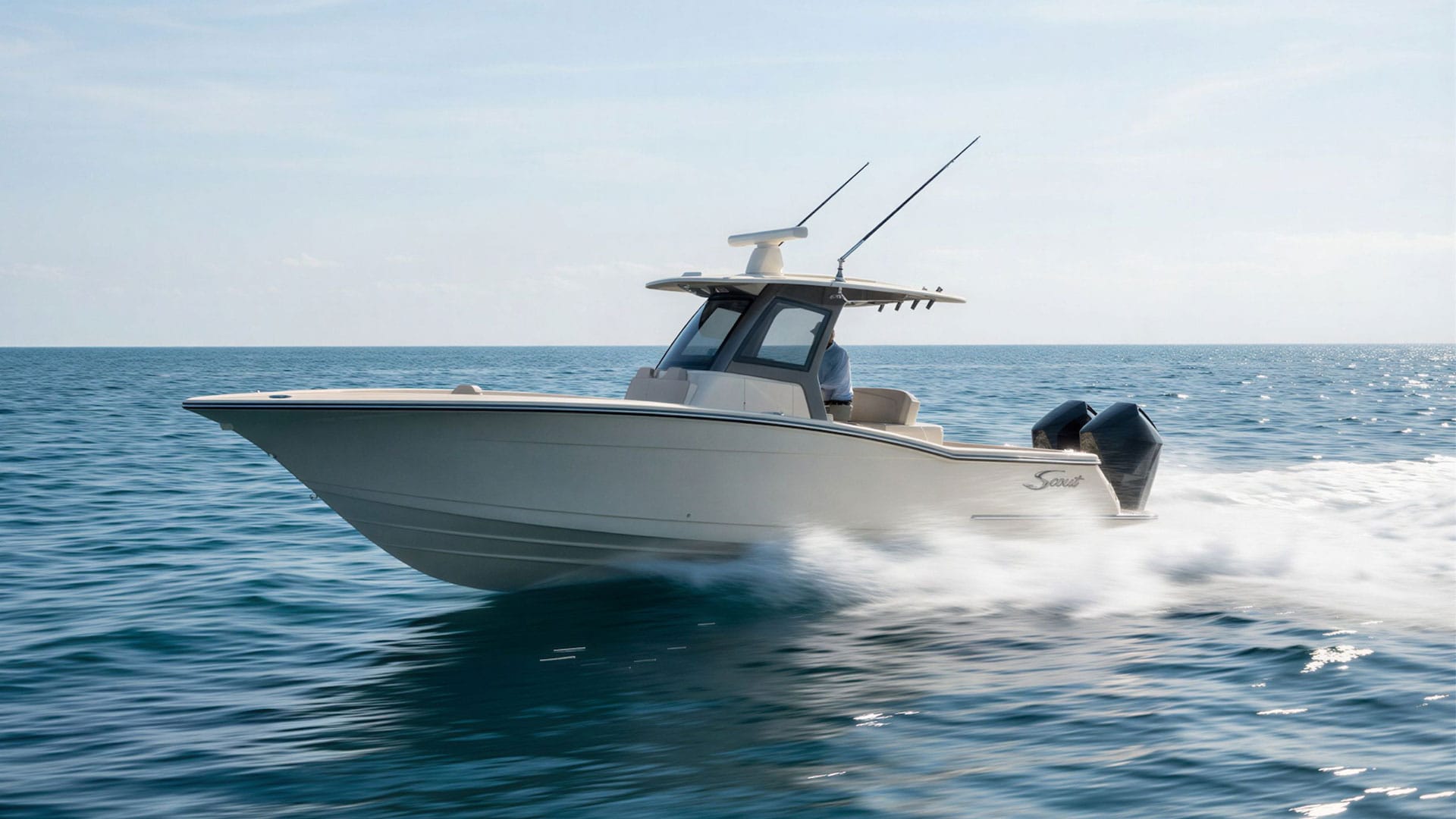
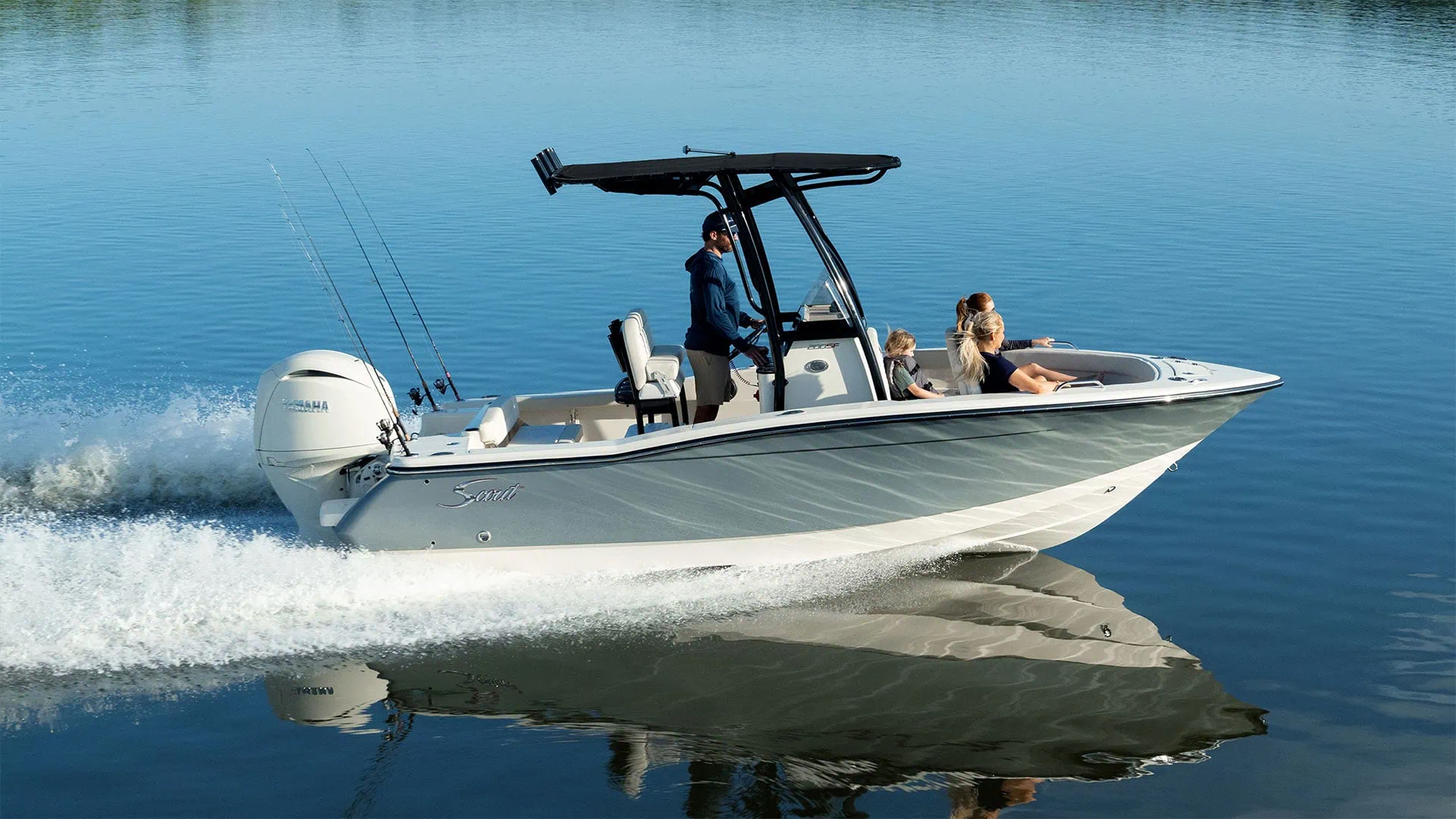
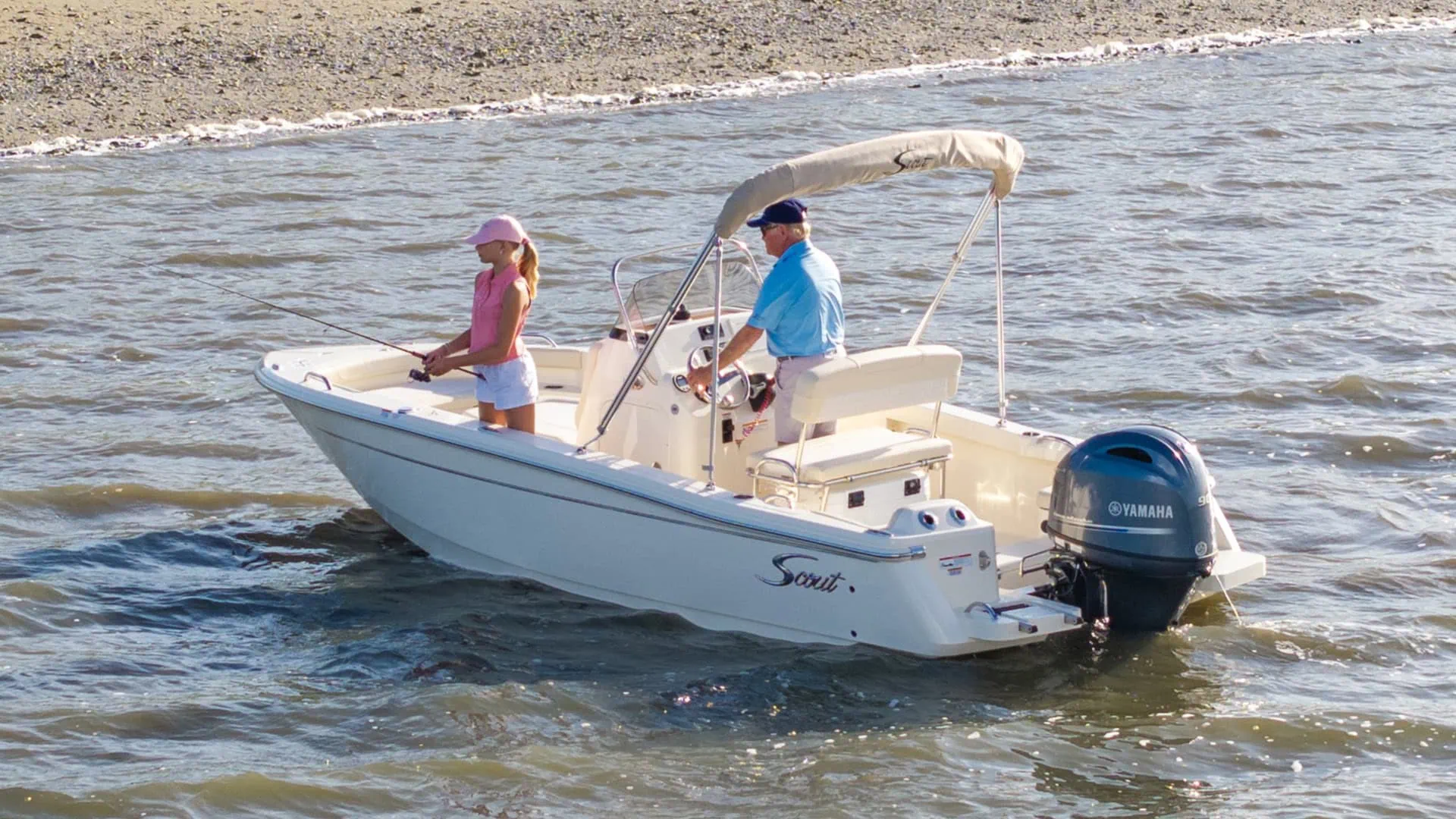
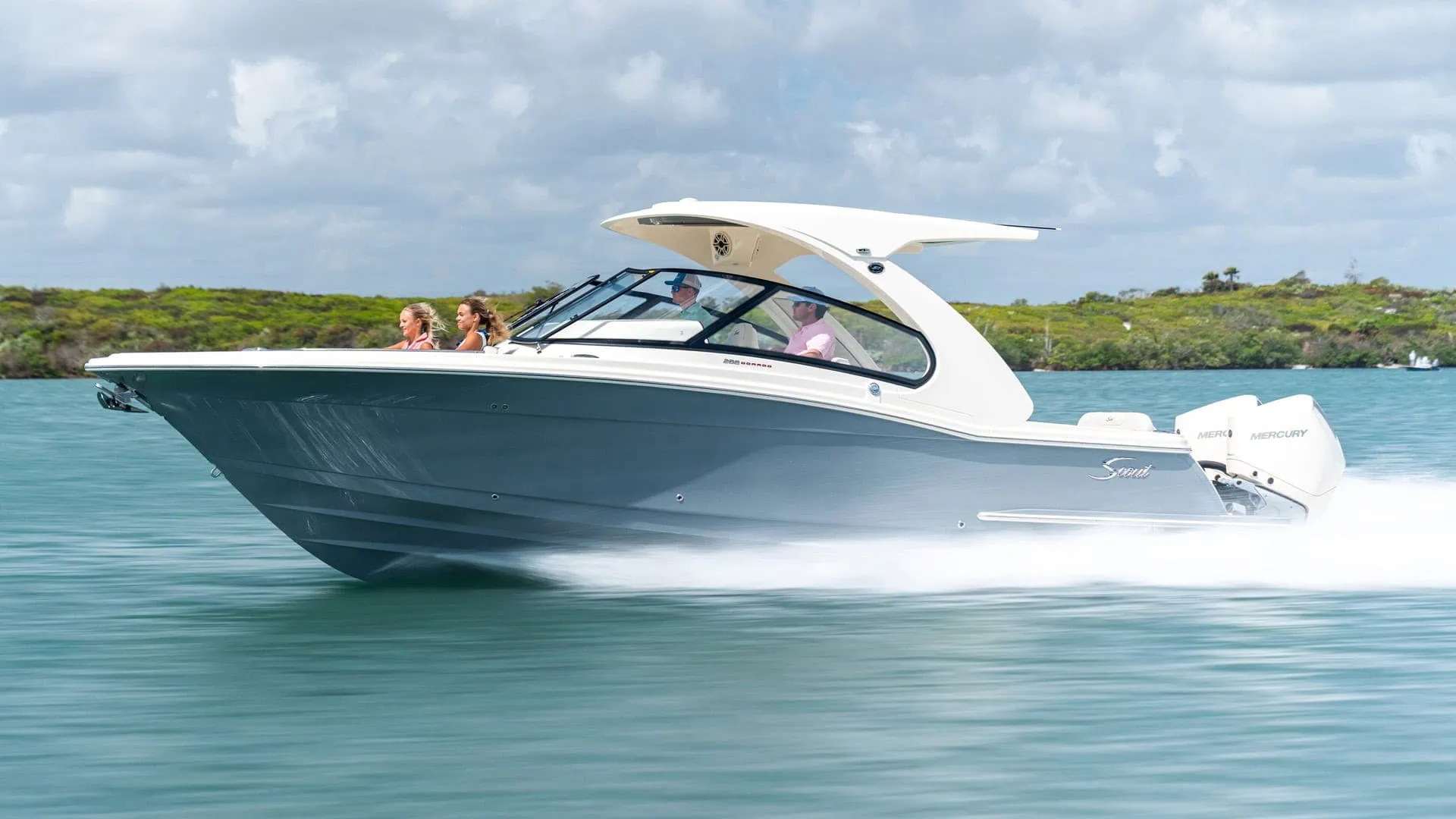
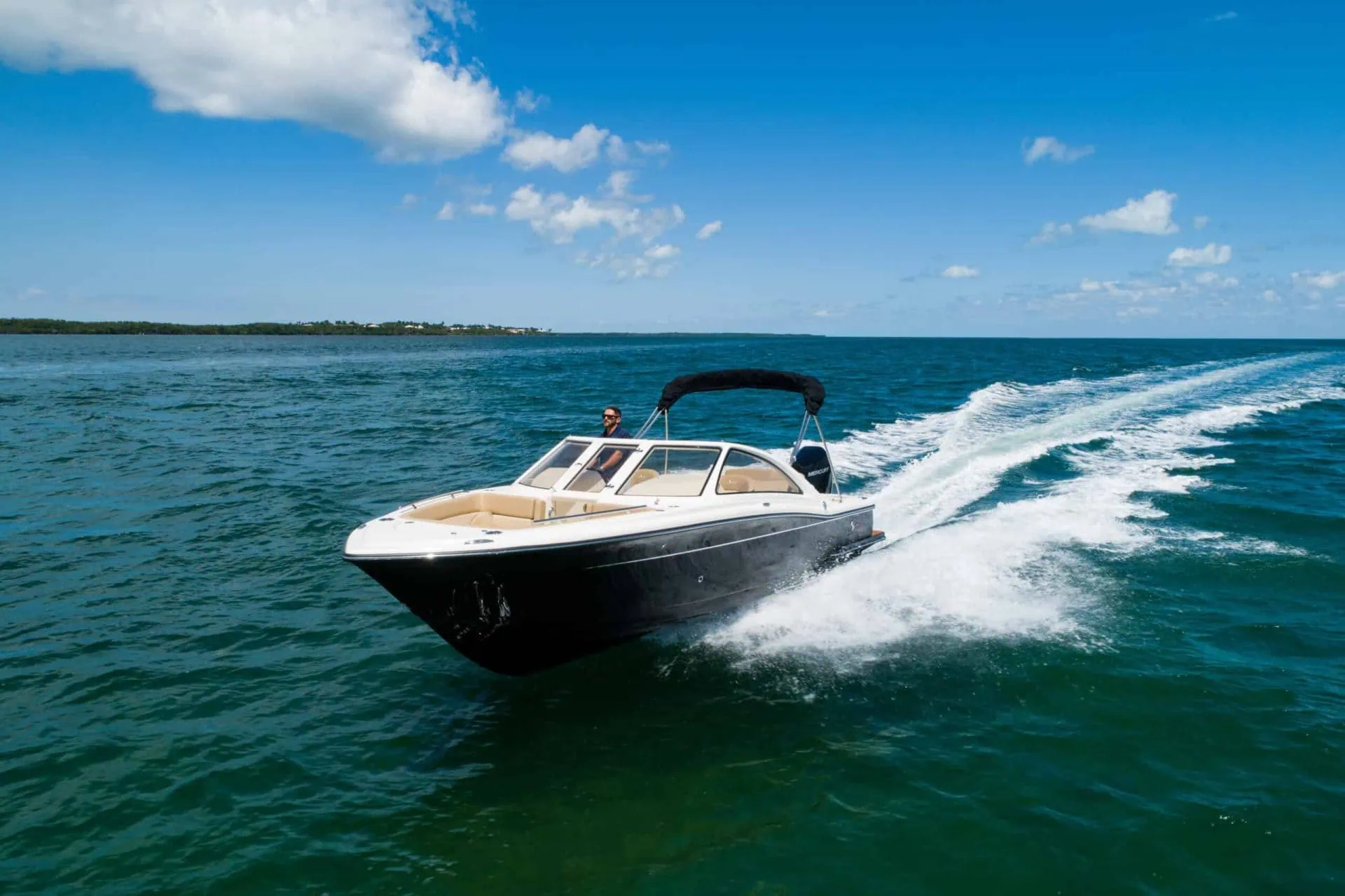
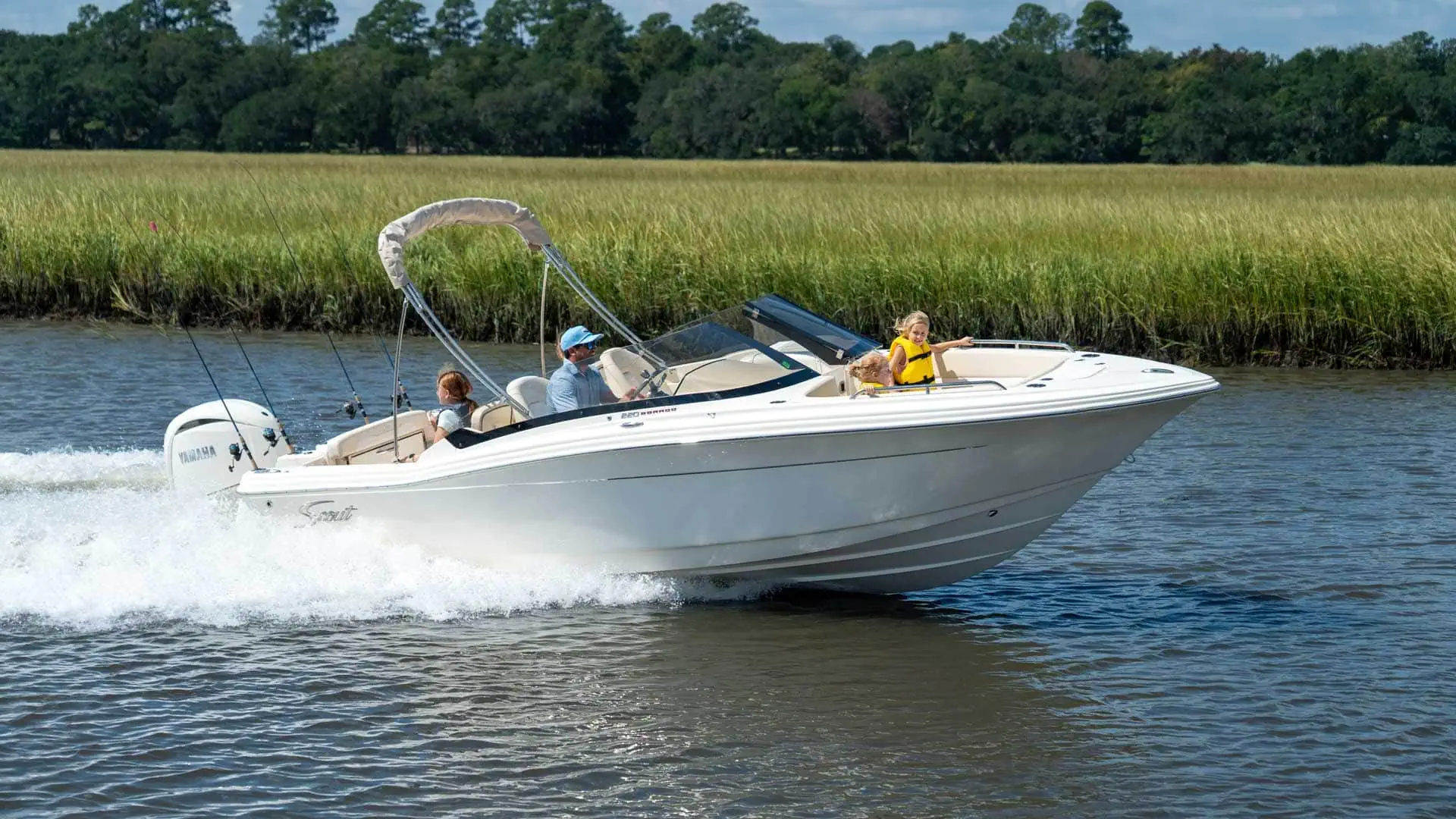
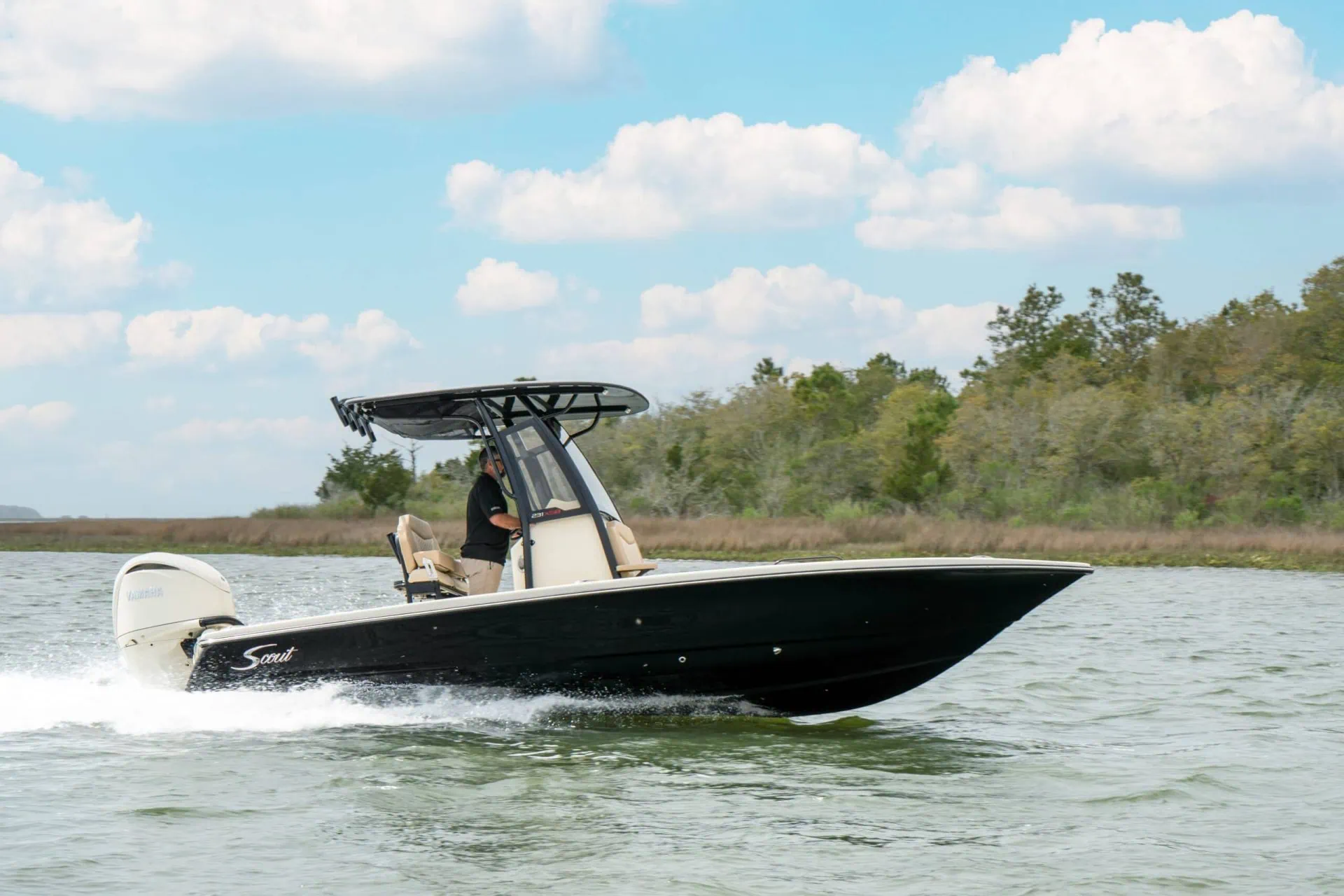
That’s one reason many coastal adventurers turn to Scout Boats. Known for innovation, luxury, and performance, Scout Boats designs vessels that balance fishability with family-friendly comfort. Whether navigating shallow inshore waters or heading offshore near a national seashore, Scout models are engineered for confident coastal cruising.
Make the Most of Your Coastal Adventures
Exploring national seashores by boat offers a unique combination of recreation, scenery, and freedom. Every destination delivers its own blend of fishing opportunities, wildlife encounters, and coastal beauty.
With the right preparation and the right vessel, boaters can experience these protected shorelines from a perspective few visitors ever see. From remote barrier islands to calm Gulf waters and rugged Atlantic coastlines, national seashores continue to provide unforgettable adventures for boating enthusiasts across the country.
If you’re planning future coastal getaways, exploring the lineup at Scout Boats can help you find a vessel designed for comfort, performance, and long days on the water.
FAQ: Exploring National Seashores by Boat
What is the best boat for exploring national seashores?
Center console and dual console boats are popular because they handle both inshore and offshore conditions while offering space for fishing, cruising, and family activities.
Are boats allowed in all national seashores?
Most national seashores allow boating, but regulations vary by location. Always check local National Park Service guidelines before your trip.
What should I bring on a coastal boating trip?
Essential items include life jackets, navigation electronics, a marine radio, emergency supplies, sunscreen, food, water, and updated charts.
Can you fish within national seashores?
Yes, many national seashores are excellent fishing destinations, though anglers must follow state and federal fishing regulations.
When is the best time to explore national seashores by boat?
Spring through early fall is ideal in most regions, though weather patterns and hurricane seasons should always be considered when planning coastal trips.