












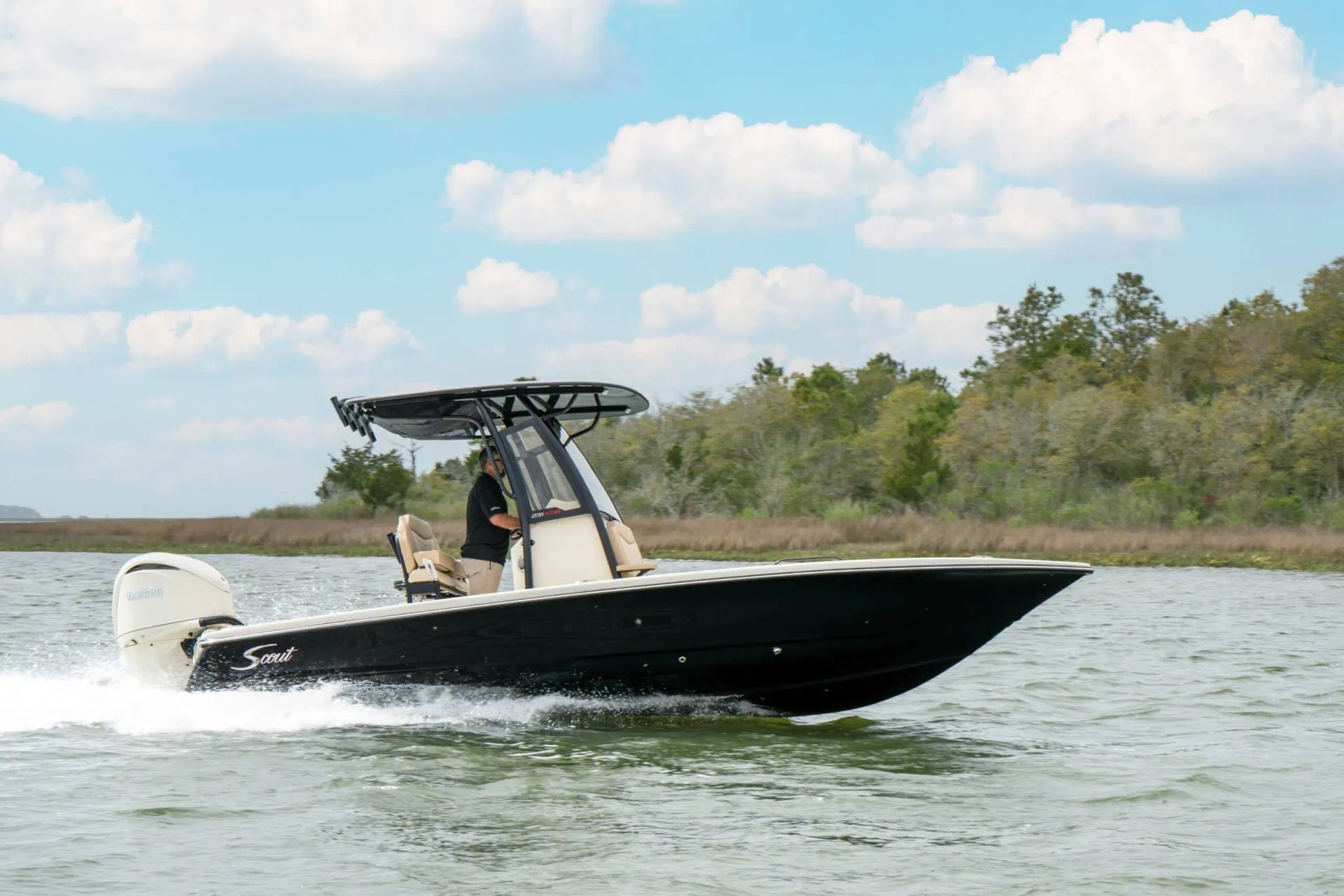

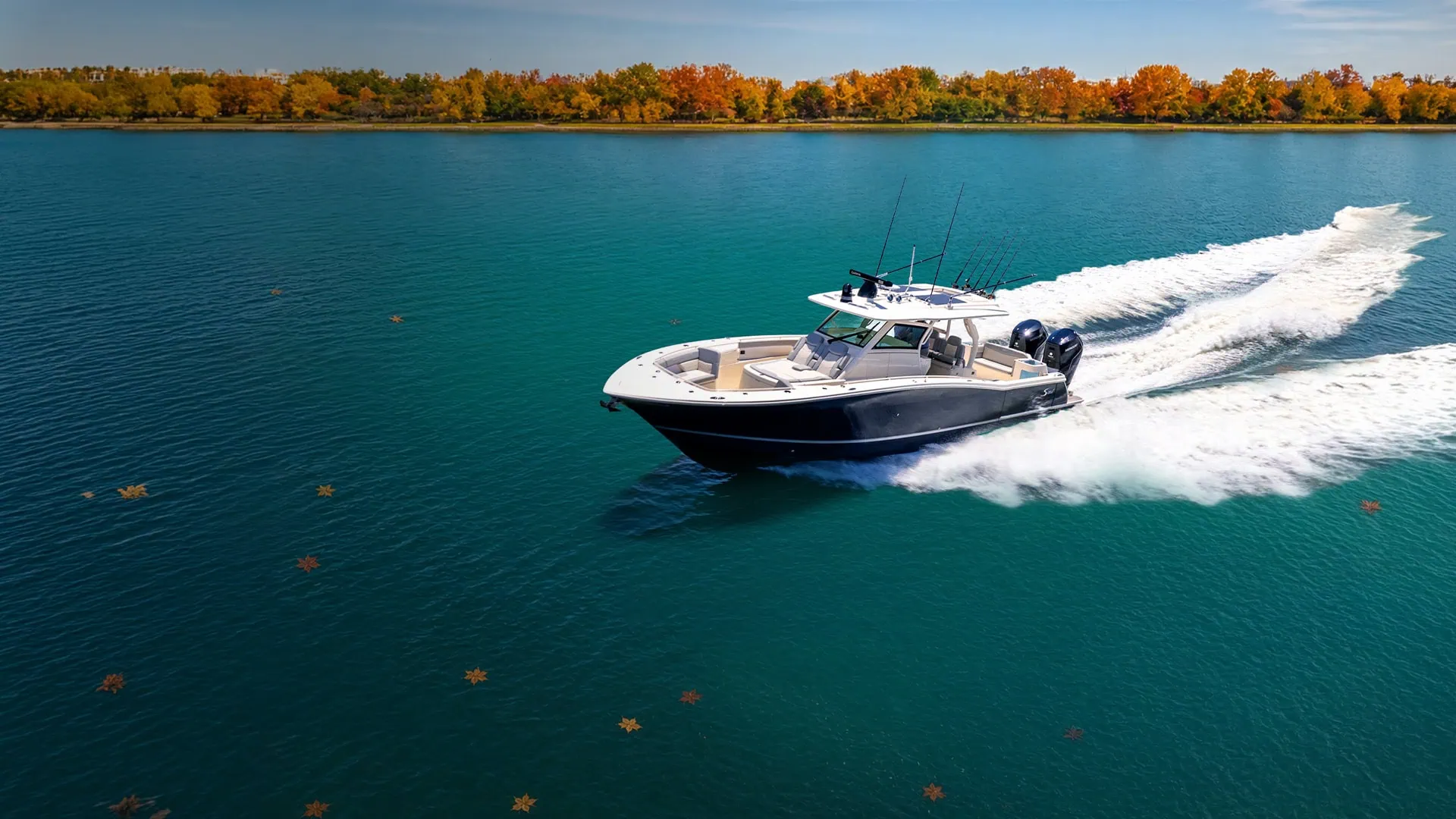
Not every day on the water has to revolve around a fishing spot. Some of the best trips a boat owner can take are simple ones: a run out to a lighthouse, a slow cruise past a historic fort, or a lunch stop on a quiet barrier island beach. Coastal landmarks give a day trip a destination and a story, and they’re a great way to get family and friends on board who might not spend eight hours chasing fish. A little planning turns a good idea into a smooth, memorable day.
Pick a Landmark That Fits Your Boat and Your Crew
Start by matching the destination to the boat and the people aboard. A lighthouse 25 miles down the coast is a great run in a capable center console on a calm morning, but it’s a long, wet ride for young kids or guests who aren’t used to open water. Closer landmarks — a harbor lighthouse, a fort at the mouth of an inlet, a sandbar island inside the bay — make for easier first trips and leave more time for swimming, exploring, and lunch. Think about how long your crew will realistically enjoy being aboard, then plan the route around that number.
Know the Rules Before You Land
Many of the most popular coastal landmarks sit on protected land managed by the National Park Service, state parks, or wildlife agencies, and the rules vary widely. Some lighthouses and forts can be visited only by an official ferry or concession boat, with private vessels limited to viewing from the water. Some barrier islands allow beach landings but close sections seasonally for nesting shorebirds or sea turtles. Others restrict dogs, fires, or overnight stays. Check the managing agency’s website before you go so you know whether you’ll be stepping ashore or enjoying the view from the boat.
Plan Around Tides, Wind, and the Afternoon Breeze
Coastal landmarks often sit exactly where the water gets tricky: at inlet mouths, on the edges of shoals, and along exposed points. Check the tide table so you’re not trying to reach a sandbar landing on a dead-low tide or leaving a beached boat high and dry while you explore. Look at the wind forecast with an eye on the afternoon sea breeze — the smooth run out in the morning can turn into a bumpy ride home after lunch, especially when you’re running against a building chop. Many experienced captains plan to be headed home by early afternoon for exactly that reason.
Beaching and Anchoring Near a Landmark
If you plan to go ashore, approach slowly and watch the bottom. Sandbars and beaches near landmarks often have shifting shoals, submerged pilings, or old structure that doesn’t show up clearly on the chart. A good routine is to set a bow anchor in a few feet of water, then run a stern line or second anchor to the beach so the boat stays floating and doesn’t swing broadside onto the sand as the tide changes. Keep an eye on wakes from passing boats, which can push a beached hull sideways or fill a low transom faster than you’d expect.
Respect the History and the Neighbors
Lighthouses, forts, and shipwreck sites are popular for a reason, and they draw plenty of other visitors. Observe posted no-wake zones, give tour boats and ferries room to work, and keep a respectful distance from swimmers and paddlers near beaches. On historic sites, leave artifacts, bricks, and shells where you find them — removing items from protected sites can carry serious penalties, and it takes something away from the next family that visits.
What to Pack for a Landmark Day Trip
A day trip packs differently than a fishing trip. Bring plenty of water, shade or a bimini, sunscreen, and snacks or a packed lunch. Pack dry bags for phones and cameras, beach shoes for oyster-studded shorelines, and a trash bag so everything you bring aboard comes home with you. Don’t skip the basics: properly sized PFDs for everyone aboard, a charged VHF, and a float plan left with someone on shore who knows where you’re headed and when you expect to be back.
FAQ
Can I dock my own boat at a lighthouse or historic fort? Sometimes, but not always. Many landmarks on federal or state land are accessible only by official ferry, with private boats limited to viewing from the water. Check the managing agency’s rules before you go.
What’s the best time of day for a coastal day trip? Early morning is usually best. Water tends to be calmer before the afternoon sea breeze builds, and you’ll beat the crowds at popular spots.
How do I safely beach my boat near a landmark? Approach slowly, set a bow anchor in a few feet of water, and run a stern line to shore so the boat stays afloat and doesn’t swing broadside as the tide changes.
What should I bring on a boating day trip? Water, sun protection, food, dry bags, beach shoes, a trash bag, properly sized PFDs, a working VHF, and a float plan left with someone on land.
Make Every Destination Part of the Trip
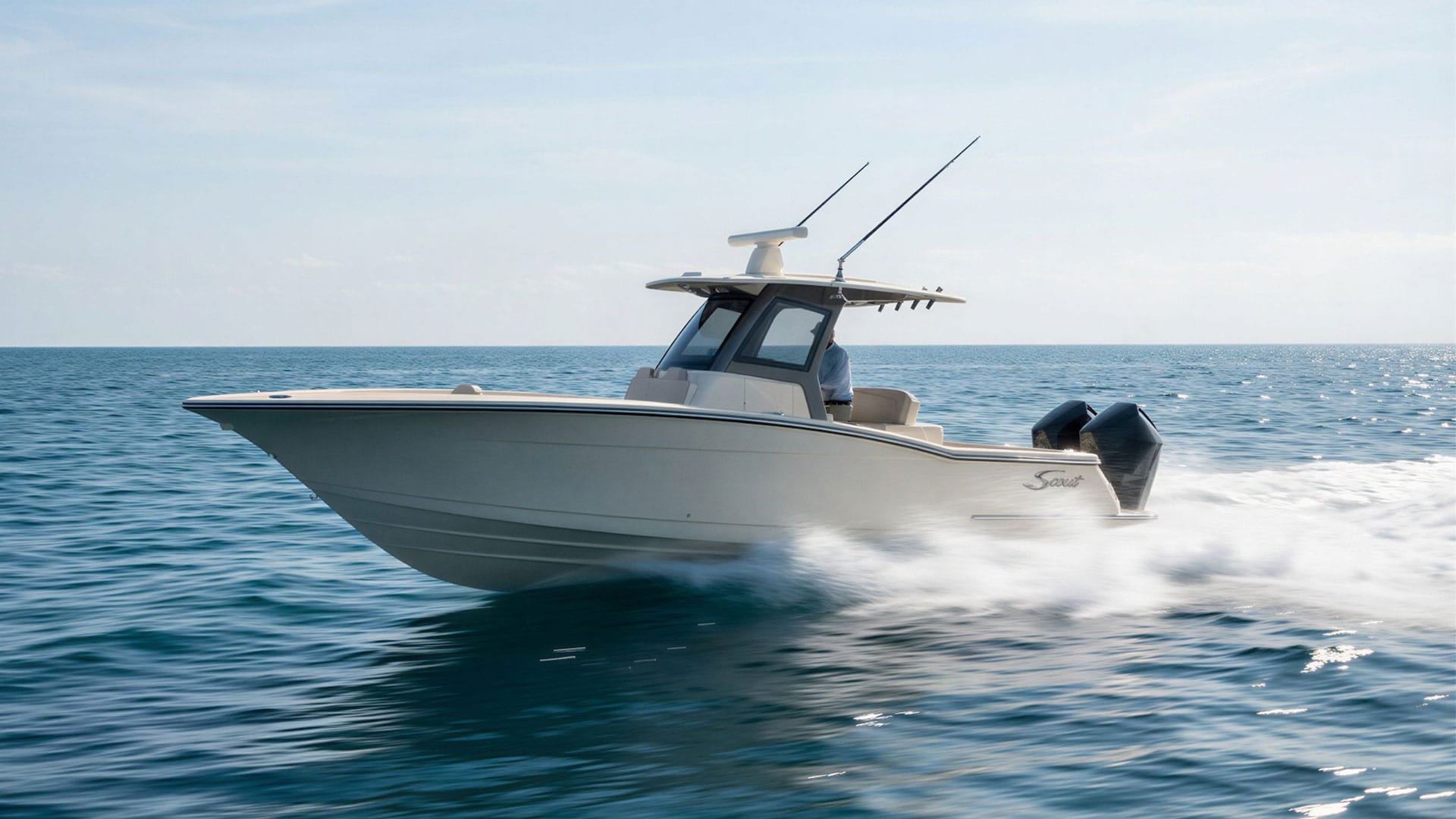
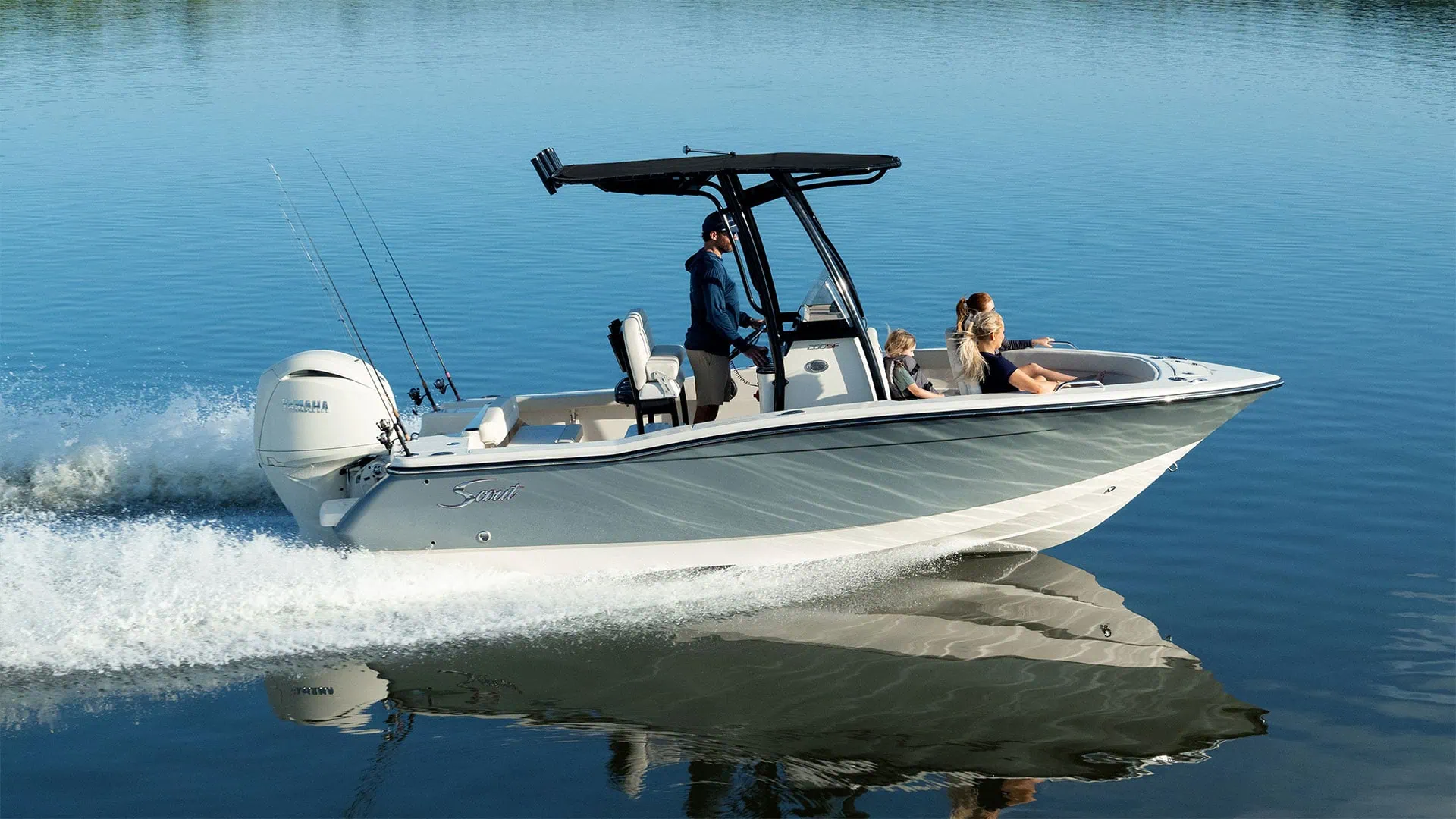
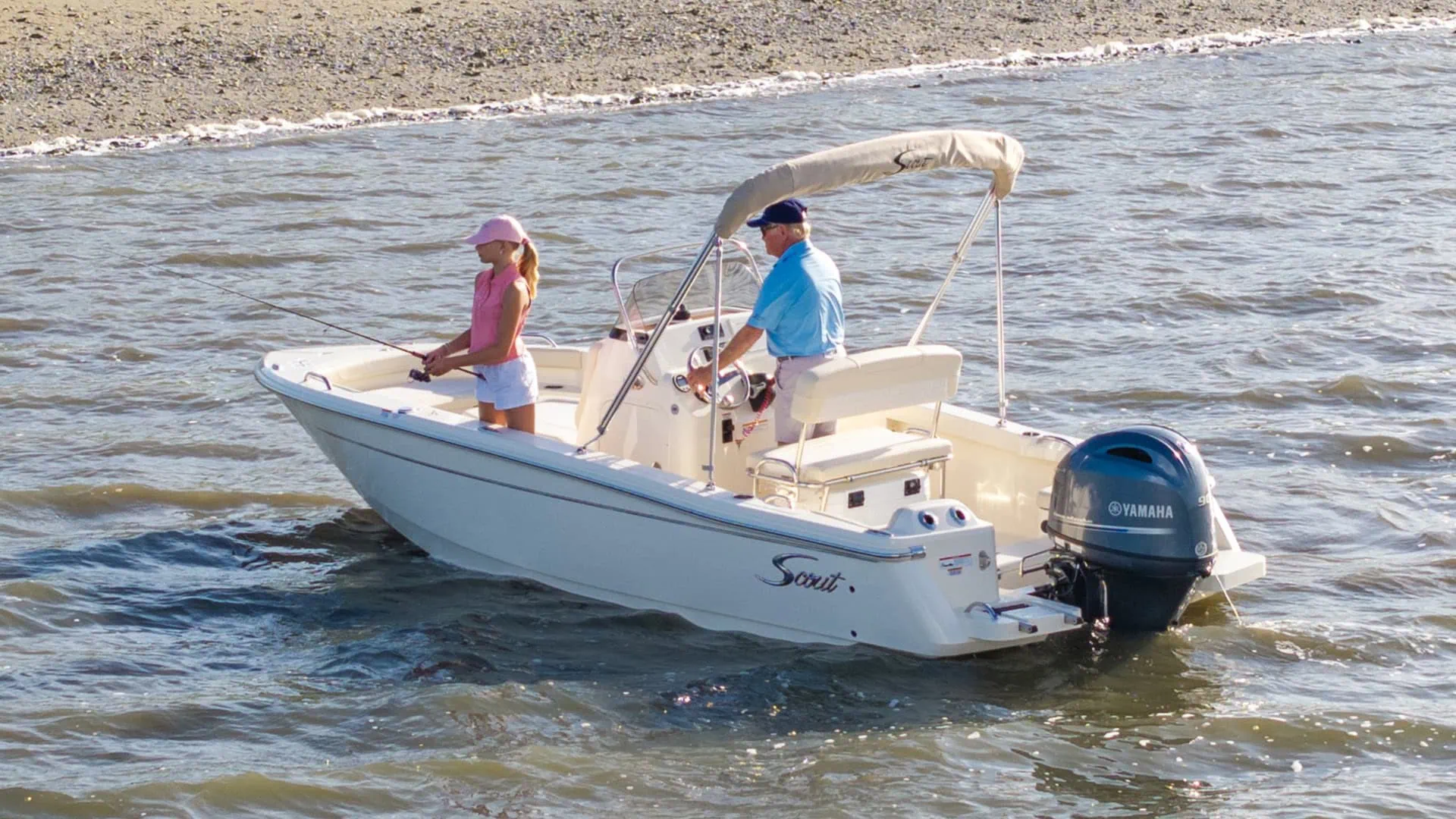
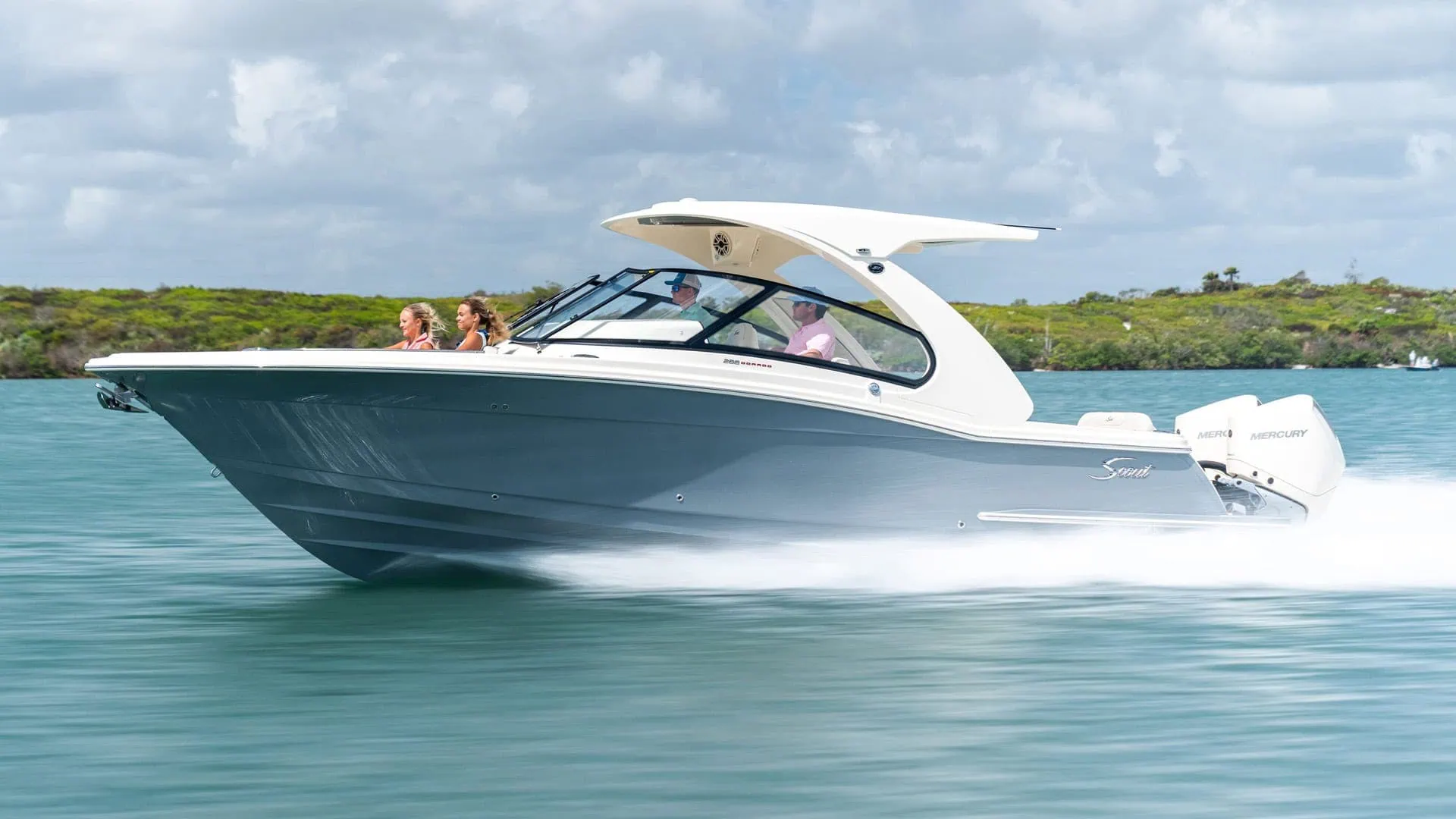
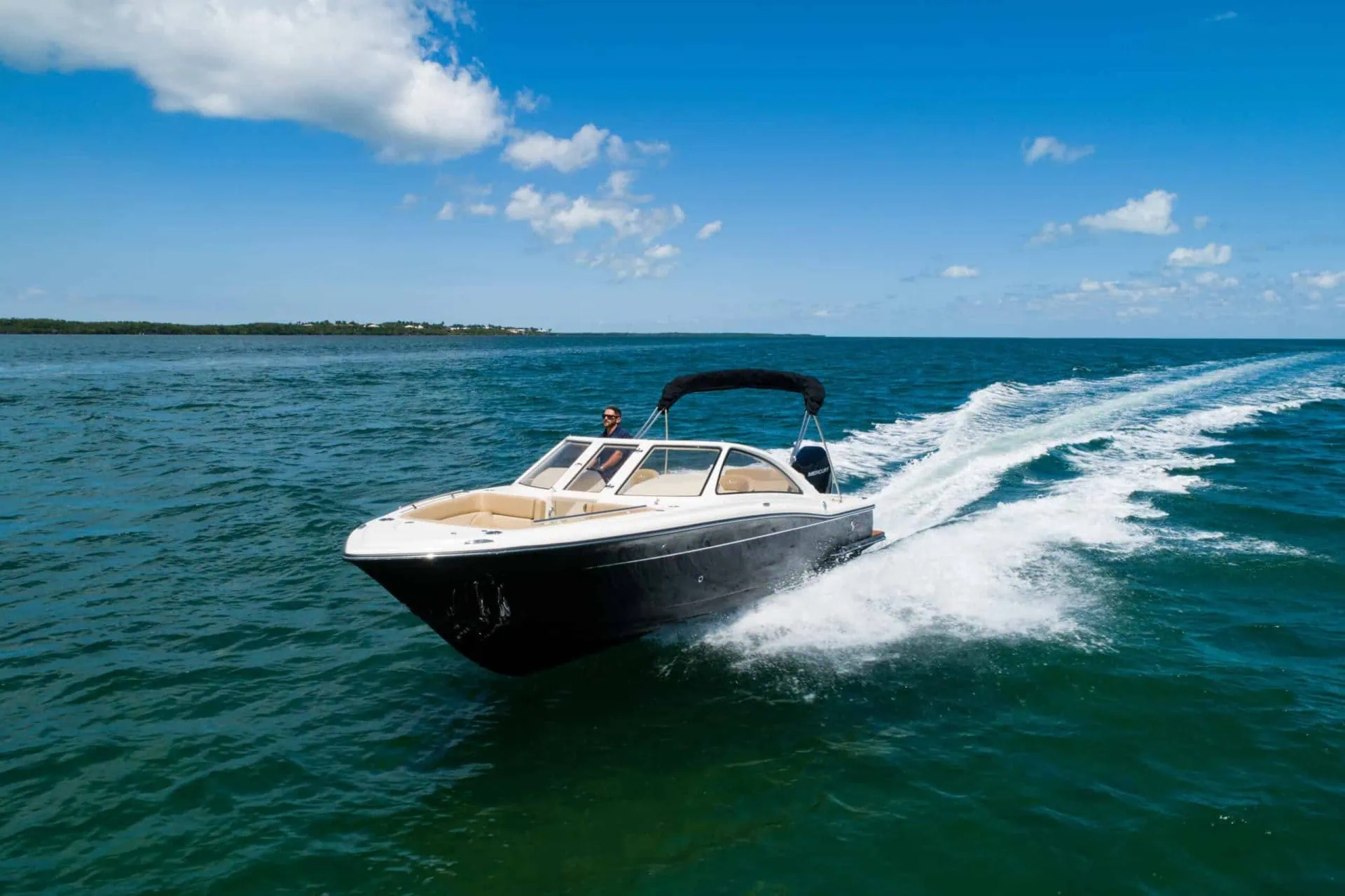
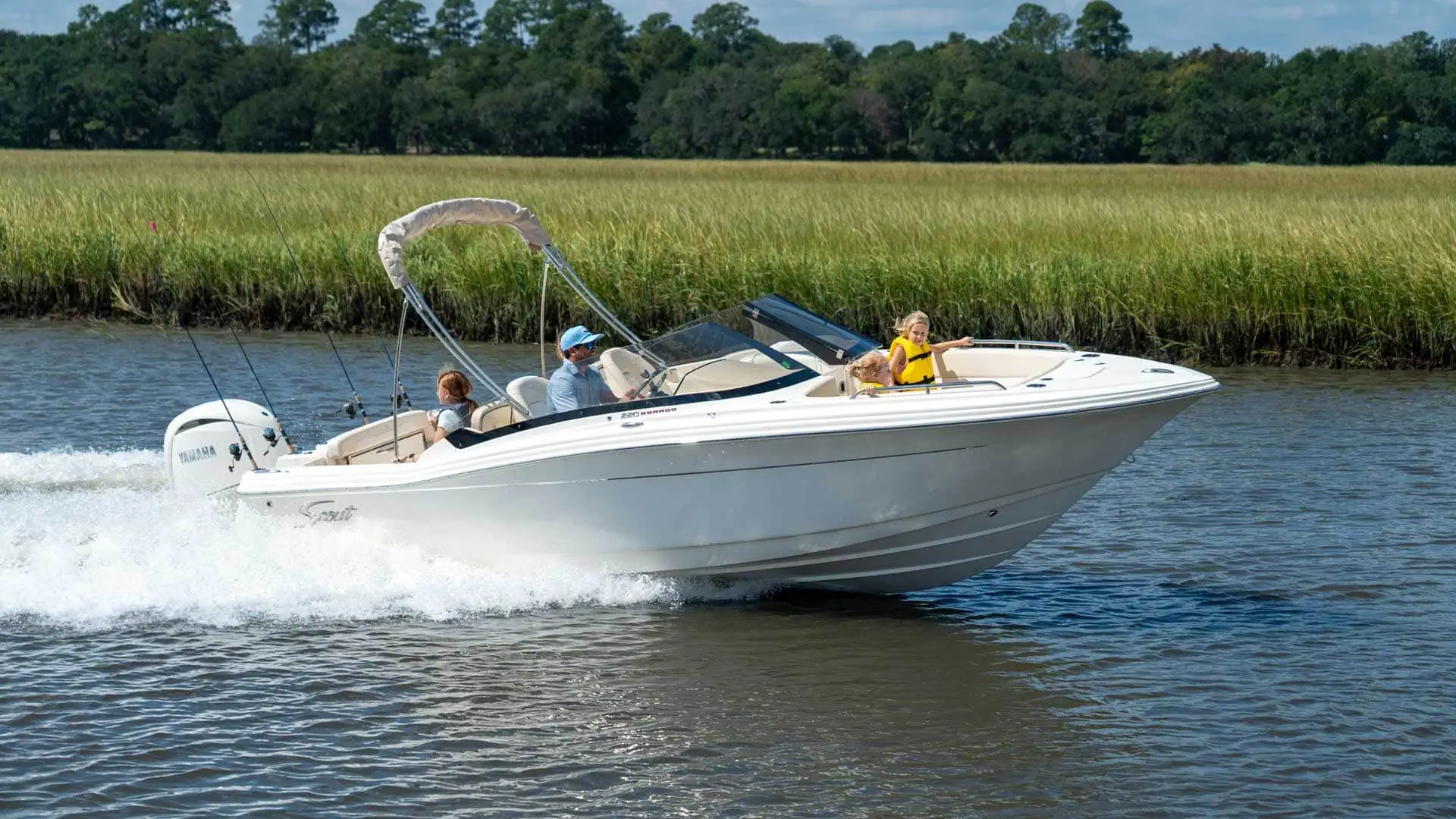
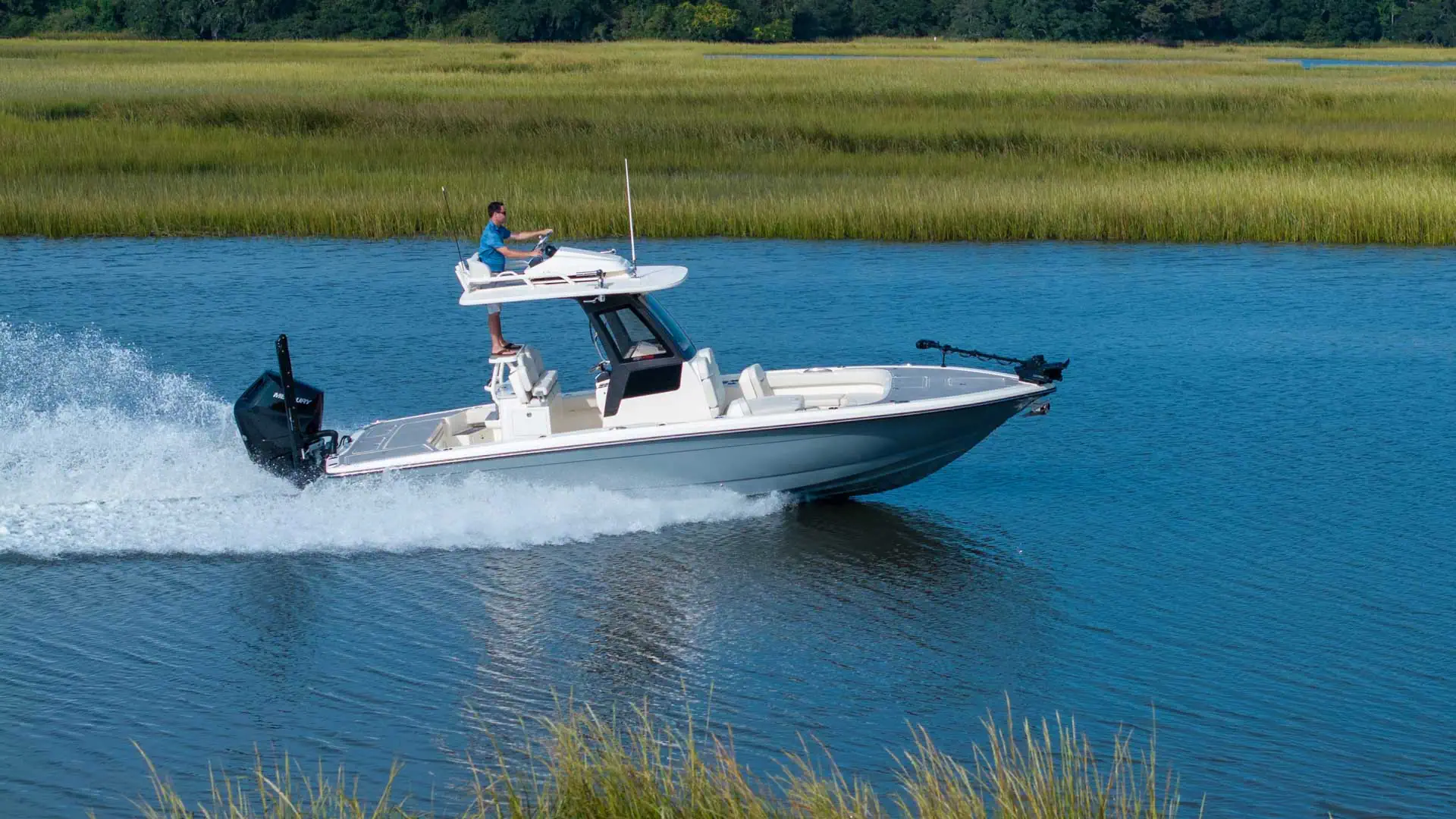
The right boat turns the run to a landmark into part of the experience rather than something to get through. Scout’s center console and dual-console models combine a smooth, dry ride with comfortable seating, shade, and storage for everything a day trip demands — whether the plan is a lighthouse, a fort, or an empty stretch of beach. Check out Scout’s line-up to find the model built for the way you and your crew like to spend a day on the water.