












Shallow coastal bays are some of the most rewarding water a boater can explore — redfish tailing on the flats, trout working the grass edges, and calm, protected water when the ocean side is too rough to fish. But anchoring in three to six feet of water is a different skill than dropping a hook offshore. Soft bottoms, swinging tides, sensitive seagrass, and a narrow margin between floating and grounded all change the way you should set up. Here’s how experienced captains anchor confidently in skinny water.
Choose the Right Anchor for the Bottom
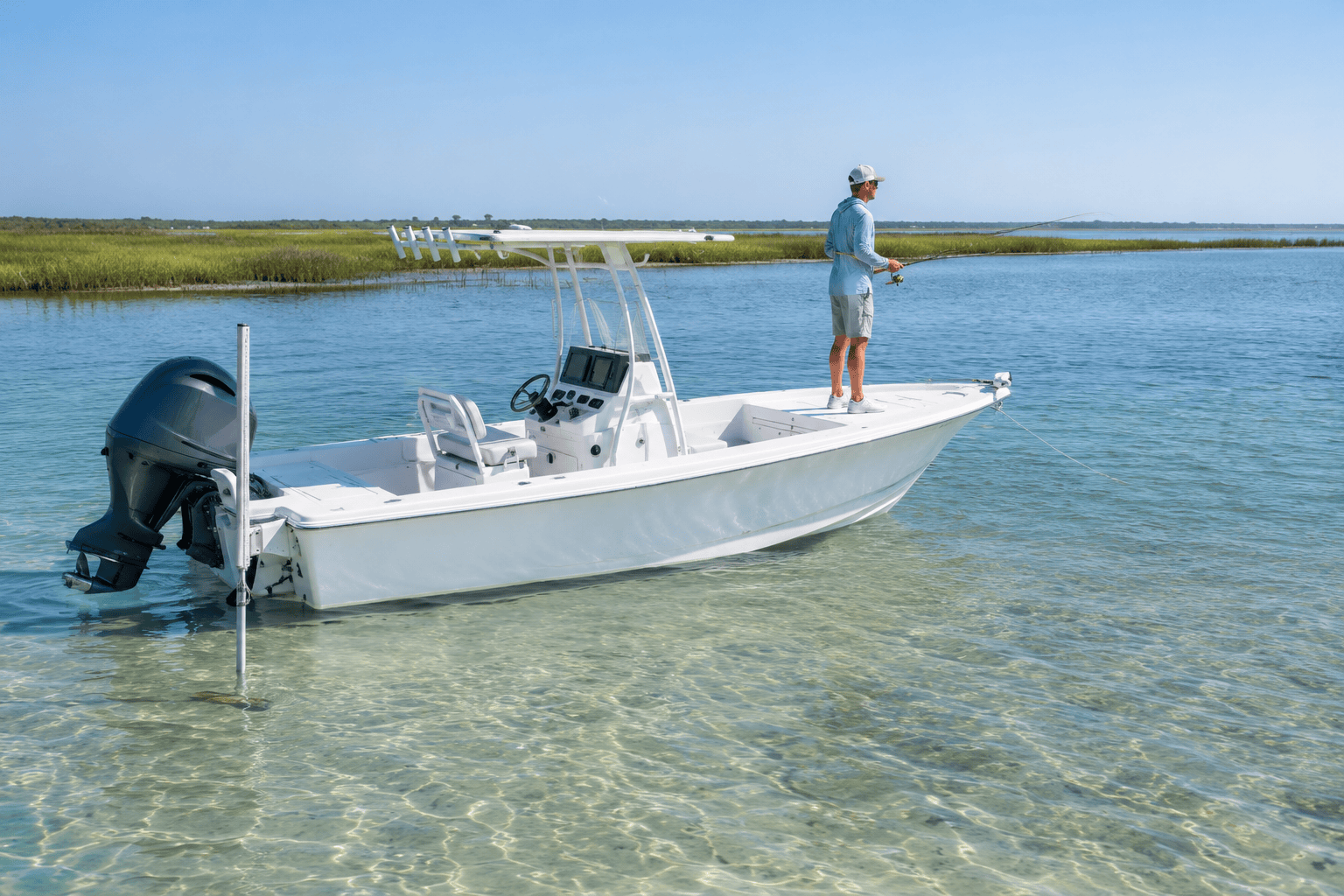
The bottom you’re anchoring in should drive your anchor choice. Fluke-style anchors, such as the classic Danforth design, are a long-time favorite in sand and mud because their wide flukes dig in and hold well in soft bottoms. Plow and claw-style anchors handle mixed bottoms but can struggle to set in thick mud or grass. For very shallow water, many bay boaters rely on shallow-water anchoring systems — hydraulic or electric spike anchors mounted on the transom, or a simple manual stake-out pole pushed into the bottom. These hold a boat quietly in place without the swing and noise of a traditional anchor, which is a big advantage when sight-fishing.
Get the Scope Right — Even in Shallow Water
It’s tempting to drop just a few feet of line in shallow water, but scope still matters. A general guideline is a scope of roughly 5:1 to 7:1 — five to seven feet of rode for every foot of depth, measured from the bow roller to the bottom. In four feet of water with your bow two feet above the surface, that means 30 to 40 feet of rode. A short length of chain between the anchor and the line helps the anchor lie flat and set, and protects the rode from shells and oyster bars. Too little scope is the most common reason an anchor drags on an incoming tide.
Plan for the Tide Before You Drop the Hook
In a shallow bay, the tide is the factor that most often turns a relaxing stop into a long wait. Check the tide table and your current position in the cycle before you anchor. Anchoring on a high, falling tide in water that’s barely deep enough can leave you sitting on the bottom an hour later. On coasts with a large tidal range, such as much of the Southeast, the difference between high and low water can be several feet — the gap between a comfortable anchorage and a grounded hull. Make sure your chosen spot still has enough water under the boat at the lowest point you expect to be there.
Watch Your Swing Radius
A boat on a long rode swings in a wide circle as wind and tide shift, and in a bay that can mean swinging onto a shallow bar, an oyster bed, or another anchored boat. Before setting the anchor, look at the depth all the way around your planned position, not just where you’re sitting. When fishing near structure or other boats, a bow-and-stern setup or a shallow-water spike anchor limits swing and keeps the boat pointed where you want it. Most chartplotters also offer an anchor alarm that sounds if the boat drifts outside a set radius — an easy safeguard if you’re stopping for lunch or a swim.
Protect the Grass and the Bottom
Seagrass beds are the nurseries that make shallow bays so productive, and they recover slowly from damage. Avoid dropping anchors directly into thick grass when sand patches are nearby, and never drag an anchor across a grass flat to free it. When leaving, motor slowly toward the anchor as you retrieve the line so it lifts straight up rather than plowing the bottom. Trim the engine up and idle in and out of shallow areas instead of running a prop scar across the flat. Many states have rules protecting seagrass, and good habits keep the fishing healthy for everyone.
Setting and Retrieving Cleanly
Approach your spot into the wind or current, whichever is stronger, and come to a stop before lowering the anchor — don’t throw it. Let the boat drift back as you pay out rode, then snub the line gently to set the anchor and confirm it’s holding by watching a fixed point on shore. To retrieve, motor slowly toward the anchor, then lift. If an anchor is fouled in mud or under a rock, circling slowly above it to change the angle of pull usually frees it without damaging the bottom or the boat.
FAQ
How much anchor line do I need in shallow water? Aim for a scope of about 5:1 to 7:1, measured from the bow to the bottom. In four feet of water with a two-foot freeboard, that’s roughly 30 to 40 feet of rode.
What’s the best anchor for a shallow coastal bay? Fluke-style anchors hold well in sand and mud, while shallow-water spike anchors and stake-out poles are ideal for very skinny water and sight-fishing.
How do I keep from getting stranded on a falling tide? Check the tide table before you anchor and make sure you’ll still have enough water under the hull at the lowest tide you expect during your stop.
Can anchoring damage seagrass beds? Yes. Drop anchors in sand patches when possible, retrieve them vertically, and avoid running or dragging anchors across grass flats.
A Boat Built for Skinny Water
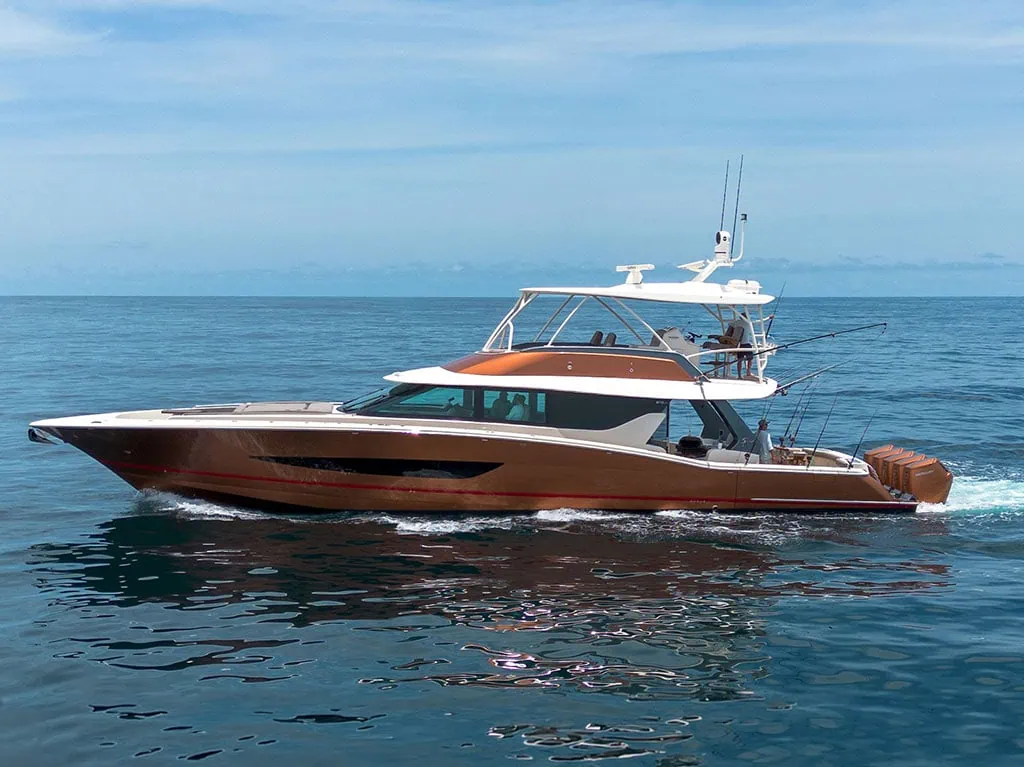
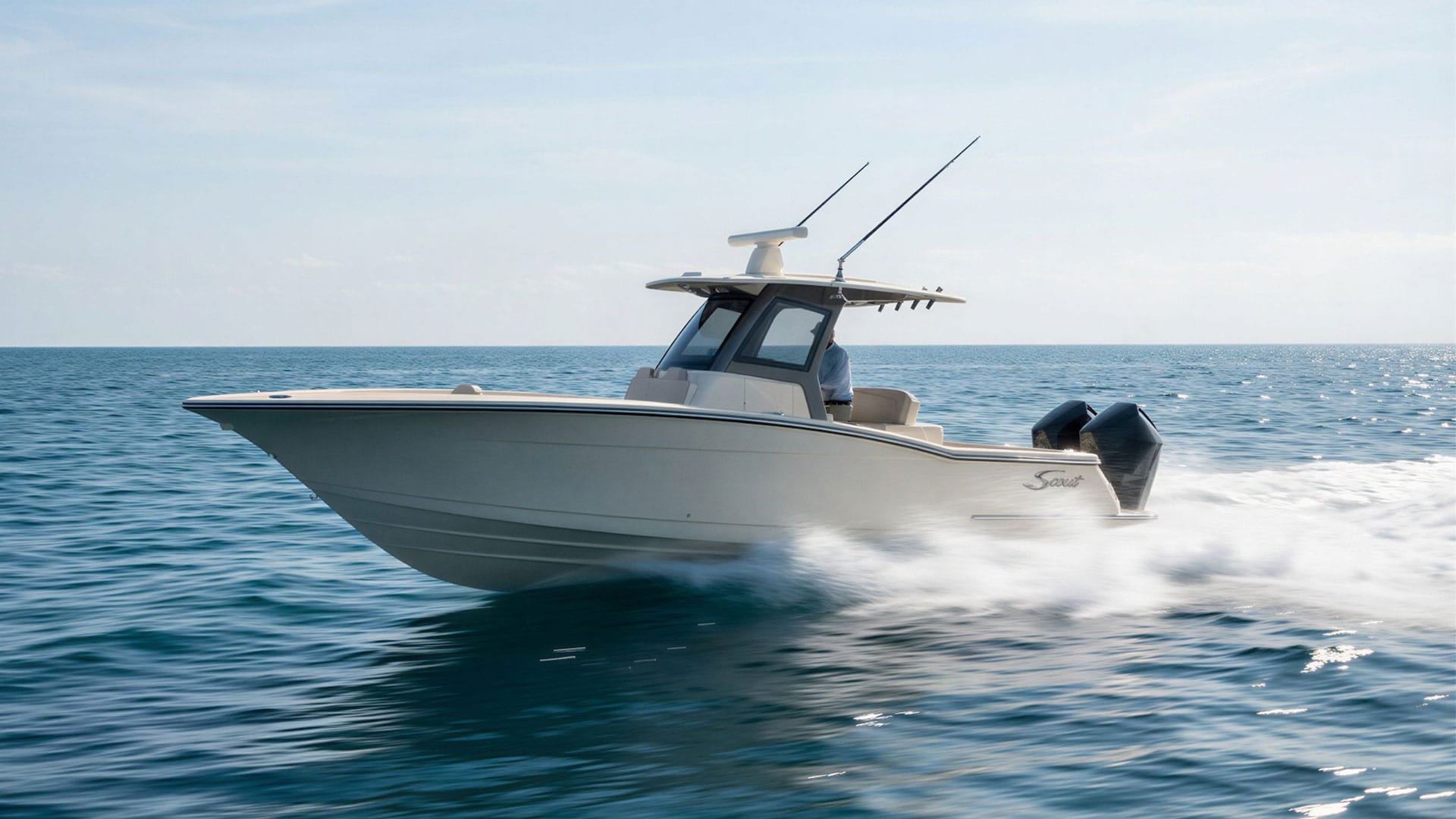
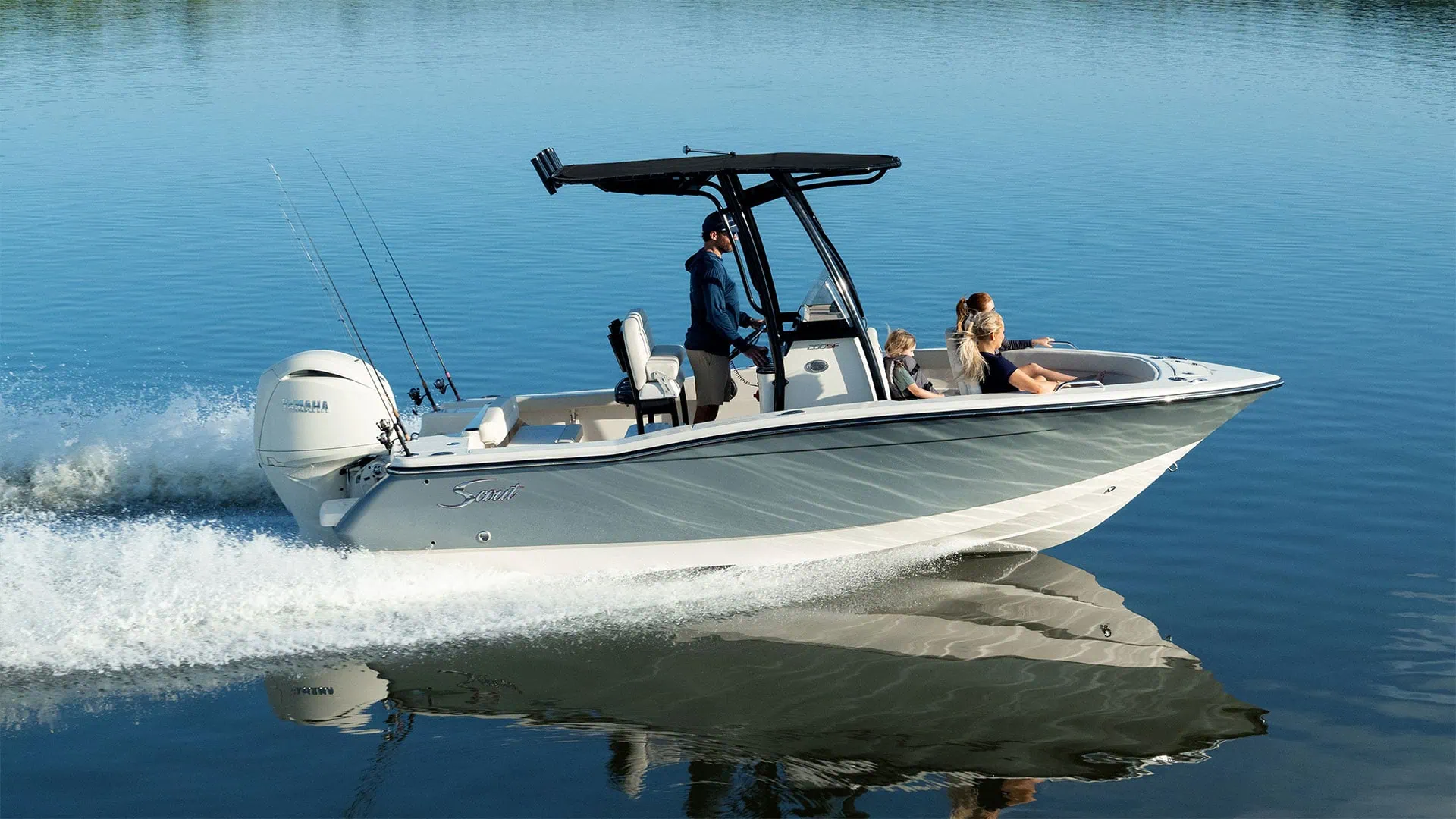
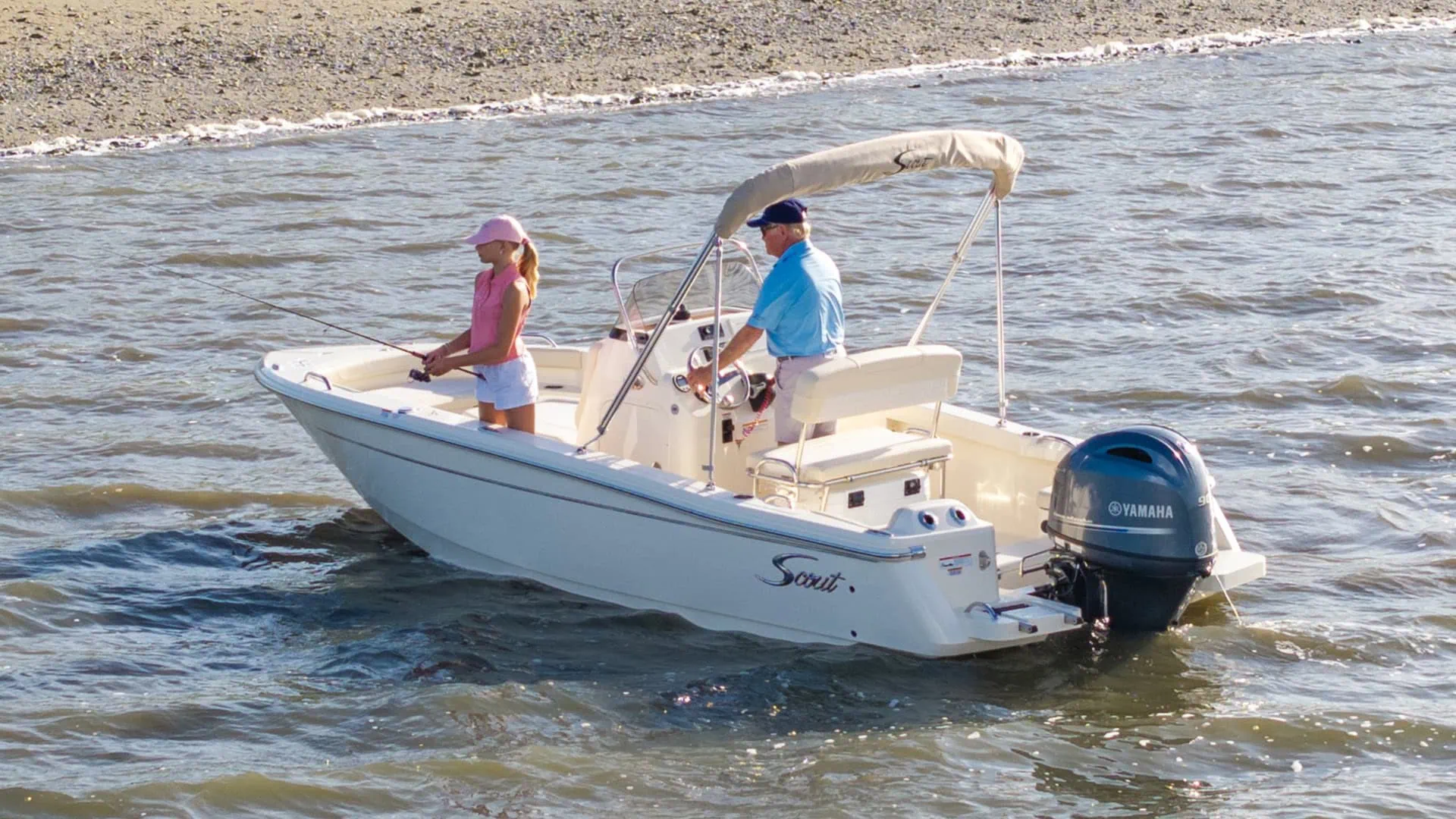
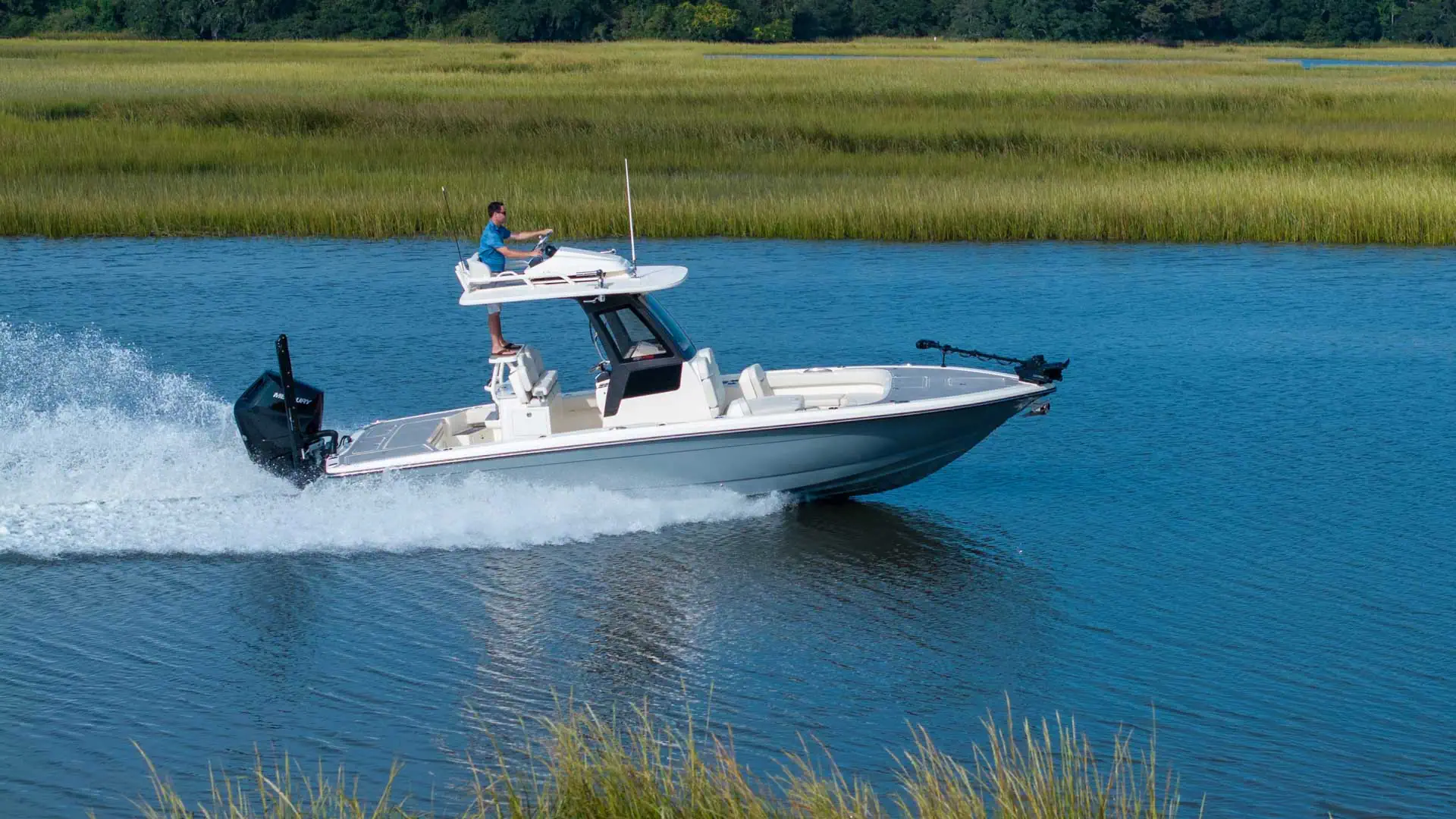
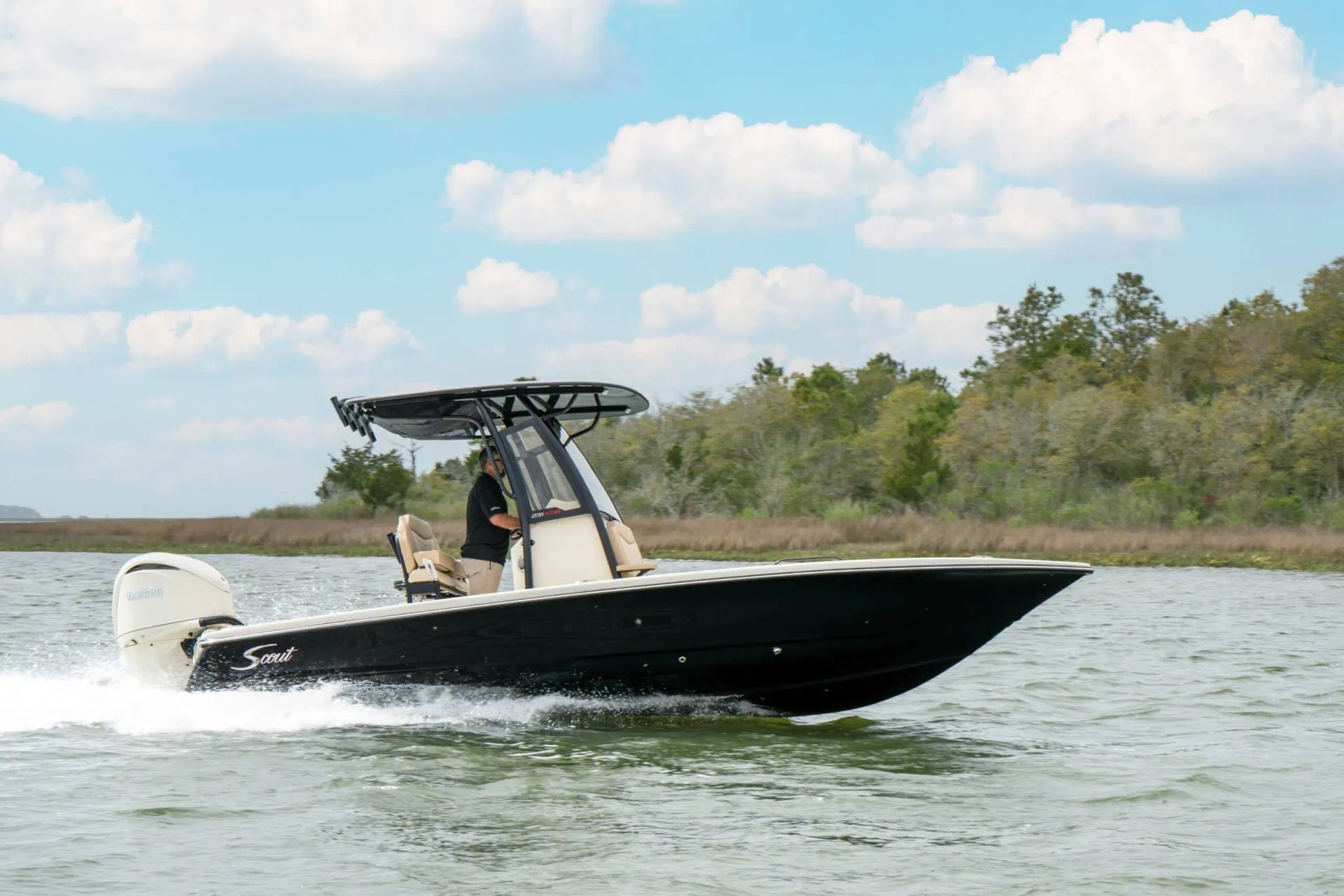
Anchoring well in shallow bays starts with a boat that’s designed to work there. Scout’s bay boats and shallow-draft center consoles pair a skinny-water hull with clean bow and transom layouts that make anchoring, staking out, and fishing the flats simple. Discover the perfect Scout Boat to elevate your time on the water and experience the ultimate in coastal performance and comfort. Find your Scout Boat today.