





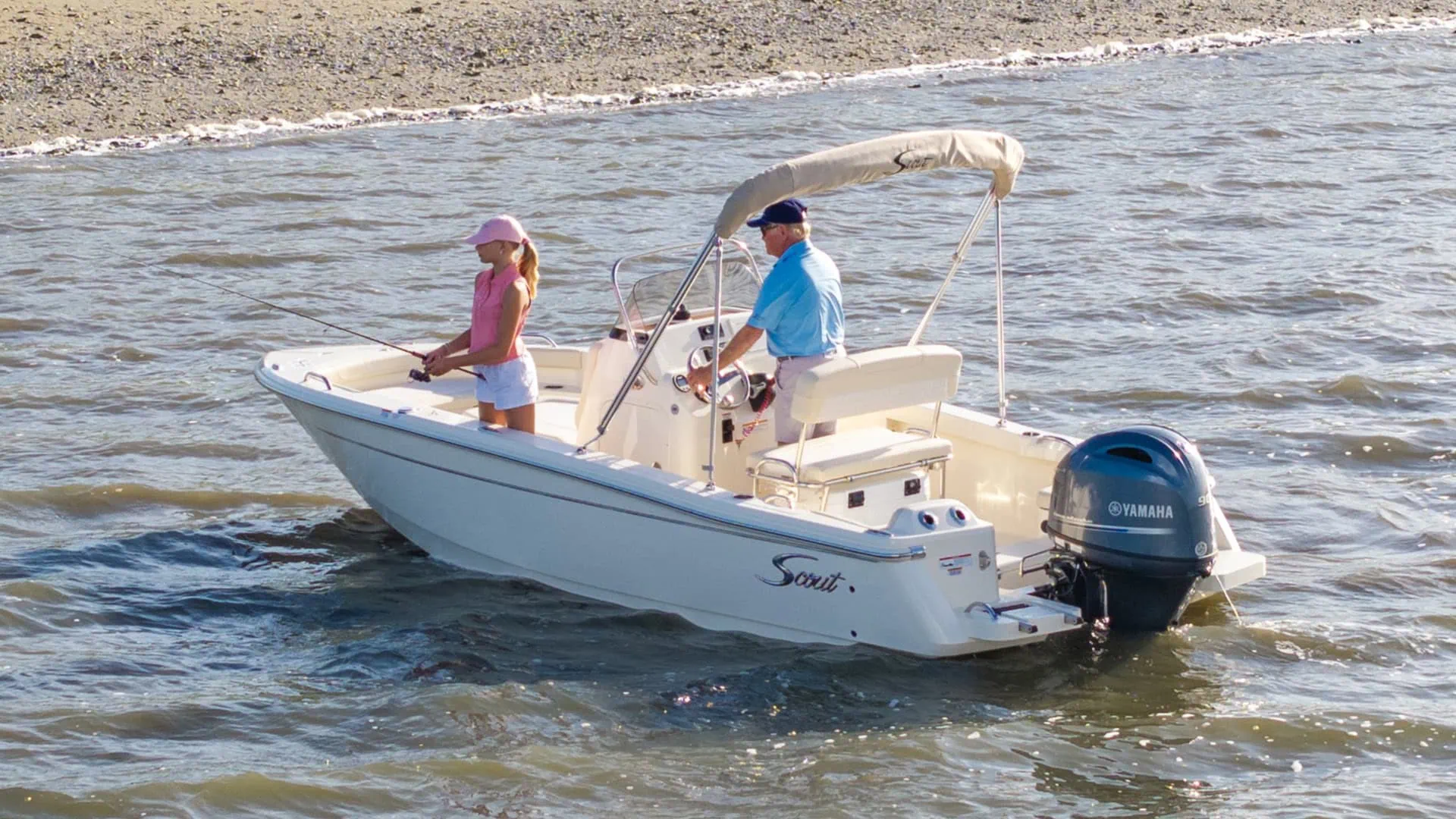

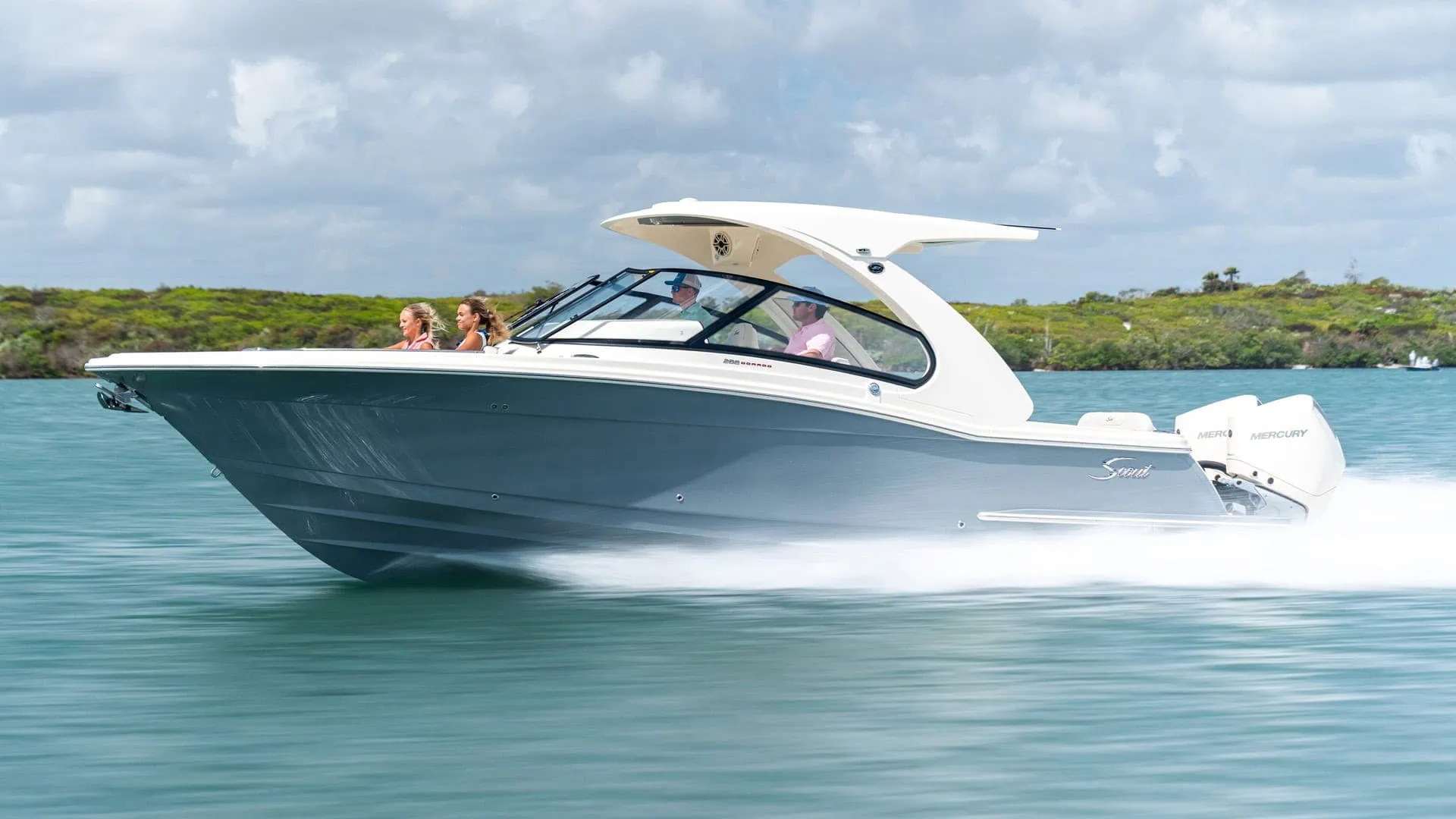


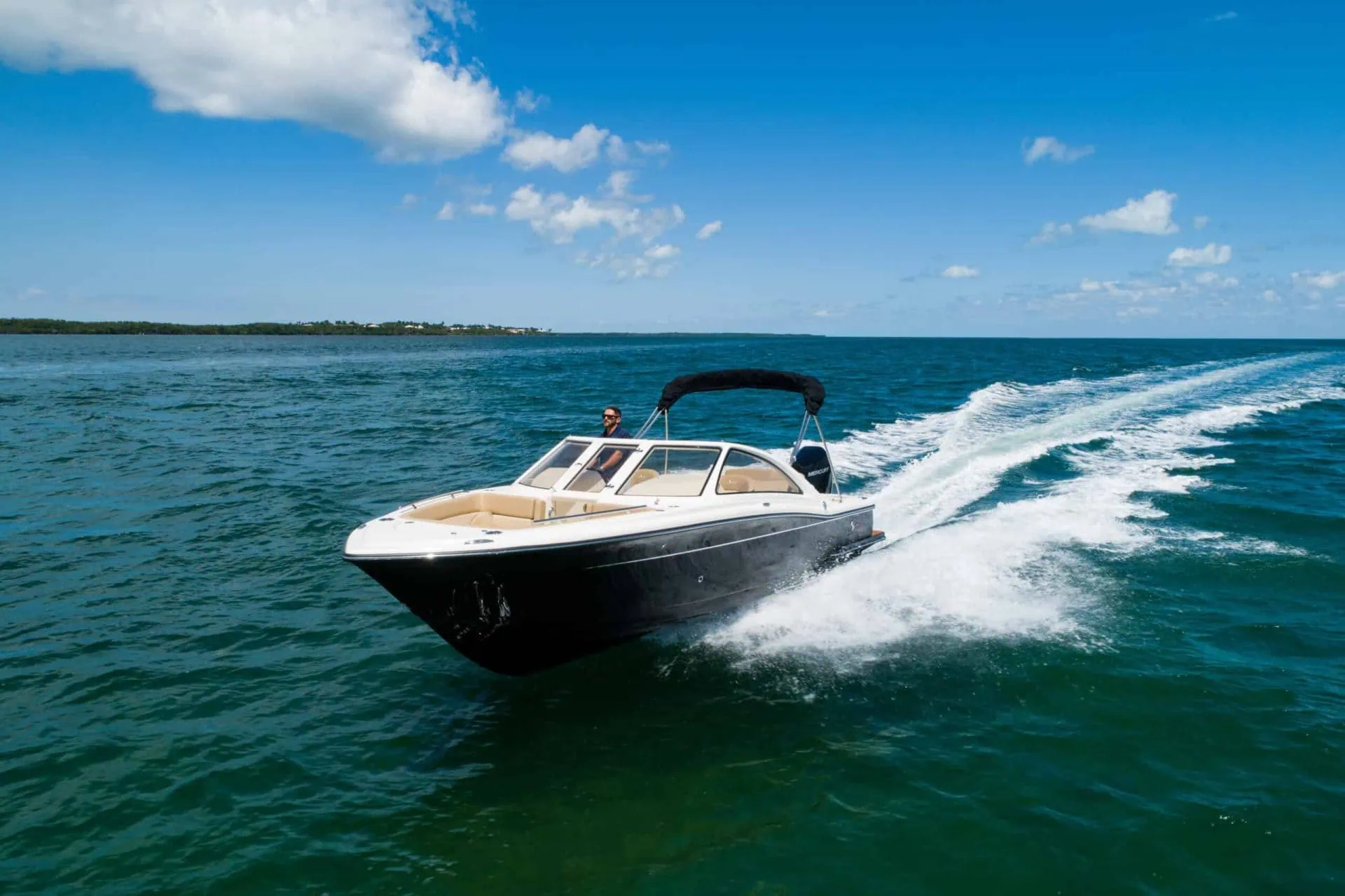
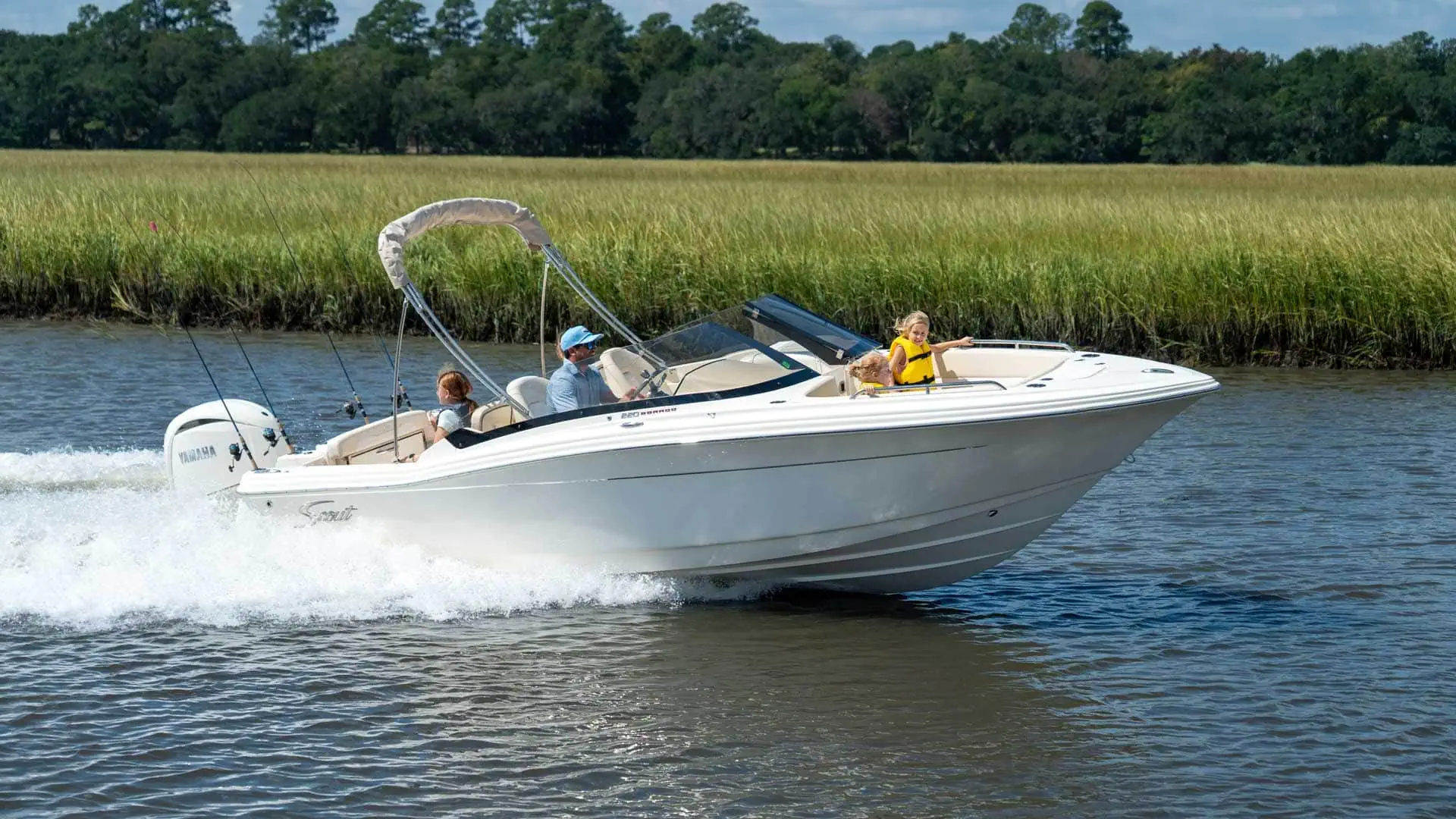


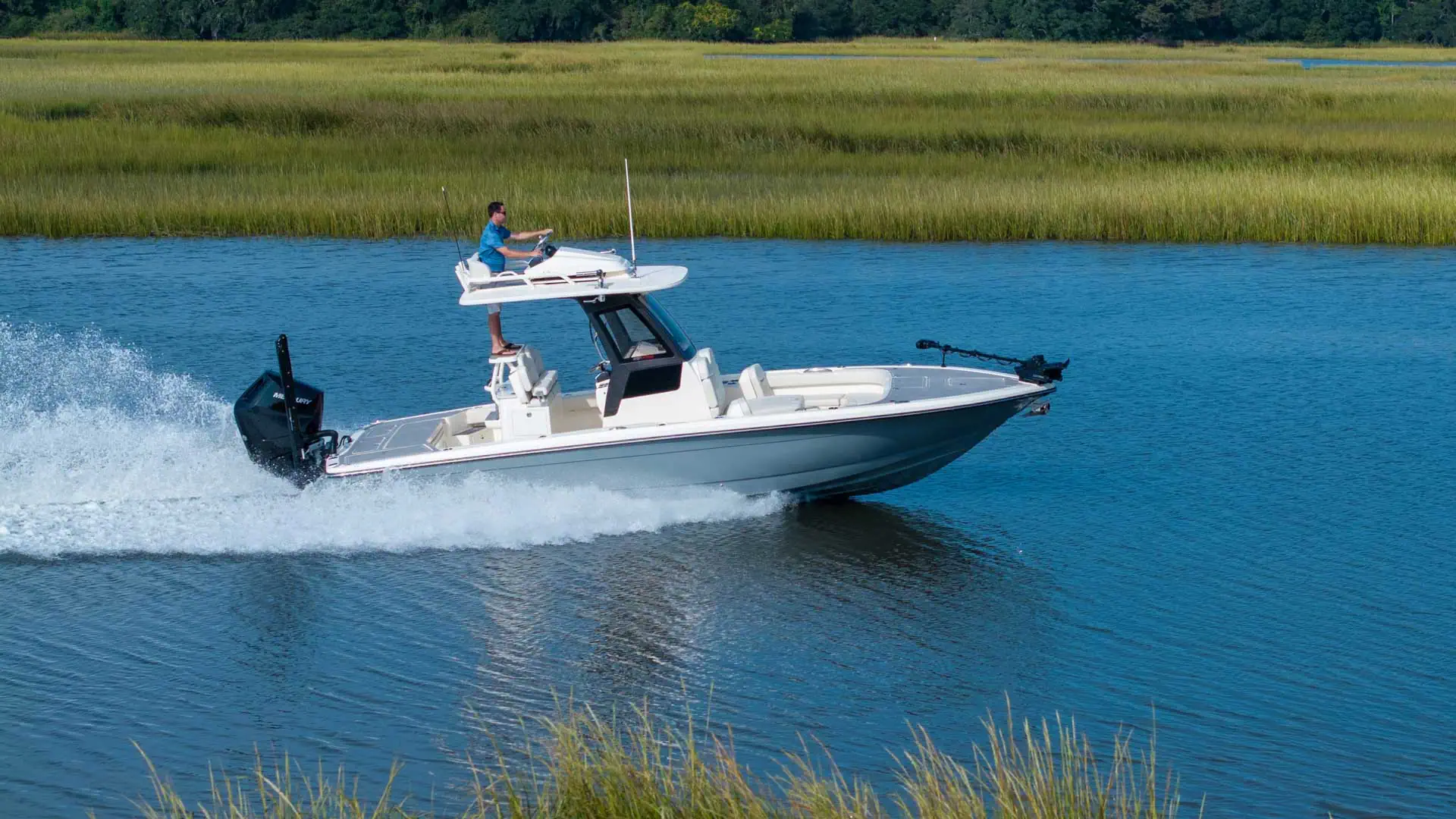

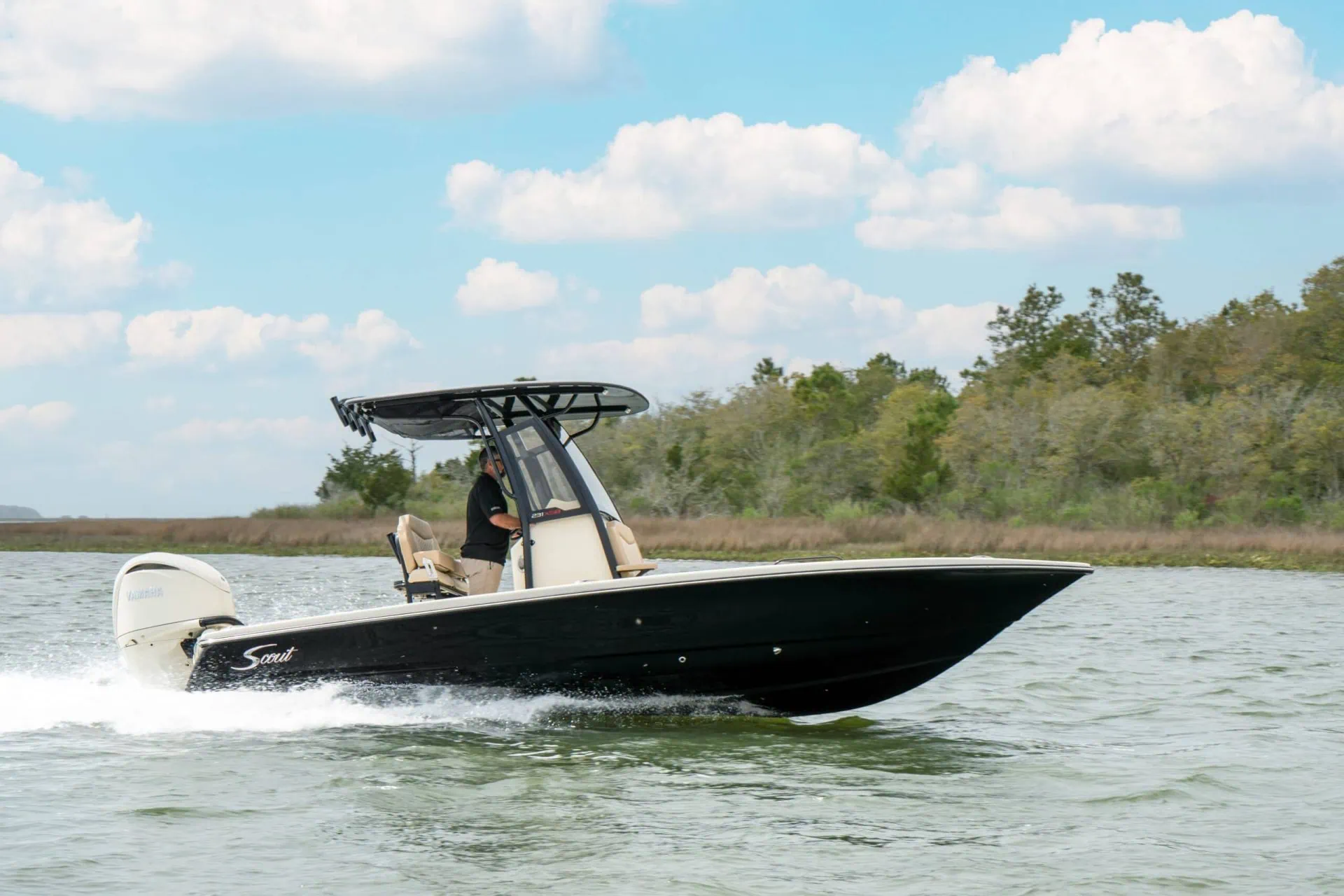

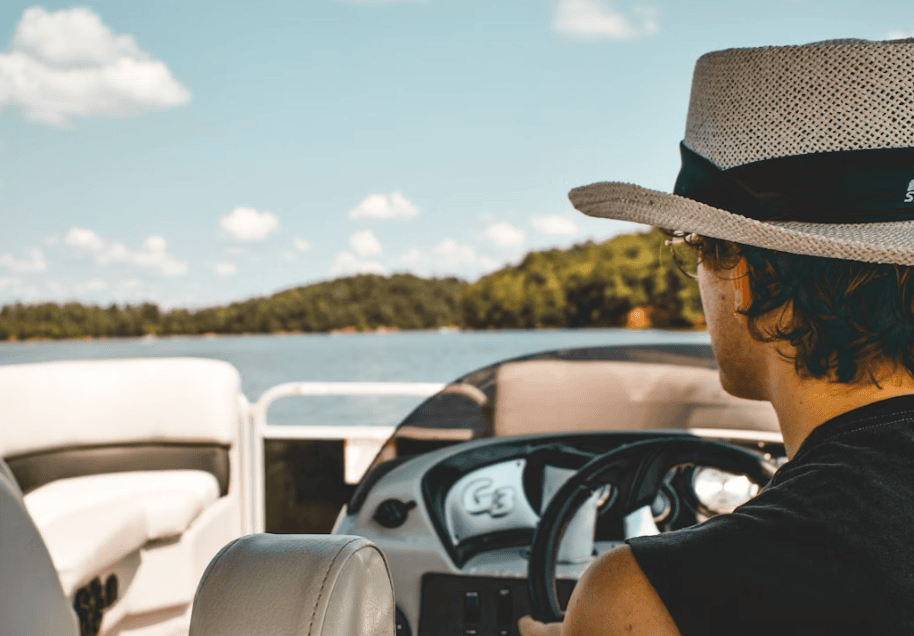
Solo boating offers a unique sense of freedom and independence, but it also requires careful preparation, skill, and the right equipment. When boating alone, safety, efficiency, and self-reliance become critical. By mastering solo boating techniques, you can enjoy extended trips, explore new waters, and gain confidence in your vessel.
Preparation and Planning
Preparation is the foundation of safe solo boating. Always check weather forecasts, tide schedules, and navigation charts before leaving the dock. Filing a float plan with a friend or family member ensures someone knows your route and expected return time.
Inspect your boat thoroughly. Ensure engines, electronics, bilge pumps, and safety gear are operational. Having spare fuel, batteries, and a toolkit can prevent small issues from becoming major problems while alone on the water.
Docking and Handling Techniques
Docking solo can be challenging, but with the right techniques, it becomes manageable. Approach slowly and use fenders to prevent damage. Keep spring lines ready, and use cleats strategically to secure the boat without leaving the helm.
Joystick steering systems, bow thrusters, and power-assisted controls available on modern Scout Boats make solo docking and maneuvering significantly easier, especially in tight marinas or rough conditions.
Safety Considerations
Safety is paramount when boating alone. Wear a personal flotation device (PFD) at all times. Keep communication devices, such as a fully charged VHF radio, cell phone in waterproof case, and GPS, within reach. Understand and respect local boating regulations.
Avoid unnecessary risks, such as traveling in adverse weather or venturing too far offshore without adequate preparation. Regularly monitoring weather updates and water conditions can prevent dangerous situations.
Best Scout Boats for Solo Boating
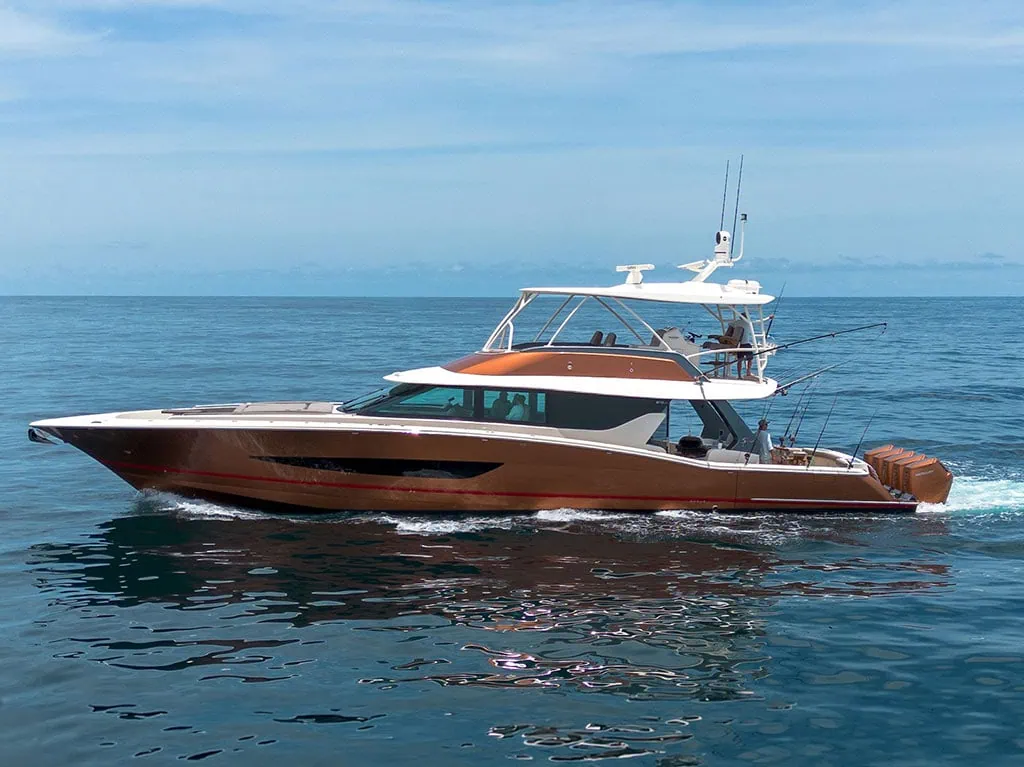
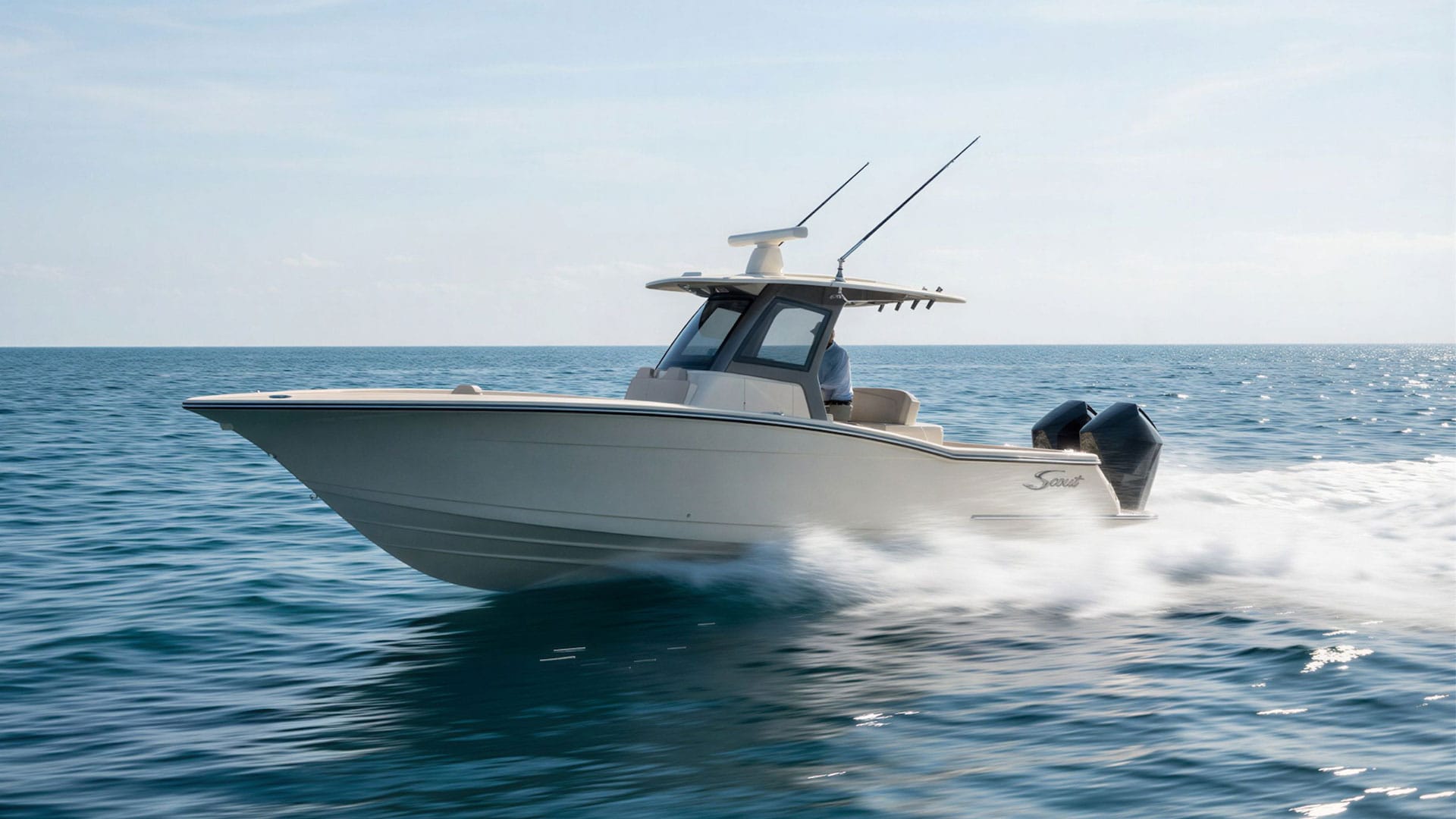
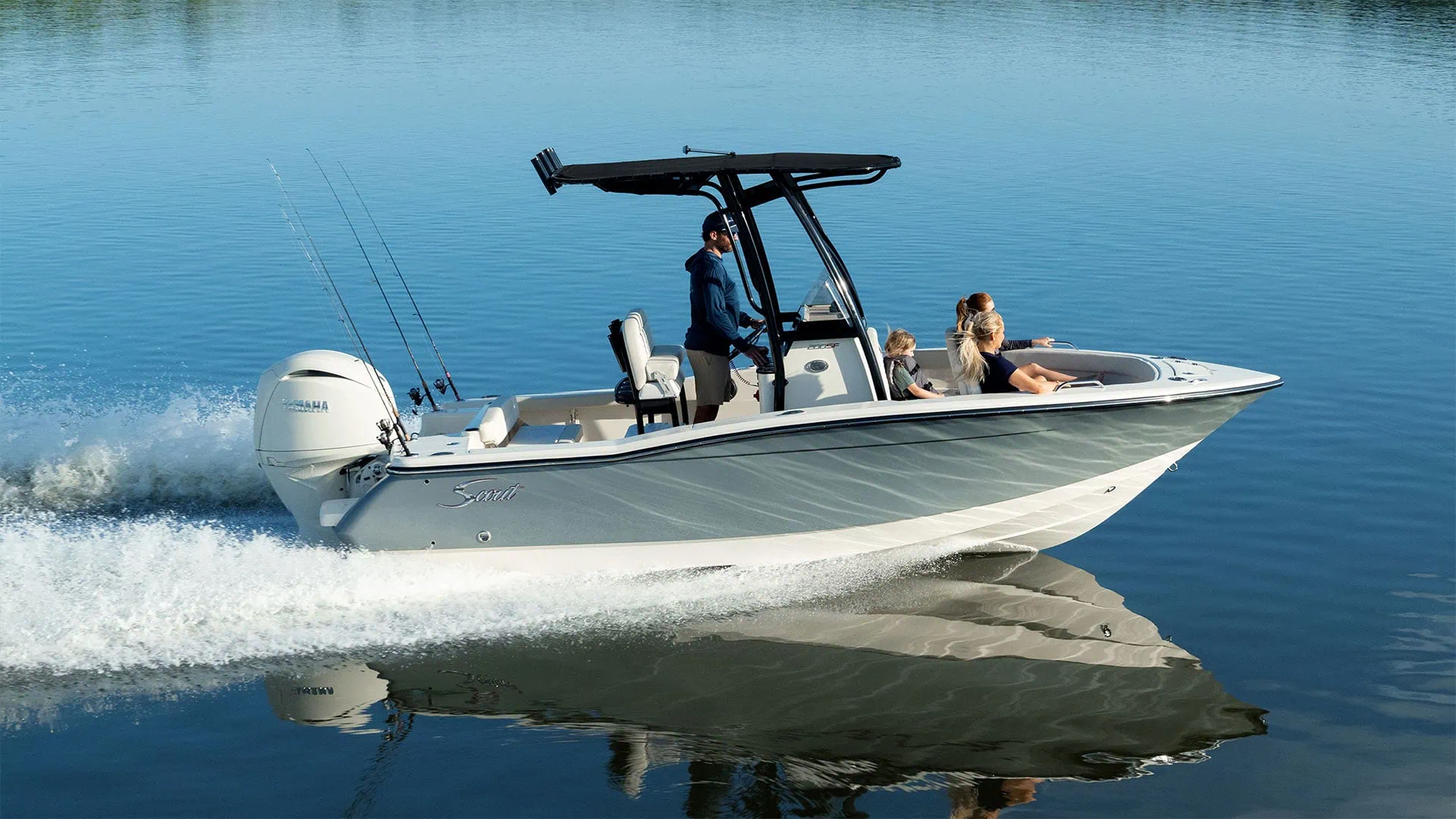
Scout Boats offer models well-suited for solo operation. The Scout 277 LXF and Scout 255 Dorado provide intuitive layouts, joystick-assisted controls, and predictable handling. These features allow a single operator to manage docking, navigation, and cruising efficiently.
With thoughtful console placement, easy access to essential systems, and stable hull performance, these models give solo boaters confidence on both inshore and offshore waters.
Solo-Boating FAQ
Is solo boating safe?
Yes, with proper preparation, safety gear, and a capable boat, solo boating can be a safe and rewarding experience.
What features help solo boaters most?
Joystick controls, clear sightlines, reliable electronics, and accessible helm systems make solo operation easier and safer.
Can I fish while boating solo?
Yes. Plan your deck layout to ensure easy access to rods, tackle, and livewells, while maintaining clear pathways for movement.
Do I need a larger boat for solo outings?
Not necessarily. Boats in the 25–28 foot range, like the Scout 277 LXF, balance stability, control, and manageability for solo operators.
How should I dock solo in strong currents or wind?
Approach slowly, use fenders and spring lines, and take advantage of joystick or power-assisted controls for precision maneuvering.
Tips for Successful Solo Boating
- Stay organized: Keep lines, fenders, and gear easily accessible.
- Practice frequently: Confidence grows with repeated handling and docking in different conditions.
- Plan your route: Knowing your navigation points reduces stress and keeps you alert.
- Invest in technology: GPS, digital switching, and joystick steering simplify operation and enhance safety.
Enjoying the Freedom of Solo Boating
Solo boating offers unmatched flexibility to explore, fish, or cruise at your own pace. By preparing thoroughly, using the right boat, and following best practices, you can maximize enjoyment and minimize risk.
Take control of your solo adventures. Explore Scout Boats designed for confident, independent boating with performance, safety, and ease of operation built in.