

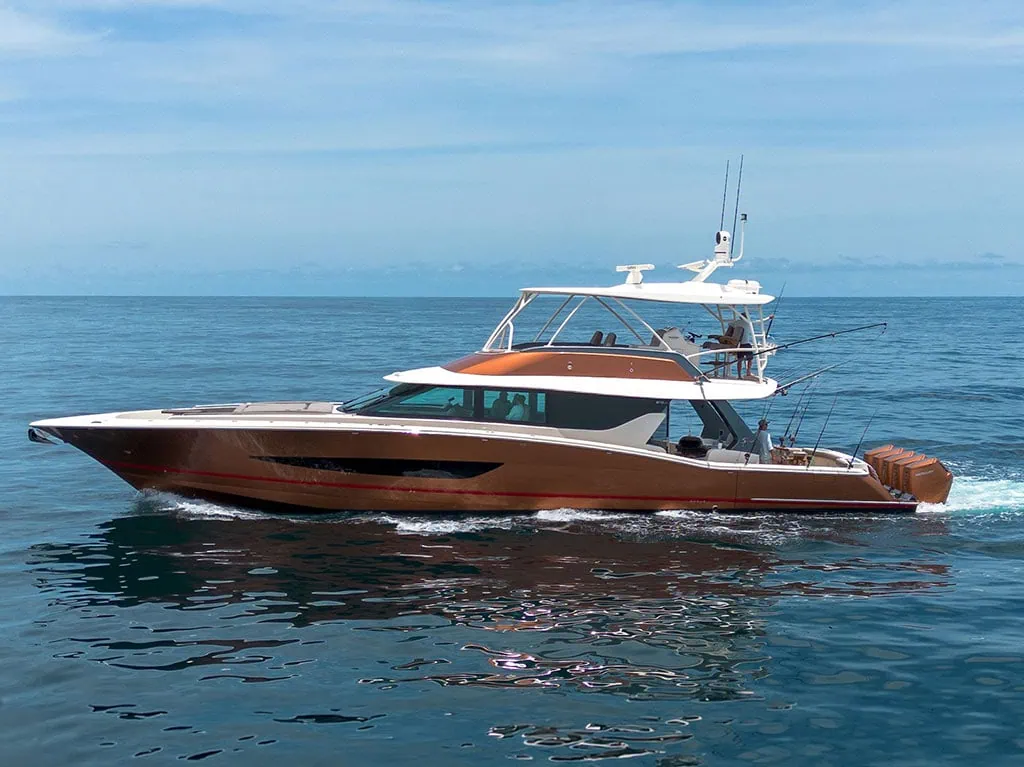


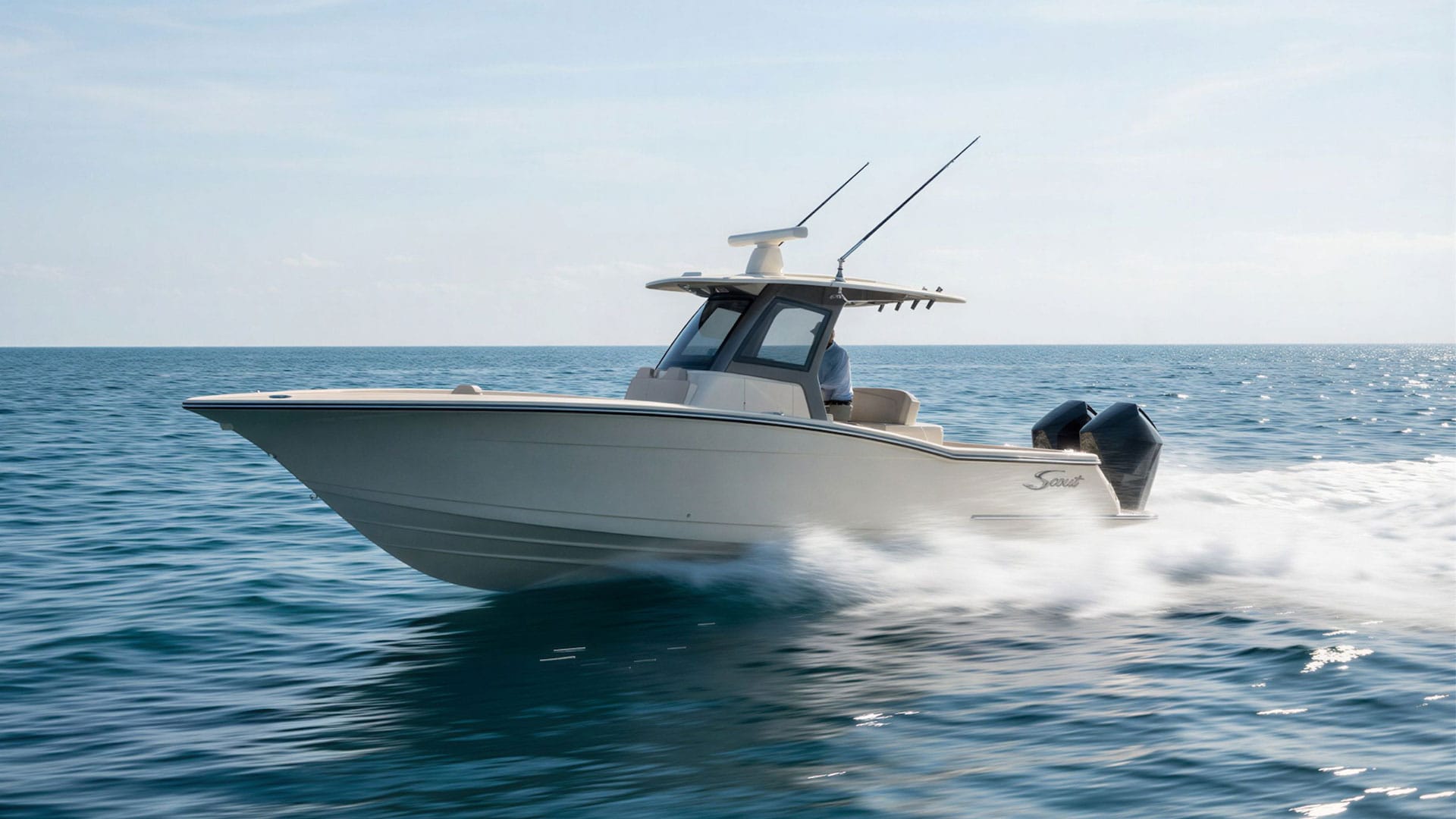


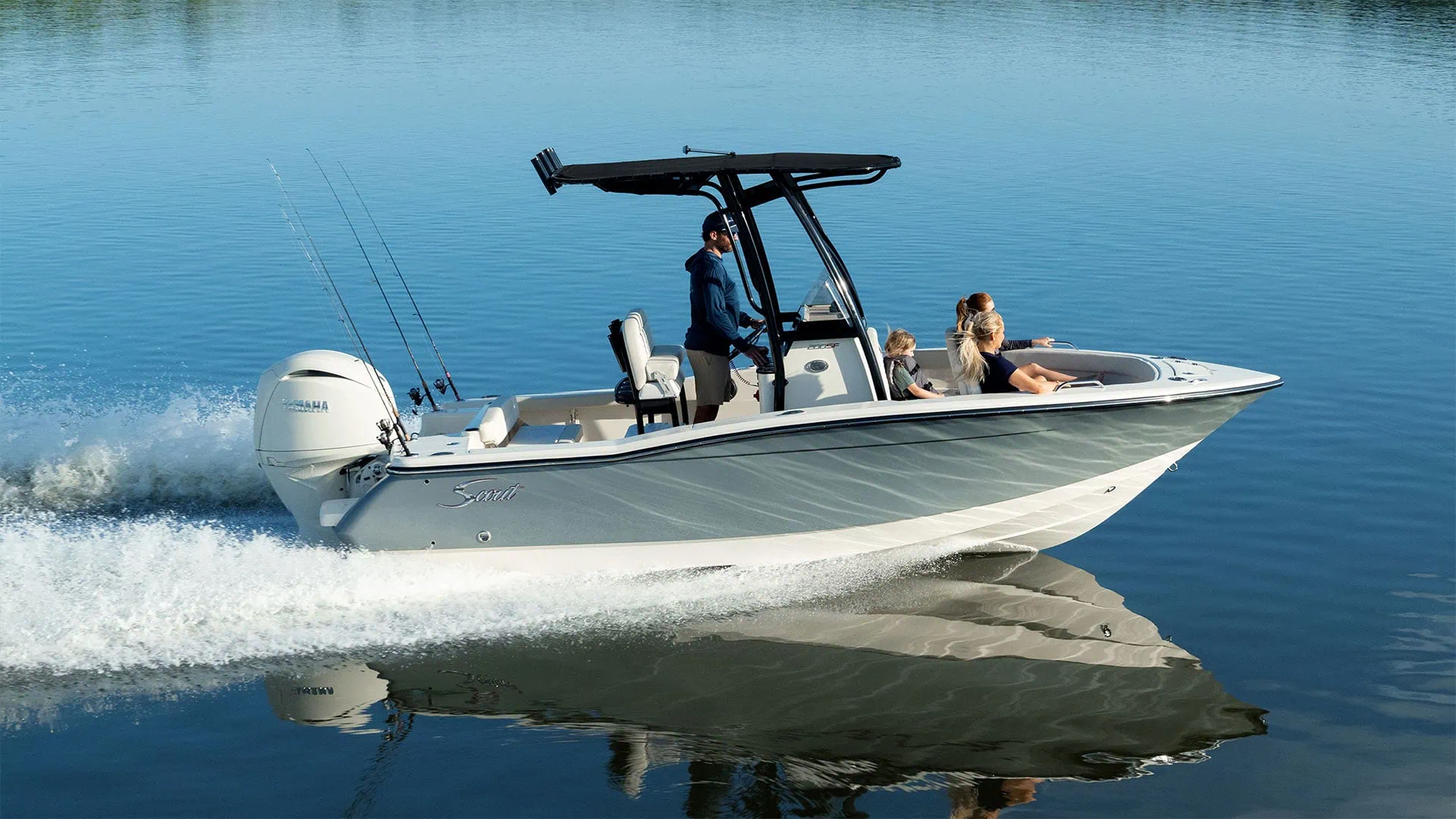

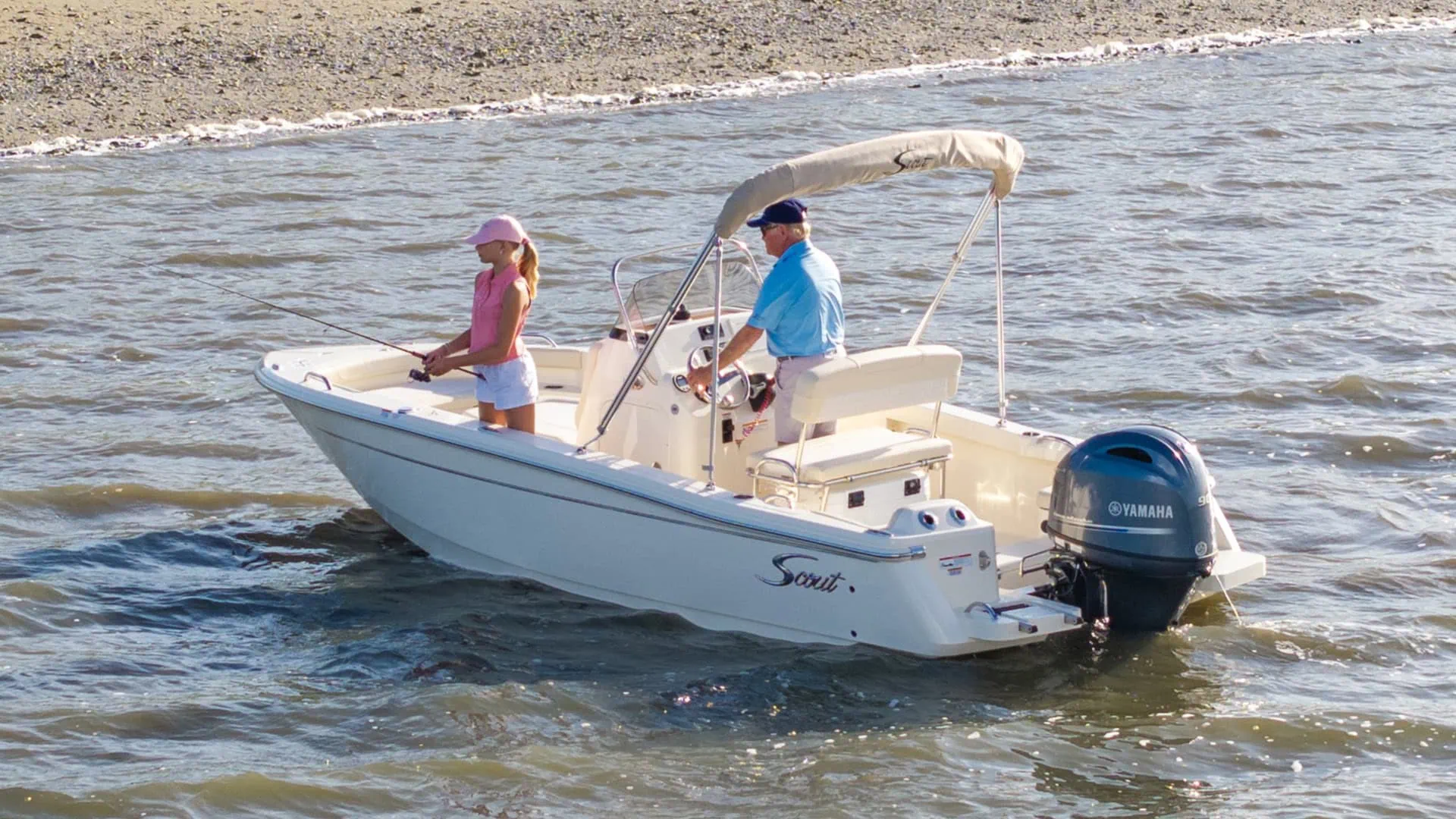






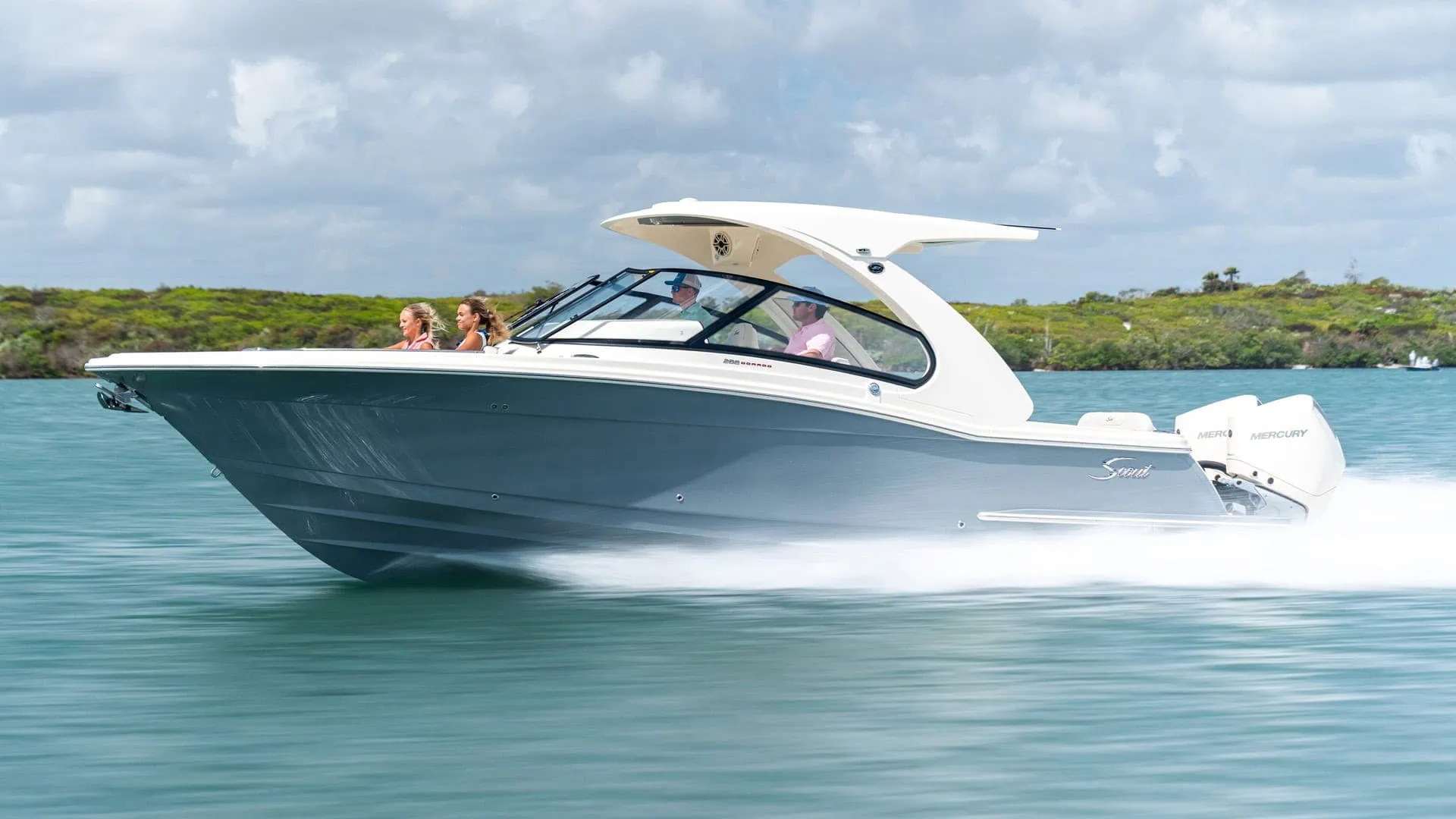
A premium boat is more than a purchase—it’s an investment in unforgettable experiences on the water. Whether you’re chasing offshore gamefish, cruising the coastline with family, or exploring hidden coves, proper maintenance helps ensure your boat continues to perform at its best while retaining its value for years to come.
Boat depreciation is inevitable, but how quickly it happens is largely within an owner’s control. Consistent care, preventative maintenance, and smart upgrades can significantly impact resale value while helping you avoid costly repairs.
Here’s how to protect your investment and keep your boat looking and performing like new.
Stay Ahead of Routine Maintenance
Preventative maintenance is one of the most effective ways to preserve your boat’s value. Small issues that go unaddressed can quickly become expensive repairs that negatively affect both performance and resale appeal.
Develop a regular maintenance schedule that includes:
- Changing engine oil and filters according to manufacturer recommendations
- Inspecting belts, hoses, and fuel systems
- Checking battery health and electrical connections
- Servicing steering and hydraulic systems
- Replacing worn impellers and lubricating moving components
Keep detailed maintenance records, including receipts and service dates. A documented maintenance history demonstrates responsible ownership and gives future buyers confidence in the condition of the boat.
Wash After Every Saltwater Trip
Saltwater is one of the biggest threats to a boat’s appearance and longevity. Salt deposits accelerate corrosion, damage finishes, and shorten the lifespan of hardware if left untreated.
After every outing:
- Thoroughly rinse the hull with fresh water
- Flush the engine according to manufacturer guidelines
- Wash stainless steel components
- Clean upholstery and vinyl seating
- Remove salt residue from compartments and storage areas
Regular cleaning preserves both aesthetics and functionality while preventing premature wear.
Protect the Gelcoat and Exterior Finish
The hull is one of the first things buyers notice. A glossy, well-maintained finish immediately signals quality ownership.
Protect your boat by:
- Applying marine-grade wax several times each year
- Removing stains before they become permanent
- Repairing scratches and chips promptly
- Using UV protectants on exposed surfaces
When stored outside, use a properly fitted cover to shield the boat from sun exposure, tree debris, and environmental contaminants.
Store Your Boat Properly
Storage plays a major role in long-term condition.
Whenever possible:
- Store indoors or under covered storage
- Use breathable, high-quality boat covers
- Remove standing water from bilges
- Ventilate enclosed compartments to reduce moisture buildup
- Disconnect batteries during long storage periods if recommended
If your boat remains in the water for extended periods, schedule regular hull cleaning to prevent marine growth and reduce drag.
Don’t Ignore Upholstery and Interior Care
Marine upholstery represents a significant replacement cost. Cracked vinyl, mildew, and fading immediately reduce perceived value.
To protect interior surfaces:
- Clean seats with marine-approved products
- Remove spills promptly
- Apply UV protectant regularly
- Keep cushions dry
- Address mildew before it spreads
Simple habits like removing wet towels and allowing compartments to dry after each outing can dramatically extend the life of interior materials.
Address Small Repairs Immediately
Many owners postpone minor cosmetic repairs because they seem insignificant. However, small problems often become larger—and more expensive—over time.
Repair items such as:
- Loose hardware
- Gelcoat chips
- Torn upholstery
- Faulty electronics
- Corroded fittings
- Minor fiberglass damage
Prompt attention helps maintain both safety and resale value.
Keep Electronics Current and Functional
Modern buyers expect reliable navigation and marine electronics.
Periodically inspect:
- GPS/chartplotters
- Fishfinders
- VHF radios
- Lighting systems
- Audio equipment
- Battery chargers
Replace outdated equipment only when necessary. Well-maintained electronics are often more valuable than unnecessary aftermarket additions.
Avoid Over-Customization
Personalizing your boat can make ownership more enjoyable, but excessive customization may narrow your future buyer pool.
Modifications like unusual paint colors, permanent structural changes, or niche accessories can reduce resale appeal.
Instead, prioritize upgrades that enhance functionality, including:
- Improved lighting
- Quality trolling motors where appropriate
- Updated electronics
- Premium fishing accessories
- Additional storage solutions
These upgrades tend to provide broader appeal while maintaining the boat’s original character.
Follow Manufacturer Recommendations
Manufacturer maintenance schedules exist for a reason. Following recommended service intervals helps maximize performance while protecting warranties and long-term reliability.
Always use manufacturer-approved replacement parts and fluids whenever possible. Quality components contribute to consistent performance and reduce the likelihood of premature failures.
Keep Detailed Ownership Records
One often-overlooked way to preserve value is maintaining organized documentation.
Keep records of:
- Annual servicing
- Engine maintenance
- Winterization
- Warranty work
- Upgrades and accessories
- Purchase receipts
- Registration documentation
When it’s time to sell or trade in your boat, organized records can increase buyer confidence and potentially support a stronger asking price.
Quality Pays Off from the Beginning
While maintenance is essential, starting with a well-built boat makes long-term ownership easier. Premium construction, innovative engineering, and durable materials often translate into better longevity and stronger resale value.
Scout Boats are designed with meticulous craftsmanship, advanced composite construction, and premium finishes that help owners enjoy exceptional performance year after year. Combined with regular maintenance, investing in quality from day one can help maximize your boat’s long-term value.
Protect Your Investment with Scout Boats
Whether you’re purchasing your first center console or upgrading to your next offshore adventure, choosing a boat built for durability makes ownership more rewarding.
Scout Boats are engineered with innovative technology, premium materials, and attention to detail that stand the test of time. Explore the Scout lineup to find a model designed for lasting performance, comfort, and value—so every season on the water is as enjoyable as the first.
Frequently Asked Questions
How often should I service my boat?
Most boats should follow the engine manufacturer’s recommended maintenance schedule, typically every 100 operating hours or annually, whichever comes first.
Does regular cleaning improve resale value?
Yes. Consistent cleaning helps prevent corrosion, UV damage, staining, and deterioration that can significantly reduce resale value.
Is indoor storage worth the cost?
Indoor or covered storage often helps preserve the hull, upholstery, electronics, and finish by minimizing exposure to sun, moisture, and weather.
Should I keep maintenance records?
Absolutely. Organized service records demonstrate responsible ownership and can make your boat more attractive to future buyers.
What affects a boat’s resale value the most?
Overall condition, documented maintenance history, engine health, cosmetic appearance, storage practices, and the reputation of the manufacturer all play significant roles in determining resale value.