

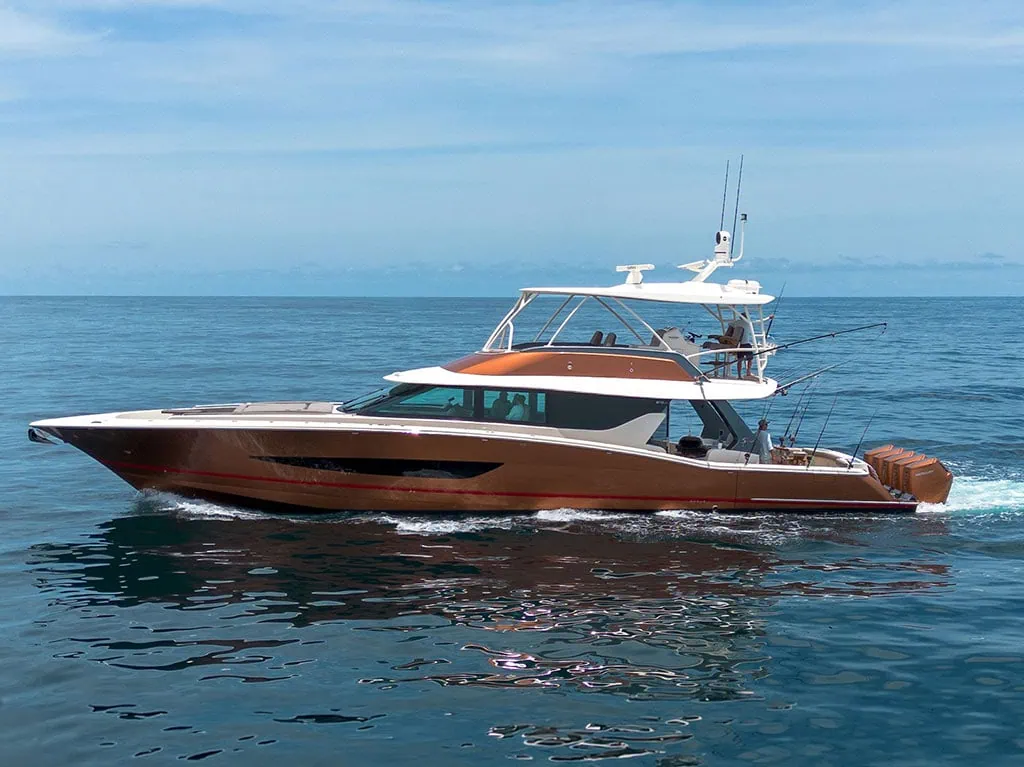


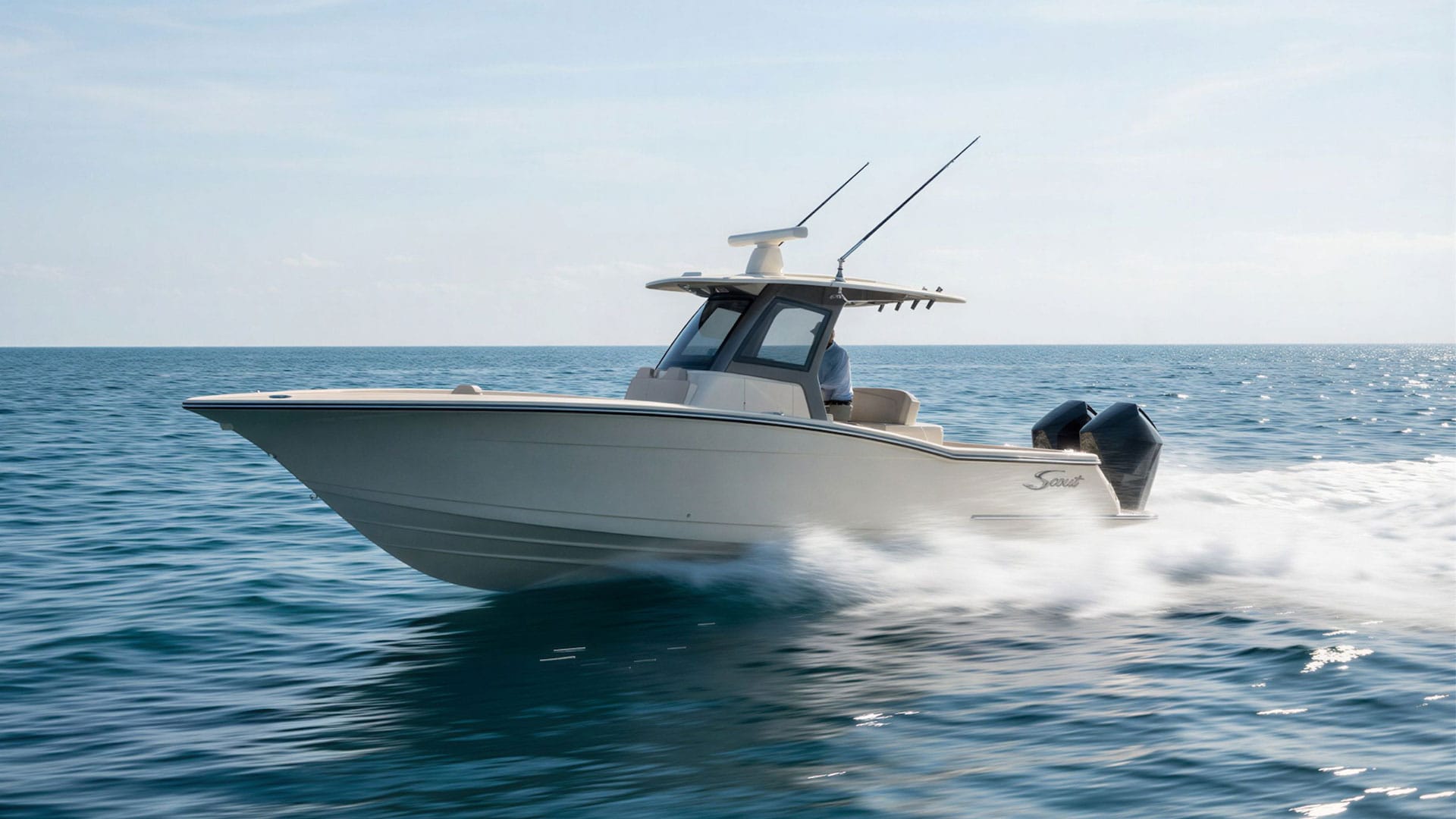


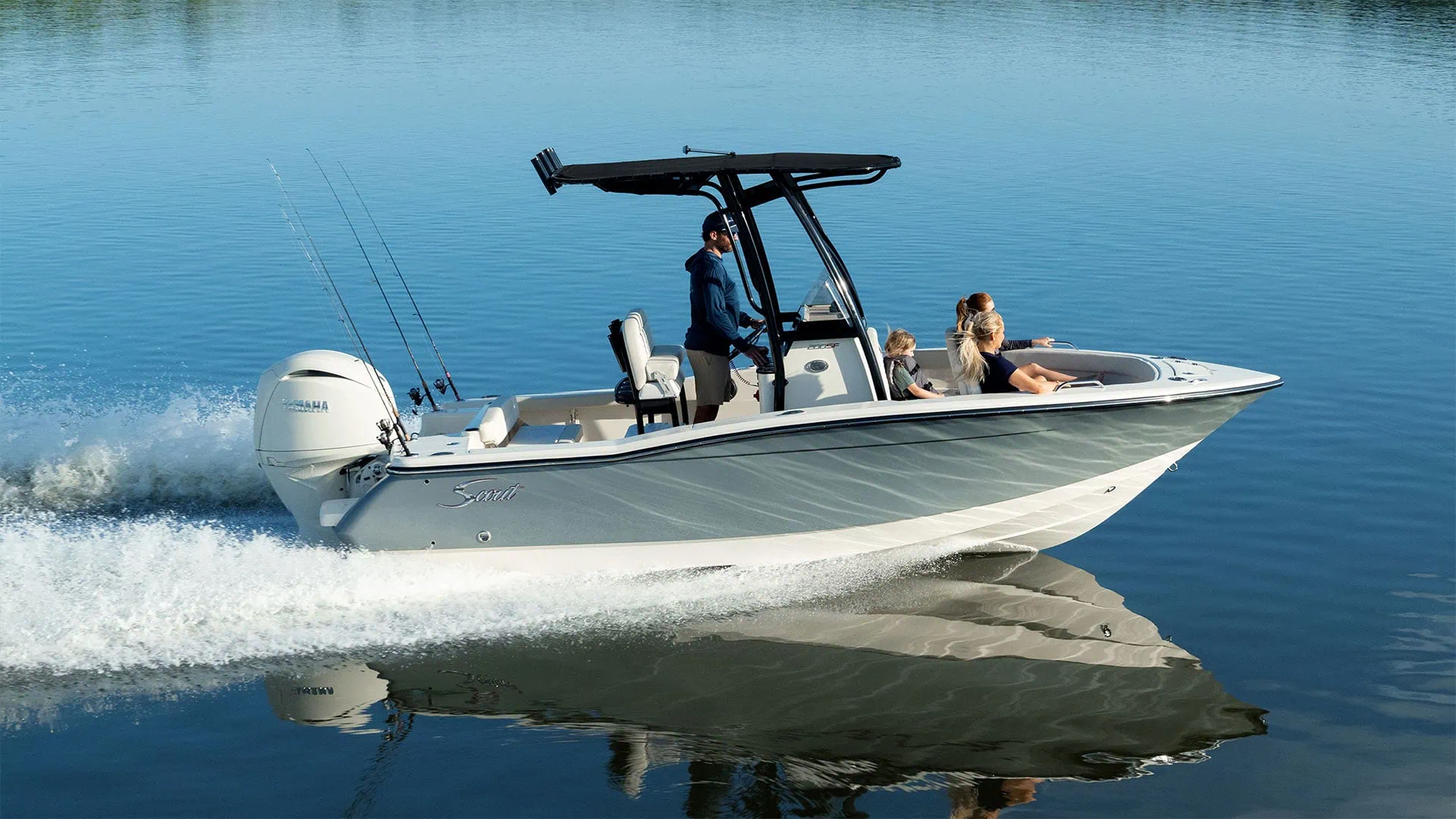

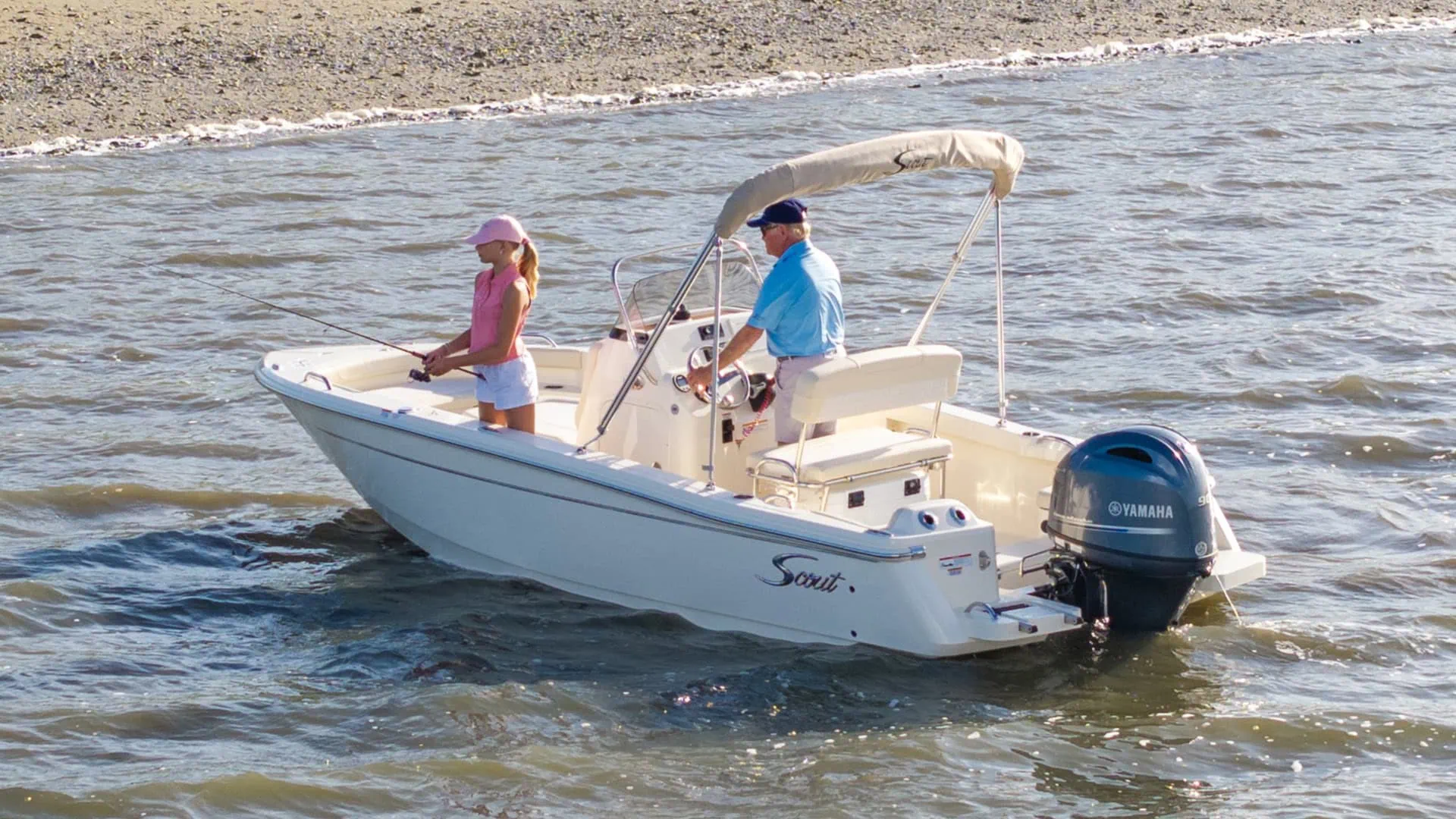







Boating doesn’t have to stop when temperatures drop. With the right winter boating gear, you can stay comfortable, safe, and confident on the water year-round. In fact, winter boating often delivers calmer waterways, better visibility, and outstanding fishing opportunities for those who are prepared. Whether you’re cruising coastal waters, running offshore on a crisp, clear day, or heading out for cold-weather fishing, preparation is the key to enjoying the experience.
Winter conditions demand a different mindset than summer boating. Cold air, colder water, shorter daylight hours, and rapidly changing weather all increase the importance of proper gear. From what you wear to how your boat is equipped, every decision plays a role in staying warm, alert, and safe.
Essential Cold-Weather Clothing
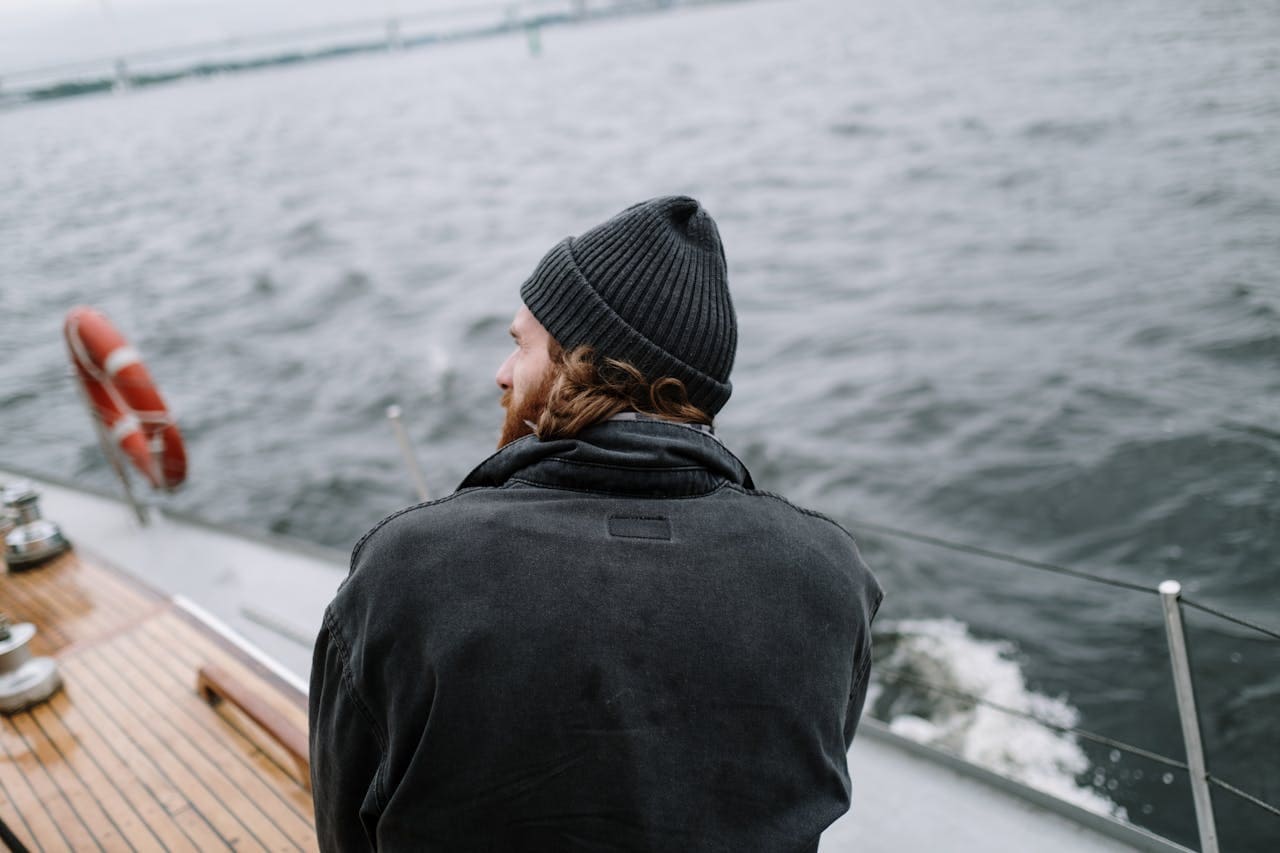
Layering is the foundation of winter boating comfort. A well-planned layering system allows you to regulate body temperature while staying protected from wind and spray.
Start with a moisture-wicking base layer made from synthetic fabrics or merino wool. Cotton should be avoided, as it traps moisture and accelerates heat loss. Over your base layer, add an insulating mid-layer such as fleece or wool to retain body heat. Finish with a waterproof and windproof outer shell designed specifically for marine use. Marine-grade jackets and bibs are built to block spray, resist saltwater exposure, and allow freedom of movement behind the helm.
Hands and feet deserve special attention. Neoprene gloves provide insulation even when wet, while thermal socks paired with insulated, waterproof boots keep your feet warm during long runs. Cold extremities can quickly turn a productive day into an uncomfortable one, especially during early morning departures or extended offshore runs.
Safety Gear You Shouldn’t Skip
Cold water significantly increases risk, making safety gear even more critical during winter boating. Hypothermia can occur quickly, even in relatively mild temperatures, so preparation is essential.
An insulated or inflatable personal flotation device (PFD) provides both warmth and mobility. Many modern PFDs are low-profile and comfortable enough to wear all day, which is especially important when boating alone or offshore.
Emergency thermal blankets, a waterproof flashlight, flares, and additional signaling devices should always be onboard. Electronics matter more in winter as well. A fully charged VHF radio, GPS system, and backup battery can be lifesaving when daylight hours are shorter and weather conditions change unexpectedly.
Boat Comfort and Protection Accessories
Winter boating accessories can dramatically improve comfort and extend your time on the water. Windshields, spray curtains, and console enclosures help block cold air and reduce wind chill, especially during higher-speed runs. Some boaters opt for heated seats or marine-safe portable heaters to stay comfortable on longer outings.
Protective boat covers and console covers also play an important role. They preserve upholstery, protect sensitive electronics, and reduce wear caused by salt, moisture, and temperature fluctuations—helping your boat look and perform its best year after year.
Choosing the Right Scout Boat for Winter Boating
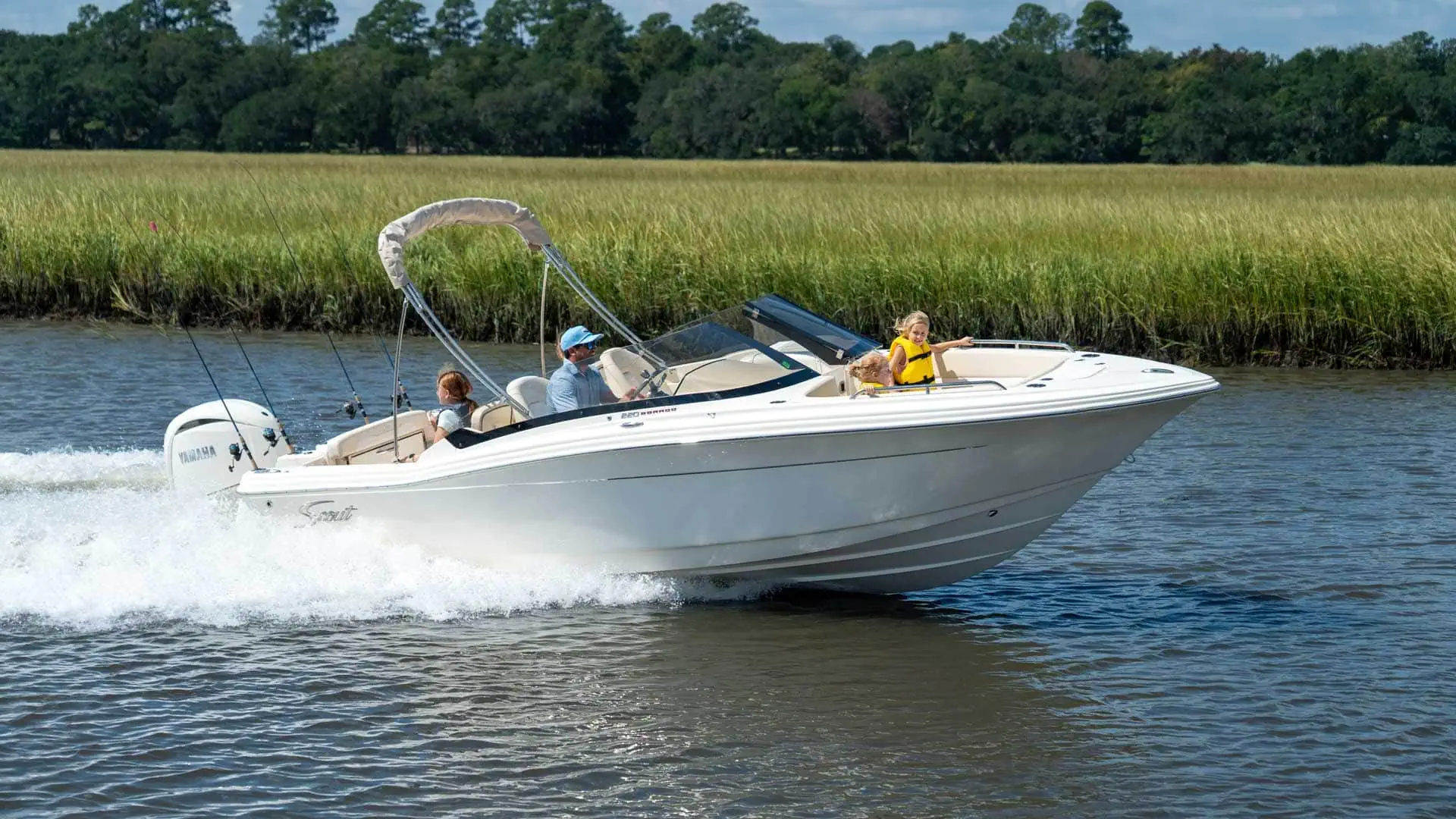
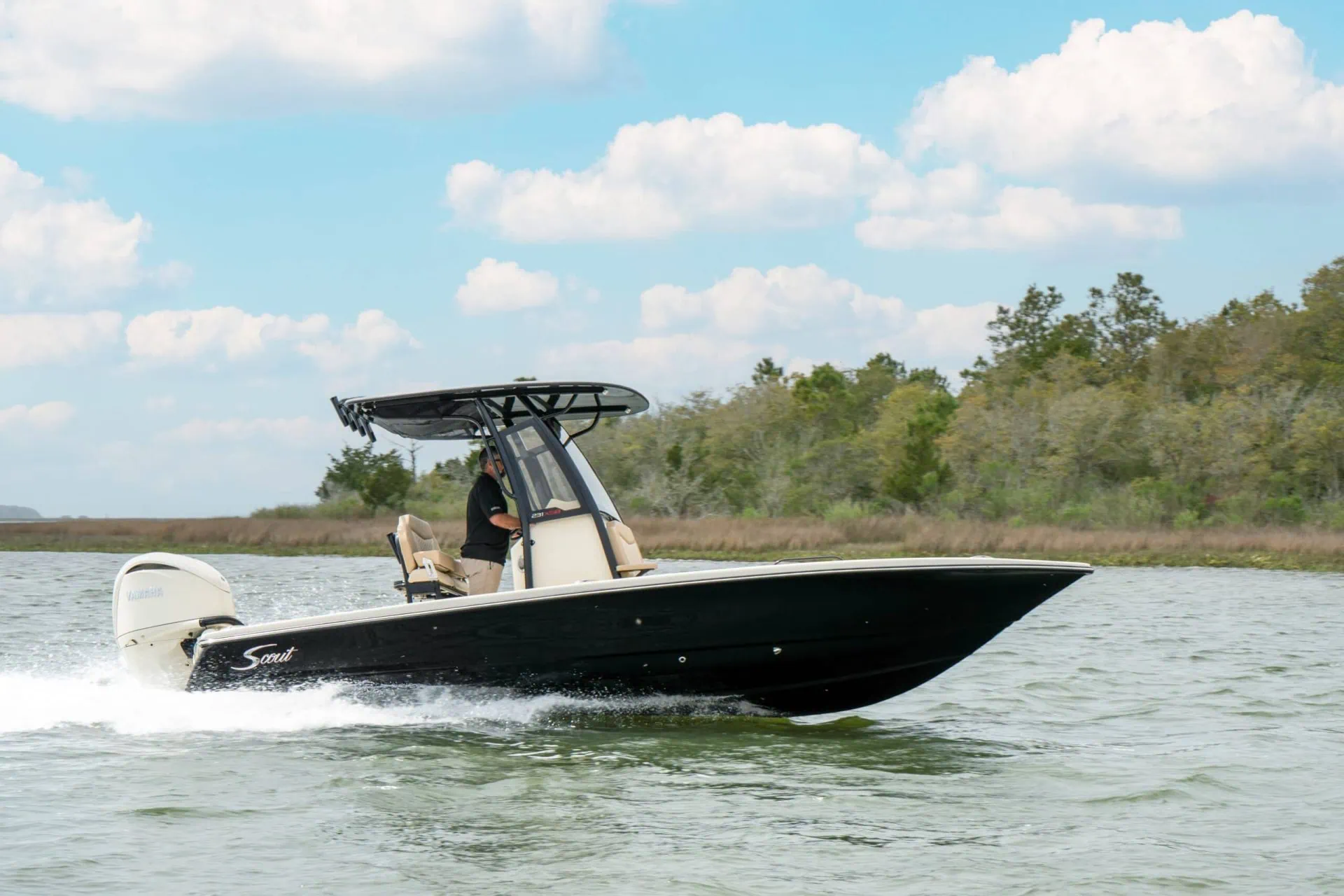
Boat design plays a major role in cold-weather usability. A stable hull, deeper cockpit, and thoughtful wind protection can make winter boating far more enjoyable.
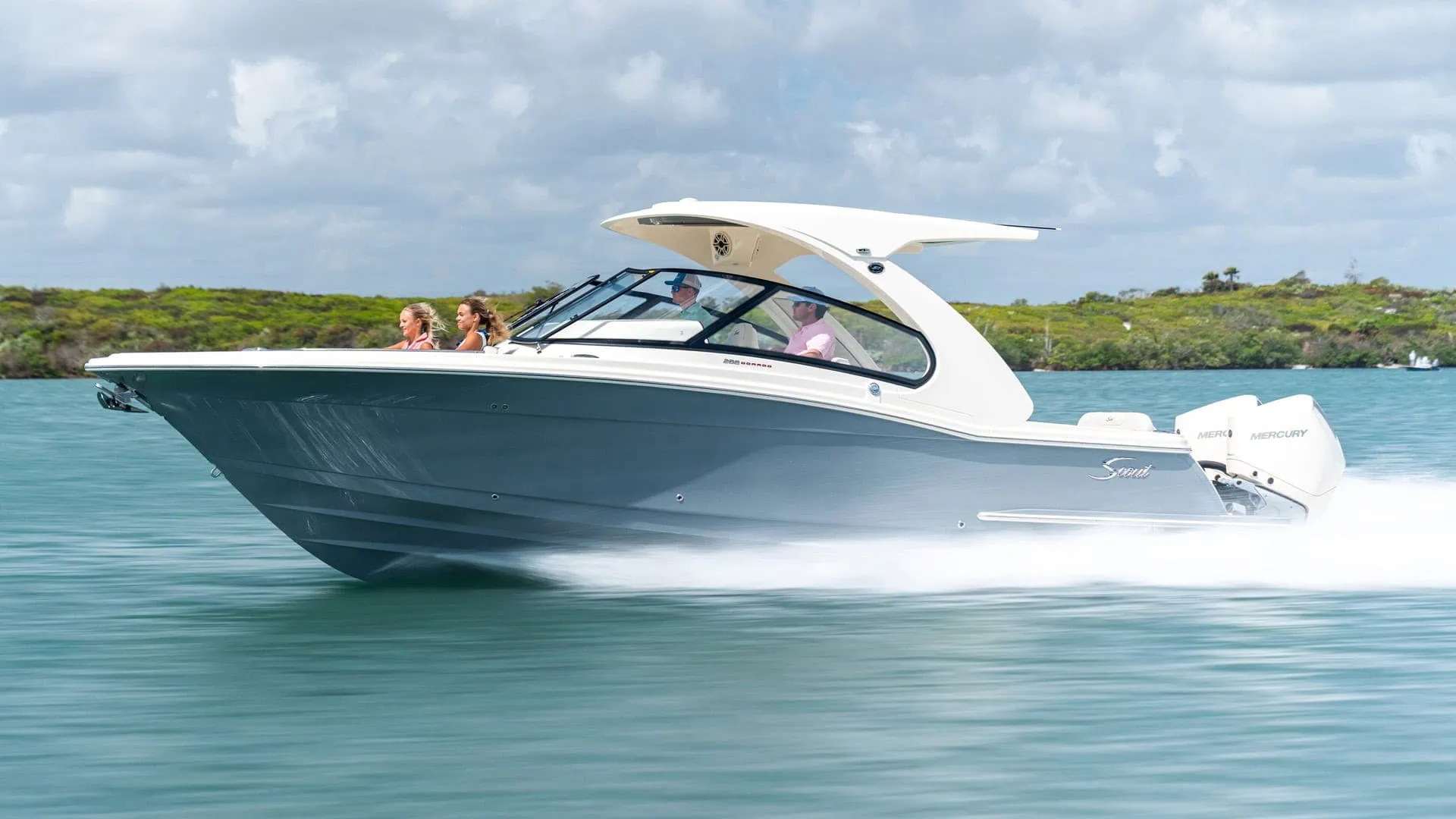
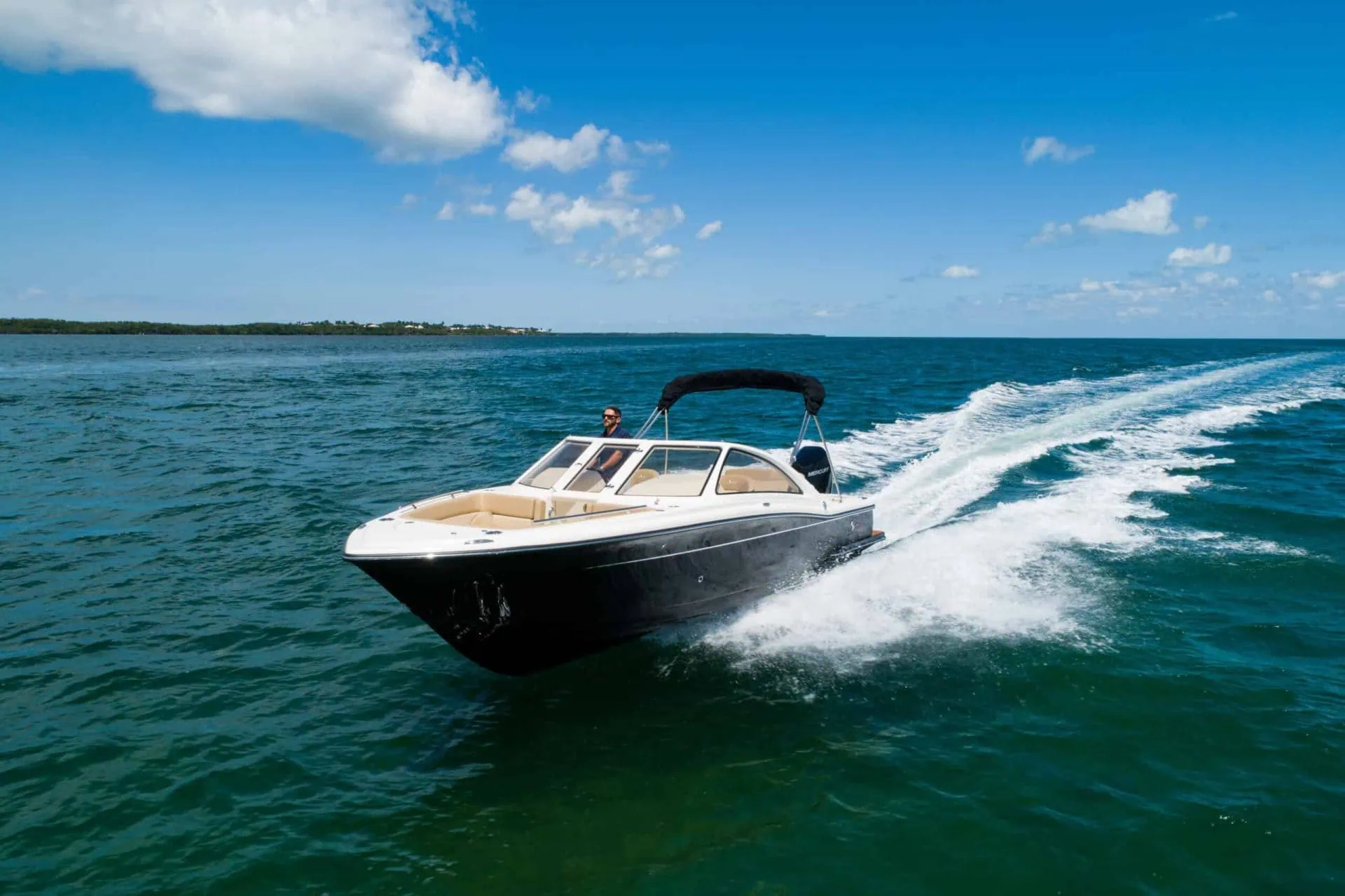
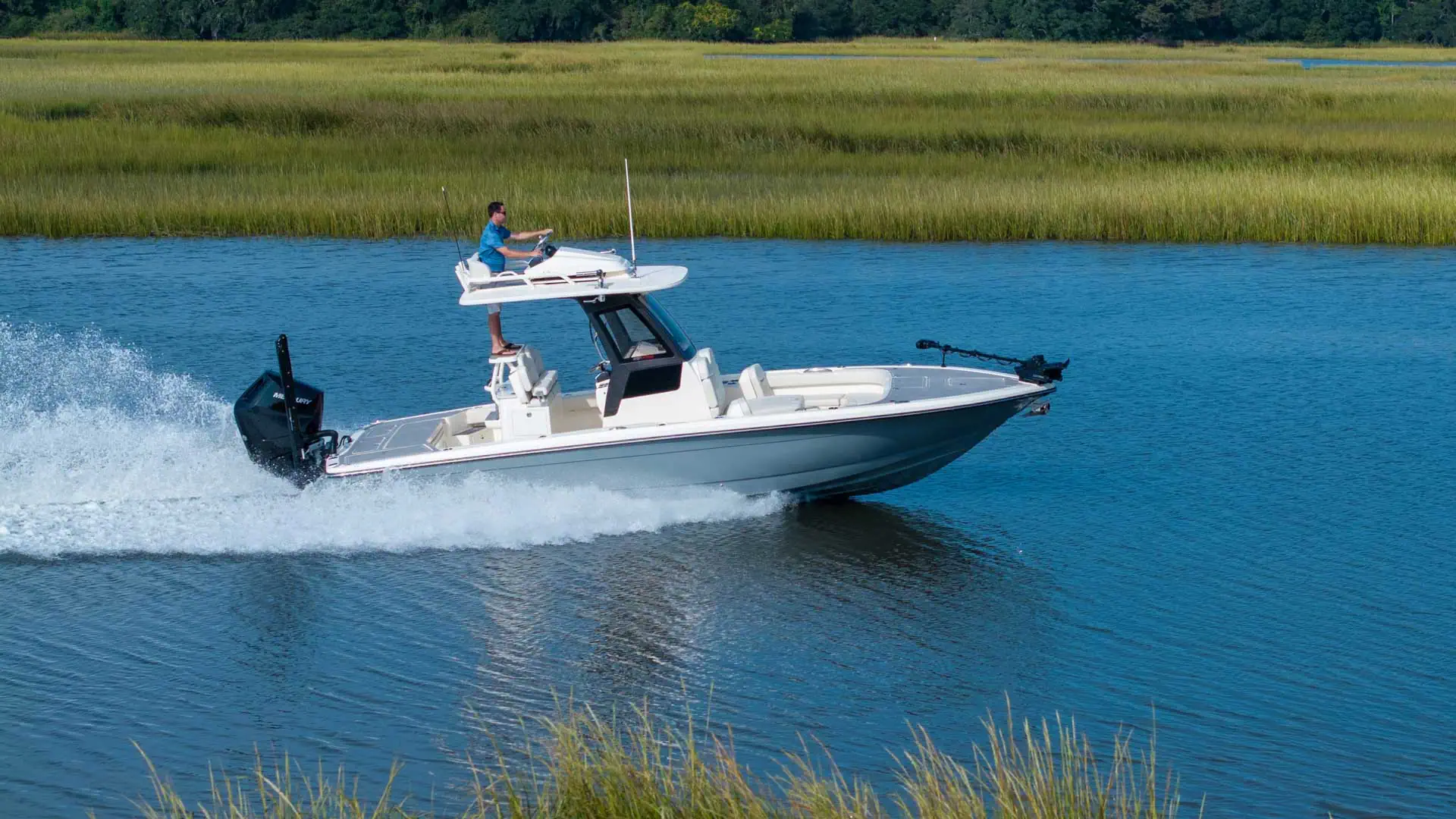
Scout Boats’ advanced hull designs deliver smooth, predictable performance in cooler conditions and rougher winter seas. Models like the Scout 277 Dorado are ideal for winter use thanks to their dual console layout, walkthrough windshield, and enclosed head compartment, which provide added protection from wind and spray. Larger center console models such as the Scout 377 LXF offer exceptional offshore capability, ample windshield coverage, and secure seating, making them well-suited for cold-weather cruising and fishing.
By pairing the right boat with proper winter gear, you can safely extend your boating season and enjoy a quieter, more rewarding time on the water.
Winter Boating FAQ
Is winter boating safe?
Yes. With proper cold-weather gear, close attention to weather conditions, and a capable boat, winter boating can be both safe and enjoyable.
What should I wear for winter boating?
Dress in layers, starting with moisture-wicking base layers, followed by insulation and a waterproof outer shell. Don’t forget gloves, thermal socks, and insulated boots.
What Scout model is best for winter boating?
Dual console boats like the Scout 277 Dorado and larger center console models with wind protection perform especially well in colder conditions.
Do I need special safety equipment in winter?
Cold-weather boating requires extra safety gear, including insulated PFDs, thermal blankets, and reliable communication electronics.
Extend Your Boating Season with Confidence
Winter doesn’t have to signal the end of your time on the water. With the right gear and a thoughtfully designed boat, cold-weather boating can be comfortable, productive, and incredibly rewarding.
Ready to enjoy boating year-round? Explore Scout Boats and discover models engineered for comfort, safety, and performance in every season.